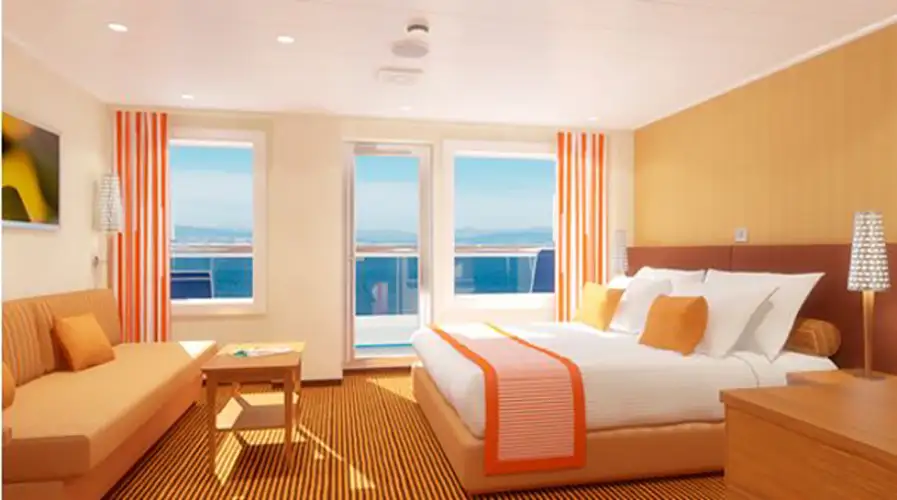
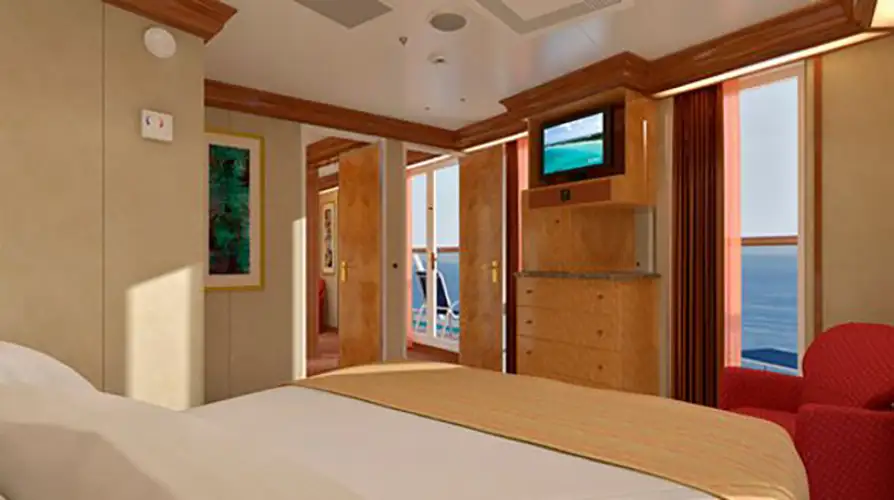
Carnival Cruise Line Mediterranean: 9 nights from Dover with Carnival Miracle ®
Sep 19, 2027
United Kingdom, France, Spain, Portugal, Italy


Cruise itinerary
Departure Port: Dover ➞
Landing: Civitavecchia
-
 Sunday, September 19, 2027 - 4:30 PMDover
-
Monday, September 20, 2027 7:00 AM - 8:00 PMLe Havre
-
 Tuesday, September 21, 2027Navigation
 -
Wednesday, September 22, 2027 9:00 AM - 6:00 PMLa Coruna
-
Thursday, September 23, 2027 8:00 AM - 5:00 PMLeixoes
-
Friday, September 24, 2027 7:00 AM - 4:00 PMLisbon
-
Saturday, September 25, 2027 9:00 AM - 5:30 PMCadiz
-
Sunday, September 26, 2027 11:30 AM - 6:00 PMCartagena
-
Monday, September 27, 2027Navigation
-
Tuesday, September 28, 2027 6:00 AMCivitavecchia
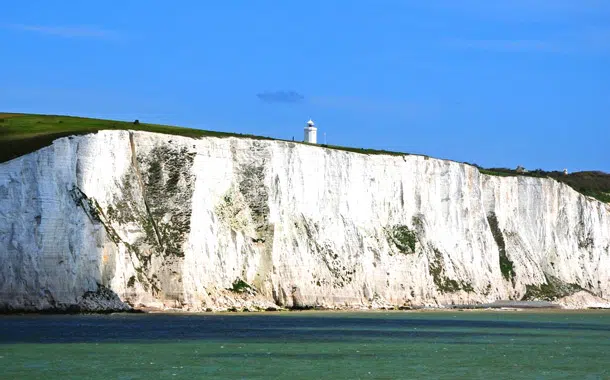
Dover
Just 21 miles from the European mainland (the French cliffs are visible on a clear day), it is the main passage through the English Channel.
History of DoverEnveloped by the passage of time, Dover stands as a monumental beacon of Britain's heritage. Situated at the closest point to continental Europe, it has served as the gateway to England for centuries. The iconic White Cliffs of Dover, symbolic of hope and freedom, have witnessed the ebb and flow of conquerors, traders, and travelers. Central to its historical narrative is Dover Castle, known as the "Key to England," boasting an extensive history dating back to the Iron Age and later fortified by the Romans and Normans. This town is not just a witness but a storyteller of England's tumultuous history.
Climate in DoverDover's climate is characterized by its mildness, a trait particularly appealing to those seeking to escape extreme weather conditions. Summers are pleasantly warm without being oppressively hot, with average temperatures hovering around 20°C (68°F), making it an ideal time for exploring. Winters are moderate, with temperatures rarely falling below freezing. This temperate climate ensures that Dover can be enjoyed year-round, offering a comfortable environment for all its visitors.
Attractions and Places to VisitDover is not just a historical gem but also a treasure trove of natural beauty and cultural sites. Beyond the White Cliffs, Dover Castle stands as a formidable reminder of the past, offering breathtaking views and a deep dive into history. The Secret Wartime Tunnels weave beneath the castle, offering an immersive experience into WWII strategies. For nature lovers, the Samphire Hoe Country Park, created from the material dug to build the Channel Tunnel, offers serene walks and stunning vistas. Each site in Dover tells its own unique story, inviting exploration and discovery.
Local Cuisine and Specialty ProductsThe culinary landscape of Dover is as rich and varied as its history. Known for its fresh seafood, the town boasts dishes like Dover sole, celebrated worldwide for its delicate taste. Local pubs and restaurants also offer traditional English fare, from hearty stews to the classic fish and chips, often with a contemporary twist. Regional produce, like Kentish apples and artisanal cheeses, add to the gastronomic experience, making Dover a must-visit for food enthusiasts.
Concluding Remarks: Embark on a Cruise from DoverEmbarking on a cruise from Dover is not just a journey; it's an adventure steeped in history, natural beauty, and culinary delights. This port, renowned for its strategic importance and breathtaking views, serves as the perfect gateway to exploring the British Isles and beyond. With its convenient location, temperate climate, and rich cultural tapestry, Dover invites cruisers to begin their voyage in a city that promises an unforgettable experience. Whether you're drawn by the call of history, the allure of gastronomy, or the simple joy of scenic landscapes, Dover is a destination that transcends expectations, making it an ideal starting point for your next cruise adventure.
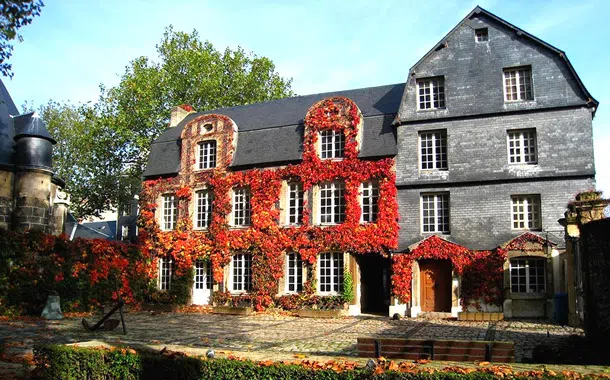
Le Havre
Le Havre is worth a visit, not only as a stopover on the way to Paris or other inland destinations, but also as one of the great examples of post-war planning. It is a strange and strangely fascinating city, listed by
Unesco as a World Heritage Site.
Wandering through the streets of the seaside town of Le Havre, one might think one had stumbled upon a forgotten outpost of the Eastern Bloc. Obliterated by World War II bombings, the city was completely rebuilt by the Belgian architect Auguste Perret and, what emerged from the ashes of old Le Havre, is a kind of love letter to concrete: endless rows of blocks of buildings, straight avenues stretching out from the central square, dominated by the 100 m high 'Stalinist Baroque' style cathedral, looks like something straight out of the pages of '1984'.
Walking through the streets of the seaside city of Le Havre, you might think you've stumbled into a forgotten outpost of the Eastern Bloc. Erased by the bombings of the Second World War, the city was completely rebuilt by the Belgian architect Auguste Perret and, what emerged from the ashes of old Le Havre, is a kind of love letter to concrete: endless rows of blocks of buildings, straight avenues that extend out of the central square, dominated by the 100 m high cathedral in 'Stalinist Baroque' style, looks like something directly from the pages of '1984'.
La Coruna
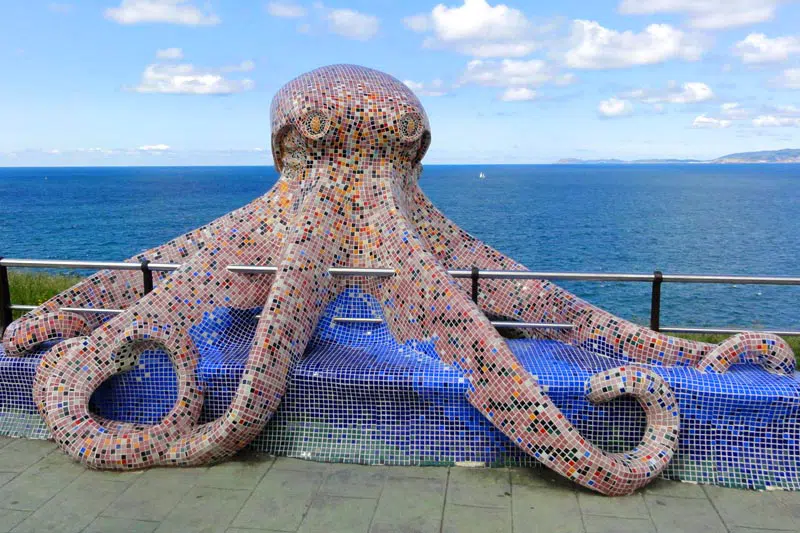
La Coruña is a city and municipality in Spain. It belongs to the autonomous region of Galicia and is the capital of the province. Important historic port is located on the north-western coast of the Iberian Peninsula, in the Rias Altas.
Located on the coast of the Atlantic Ocean, La Coruña is a city whose history has maintained close ties with its old fishing and commercial port. The peninsula on which the houses of the historic center are located, beyond the Tower of Hercules, one of the symbols of the city and declared a World Heritage Site by UNESCO, you will find a set of interesting and historic streets, squares and medieval churches.
Although the origin of the town may appear as an old Celtic settlement, the history of the city began to be important in Roman times, when the port became a fundamental structure for the country.
Historically, the port has been the scene of some of the most important historical events in the city, such as the defeat of the English corsair Francis Drake in 1589, thanks to the resistance of the entire population and led by the protagonist María Pita.
The Finisterrae Aquarium, the Domus and the Science Museum are some of the areas that show the most modern and playful side of the provincial capital, also offers one of the most beautiful and extensive beaches of Riazor and Orzán. All this is completed with a traditional cuisine, marked by the excellence of its fish and meats from the interior of the province. Gastronomic city par excellence, it has many good places to enjoy the exquisite Galician cuisine. Furthermore, you will find several establishments that offer excellent wine, normally concentrated in the old part of the city.
In its splendid, always lively streets, there are good examples of Romanesque architecture. One of the most beautiful churches in the city is undoubtedly that of Santiago, the oldest in the area, built in the 12th century. Its large nave of arches houses a polychrome sculpture of Saint James dating back to the 13th century. For its architectural interest, it has been declared a Historical-Artistic Monument.
Sit on a terrace in Plaza de María Pita and discover its fascinating history, stroll through the Cantons admiring its famous modern-style crystal galleries, and if you want to go shopping, this is certainly the best place.
Leixoes
Lisbon
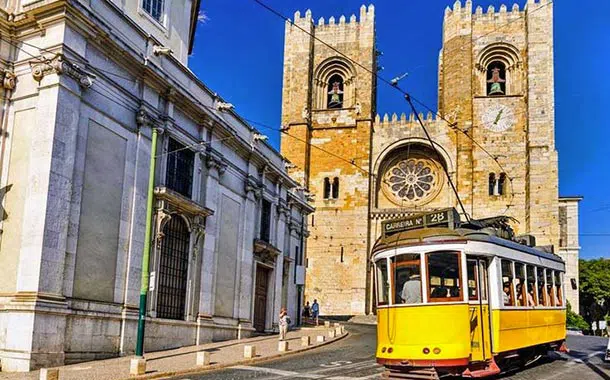
Perched on steep slopes overlooking the Tagus River, Lisbon offers all the pleasures you'd expect from Portugal's main attraction.
The capital of Portugal, Lisbon (in Portuguese Lisboa) has experienced a great rebirth in recent years, with a lively and flourishing contemporary culture. Perched on the coast of the Atlantic Ocean, Lisbon is one of the rare European cities that face the ocean and use water as an element that defines the city. Lisbon enchants travelers with its white limestone buildings, intimate alleys and an ancient charm that makes it a popular destination all year round.
Cadiz
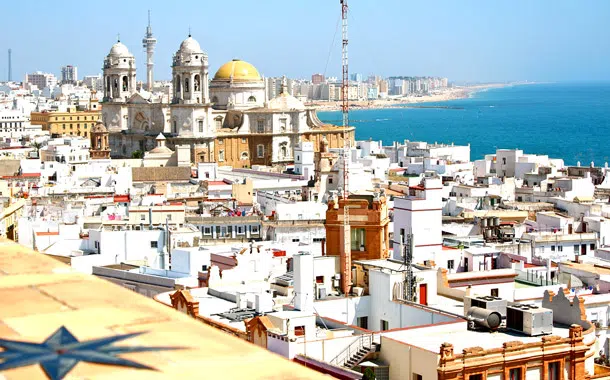
Cadiz is a port city with wide boulevards, squares and gardens with an atmosphere rich in history
Cadiz is an elegant city offering buildings dated back to XVIII and XIX Centuries. The City has a long and charming history: discover its monuments, the museums and all the amazing places where you can taste good food and have a drink. What makes Cadiz special it’s the people that are open, have a great culture and are independent. The majority of them enjoy life and the company of their friends in the many bars and squares of the city.
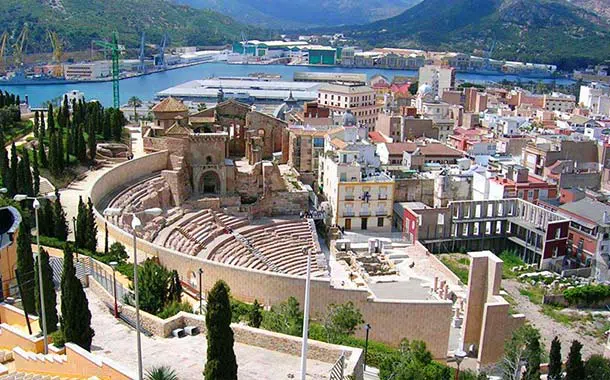
Cartagena
Carthage is a city with more than 2000 years of history. It was founded by the Carthaginian General Asdrubale in the years 227 B.C. and today is one of the most visited touristic cities in Spain.
If you visit its beautiful city center and monuments, you will immerse yourself in this unique atmosphere. The port of Cartagena, on the Mediterranean Costa Cálida, has been valued since the time of the Carthaginians. Thank to its strategic location along the Murcia coast, the city has been a meltingpot of different cultures and traces of their artistic heritage are still visible. Cartagena offers its visitors many activities, both cultural and leisure. Don't miss the ancient Roman theater with its thousand-year history and a huge site of archaeological excavations. You can also go trekking and diving, enjoy the excellent local cuisine, and visit churches and important museums. A holiday aboard a cruise offers the opportunity to visit this beautiful city and partecipate in one of these unique activities.
Carthage offers the tourists many activities, both cultural and for leisure. You cannot miss out the old Roman theatre with its thousand-year-old history and a huge archeological site. It is possible to practice trekking and immersions, taste excellent food of the local cuisine and visit Churchse and important Museums.
Civitavecchia
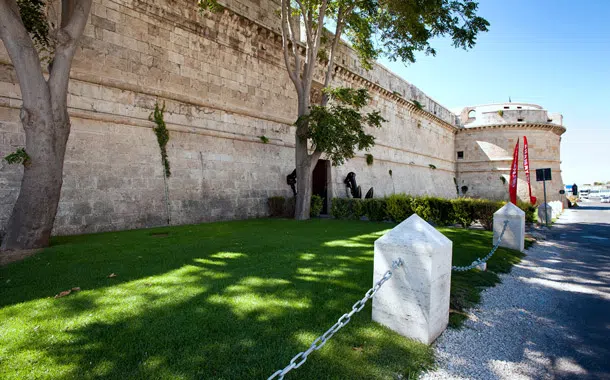
The port town of Civitavecchia is about an hour away from the Italian capital and is where ships will dock before bringing lucky holidaymakers into the city of Rome. It is an important port for cruise ships and ferries, connecting to Corsica, Sardinia and Barcelona. Civitavecchia is a town in the heart of Lazio. It is a small, sleepy town that overlooks the sea from behind the busy and chaotic commercial port.
Spreading out along the coast, the town is situated between the Mignon river to the north and the Marangone river to the south.
Civitavecchia is a port town in the heart of Italy, in the province of Rome, 80 kilometres northwest of the capital.
It is shrouded in art and history, and is rich in bays and coves with sandy and rocky beaches. Today the town is the departure point for many cruises and journeys around the Mediterranean. It is an excellent tourist destination where you can simply enjoy 'la dolce vita' or visit the amazing historical monuments. On a level with the majestic ancient capital, in terms of its monuments, gardens, villas and works of art, it also gives you easy access to the Tyrrhenian Sea, the Terme della Ficoncella, and the Etruscan ruins.
Civitavecchia will guarantee you an original and enchanting experience.
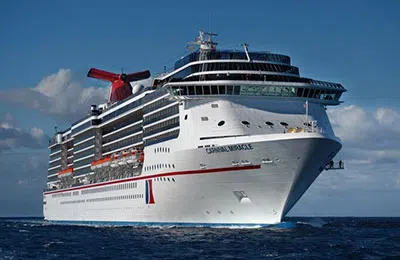
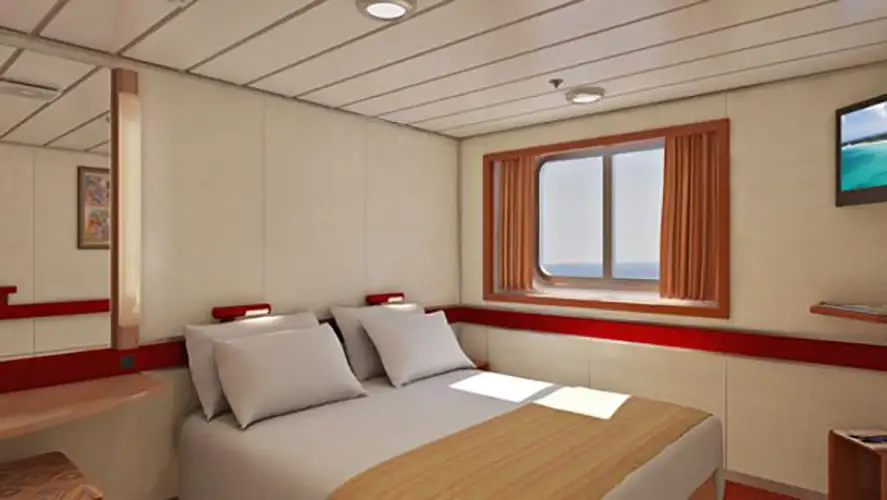
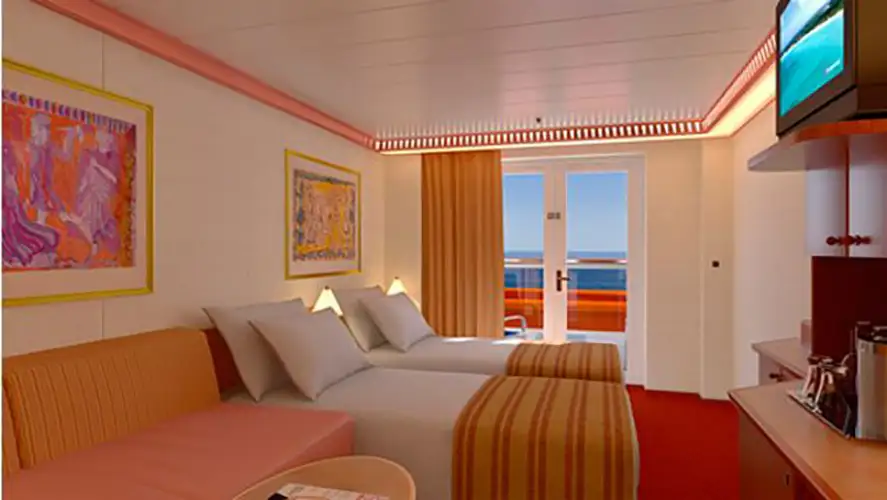
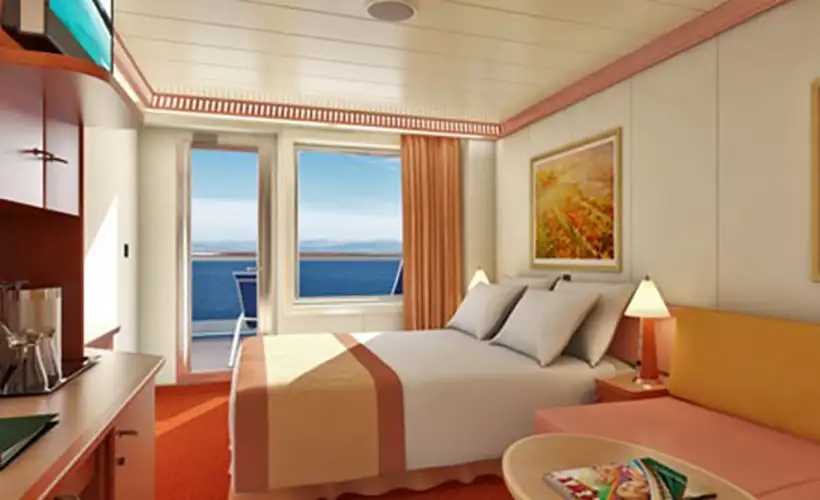
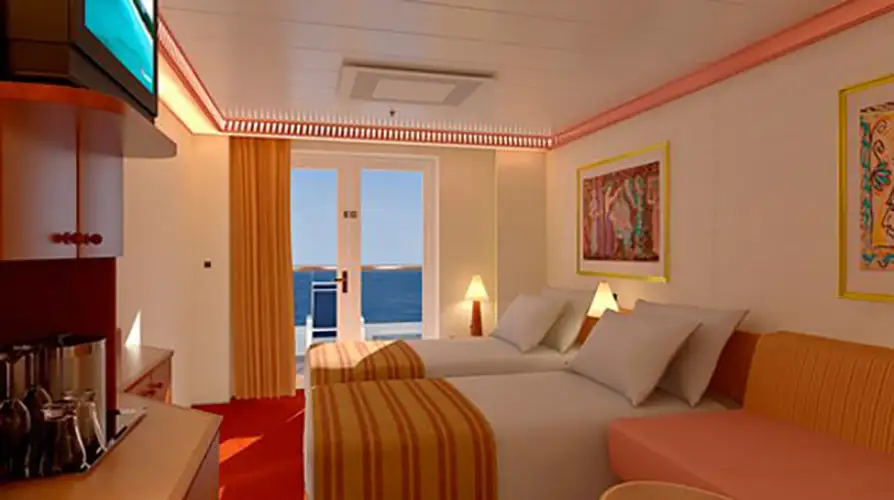
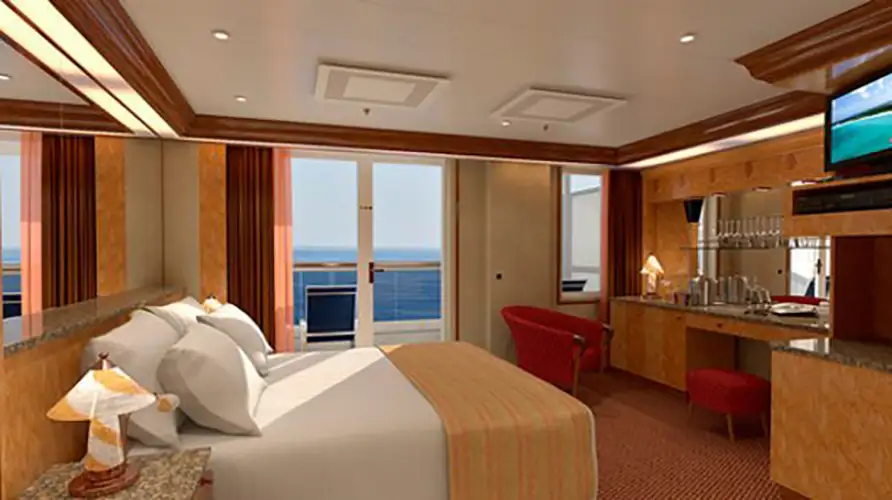
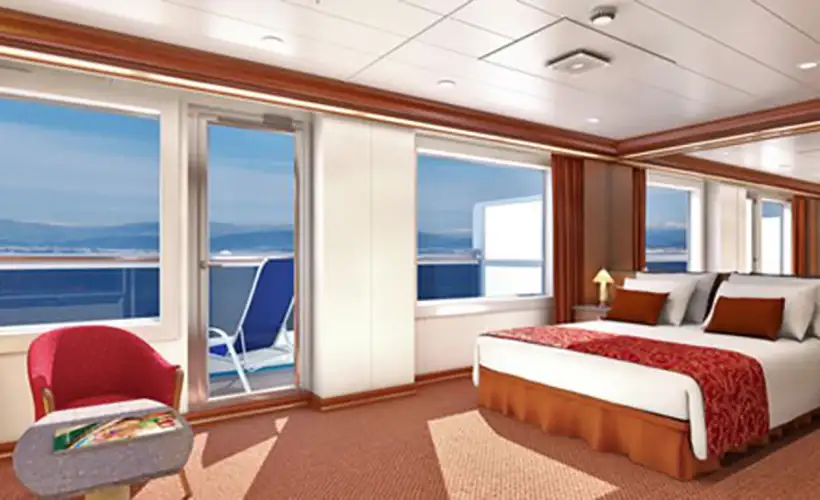
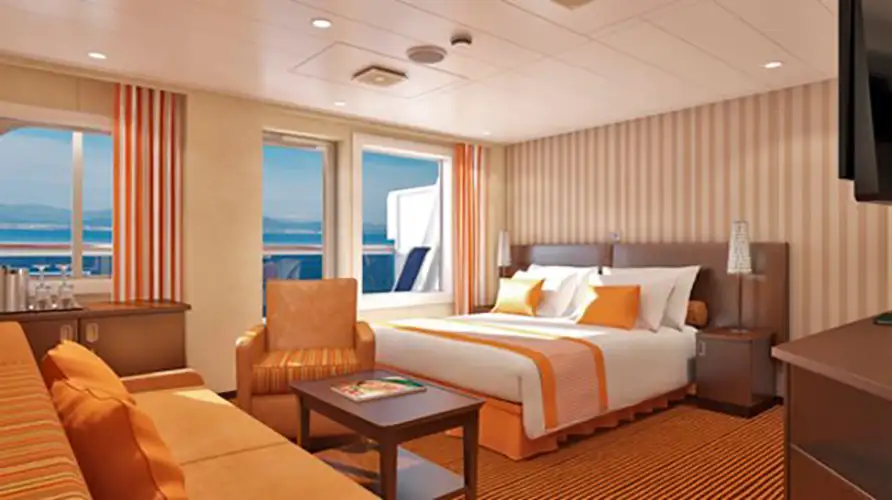
Info on the ship Carnival Miracle ®