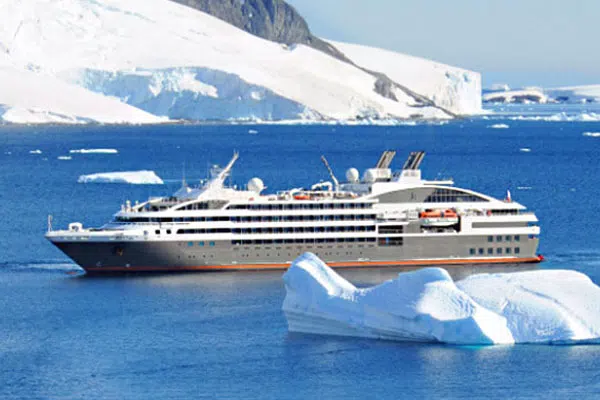
Ponant Northern Europe: 9 nights from Bordeaux with Le Borèal
Aug 15, 2027
France, Spain, Portugal


Cruise itinerary
Departure Port: Bordeaux ➞
Landing: Lisbon
-
 Sunday, August 15, 2027 - not foundBordeaux
-
Tuesday, August 17, 2027 not found - not foundSt. Jean De Luz
-
Wednesday, August 18, 2027 not found - not foundSantander
-
Thursday, August 19, 2027 not found - not foundAvilés
-
Friday, August 20, 2027 not found - not foundLa Coruna
-
Saturday, August 21, 2027 not found - not foundLa Coruna
-
Sunday, August 22, 2027 not found - not foundVigo
-
Monday, August 23, 2027 not found - not foundOporto
-
Tuesday, August 24, 2027 not foundLisbon
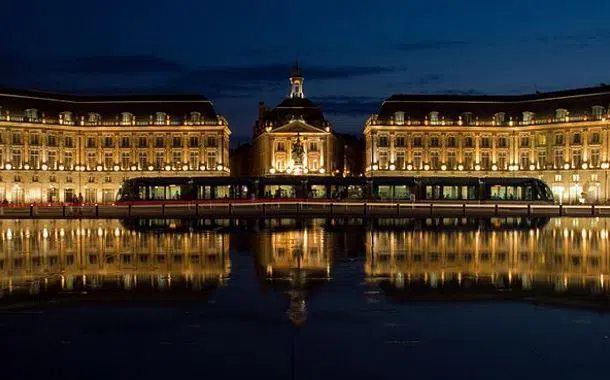
Bordeaux
Bordeaux is city on the Atlantic Ocean and its port hosts big ships. The city had initially the name Burdigala and was established in III Century B.C. by the Gallic people.
It was a neuralgic centre for the International commerce of tin and lead. After the arrival of the Romans, Bordeaux becomes one of the richest cities of Gallia and is robbed many times by populations such as Visigoths and Vandals. With the passing of time, the City starts economic relationships with England trading in salt and wine and, in XVI Century, also the colonial sugar and slaves start having a leading role in the sustenance of the city.
Bordeaux has a liveable city centre that can be visited by foot and that offers beautiful attractions and energy. At night, the city get crowded with young people filling up the main squares and the bars where you can taste excellent wines and plunge in the romantic atmosphere that the city assumes after the sunset. You can’t miss out Château de la Brède, a gothic style castle dated back to XIV Century, surrounded by a moat and an English garden. The philosopher Montesquieu lived here and tourists can visit his library and his bedroom that are just like they were in XIX Century.
We suggest to visit also the beautiful Saint Eloi Church. Established in XII Century, the construction and renovation works lasted until 1400’s. The current structure is dated back to this period. The church is one of the stop-overs of Santiago de Compostela walking tour and is part of UNESCO World Heritage. Bordeaux offers a wide variety of gastronomic and wine choices. There are many restaurants and bars where you can taste the best wines on the market and an amazing cuisine.
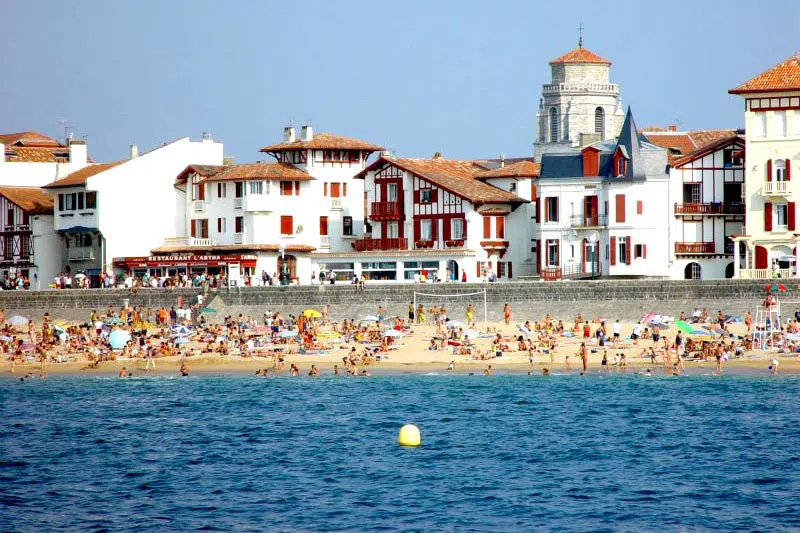
St. Jean De Luz
Santander
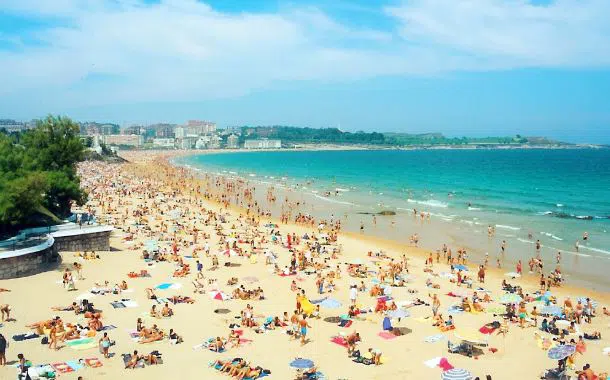
Santander is a Spanish port city, capital of Cantabria, located on the northern coast of the Iberian Peninsula. It is a welcoming and quiet coastal city, which became the main port for the export of Castilian wool from the seventeenth century.
The city is organized around a large natural harbor, originally used by the Roman Empire. The landscape environment is privileged by large green spaces and beautiful beaches widely crowded in summer, but practically deserted in the early days of the summer season (May and June), not far from the areas of Mataleñas, Sardinero and the Magdalena, where Alfonso XII of Bourbon, King of Spain, owned his summer residence.
Santander has preserved little of its historic center. Destroyed in 1941, caused by a fire that ruined a large portion of the territory, it was rebuilt thanks to an urban renewal process that changed a main part of the city's architecture.
The town has a great tradition and cultural activity, with important events that play a fundamental role in the patrimonial and social life of the city. The cuisine, in this country, is mainly based on fish. It offers a superb selection of seafood giving it great prestige throughout the peninsula.

Avilés
La Coruna
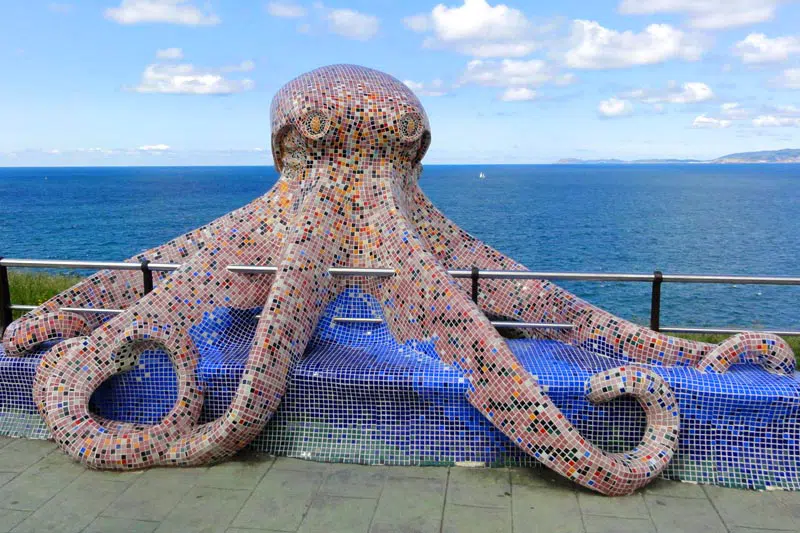
La Coruña is a city and municipality in Spain. It belongs to the autonomous region of Galicia and is the capital of the province. Important historic port is located on the north-western coast of the Iberian Peninsula, in the Rias Altas.
Located on the coast of the Atlantic Ocean, La Coruña is a city whose history has maintained close ties with its old fishing and commercial port. The peninsula on which the houses of the historic center are located, beyond the Tower of Hercules, one of the symbols of the city and declared a World Heritage Site by UNESCO, you will find a set of interesting and historic streets, squares and medieval churches.
Although the origin of the town may appear as an old Celtic settlement, the history of the city began to be important in Roman times, when the port became a fundamental structure for the country.
Historically, the port has been the scene of some of the most important historical events in the city, such as the defeat of the English corsair Francis Drake in 1589, thanks to the resistance of the entire population and led by the protagonist María Pita.
The Finisterrae Aquarium, the Domus and the Science Museum are some of the areas that show the most modern and playful side of the provincial capital, also offers one of the most beautiful and extensive beaches of Riazor and Orzán. All this is completed with a traditional cuisine, marked by the excellence of its fish and meats from the interior of the province. Gastronomic city par excellence, it has many good places to enjoy the exquisite Galician cuisine. Furthermore, you will find several establishments that offer excellent wine, normally concentrated in the old part of the city.
In its splendid, always lively streets, there are good examples of Romanesque architecture. One of the most beautiful churches in the city is undoubtedly that of Santiago, the oldest in the area, built in the 12th century. Its large nave of arches houses a polychrome sculpture of Saint James dating back to the 13th century. For its architectural interest, it has been declared a Historical-Artistic Monument.
Sit on a terrace in Plaza de María Pita and discover its fascinating history, stroll through the Cantons admiring its famous modern-style crystal galleries, and if you want to go shopping, this is certainly the best place.
La Coruna
La Coruña is a city and municipality in Spain. It belongs to the autonomous region of Galicia and is the capital of the province. Important historic port is located on the north-western coast of the Iberian Peninsula, in the Rias Altas.
Located on the coast of the Atlantic Ocean, La Coruña is a city whose history has maintained close ties with its old fishing and commercial port. The peninsula on which the houses of the historic center are located, beyond the Tower of Hercules, one of the symbols of the city and declared a World Heritage Site by UNESCO, you will find a set of interesting and historic streets, squares and medieval churches.
Although the origin of the town may appear as an old Celtic settlement, the history of the city began to be important in Roman times, when the port became a fundamental structure for the country.
Historically, the port has been the scene of some of the most important historical events in the city, such as the defeat of the English corsair Francis Drake in 1589, thanks to the resistance of the entire population and led by the protagonist María Pita.
The Finisterrae Aquarium, the Domus and the Science Museum are some of the areas that show the most modern and playful side of the provincial capital, also offers one of the most beautiful and extensive beaches of Riazor and Orzán. All this is completed with a traditional cuisine, marked by the excellence of its fish and meats from the interior of the province. Gastronomic city par excellence, it has many good places to enjoy the exquisite Galician cuisine. Furthermore, you will find several establishments that offer excellent wine, normally concentrated in the old part of the city.
In its splendid, always lively streets, there are good examples of Romanesque architecture. One of the most beautiful churches in the city is undoubtedly that of Santiago, the oldest in the area, built in the 12th century. Its large nave of arches houses a polychrome sculpture of Saint James dating back to the 13th century. For its architectural interest, it has been declared a Historical-Artistic Monument.
Sit on a terrace in Plaza de María Pita and discover its fascinating history, stroll through the Cantons admiring its famous modern-style crystal galleries, and if you want to go shopping, this is certainly the best place.
Vigo
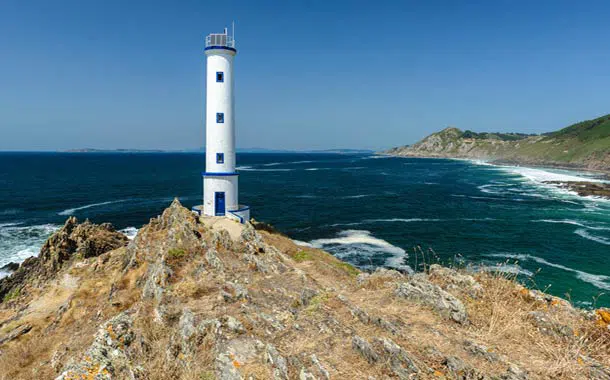
Spanish Atlantic Adventures from Vigo!Set sail on a captivating cruise from Vigo, Spain, a vibrant port city in Galicia, known for its stunning Rías Baixas, fresh seafood, and rich maritime history. Vigo offers a picturesque departure point for exploring the rugged beauty of the Galician coast, the Portuguese coastline, and Atlantic routes. Experience its lively atmosphere and culinary delights before embarking on a journey filled with historical discoveries and breathtaking ocean views.
Oporto
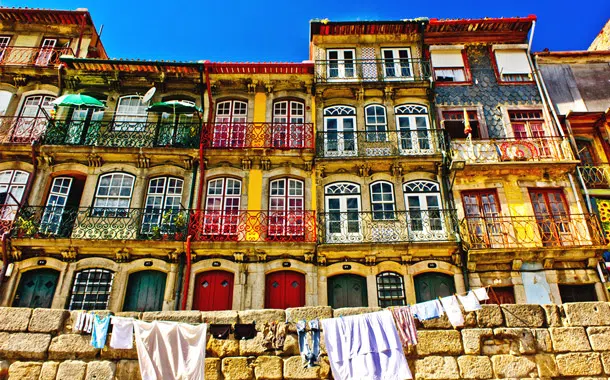
At the mouth of the Rio Douro, the hilly city of Porto presents a mix of styles, eras and attitudes: narrow medieval alleys, extravagant Baroque churches, small squares and wide avenues, flanked by stately buildings.
The heart of Oporto is the Ribeira district, an area declared a UNESCO World Heritage Site made up of winding alleys, zigzagging stairs and churches on every corner, village-style squares and old merchants' houses where Roman ruins are hidden under the foundations. In the last two decades Porto has undergone a remarkable rebirth – which is expressed in the buzz of its efficient metro system and the shimmering of some ambitious urban renewal projects. The crowning of the city's glories are the two latest masterpieces, Museu de Arte Contemporânea by Álvaro Siza Vieira and the 'Casa da Música, which have transformed the city into a place of pilgrimage for architecture enthusiasts.
The Dom Luís I bridge an audacious iron arch, which crosses the Douro river, is impressive and not to be missed. It was built by the Belgian engineer Théophile Seyrig, for road traffic. Since 2003 the upper level has been used exclusively by the city's metro trams.
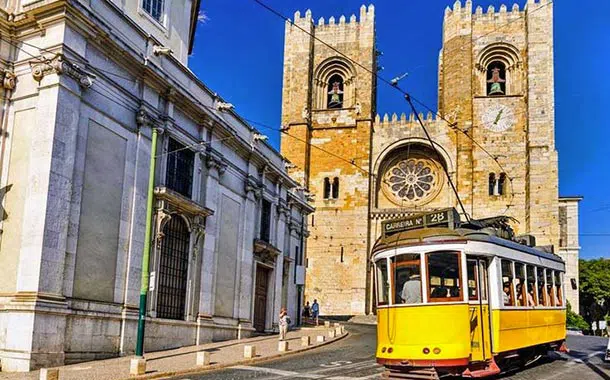
Lisbon
Perched on steep slopes overlooking the Tagus River, Lisbon offers all the pleasures you'd expect from Portugal's main attraction.
The capital of Portugal, Lisbon (in Portuguese Lisboa) has experienced a great rebirth in recent years, with a lively and flourishing contemporary culture. Perched on the coast of the Atlantic Ocean, Lisbon is one of the rare European cities that face the ocean and use water as an element that defines the city. Lisbon enchants travelers with its white limestone buildings, intimate alleys and an ancient charm that makes it a popular destination all year round.
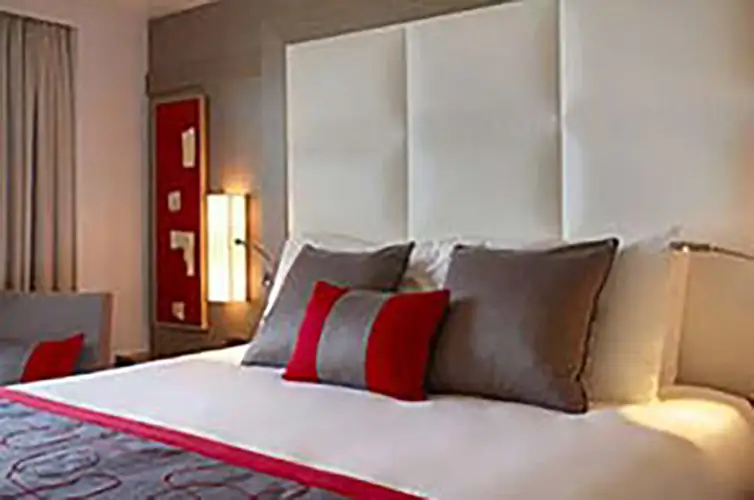
Info on the ship Le Borèal