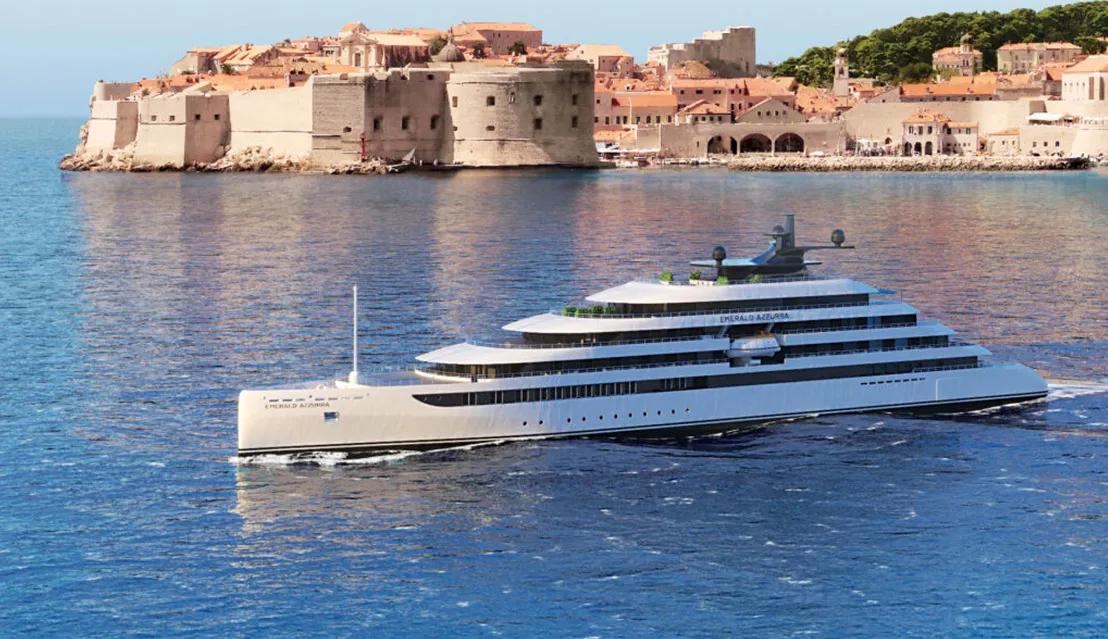
Emerald Cruises Mediterranean: 17 nights from Cannes with Emerald Azzurra
Apr 25, 2026
France, Monaco, Italy, Malta, Greece


Cruise itinerary
Departure Port: Cannes ➞
Landing: Athens
-
 Saturday, April 25, 2026 - not foundCannes
-
Sunday, April 26, 2026 not found - not foundMontecarlo
-
Monday, April 27, 2026 not found - not foundSanta Margherita
-
Tuesday, April 28, 2026 not found - not foundPortovenere
-
Wednesday, April 29, 2026 not found - not foundMarina di Carrara
-
Thursday, April 30, 2026 not found - not foundLivorno
-
Friday, May 1, 2026 not found - not foundCalvi
-
Saturday, May 2, 2026 not found - not foundCivitavecchia
-
Sunday, May 3, 2026 not found - not foundPositano
-
Monday, May 4, 2026 not found - not foundSorrento
-
Tuesday, May 5, 2026 not found - not foundCapri
-
Wednesday, May 6, 2026 not found - not foundSyracuse
-
Thursday, May 7, 2026 not found - not foundValletta
-
 Friday, May 8, 2026Navigation
 -
Saturday, May 9, 2026Navigation
-
Sunday, May 10, 2026 not found - not foundParos
-
Monday, May 11, 2026 not found - not foundHydra
-
Tuesday, May 12, 2026 not foundAthens
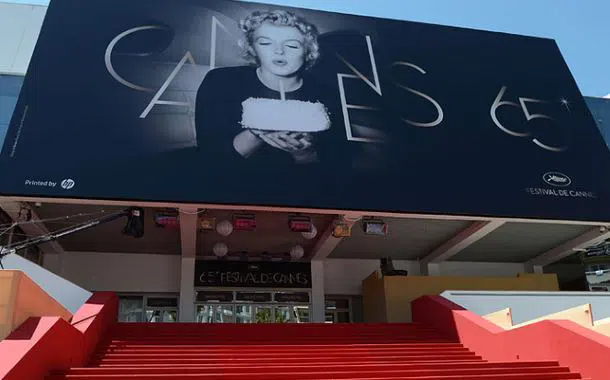
Cannes
Cannes is famous all over the world as the capital of cinema and it is the city of the movies stars and luxury. It is positioned between Nice and Antibes and offers a wide variety of touristic and cultural activities.
Cannes is also known for its beautiful beaches, its rich architecture, its mysteries and the history that confer the city a peculiar identity.
Cannes is in Côte d'Azur, on the Maritime Alps at a few kilometres far from Mandelieu la Napoule and close to the protected Esterel, known for its red rocks. On the east side there are Nice and Monaco and 60 kilometres far from the Italian boundary, there are Ventimiglia and Sanremo. On the upland of Cannes there is the city of Grasse, world capital of perfume.
In origin, the port of Cannes was positioned over a swamp. During the Middle Age, fishermen and monks settled down near Le Suquet and on Lérins Islands. In the XIX Century, the city started to spread its name. Lord Henry Brougham and Vaux, Chancellor of England, decided to settle in Cannes and started building sumptuous residences, drawing the attention of the aristocracy of all Europe. Cannes became rapidly a prestigious place known all over the world. From the castle on the top of a hill, you can enjoy a breath-taking view of the port. You can also find Castra Tower and a church dedicated to fishermen and sailors.
You cannot talk about Cannes without mentioning the famous Film Festival and the Palm d’Or, authentic symbol of the city. The Festival was launched in 1946 and it is one of the most famous cinematographic events in the world. The Festival takes place in the Palais des Festivals, at the end of the Boulevard de la Croisette.
The Film Festival, though, is not the only important event in Cannes. Other events give the rhythm to the life of the city, such as MIDEM MIPCOM, important for the music and television world. Also the International Festival of Pyrotechnic Arts, the International Festival of Game, the International Festival of Ballet and many more.
The best way to discover the beauty of Côte d'Azur and the surrounding area is a holiday in Cannes.
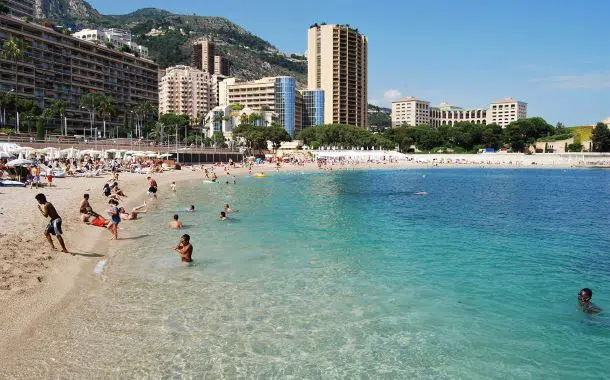
Montecarlo
Monte Carlo (in French Monte-Carlo, in Monegasque Monte-Carlu), sometimes referred to as Montecarlo, is the central part of the city-state of the Principality of Monaco, and constitutes one of its four traditional districts. Monte Carlo is known for its casino, beaches, skyscrapers, fashion, and for being the chosen residence of several famous personalities.
The Monte-Carlo district is bordered to the northeast by the Larvotto and La Rousse / Saint Romain districts, to the northwest by the La Condamine and Saint Michel districts, and to the north by France, now forming a single urban agglomeration with the French commune of Beausoleil.
Montecarlo is known for its casino, beaches, skyscrapers, fashion and for being elected as a place of residence by several famous people.
The Monte-Carlo district borders the Larvotto and La Rousse / Saint Romain districts to the north-east, the La Condamine and Saint Michel districts to the north-west and France to the north, now constituting a single urban agglomeration with the French municipality of Beausoleil.
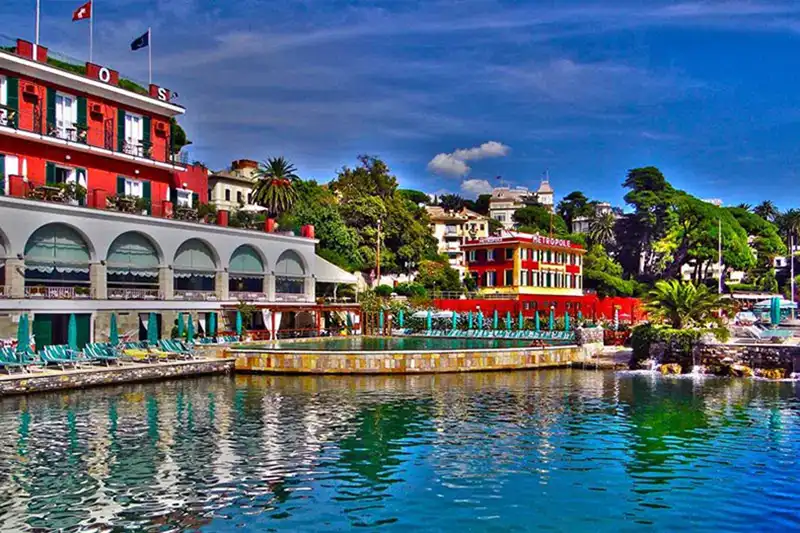
Santa Margherita
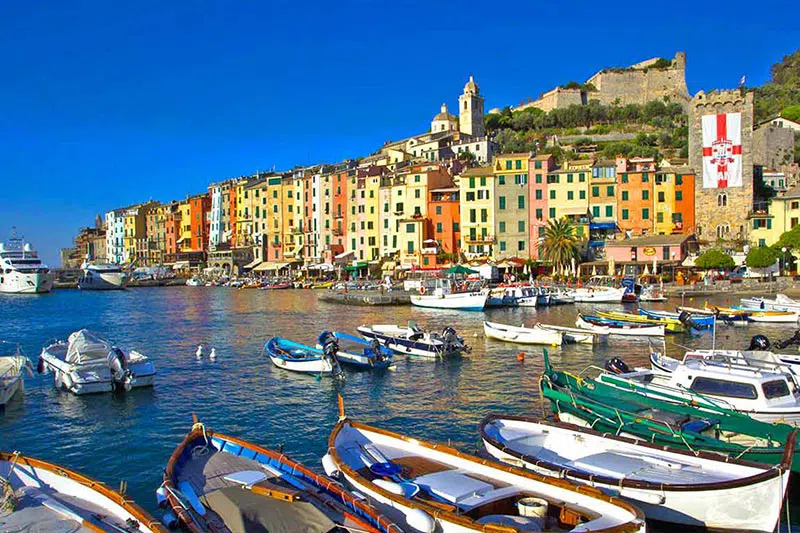
Portovenere
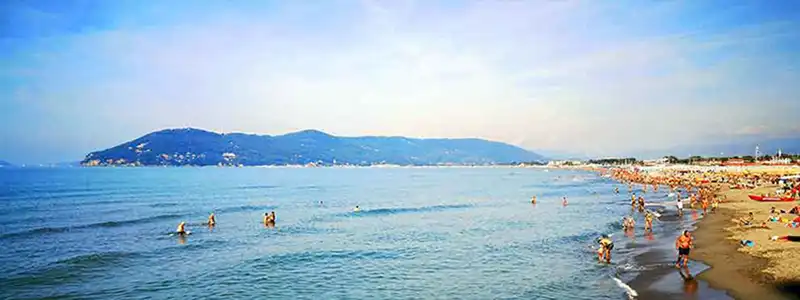
Marina di Carrara
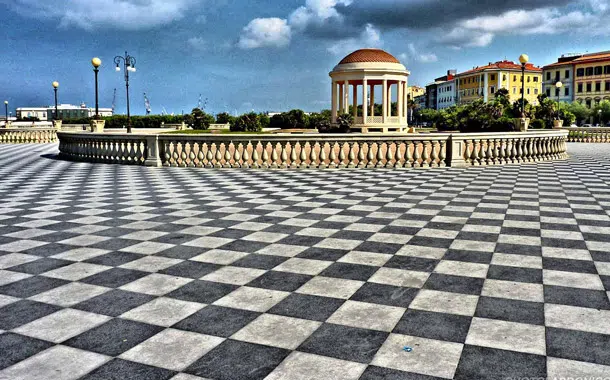
Livorno
Discover all Cruises that depart from Livorno. We have Last Minute cruises and departures on offer from Livorno to discover the treasures of the Mediterranean on board the most beautiful ships of the Best Companies, discover them all and do not forget to visit this fascinating port city in Tuscany before your cruise. In 1571 Cosimo Grand Duke of Tuscany asked his architects to transform a small port at the mouth of the Arno River into an ideal Renaissance city: that is the history of Livorno!
Then, the status of Free Port was given to the city and thanks to this, the city was considered as a thriving international trading center. Livorno today is a modern port city renowned for its industrial activity, both chemical and metallurgical. Its port, along with those of Genoa and Naples, is one of the most important in Italy. Livorno stretches out over the Ligurian Sea across very long beaches of fine sand, and its cuisine reflects this union with the sea.
Its most famous and traditional dishes are seafood dishes such as Caciucco or Triglie alla Livornese. Beyond its port, Livorno is a wonderful city where you can also enjoy typical products such as castagnaccio, chickpea flour cakes or vegetable and legume soups or the typical Panzanella. The relationship with the sea and the marine environment is also found in the Livorno Aquarium, located inside the Terrazza Mascagni. We recommend walking on this particular street facing the sea, all in black and white squares that offer surprising geometries that will make all lovers of photography fall in love.
Many companies choose to embark and disembark passengers in the Port of Livorno, and even more make stops in this city, which is often a starting point for visiting nearby Florence. Florence is about 90Km from Livorno and it is one of Italy's most beautiful cities of art. Museums, sculptures, historic buildings make this city the artistic center of Tuscany. Do not miss a walk on the famous Ponte Vecchio over the Arno River or a visit to the Basilica of Santa Croce.
Livorno: Tuscany's Coastal Gateway to Mediterranean WondersSet sail from Livorno, Tuscany's bustling port city, and embark on an unforgettable Mediterranean adventure. While often seen as the gateway to Florence and Pisa, Livorno itself offers a unique charm with its canals, historic fortresses, and vibrant central market. Before stepping aboard your cruise, explore its rich maritime heritage, enjoy fresh seafood, and soak in the authentic Tuscan atmosphere. Livorno provides a perfect blend of culture and convenience, making it an ideal starting point for your voyage.
Discover the Mediterranean from Livorno's ShoresCruises departing from Livorno open up a world of possibilities across the sparkling blue waters of the Mediterranean. Whether you dream of the sun-drenched coasts of France, the historical richness of Spain, the ancient allure of Greece, or the exotic shores of North Africa, Livorno serves as an excellent launchpad. Enjoy the seamless transition from the vibrant Tuscan coast to the luxurious comfort of your cruise ship, ready for days filled with relaxation, exploration, and unforgettable moments. Each voyage from Livorno promises breathtaking scenery and cultural immersion, leaving you with cherished memories.
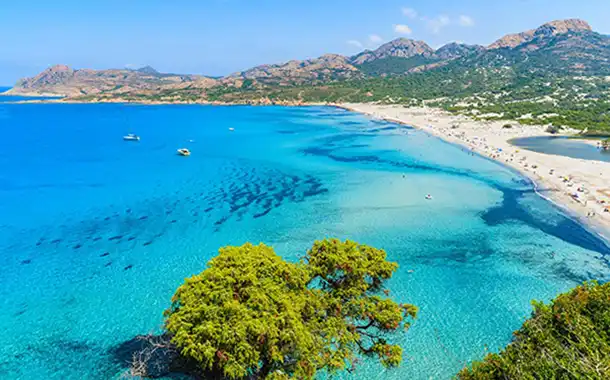
Calvi
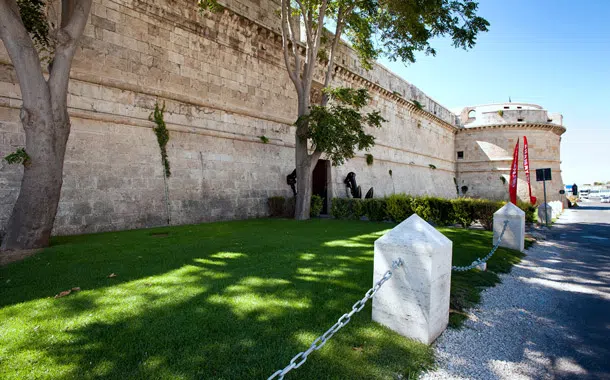
Civitavecchia
The port town of Civitavecchia is about an hour away from the Italian capital and is where ships will dock before bringing lucky holidaymakers into the city of Rome. It is an important port for cruise ships and ferries, connecting to Corsica, Sardinia and Barcelona. Civitavecchia is a town in the heart of Lazio. It is a small, sleepy town that overlooks the sea from behind the busy and chaotic commercial port.
Spreading out along the coast, the town is situated between the Mignon river to the north and the Marangone river to the south.
Civitavecchia is a port town in the heart of Italy, in the province of Rome, 80 kilometres northwest of the capital.
It is shrouded in art and history, and is rich in bays and coves with sandy and rocky beaches. Today the town is the departure point for many cruises and journeys around the Mediterranean. It is an excellent tourist destination where you can simply enjoy 'la dolce vita' or visit the amazing historical monuments. On a level with the majestic ancient capital, in terms of its monuments, gardens, villas and works of art, it also gives you easy access to the Tyrrhenian Sea, the Terme della Ficoncella, and the Etruscan ruins.
Civitavecchia will guarantee you an original and enchanting experience.
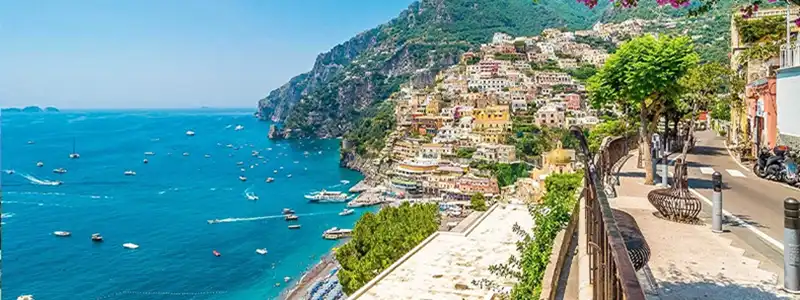
Positano
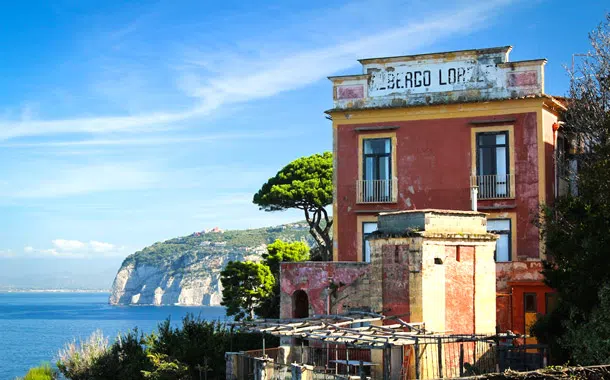
Sorrento
According to a Greek legend, it was in the waters of Sorrento that the mythical Sirens once lived. Like them, this location is able to bewitch its visitors.
Dating back to Greek times, Sorrento's strong point is its fabulous location. Straddling cliffs overlooking the Gulf of Naples and Vesuvius, it is ideally located for exploring the surrounding areas: the best of the uncontaminated countryside, the Amalfi Coast, Pompeii and the archaeological sites and the fabulous island of Capri.
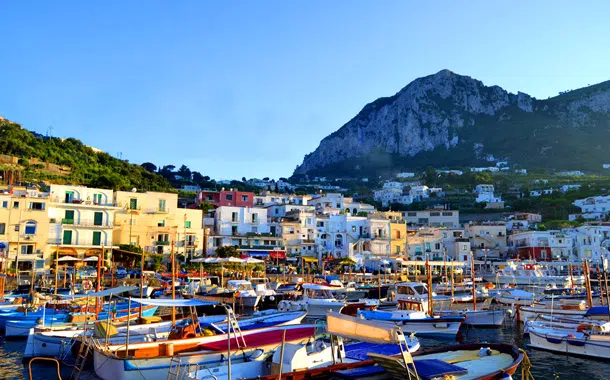
Capri
The island of Capri is one of the favorite destinations for international tourism. It is located 17 miles south of Naples and 3 miles from the Sorrento Peninsula. Famous for its natural beauty, its millennia-old history, the mild climate and the luminous landscape.
Capri is something never seen before!
A location known since ancient times in Roman times for its beauty. With the sweet scent of citrus flowers that follows you everywhere. The flora, one of the richest in Italy, gives the island a smiling appearance, even during the cold seasons. In the same way, wildlife is present with many marine species that enrich the seabed. A cocktail expertly mixed for millennia of history based on fresh coffee, Roman ruins and splendid marine landscapes. Explore Capri beyond the fashion boutiques and you will discover traditional trattorias and an authentic hinterland that preserves an uncontaminated rural charm with villas, vegetable gardens and bougainvillea in bright colors. The luminescent Blue Grotto, the imposing Faraglioni and the Palazzo al mare are among the most visited sites.
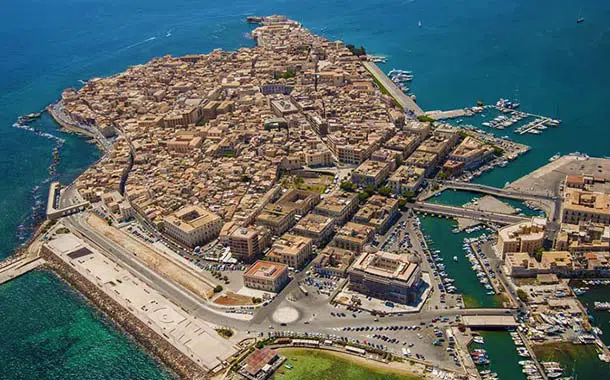
Syracuse
Syracuse is an ancient city in the Mediterranean and Europe.
Its vast archaeological site, on the edge of the modern city, is a rare treasure of temples, amphitheaters and an ancient castle.
The island of Ortigia, a labyrinth of fascinating ancient and medieval streets, allows a holiday of sightseeing and shopping.
Syracuse was a center of Greek, Byzantine and Jewish civilization. Testimonies of these three cultures can still be seen today,
making Ortygia a fascinating place to visit for anyone curious about the historical heritage we have inherited from classical mythology,
ancient Christianity and medieval Judaism.
Located near the southeastern corner of Sicily on the Ionian coast, Syracuse is built on an ancient Greek settlement founded by the Corinthians in 734 BC.
More than any other modern city in Sicily, Syracuse manifests a visible continuity from its ancient Greek past, both historical and mythological.
Valletta
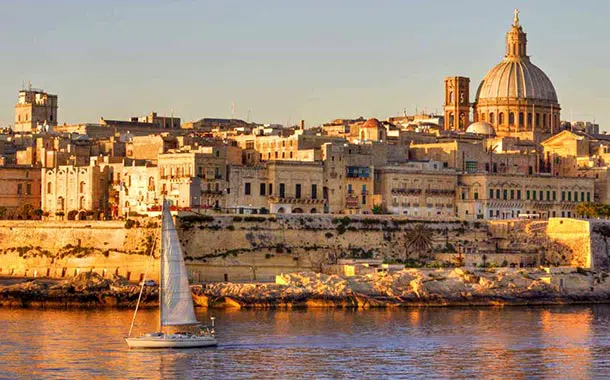
Malta is one the smallest States in the Mediterranean. Few European countries have such a concentration of history, architecture and, beautiful beaches in such a small area. Malta is one of the most concentrated areas of historical interest anywhere in the world, for this reason it was called La Valletta when Unesco awarded it the title of World Heritage Site. The city is therefore the ideal city for art lovers and it is renowned for its massive fortifications and architectural excellence.One of the most concentrated areas of historical interest elements in the world, so La Valletta was described when Unesco awarded it the title of world heritage site, the city is therefore a guarantee for art lovers and certainly renowned for its massive fortifications and architectural excellence.
Paros
Hydra
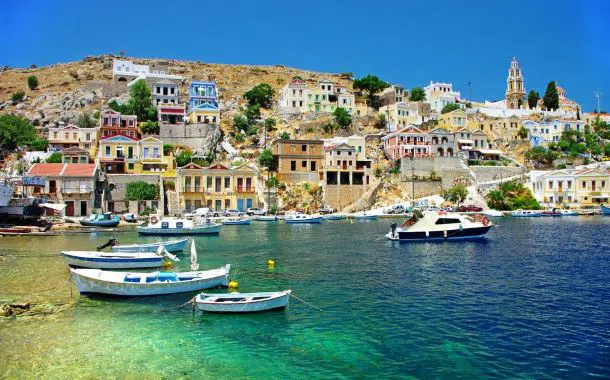
The city of Hydra, also known as the city of the Gods, has a harbor full of charm, it is certainly one of the most beautiful in Greece.
Hydra is one of the islands of the Saronic Gulf south of Athens in front of the Argolis peninsula. It is considered the most cosmopolitan of all of Greece. Although it has an active nightlife, it remains quiet as cars and motorcycles are not allowed on the island, donkeys are often considered the only means of locomotion present in the place. It is thought that it was the place where Hercules killed Hydra, the mythological monster, giving rise to the name of the island.
From the 17th century it began to be one of the major naval powers of the Mediterranean. Its owners and its ships (185 at the time), played a fundamental role during the Greek war of independence against the Turks and Ottomans (1821-1827).
The capital preserves the beauty of the island, the general configuration of its urban planning and the architecture of each building is a work of art. You can immediately notice the large fortified buildings where the influence of the West is significant.
Many of its buildings date back to the 18th century, and it is built around the port. Here you can visit numerous art galleries, the churches of St. Constantine, the bell tower of the Virgin Mary, and that of St. John.
There are many monasteries on the island open to visitors. Appropriate clothing will be required to enter: long skirts and covered shoulders for women, long trousers for men. The monastery of Ag. Efpraxia and the monastery of the Prophet Elias, both located on Mount Eros including a breathtaking panorama.
There are beautiful beaches with easy access. These beaches are particularly beautiful in the morning and late afternoon and are not crowded. It is a romantic city, where many painters and photographers have been inspired by the landscapes of Hydra.
Athens
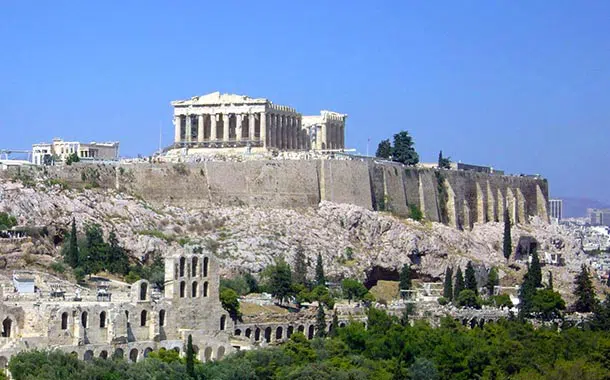
For many, Athens is a city lived two thousand five hundred years ago. Symbol is the mighty Acropolis which dominates almost every view and itinerary of every visitor, crowned by the iconic Parthenon, stands above the city, watching the sprawling modern metropolis in evolution.
Athens, the capital of Greece, is a city where antiquity and modernity, history and contemporary culture blend in a unique way. Everyone knows that the name of the city derives from the ancient Greek goddess of wisdom and justice. However, few people actually know the legend behind this event. According to myth, Athena and Poseidon, the God of the seas, vied for the right to name the city. Poseidon, to impress the inhabitants, gave them water, while Athena gave them an olive branch.
At first the choice fell on Poseidon, since the citizens considered water the most precious gift. When, once they tasted the water, they discovered that it was salty and not drinkable, they changed their minds and recognized Athena as their patron. One of the most famous historical sites in the city is the Acropolis, a majestic hill topped by ancient Doric temples, including the Parthenon, built in 477 BC. and the Erechtheion, built between 421 and 406 BC. Climbing the Acropolis, tourists can enjoy a breathtaking view of the city and the Aegean Sea. However, Athens is not only history, but also a lively cultural capital. In the Plaka district, located at the foot of the Acropolis, it is possible to stroll through the welcoming streets, visit the traditional Greek taverns and enjoy the authentic atmosphere.
Then there are the numerous cultural activities offered by the numerous museums, galleries and theaters present in the city. Athens is an important port for cruise ships that offer trips to the Mediterranean and beyond. Cruises from Athens allow guests to explore the rich cultural heritage of Greece, including the islands of Crete, Santorini and Mykonos, where you can admire the crystal clear waters of the Aegean Sea and a coast of white houses.
In addition to the Greek islands, cruises from Athens also offer the opportunity to visit other exciting Mediterranean destinations, including historic cities in Italy, Croatia and Turkey. Athens is therefore not only the historical and cultural center of Greece, but also an important starting point for cruises in the Mediterranean, which offers guests the opportunity to immerse themselves in the great history and splendid landscapes of this unique region.
Many still think of Athens as an ancient city that thrived two and a half thousand years ago. Its symbol is the mighty Acropolis, which dominates almost every view and the itinerary of every visitor, and it is crowned by the iconic Parthenon, which rises above the city, overlooking the sprawling and evolving modern metropolis.
Perhaps the most significant change is in the historical centre, which is almost unrecognisable since cars have been banned. This has liberated the area with the most significant archaeological sites, creating the longest, and undoubtedly one of the most splendid, pedestrianised zones in Europe. This huge archaeological park has brought past and present together, returning the cultural and social life of the city to the area around the ancient monuments and surrounding neighbourhoods.
Athens remains a city of contradictions; it is both frustrating and seductive. It is the oldest city in Europe, yet still in a state of transition. It is one of the safest and most vibrant European cities - an intoxicating mix of grunge and grace with an undeniably urban soul.
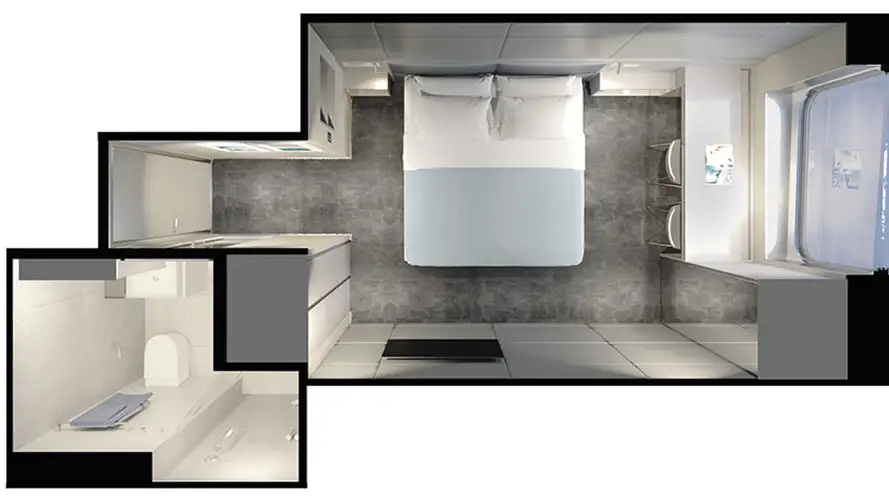
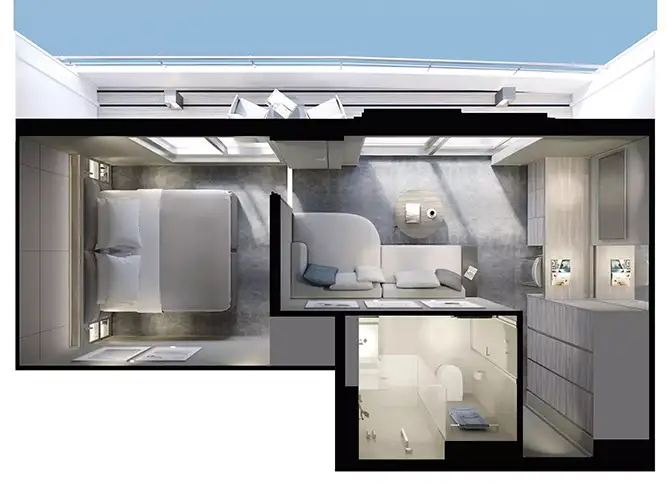
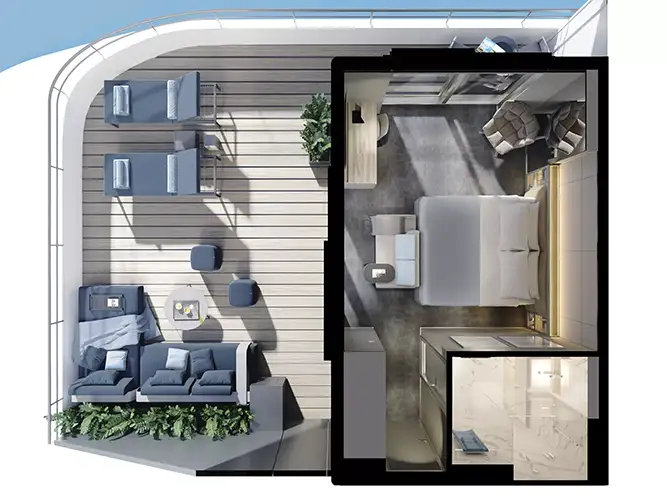
Info on the ship Emerald Azzurra