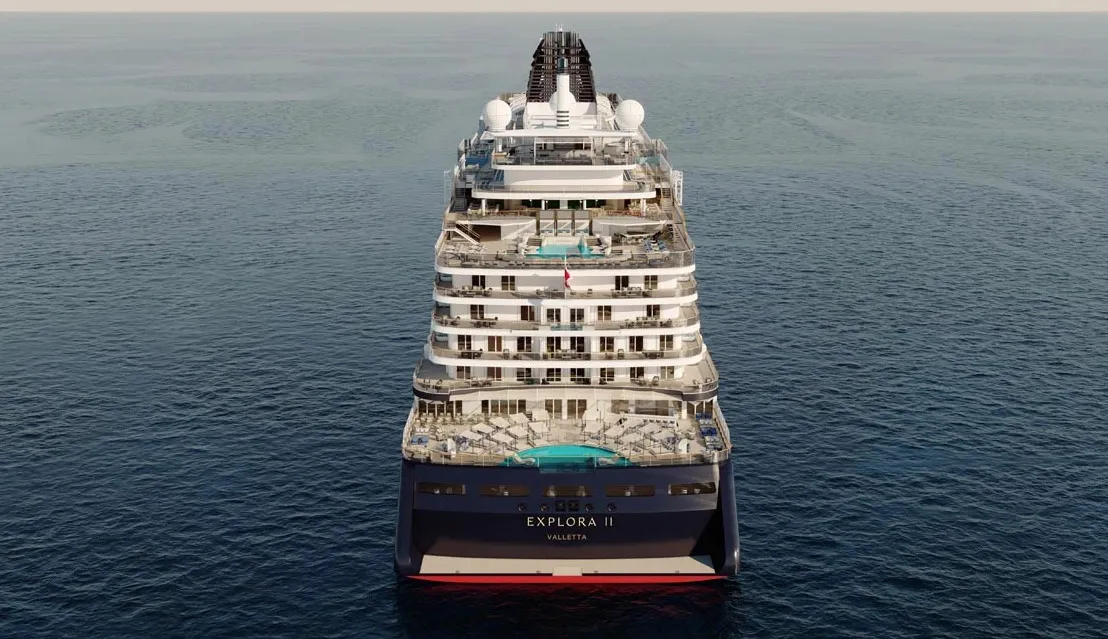
Explora Journeys Mediterranean: 9 nights from Il Pireo with Explora II
Oct 18, 2027
Greece, Turkey, Montenegro, Croatia, Italy


Cruise itinerary
Departure Port: Il Pireo ➞
Landing: Venice
-
 Monday, October 18, 2027 - 8:00 PMIl Pireo
-
 Tuesday, October 19, 2027Navigation
 -
Wednesday, October 20, 2027 8:00 AM - not foundIstanbul
-
Thursday, October 21, 2027 not found - 2:00 AMIstanbul
-
Friday, October 22, 2027 9:00 AM - 6:00 PMSyros
-
Saturday, October 23, 2027Navigation
-
Sunday, October 24, 2027 9:00 AM - 6:00 PMKotor
-
Monday, October 25, 2027 8:00 AM - 6:00 PMSplit
-
Tuesday, October 26, 2027 8:00 AM - 8:00 PMSkopelos
-
Wednesday, October 27, 2027 8:00 AMVenice

Il Pireo
Explore Ancient Greece from Piraeus (Il Pireo)!Embark on a legendary cruise from Piraeus, the historic port of Athens, Greece. This bustling gateway to the Aegean Sea offers immediate access to the ancient wonders of the Acropolis, Parthenon, and countless archaeological sites. Immerse yourself in the cradle of Western civilization before setting sail on a journey to the sun-drenched Greek Islands and beyond, promising a voyage rich in history, culture, and breathtaking beauty.
Istanbul
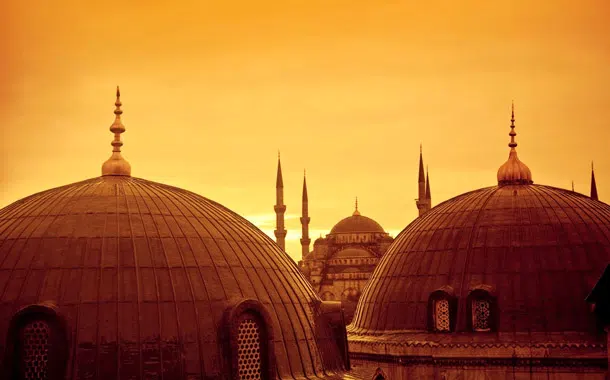
An incredible city, huge, vibrant like few others in the world. Where two continents meet, culture and diversity thrive in a unique architectural setting. Istanbul is hot,and we aren’t talking about the weather. These days there are more restaurants,bars,galleries and clubs around the city than Ottoman mosques(which is not a small feat).
The international fashion and design press has talked about Istanbul to the point of exhaustion; the sense of age that fell over the city once the Ottoman empire disappeared, has been replaced by a sense of energy and innovation not seen since the times of Suleiman the Magnificent.
Istanbul
An incredible city, huge, vibrant like few others in the world. Where two continents meet, culture and diversity thrive in a unique architectural setting. Istanbul is hot,and we aren’t talking about the weather. These days there are more restaurants,bars,galleries and clubs around the city than Ottoman mosques(which is not a small feat).
The international fashion and design press has talked about Istanbul to the point of exhaustion; the sense of age that fell over the city once the Ottoman empire disappeared, has been replaced by a sense of energy and innovation not seen since the times of Suleiman the Magnificent.
Syros
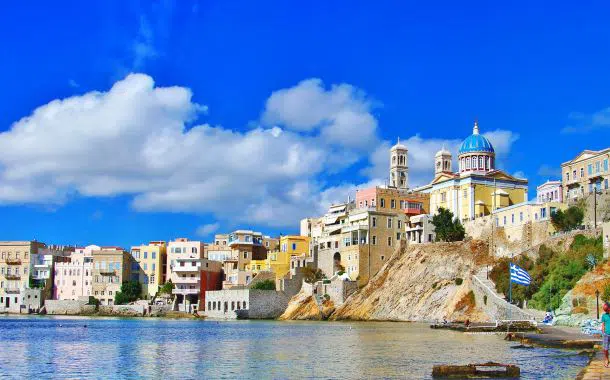
Built by the Venetians in the early 13th century on the hill of San Giorgio, Syro preserves a particularly medieval atmosphere. Countless passages between narrow streets and houses with colored doors lead to the top of the city. In addition to its urban and cultural life, Syro offers several beaches, such as those of Azolimnos and Galissas, made up of golden sand and transparent waters.
The small Siro is located in the central part of the Cyclades islands, in the waters of the Aegean Sea. It is characterized by the variety of its landscapes and Venetian architecture, the northern part is mountainous, while the interior alternates between low hills and cultivated fields. The coast is 87 km long and winds between headlands and large beaches, such as that of Ermopoli to the east and Finikas to the west. The architecture of Siro, although sharing the Cycladic characteristics, derives from the Venetian domination of the island and the rest of the Cyclades. During the Venetian occupation, the majority of the population converted to Catholicism, so Siro preserved, at the time, a significant percentage of Catholics compared to the rest of Greece, mostly Orthodox. During the Greek War of Independence in 1821, the island of Syro remained neutral under French protection, welcoming a large number of Greek refugees from all over the world to escape the horrors of the war. That mass of refugees managed to make the economy and culture of the island's capital flourish, becoming the commercial and cultural center of Greece. Today Ermopoli, queen of the Cyclades, is the capital and main port of Siro. The port rises on a natural amphitheater and is characterized by its neoclassical buildings and white houses. Among the most important buildings are: the imposing town hall (built in 1889 by Ernst Ziller) and the Apollo Municipal Theatre (in 1864), considered a miniature copy of the Teatro alla Scala in Milan. The island has 17 villages, all to be discovered. Also called the Manchester of Greece, the city has some important religious monuments such as the churches of Metamorfosis tou Sotiros, Agios Nikolaos, Ploussio and Kimisis tis Theotokou. Do not miss the Catholic community with the cathedral of San Jorge and the Vaporia district which highlights the large churches and neoclassical buildings. The Archaeological Museum and its Library has a remarkable collection of artifacts, containing numerous interesting and truly rare editions.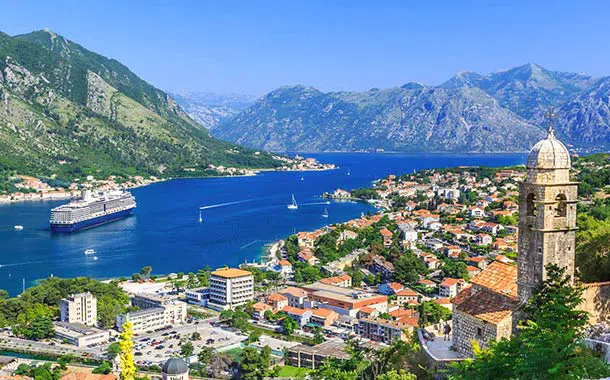
Kotor
The Adriatic Sea penetrates the jagged coast of Montenegro and winds between high mountains until it meets the exquisite and walled medieval city of Kotor.
Along the Adriatic coast of the former Yugoslavia, we find one of the most unique and fascinating European coastal areas, the city hidden in Montenegro, Kotor.
Located at the bottom of a bay, the beautiful medieval city of Kotor is considered a Mediterranean location surrounded by cliffs and an interesting historic wall. The tourist attractions of Kotor are easily reached with a pleasant walk. This small walled city, declared a UNESCO World Heritage Site, has compact dimensions that make it comfortable and easy to visit.
The central part of Kotor was built between the XII and XIV centuries. A historic center surrounded by a rather thick wall, four and a half kilometers long and fifteen meters high. This immense fortified wall reaches the bastion of Sveti Ivan (San Giovanni).
Inside the walls, it preserves an urban network cut into the stone. Its most emblematic work is the Cathedral of San Trifone, built in the 12th century. Inside the church it contains objects and frescoes sculpted during the 14th century. Furthermore, The Orthodox Church of San Nicolas, built between 1902 and 1909 in neo-Byzantine style and that of San Luca (13th century) built in Romanesque and Byzantine style.
Together with the churches, the city includes many palaces that tell its history: the Maritime Museum, located in the Grgurina Palace, a splendid baroque building located in the historic center of the country. The Drago house, with its beautiful Gothic windows, the Prima building, where Renaissance and Baroque lines are combined, the Ducal Palace and the Bizanti, both from the 17th century and the Napoleonic theater in the 19th century.
In Kotor, it is very common to see locals located along the rocky coast in the lower part of the city. In the old part of the area you will find many shops and restaurants that will delight your eyes. This location is the classic ideal city to spend quiet days or for a romantic getaway.
Split
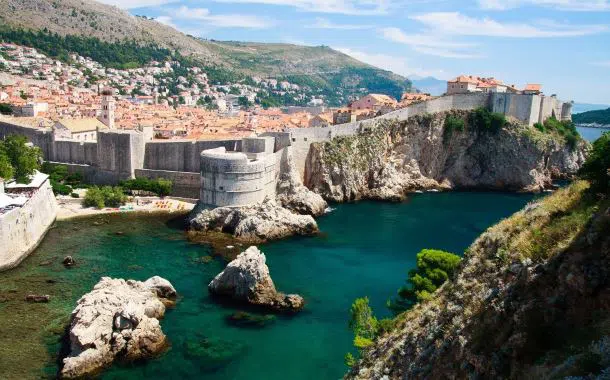
Split is a city in Croatia, the capital of the Split-Dalmatia region, the main center of Dalmatia and, with its 178,192 inhabitants (2011), the second largest city in the country. Split is also a university and archiepiscopal seat.
The name of the city derives from the thorny broom, a very common shrub in the region, which in ancient Greek was called Aspálathos (Aσπάλαθος). Under the Roman Empire the city was called "Spalatum" and in the Middle Ages "Spalatro" in the Dalmatian language. In the Slavic language it is called "Split" while in Italian "Spalato". In the early 19th century the name became "Spljet" and then returned to the form "Split".
Split: Croatia's Adriatic Gem for Your CruiseEmbark on a captivating cruise from Split, Croatia, a vibrant city on the Dalmatian coast, famous for its stunning Diocletian's Palace, a UNESCO World Heritage site. This historical port offers a unique blend of ancient Roman architecture and modern Croatian life. Before setting sail, wander through the palace walls, explore its bustling markets, and enjoy the lively Riva promenade. Split provides a truly immersive cultural experience as your gateway to the enchanting Adriatic Sea.
Discover the Adriatic and Beyond from SplitCruises departing from Split open up a world of possibilities across the sparkling blue waters of the Adriatic and Ionian seas. Whether you dream of discovering the secluded coves of the Croatian islands, the historical richness of Montenegro, or the ancient allure of Greece, Split serves as an ideal launchpad. Enjoy the seamless transition from the vibrant Croatian coast to the luxurious comfort of your cruise ship, ready for days filled with relaxation, exploration, and unforgettable moments. Each voyage from Split promises breathtaking scenery and cultural immersion, leaving you with cherished memories.
Skopelos
Venice
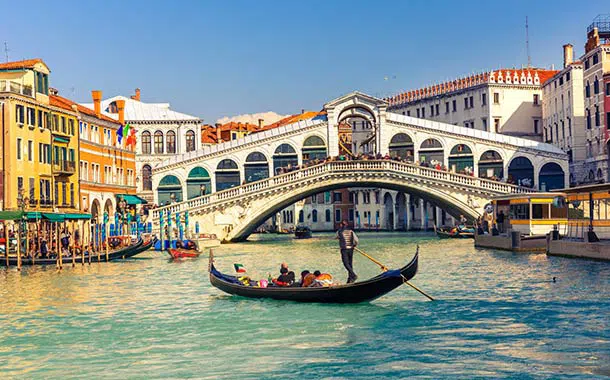
Setting sail from Venice on a cruise ship is unique and unforgettable. Discover all the cruises that depart from Venice for a great start to your holiday!
Venice it is one of the golden destinations of our age. A unique city of 120 islands, with an ancient history and endless waterways, it attracts a constant flow of tourists from all over the world to see its inspiring architecture and navigate its canals.
There are many souvenirs you can bring home from Venice, but the most lasting memory will be your impression of the city itself.
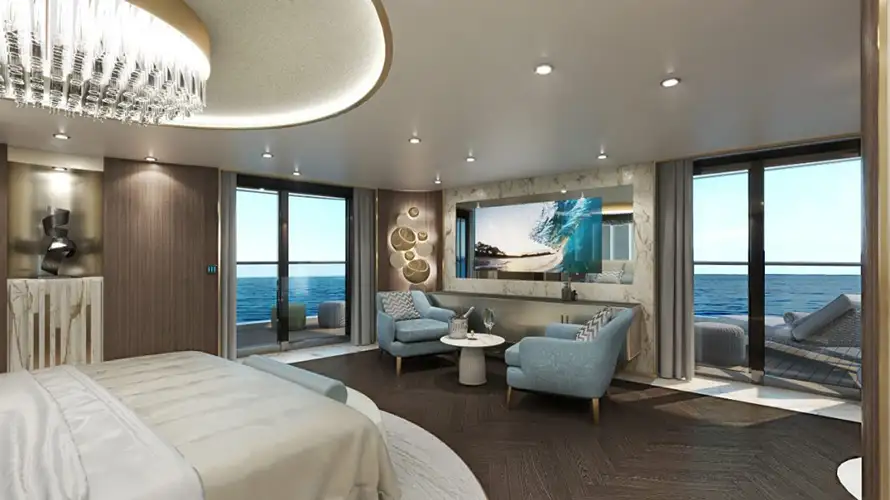
Info on the ship Explora II