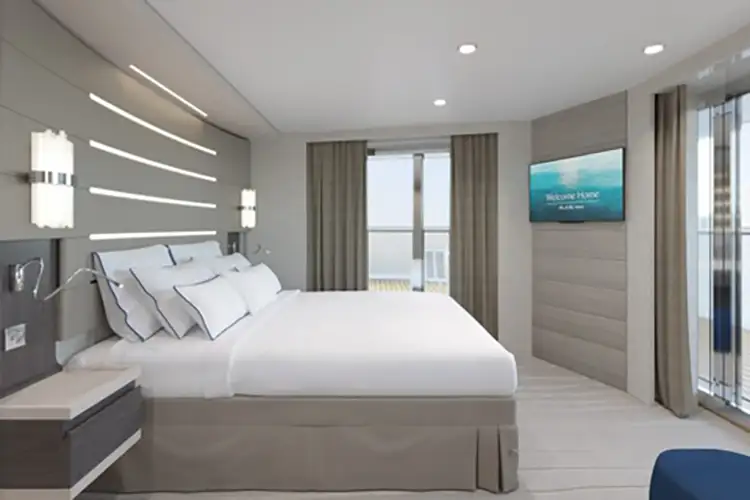
Explora Journeys Northern Europe: 14 nights from Copenaghen with Explora IV
Sep 30, 2028
Denmark, Sweden, Norway, Germany, United Kingdom, France, Spain, Portugal


Cruise itinerary
Departure Port: Copenaghen ➞
Landing: Lisbon
-
 Saturday, September 30, 2028 - 6:00 PMCopenaghen
-
Sunday, October 1, 2028 8:00 AM - 6:00 PMAarhus
-
Monday, October 2, 2028 8:00 AM - 6:00 PMLysekil
-
Tuesday, October 3, 2028 8:00 AM - 11:00 PMOslo
-
 Wednesday, October 4, 2028Navigation
 -
Thursday, October 5, 2028 8:00 AM - 6:00 PMHamburg
-
Friday, October 6, 2028Navigation
-
Saturday, October 7, 2028 7:00 AM - 6:00 PMSouthampton
-
Sunday, October 8, 2028Navigation
-
Monday, October 9, 2028 10:00 AM - not foundBordeaux
-
Tuesday, October 10, 2028 not found - 5:30 PMBordeaux
-
Wednesday, October 11, 2028 9:30 AM - 7:00 PMnavigation
-
Thursday, October 12, 2028 8:00 AM - 6:00 PMLa Coruna
-
Friday, October 13, 2028 8:00 AM - 6:00 PMLeixoes
-
Saturday, October 14, 2028 8:00 AMLisbon
Copenaghen
Copenhagen, literally "port of the merchants", is the capital of Denmark and one of the country's most densely populated cities. Originally a city mainly inhabited by fishermen, it became a fundamentally important port for trade.
Copenhagen is a year-round tourist destination and in summer the flow of tourists increases considerably thanks to Northern Europe cruises.
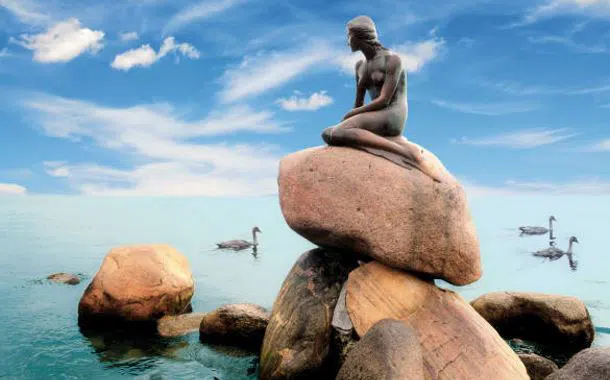
It is very common to add a stay in the city before a cruise, to take in its distinguishing relaxing atmosphere and see what it has to offer. Among its famous attractions you cannot miss the statue of the Mermaid which is located right at the entrance to the port and the Tivoli Gardens, one of the world's largest amusement parks, opened in 1843 and loved by everyone.
Copenhagen (København in Danish and 'Copenaga' in Italian [no source]) is the capital and the most populous city of Denmark with 518,574 inhabitants in the municipality (1,167,569 in the urban area). The city stretches across the islands of Sjælland and Amager and is separated from the city of Malmö in Sweden by the strait of Øresund.
Aarhus
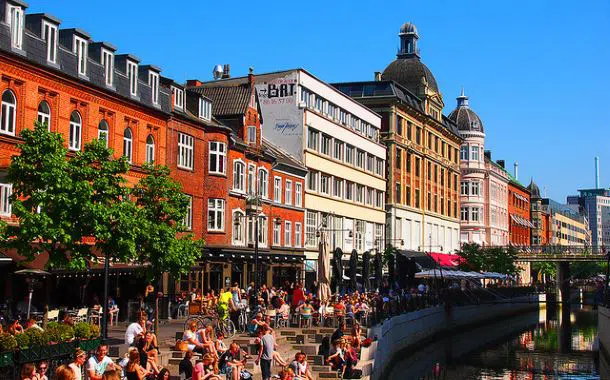
Aarhus is a dynamic city on the peninsula of Jutland in Denmark. From here, the beach, the harbor and the forest are all within a 15-minute bike ride. 315,000 people live in Aarhus and 1.2 million people live in the metropolitan area of Aarhus Area.
Aarhus is a dynamic city on the peninsula of Jutland in Denmark. The beach, the port and the forest can be reached in 15 minutes by bycicle. 315.000 inhabitants live in Aarhus and 1,2 million people live in the metropolitan area of Aarhus Area. Aarhus has been selected ar European Capital of Culture for the year 2017 and is a combination of innovation, media and communications with architecture and design and has a wide variety of cultural institutions. In Aarhus you can find gatherings of highly specialised companies, research and educational structures guided by a desire of collaboration and innovation. Aarhus stands out in renewable energy, food, health and productivity. As it is a university city, the atmosphere is a vibrating mixture of young energy. Welcome to Aarhus.
Lysekil
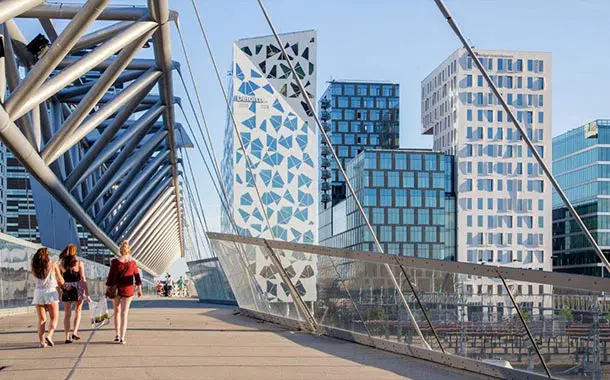
Oslo
Oslo, located in the south-eastern part of the country, is the capital and largest city of Norway. Oslo is a lively city that perfectly blends its rich history with modern urban development, making it a dynamic and attractive place to live and visit.
It was founded around 1040 by King Harald Hardrada and became the capital of the country in 1299 under King Håkon V. The city was partially destroyed by a fire in 1624 and its reconstruction began under the reign of King Christian IV. King Christian IV renamed the city Christiania. The original name, Oslo, was restored only in 1925. Oslo is known for its beautiful natural landscapes, including forests, hills and lakes. Thanks to its beautiful landscapes, it is possible to practice numerous outdoor activities such as hiking, skiing and canoeing.
These unique features make the city an ideal destination for nature lovers. The city is home to several world-renowned museums, including the Viking Ship Museum, the Munch Museum (dedicated to the works of Edvard Munch, famous for “The Scream”), and the National Gallery. Don't miss the opportunity to visit one of these museums and share your photos with your friends! Every year, Oslo hosts one of the most important cultural events, the Nobel Peace Prize, which is awarded annually in the city at the City Hall.
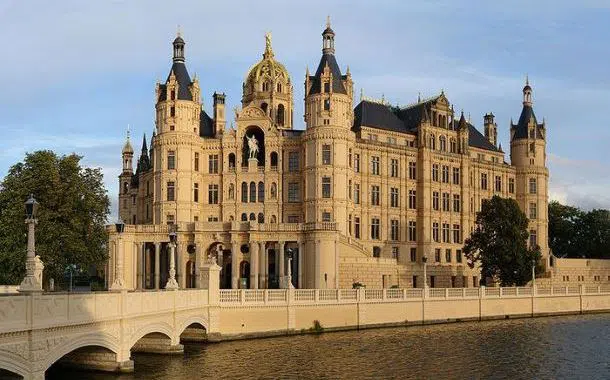
Hamburg
Hamburg is without a doubt the best city in Europe for seeing unique bridges. Its tourist sites are characterised by the typical bohemian style of the sailors and its port.
Just behind Berlin in terms of size and population, the city of Hamburg is home to one of the largest ports in Europe. You will understand why it is know as the 'Venice of the North', when you explore its many canals and waterways. Do not forget to take a trip to the fish market and to the merchants' district, where you will find unique architecture and impressive red brick buildings. Having a delicious dinner by the river or spending a night in the university district is a must.
Hamburg is a destination with many tourist attractions, especially its ancient port and the exclusive lake located in the city centre.
You should also be sure to visit the renowned Kunsthalle (north of the Hauptbahnhof). The Kunsthalle houses an art collection of international importance, covering everything from medieval portraits to 20th century minimalism.
The Rathaus, a neo-Renaissance style building, is home to Hamburg's city hall. When Parliament is not in session, several guided tours are available.
There are also big exhibitions and historical events that are great for tourists.
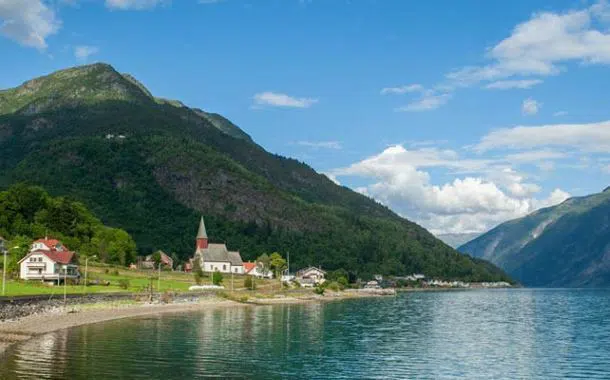
Southampton
Southampton is a city positioned in the South of Great Britain and its port is one of the main ports in Europe. From the port of Southamptos it is possible to set sail for a Cunard transatlantic cruise and reach New York, or visit Amsterdam and Belgium with an MSC cruise. The city offers, further to the New Forest National Park, a wide natural park with its suggestive woods, also many museums and art galleries and remarkable architectural works. Noteworthy is King John’s Palace, of Norman origins as well as the old walls with 7 entrances to the city. An evidence of the Victorian Age is Tudor House, collecting objects dated back to that period. For the art lovers, Southampton City Art Gallery offers exhibitions of any kind of art, from drawing to photography with shows that attract many visitors.
Southampton: The UK's Grand Gateway to Global CruisesSet sail from Southampton, the historic and vibrant port city on England's south coast, renowned as the UK's premier cruise departure point. With its rich maritime heritage, including its association with the Titanic, and excellent transport links, Southampton offers a grand beginning to voyages across the Atlantic, to the Mediterranean, Northern Europe, and beyond. Before embarking, explore its ancient city walls, maritime museums, and lively shopping districts. Southampton provides a seamless and exciting start to your global cruise adventure.
World-Class Journeys Begin from SouthamptonCruises departing from Southampton open up a world of possibilities, from transatlantic crossings to the Americas, sun-drenched Mediterranean escapes, and captivating Northern European explorations. Whether you dream of iconic cityscapes, breathtaking natural wonders, or culturally immersive experiences, Southampton serves as an ideal launchpad. Enjoy the convenience of a world-class port and the anticipation of new discoveries as you leave the shores of England for unforgettable experiences on the open water, promising relaxation, entertainment, and endless exploration. Each voyage from Southampton promises a journey of a lifetime.
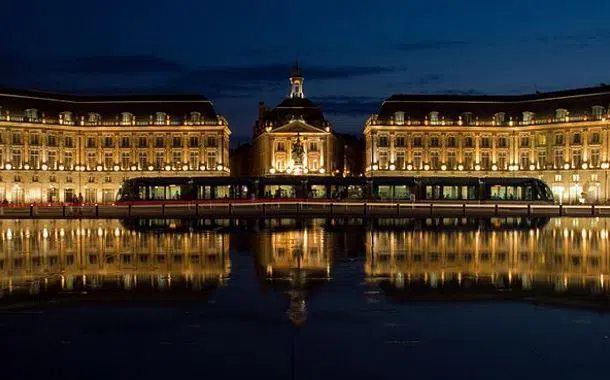
Bordeaux
Bordeaux is city on the Atlantic Ocean and its port hosts big ships. The city had initially the name Burdigala and was established in III Century B.C. by the Gallic people.
It was a neuralgic centre for the International commerce of tin and lead. After the arrival of the Romans, Bordeaux becomes one of the richest cities of Gallia and is robbed many times by populations such as Visigoths and Vandals. With the passing of time, the City starts economic relationships with England trading in salt and wine and, in XVI Century, also the colonial sugar and slaves start having a leading role in the sustenance of the city.
Bordeaux has a liveable city centre that can be visited by foot and that offers beautiful attractions and energy. At night, the city get crowded with young people filling up the main squares and the bars where you can taste excellent wines and plunge in the romantic atmosphere that the city assumes after the sunset. You can’t miss out Château de la Brède, a gothic style castle dated back to XIV Century, surrounded by a moat and an English garden. The philosopher Montesquieu lived here and tourists can visit his library and his bedroom that are just like they were in XIX Century.
We suggest to visit also the beautiful Saint Eloi Church. Established in XII Century, the construction and renovation works lasted until 1400’s. The current structure is dated back to this period. The church is one of the stop-overs of Santiago de Compostela walking tour and is part of UNESCO World Heritage. Bordeaux offers a wide variety of gastronomic and wine choices. There are many restaurants and bars where you can taste the best wines on the market and an amazing cuisine.
Bordeaux
Bordeaux is city on the Atlantic Ocean and its port hosts big ships. The city had initially the name Burdigala and was established in III Century B.C. by the Gallic people.
It was a neuralgic centre for the International commerce of tin and lead. After the arrival of the Romans, Bordeaux becomes one of the richest cities of Gallia and is robbed many times by populations such as Visigoths and Vandals. With the passing of time, the City starts economic relationships with England trading in salt and wine and, in XVI Century, also the colonial sugar and slaves start having a leading role in the sustenance of the city.
Bordeaux has a liveable city centre that can be visited by foot and that offers beautiful attractions and energy. At night, the city get crowded with young people filling up the main squares and the bars where you can taste excellent wines and plunge in the romantic atmosphere that the city assumes after the sunset. You can’t miss out Château de la Brède, a gothic style castle dated back to XIV Century, surrounded by a moat and an English garden. The philosopher Montesquieu lived here and tourists can visit his library and his bedroom that are just like they were in XIX Century.
We suggest to visit also the beautiful Saint Eloi Church. Established in XII Century, the construction and renovation works lasted until 1400’s. The current structure is dated back to this period. The church is one of the stop-overs of Santiago de Compostela walking tour and is part of UNESCO World Heritage. Bordeaux offers a wide variety of gastronomic and wine choices. There are many restaurants and bars where you can taste the best wines on the market and an amazing cuisine.
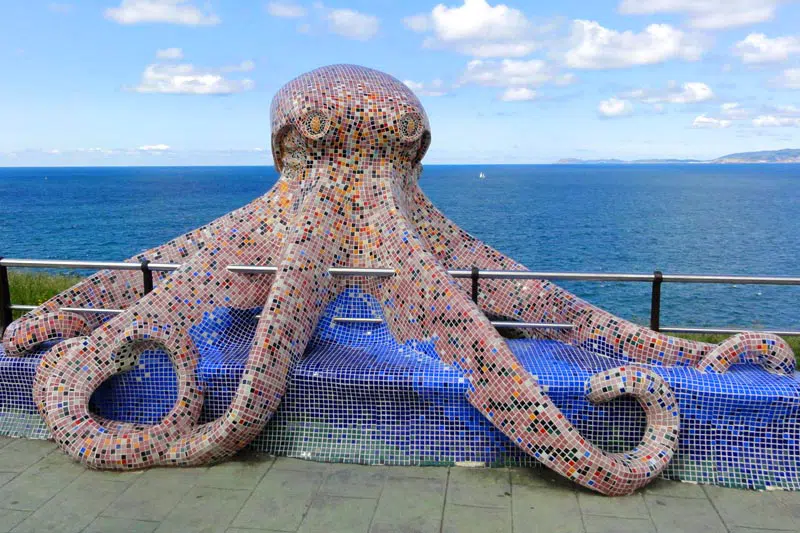
La Coruna
La Coruña is a city and municipality in Spain. It belongs to the autonomous region of Galicia and is the capital of the province. Important historic port is located on the north-western coast of the Iberian Peninsula, in the Rias Altas.
Located on the coast of the Atlantic Ocean, La Coruña is a city whose history has maintained close ties with its old fishing and commercial port. The peninsula on which the houses of the historic center are located, beyond the Tower of Hercules, one of the symbols of the city and declared a World Heritage Site by UNESCO, you will find a set of interesting and historic streets, squares and medieval churches.
Although the origin of the town may appear as an old Celtic settlement, the history of the city began to be important in Roman times, when the port became a fundamental structure for the country.
Historically, the port has been the scene of some of the most important historical events in the city, such as the defeat of the English corsair Francis Drake in 1589, thanks to the resistance of the entire population and led by the protagonist María Pita.
The Finisterrae Aquarium, the Domus and the Science Museum are some of the areas that show the most modern and playful side of the provincial capital, also offers one of the most beautiful and extensive beaches of Riazor and Orzán. All this is completed with a traditional cuisine, marked by the excellence of its fish and meats from the interior of the province. Gastronomic city par excellence, it has many good places to enjoy the exquisite Galician cuisine. Furthermore, you will find several establishments that offer excellent wine, normally concentrated in the old part of the city.
In its splendid, always lively streets, there are good examples of Romanesque architecture. One of the most beautiful churches in the city is undoubtedly that of Santiago, the oldest in the area, built in the 12th century. Its large nave of arches houses a polychrome sculpture of Saint James dating back to the 13th century. For its architectural interest, it has been declared a Historical-Artistic Monument.
Sit on a terrace in Plaza de María Pita and discover its fascinating history, stroll through the Cantons admiring its famous modern-style crystal galleries, and if you want to go shopping, this is certainly the best place.
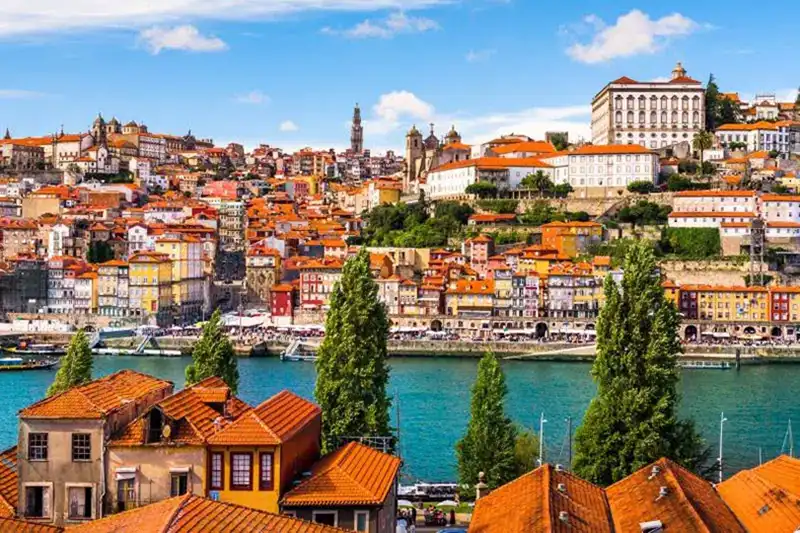
Leixoes
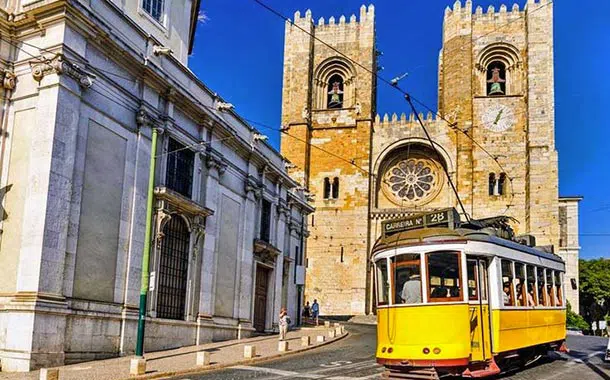
Lisbon
Perched on steep slopes overlooking the Tagus River, Lisbon offers all the pleasures you'd expect from Portugal's main attraction.
The capital of Portugal, Lisbon (in Portuguese Lisboa) has experienced a great rebirth in recent years, with a lively and flourishing contemporary culture. Perched on the coast of the Atlantic Ocean, Lisbon is one of the rare European cities that face the ocean and use water as an element that defines the city. Lisbon enchants travelers with its white limestone buildings, intimate alleys and an ancient charm that makes it a popular destination all year round.
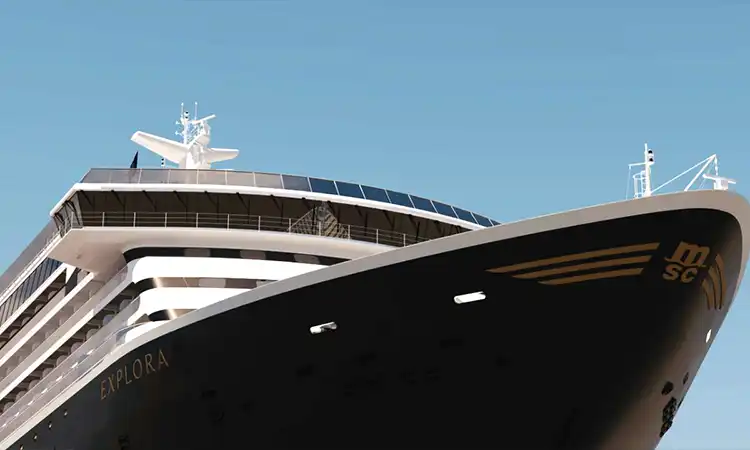
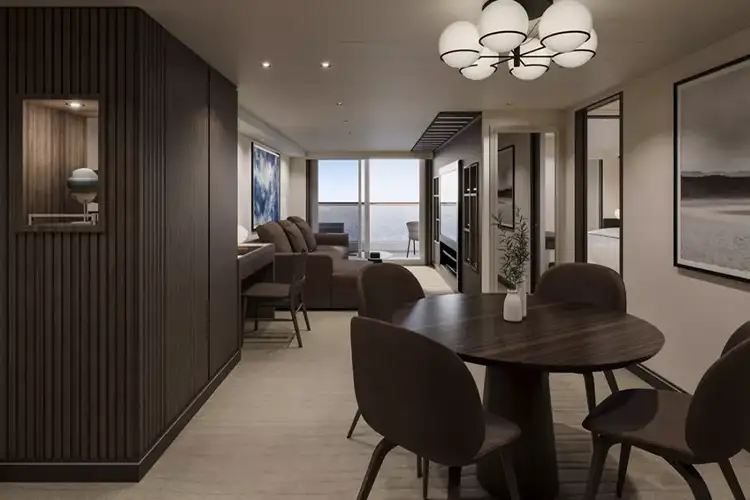
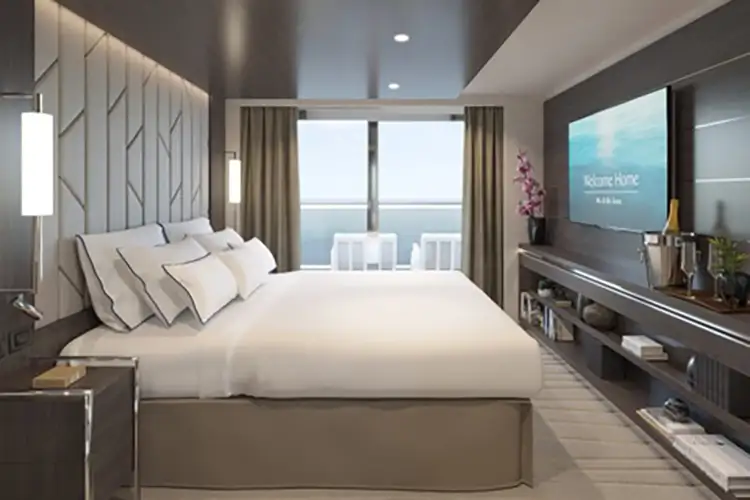
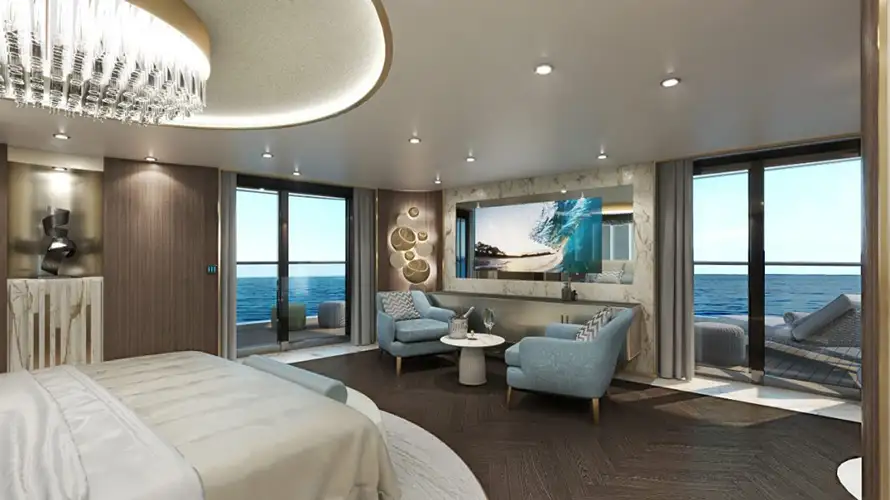
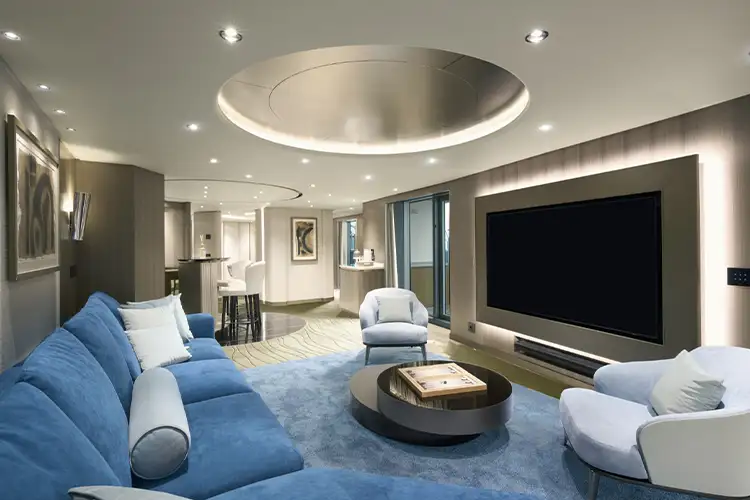
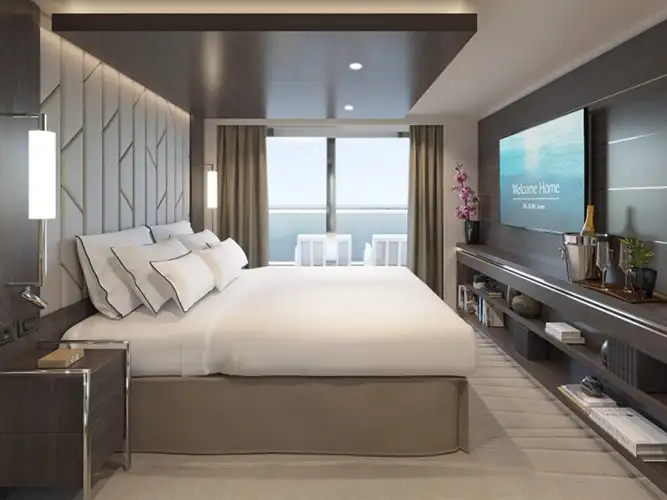
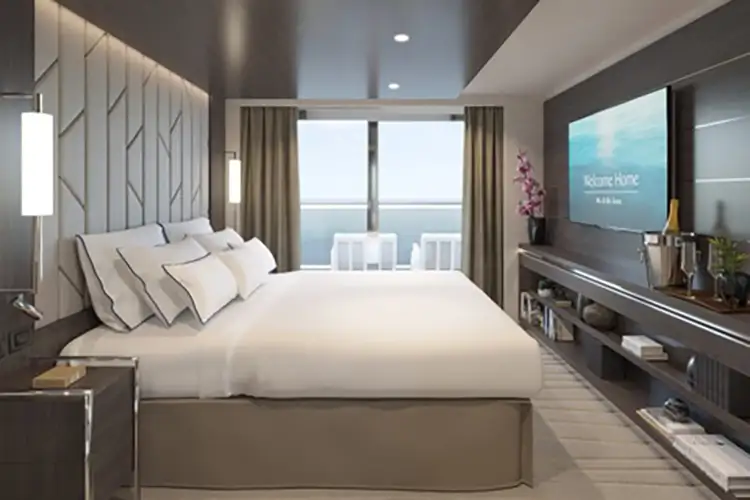
Info on the ship Explora IV