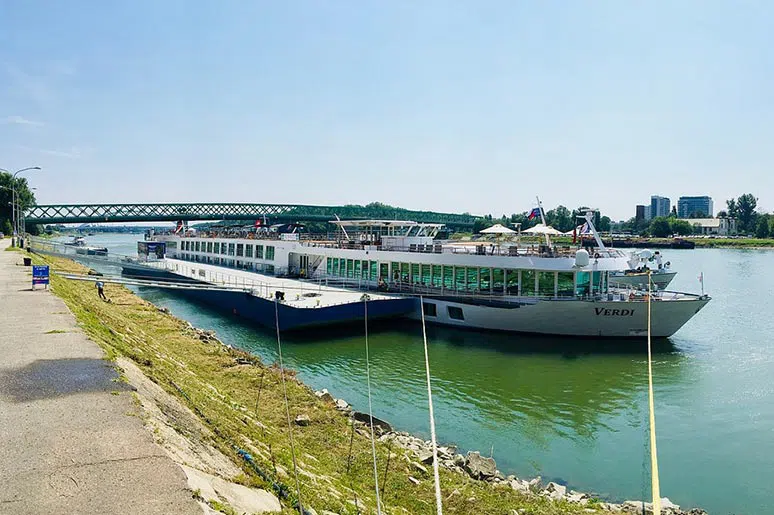
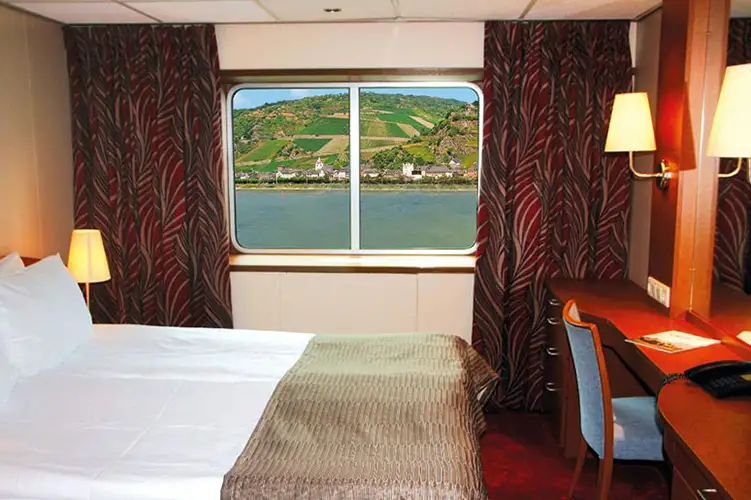
Giver Rhine: 5 nights from Amsterdam with MN Verdi
Dec 29, 2026
Netherlands, Belgium


Cruise itinerary
Departure Port: Amsterdam ➞
Landing: Amsterdam
-
 Tuesday, December 29, 2026 - not foundAmsterdam
-
Wednesday, December 30, 2026 not found - not foundAmsterdam
-
Thursday, December 31, 2026 not found - not foundHaarlem
-
Friday, January 1, 2027 not found - not foundRotterdam
-
Saturday, January 2, 2027 not found - not foundBruges
-
Sunday, January 3, 2027 not foundAmsterdam
Amsterdam
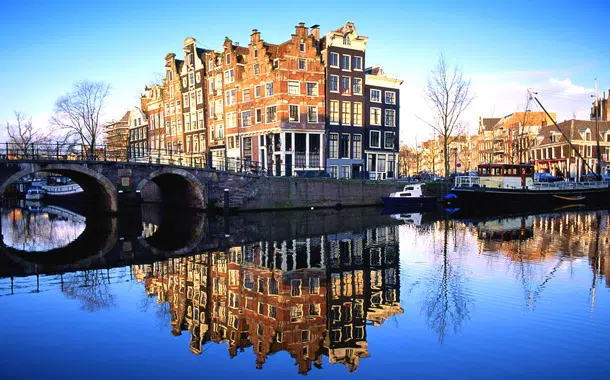
Amsterdam is a charming city with a particularly relaxing and serene atmosphere, despite its large size. The city has been a World Heritage Site since 2010 and has buildings dating back to the sixteenth and seventeenth centuries. It is no coincidence that it is one of the most visited cities in the world.
The structure of the city is determined by a network of charming waterways. The historic center, which dates back to the 13th century, is surrounded by five concentric canals - the Grachtengordel - built in the 17th century as part of a perfectly successful expansion project designed to create a unique and refined urban environment.
It is here that the city's mercantile class built its characteristic gabled houses, with bright, gracefully decorated colors, whose romantic features are reflected in the olive-green waters of the picturesque canals.
Amsterdam
Amsterdam is a charming city with a particularly relaxing and serene atmosphere, despite its large size. The city has been a World Heritage Site since 2010 and has buildings dating back to the sixteenth and seventeenth centuries. It is no coincidence that it is one of the most visited cities in the world.
The structure of the city is determined by a network of charming waterways. The historic center, which dates back to the 13th century, is surrounded by five concentric canals - the Grachtengordel - built in the 17th century as part of a perfectly successful expansion project designed to create a unique and refined urban environment.
It is here that the city's mercantile class built its characteristic gabled houses, with bright, gracefully decorated colors, whose romantic features are reflected in the olive-green waters of the picturesque canals.
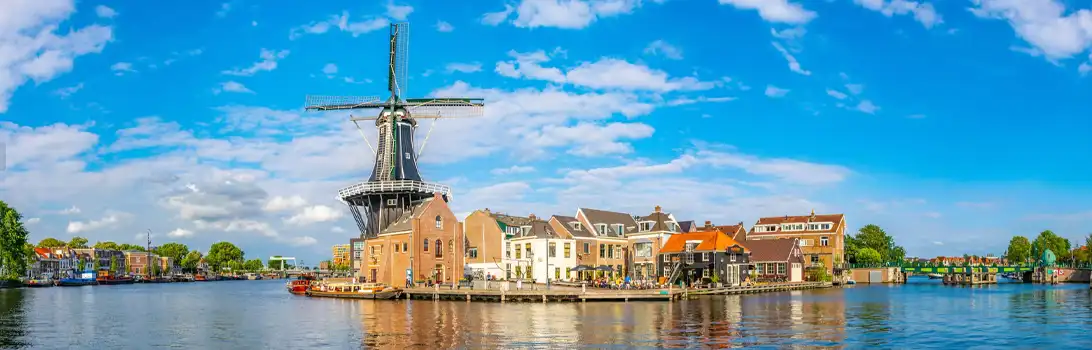
Haarlem
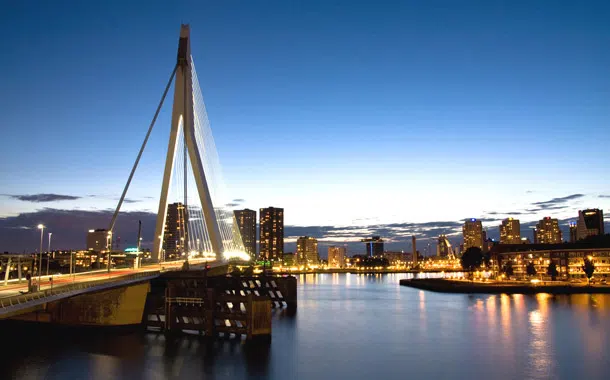
Rotterdam
Rotterdam has a booming energy, with an excellent nightlife, a multicultural community, a gritty arts scene and an offer of excellent museums.
Rotterdam, the Netherlands' 'second city', was heavily bombed during the Second World War and spent decades before reconstruction. You won't find the classic medieval Dutch architecture here – it was swept away along with the other debris and debris of war. In its place is an architectural aesthetic that is unique in Europe, a perpetually progressive approach to construction that is clearly a result of the city's post-war, postmodern philosophy. In fact, Rotterdam is known as a city of architecture. In the few square kilometers of the city center you have a complete overview of what the twentieth century produced in terms of modern architecture.
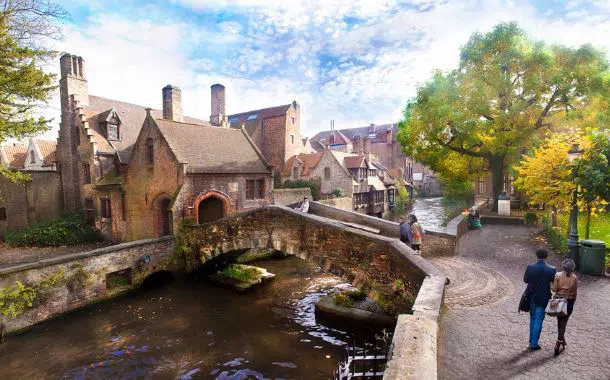
Bruges
Bruges in French, or Brugge in Dutch, (Brügge in German, in Italian anciently Bruggia) is a city in Belgium, capital and largest city of West Flanders, in the Flemish Community.
The medieval historic center of Bruges was proclaimed a UNESCO World Heritage Site in 2000. In 2002, the city was the European Capital of Culture together with the Spanish city of Salamanca. Bruges is the permanent home of the College of Europe and of a Catholic diocese.
Amsterdam
Amsterdam is a charming city with a particularly relaxing and serene atmosphere, despite its large size. The city has been a World Heritage Site since 2010 and has buildings dating back to the sixteenth and seventeenth centuries. It is no coincidence that it is one of the most visited cities in the world.
The structure of the city is determined by a network of charming waterways. The historic center, which dates back to the 13th century, is surrounded by five concentric canals - the Grachtengordel - built in the 17th century as part of a perfectly successful expansion project designed to create a unique and refined urban environment.
It is here that the city's mercantile class built its characteristic gabled houses, with bright, gracefully decorated colors, whose romantic features are reflected in the olive-green waters of the picturesque canals.
Info on the ship MN Verdi