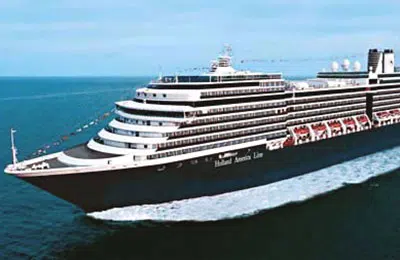
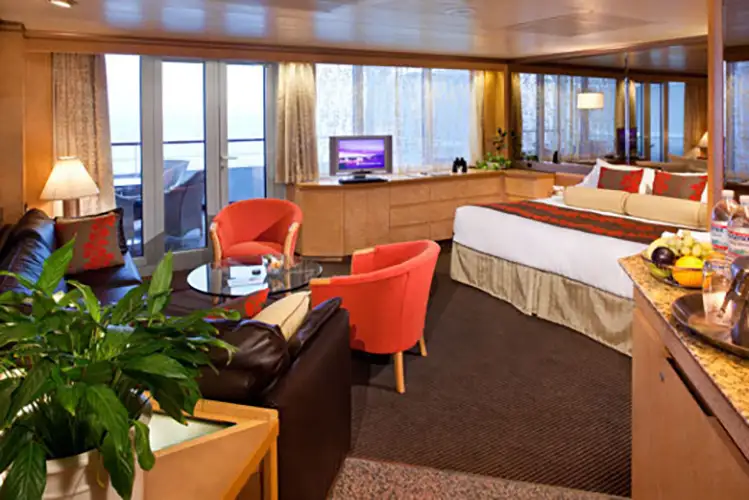
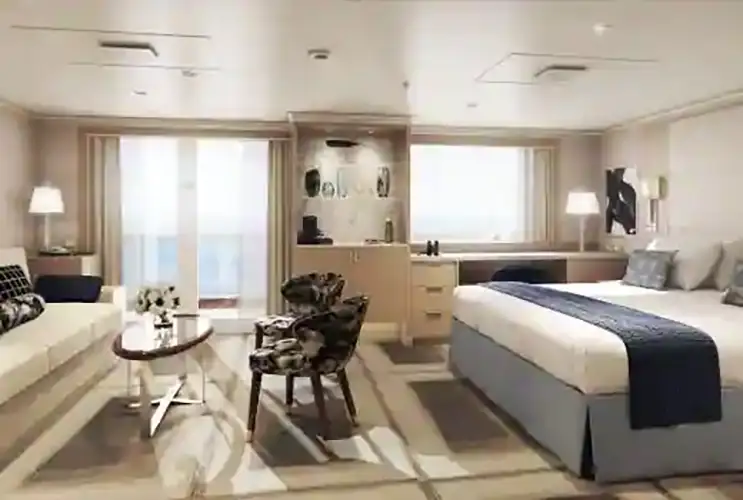
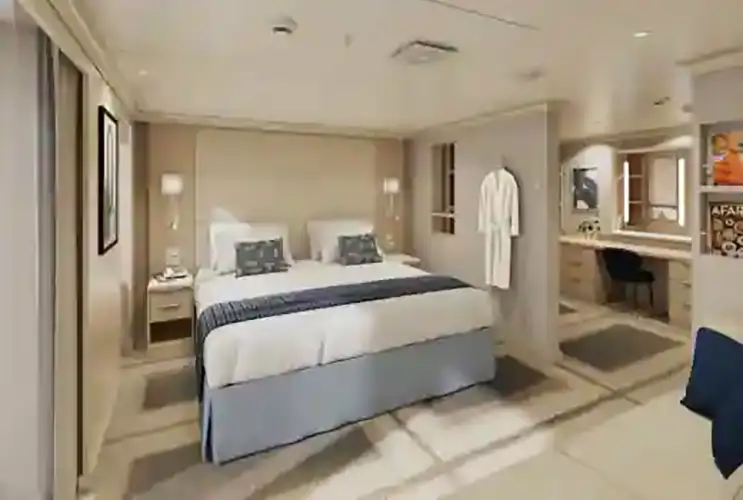
Holland America Line Northern Europe: 14 nights from Rotterdam with Rotterdam
Jun 4, 2028
Netherlands, Norway, United Kingdom, Iceland


Cruise itinerary
Departure Port: Rotterdam ➞
Landing: Reykjavik
-
 Sunday, June 4, 2028 - 3:00 PMRotterdam
-
 Monday, June 5, 2028Navigation
 -
Tuesday, June 6, 2028Navigation
-
Tuesday, June 6, 2028 7:00 AM - 5:00 PMOslo
-
Wednesday, June 7, 2028 7:00 AM - 4:00 PMKristiansand
-
Thursday, June 8, 2028 10:00 AM - 6:00 PMBergen
-
Friday, June 9, 2028Navigation
-
Friday, June 9, 2028 6:30 AM - 4:00 PMFlam
-
Saturday, June 10, 2028Navigation
-
Sunday, June 11, 2028 7:00 AM - 3:00 PMRotterdam
-
Monday, June 12, 2028Navigation
-
Tuesday, June 13, 2028 7:00 AM - 5:00 PMInvergordon
-
Wednesday, June 14, 2028Navigation
-
Thursday, June 15, 2028Navigation
-
Thursday, June 15, 2028 8:00 AM - 5:00 PMSeydisfjordur
-
Friday, June 16, 2028Navigation
-
Friday, June 16, 2028 8:00 AM - 5:00 PMAkureyri
-
Saturday, June 17, 2028Navigation
-
Saturday, June 17, 2028 8:00 AM - 5:00 PMIsafjordur
-
Sunday, June 18, 2028 7:00 AMReykjavik
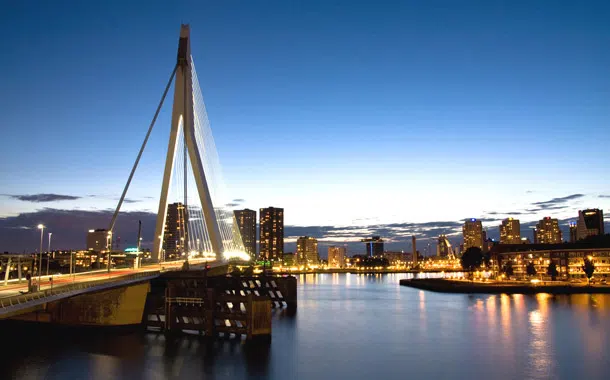
Rotterdam
Rotterdam has a booming energy, with an excellent nightlife, a multicultural community, a gritty arts scene and an offer of excellent museums.
Rotterdam, the Netherlands' 'second city', was heavily bombed during the Second World War and spent decades before reconstruction. You won't find the classic medieval Dutch architecture here – it was swept away along with the other debris and debris of war. In its place is an architectural aesthetic that is unique in Europe, a perpetually progressive approach to construction that is clearly a result of the city's post-war, postmodern philosophy. In fact, Rotterdam is known as a city of architecture. In the few square kilometers of the city center you have a complete overview of what the twentieth century produced in terms of modern architecture.
Oslo
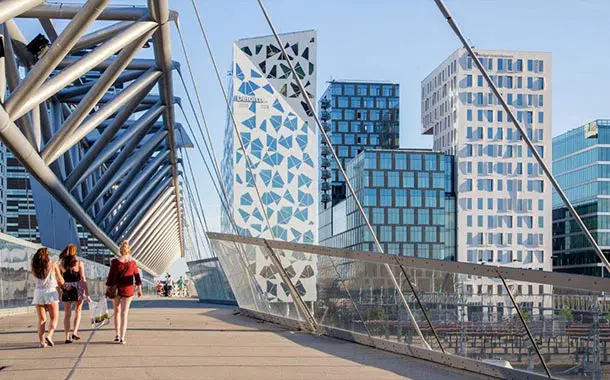
Oslo, located in the south-eastern part of the country, is the capital and largest city of Norway. Oslo is a lively city that perfectly blends its rich history with modern urban development, making it a dynamic and attractive place to live and visit.
It was founded around 1040 by King Harald Hardrada and became the capital of the country in 1299 under King Håkon V. The city was partially destroyed by a fire in 1624 and its reconstruction began under the reign of King Christian IV. King Christian IV renamed the city Christiania. The original name, Oslo, was restored only in 1925. Oslo is known for its beautiful natural landscapes, including forests, hills and lakes. Thanks to its beautiful landscapes, it is possible to practice numerous outdoor activities such as hiking, skiing and canoeing.
These unique features make the city an ideal destination for nature lovers. The city is home to several world-renowned museums, including the Viking Ship Museum, the Munch Museum (dedicated to the works of Edvard Munch, famous for “The Scream”), and the National Gallery. Don't miss the opportunity to visit one of these museums and share your photos with your friends! Every year, Oslo hosts one of the most important cultural events, the Nobel Peace Prize, which is awarded annually in the city at the City Hall.
Kristiansand
Bergen
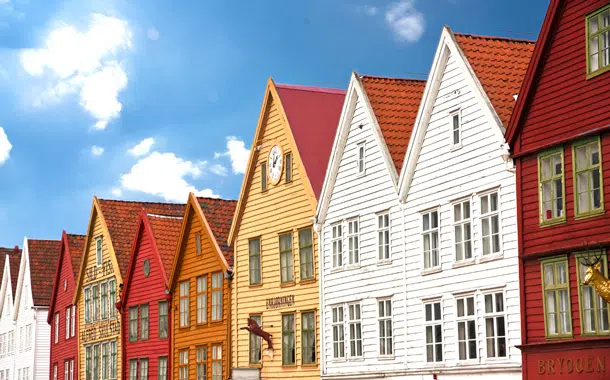
Surrounded by seven hills and seven fjords, Bergen is a beautiful, charming city with beauty and entertainment for all tastes. With the bustling port of Vågen as its centrepiece, Bergen climbs up the hills with hundreds of timber-clad houses, while cable cars offer splendid views from above. Great museums, friendly people and a dynamic cultural life make Bergen a popular destination in recent times, also thanks to the surrounding natural beauty. The wonderful natural beauties of this region will leave you speechless. HardangerFjord, Sognefjord and Geirangerfjord are similar if we consider some aspects such as: steep walls of crystal- clear rock plummeting with sublime force directly into the sea, often decorated with waterfalls and small farms that blend harmoniously with the natural landscape.With the lively port of Vågen as its fulcrum, Bergen climbs the hills with hundreds of wooden-clad houses, while cable cars offer a splendid view from above. Great museums, friendly people and a dynamic cultural life make Bergen a very popular destination in recent times, also thanks to the surrounding natural beauty. This spectacular region will dazzle you with a truly indescribable scenario. Hardanger Fjord, Sognefjord and Geirangerfjord are all variations on the same theme: steep walls of crystalline rock that plunge with sublime force directly into the sea, often decorated with waterfalls and small farms that blend harmoniously with the natural landscape.
Flam
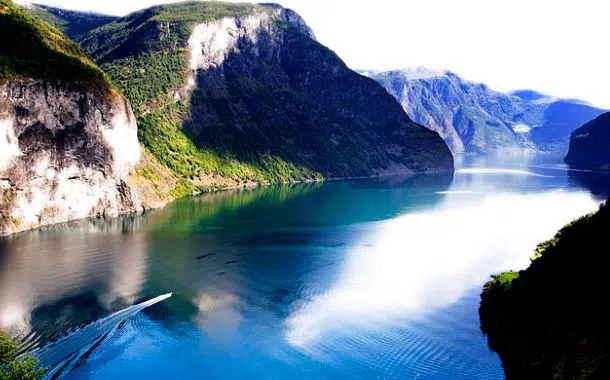
Flaam is a small town with about 500 inhabitants. It is part of the municipality of Aurland, the typical example of a rural Norwegian municipality.
Flam is a good starting point for all those looking for authentic natural and cultural experiences.
Despite its small size, Flaam continues to be a destination throughout the year. The Flåmsbana is undoubtedly the most famous attraction in Flaam. This spectacular railway connects Flaam with the city of Myrdal.
What makes the station so amazing is largely the combination of the height difference of 863.5 meters. Every year, about 585,000 travelers experience traveling on one of the steepest railway lines in the world on normal tracks.
Rotterdam
Rotterdam has a booming energy, with an excellent nightlife, a multicultural community, a gritty arts scene and an offer of excellent museums.
Rotterdam, the Netherlands' 'second city', was heavily bombed during the Second World War and spent decades before reconstruction. You won't find the classic medieval Dutch architecture here – it was swept away along with the other debris and debris of war. In its place is an architectural aesthetic that is unique in Europe, a perpetually progressive approach to construction that is clearly a result of the city's post-war, postmodern philosophy. In fact, Rotterdam is known as a city of architecture. In the few square kilometers of the city center you have a complete overview of what the twentieth century produced in terms of modern architecture.
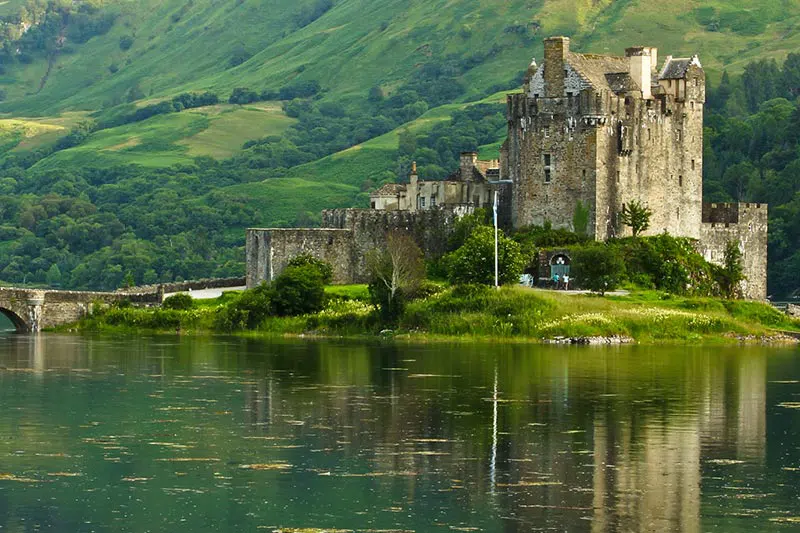
Invergordon
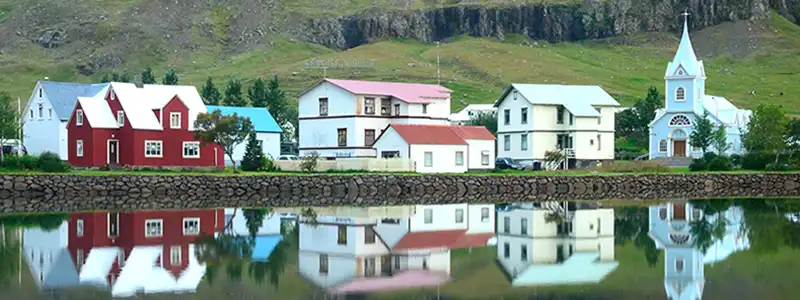
Seydisfjordur

Akureyri
Akureyri is the center of cultural, educational and recreational activities in North Iceland, the city is by far the largest outside the capital area of Reykjavík
Akureyri is the center of cultural, educational and recreational activities in North Iceland, the city is by far the largest outside the capital area of Reykjavík. And 'surrounded by mountains, the highest is Kista of 1,447 meters and another smaller one of 1538 meters at the head of Glerá í dalur, from the Glera river which crosses the city, there is a narrow flat coastal strip, a lot of land has been recovered from the sea, so that the coast today is more uniform. Nicknamed the capital of the north of Iceland, Akureyri is an important port and fishing center.
The area where Akureyri is located was resolved in the 9th century. During the Second World War, the city was the location of Allied units and a further increase occurred after the war. Akureyri has a robust cultural scene, during the summer there are many festivals, an example is the medieval festival held every summer at Gásir, The International Music Festival, a series of live band concerts and the Arctic Open Golf Championship international golf event at the Akureyri Golf Club.
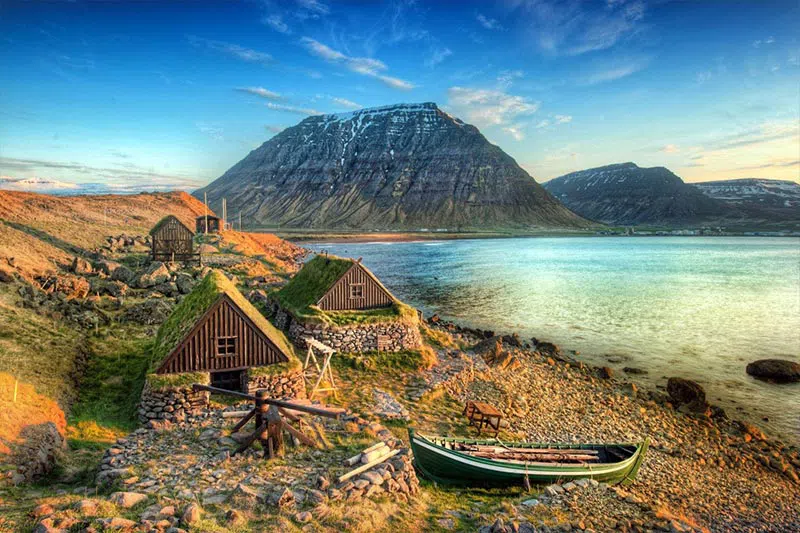
Isafjordur

Reykjavik
The gateway to Iceland, a land of incredible natural wonders, ranging from huge glaciers to thermal pools and geysers.
Reykjavik, the capital of Iceland, is small but boasts a vast historical and cultural heritage. Founded thousands of years ago by Nordic settlers, this destination is set on a breathtaking coast with scenic peninsulas, straits, and picturesque islands. Known for its natural beauty and charm, the small city, Reykjavik, is also known to attract travelers as "the capital of Northern nightlife" for its vibrant and social atmosphere. The island's landscape seems to be in a continuous process of transformation like society, which combines Nordic tradition with sophisticated technology.
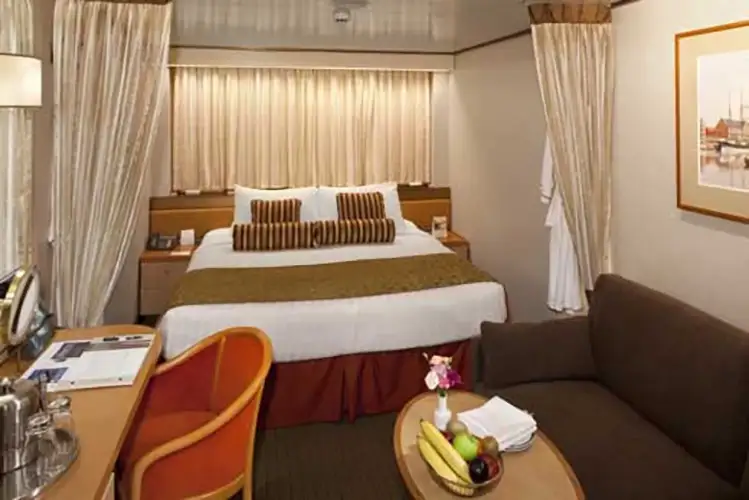
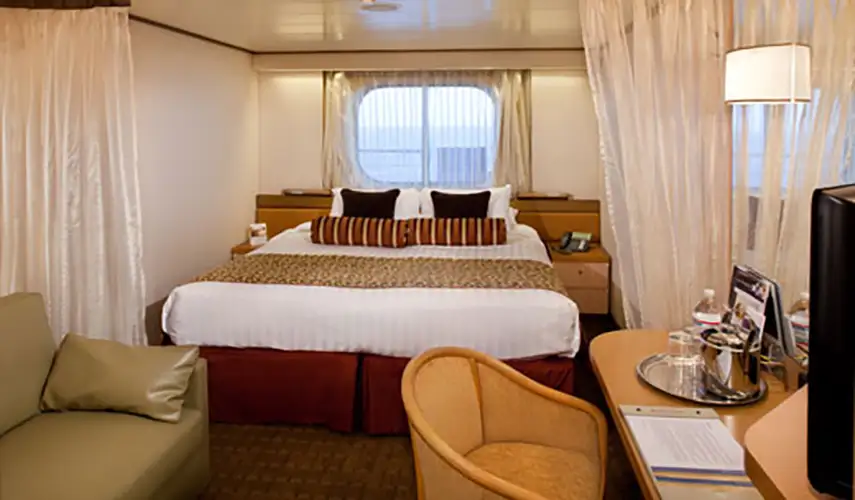
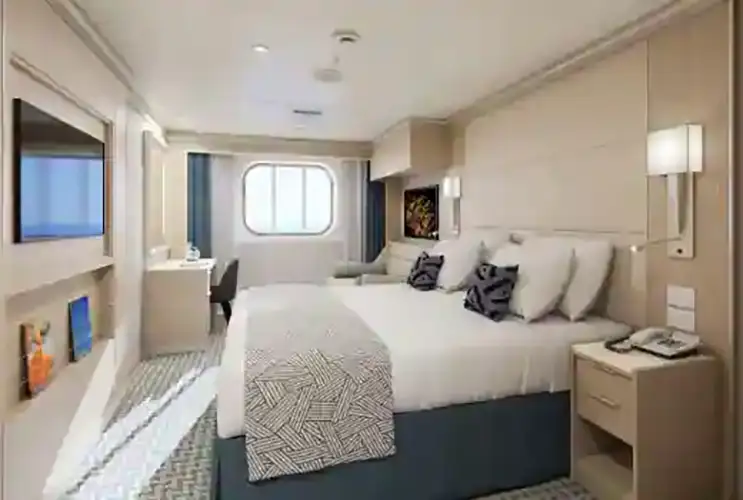
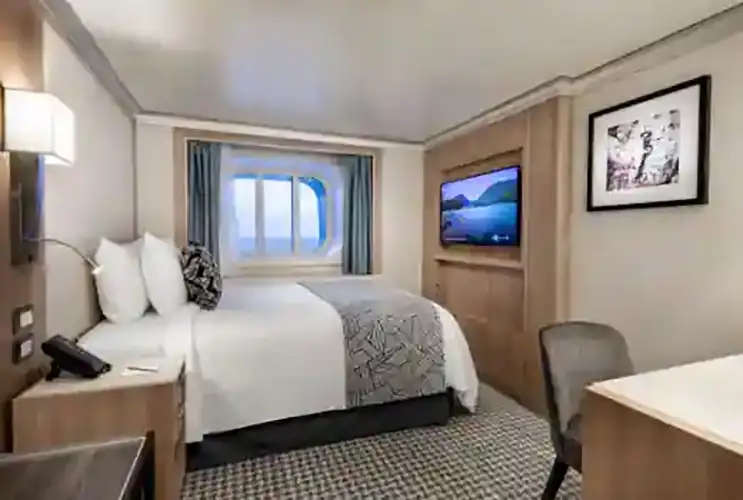
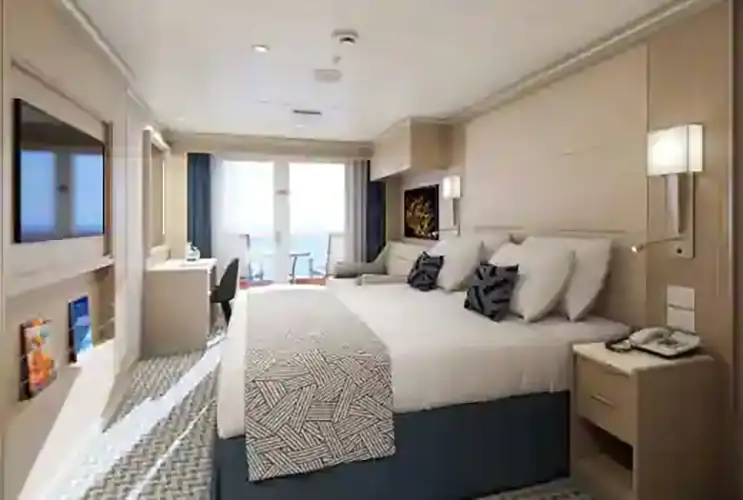
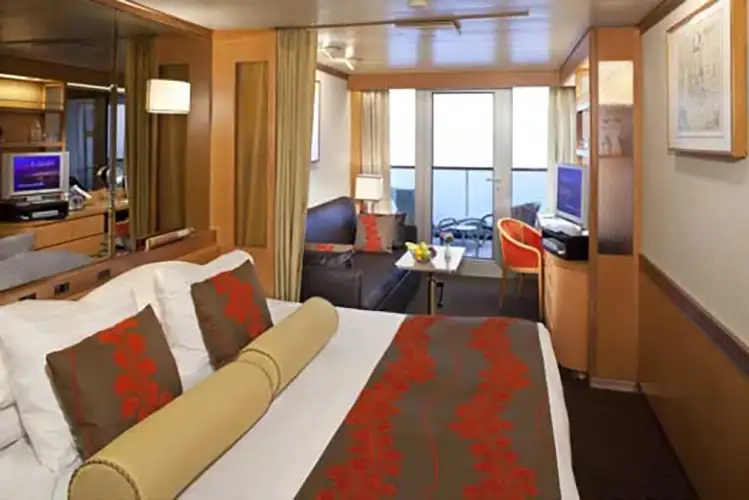
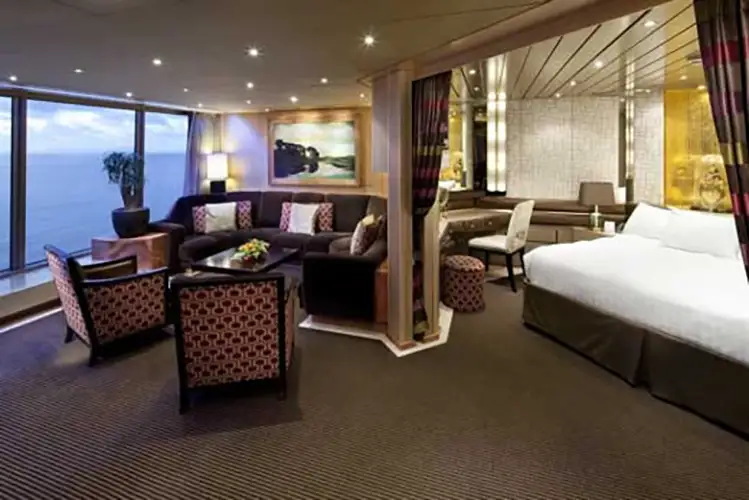
Info on the ship Rotterdam