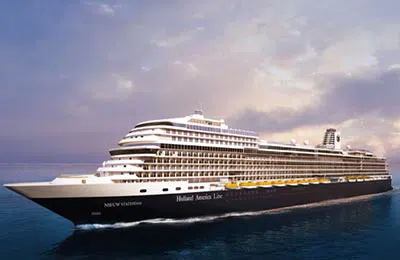
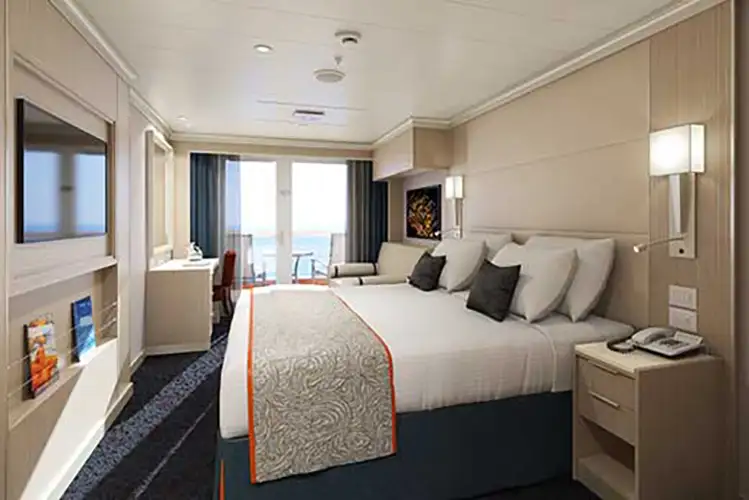
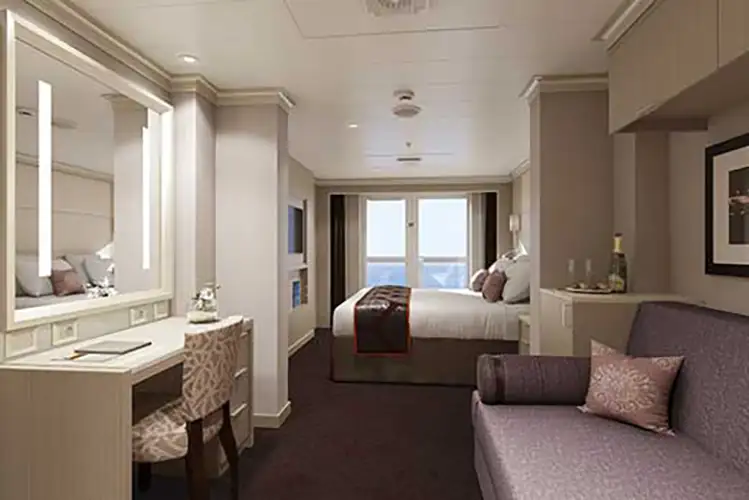
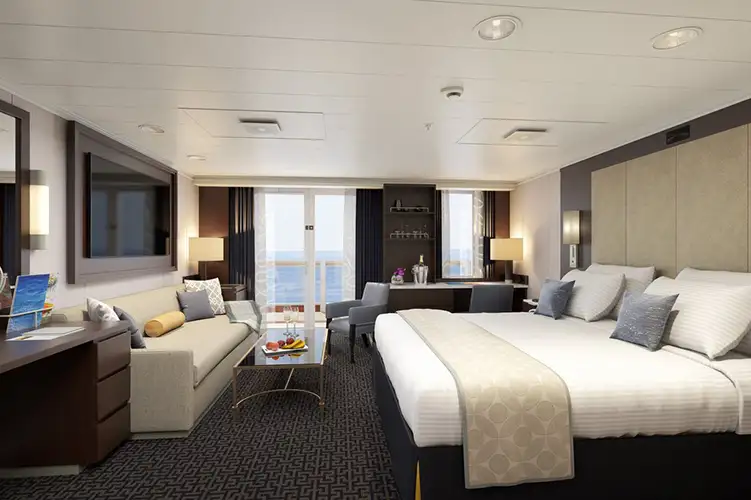
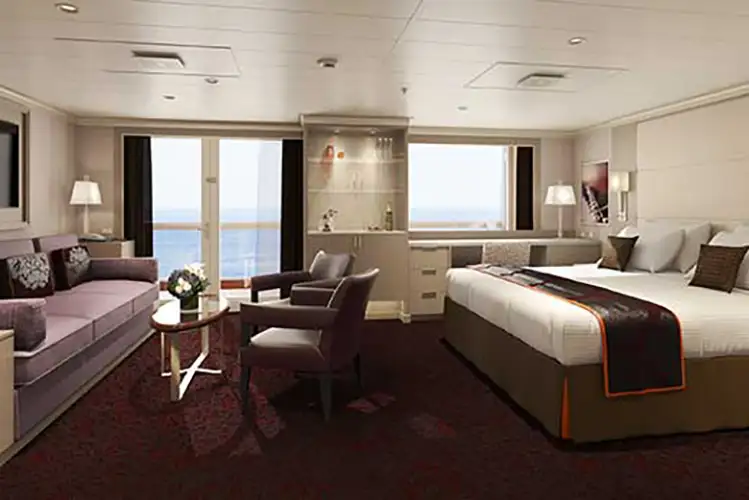
Holland America Line : 28 nights from Dover with Nieuw Statendam
Dec 4, 2027
United Kingdom, Netherlands, Germany, Estonia, Finland, Sweden, Denmark, Norway


Cruise itinerary
Departure Port: Dover ➞
Landing: Dover
-
 Saturday, December 4, 2027 - 5:00 PMDover
-
Sunday, December 5, 2027 7:00 AM - 4:00 PMRotterdam
-
 Monday, December 6, 2027Navigation
 -
Tuesday, December 7, 2027 10:00 AM - 8:00 PMKiel
-
Wednesday, December 8, 2027Navigation
-
Thursday, December 9, 2027 12:00 PM - 9:00 PMTallinn
-
Friday, December 10, 2027 7:00 AM - not foundHelsinki
-
Saturday, December 11, 2027 not found - 5:00 PMHelsinki
-
Sunday, December 12, 2027 12:30 PM - not foundStockholm
-
Monday, December 13, 2027Navigation
-
Monday, December 13, 2027 not found - 11:30 AMStockholm
-
Tuesday, December 14, 2027Navigation
-
Wednesday, December 15, 2027 8:00 AM - 4:00 PMCopenaghen
-
Thursday, December 16, 2027Navigation
-
Friday, December 17, 2027 8:00 AM - 6:00 PMDover
-
Saturday, December 18, 2027 7:00 AM - 3:00 PMRotterdam
-
Sunday, December 19, 2027 2:00 PM - not foundHamburg
-
Monday, December 20, 2027 not found - 6:00 PMHamburg
-
Tuesday, December 21, 2027Navigation
-
Wednesday, December 22, 2027 8:00 AM - 5:00 PMAarhus
-
Thursday, December 23, 2027 8:00 AM - not foundCopenaghen
-
Friday, December 24, 2027 not found - 5:00 PMCopenaghen
-
Saturday, December 25, 2027Navigation
-
Sunday, December 26, 2027 7:00 AM - 6:00 PMOslo
-
Monday, December 27, 2027 8:00 AM - 5:00 PMKristiansand
-
Tuesday, December 28, 2027Navigation
-
Wednesday, December 29, 2027 7:00 AM - 8:00 PMBergen
-
Thursday, December 30, 2027 8:00 AM - 5:00 PMStavanger
-
Friday, December 31, 2027Navigation
-
Saturday, January 1, 2028 7:00 AMDover
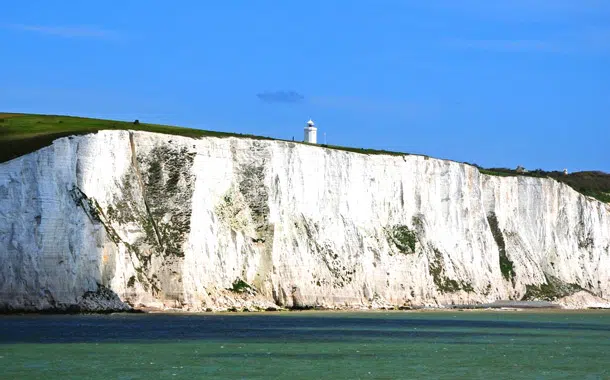
Dover
Just 21 miles from the European mainland (the French cliffs are visible on a clear day), it is the main passage through the English Channel.
History of DoverEnveloped by the passage of time, Dover stands as a monumental beacon of Britain's heritage. Situated at the closest point to continental Europe, it has served as the gateway to England for centuries. The iconic White Cliffs of Dover, symbolic of hope and freedom, have witnessed the ebb and flow of conquerors, traders, and travelers. Central to its historical narrative is Dover Castle, known as the "Key to England," boasting an extensive history dating back to the Iron Age and later fortified by the Romans and Normans. This town is not just a witness but a storyteller of England's tumultuous history.
Climate in DoverDover's climate is characterized by its mildness, a trait particularly appealing to those seeking to escape extreme weather conditions. Summers are pleasantly warm without being oppressively hot, with average temperatures hovering around 20°C (68°F), making it an ideal time for exploring. Winters are moderate, with temperatures rarely falling below freezing. This temperate climate ensures that Dover can be enjoyed year-round, offering a comfortable environment for all its visitors.
Attractions and Places to VisitDover is not just a historical gem but also a treasure trove of natural beauty and cultural sites. Beyond the White Cliffs, Dover Castle stands as a formidable reminder of the past, offering breathtaking views and a deep dive into history. The Secret Wartime Tunnels weave beneath the castle, offering an immersive experience into WWII strategies. For nature lovers, the Samphire Hoe Country Park, created from the material dug to build the Channel Tunnel, offers serene walks and stunning vistas. Each site in Dover tells its own unique story, inviting exploration and discovery.
Local Cuisine and Specialty ProductsThe culinary landscape of Dover is as rich and varied as its history. Known for its fresh seafood, the town boasts dishes like Dover sole, celebrated worldwide for its delicate taste. Local pubs and restaurants also offer traditional English fare, from hearty stews to the classic fish and chips, often with a contemporary twist. Regional produce, like Kentish apples and artisanal cheeses, add to the gastronomic experience, making Dover a must-visit for food enthusiasts.
Concluding Remarks: Embark on a Cruise from DoverEmbarking on a cruise from Dover is not just a journey; it's an adventure steeped in history, natural beauty, and culinary delights. This port, renowned for its strategic importance and breathtaking views, serves as the perfect gateway to exploring the British Isles and beyond. With its convenient location, temperate climate, and rich cultural tapestry, Dover invites cruisers to begin their voyage in a city that promises an unforgettable experience. Whether you're drawn by the call of history, the allure of gastronomy, or the simple joy of scenic landscapes, Dover is a destination that transcends expectations, making it an ideal starting point for your next cruise adventure.
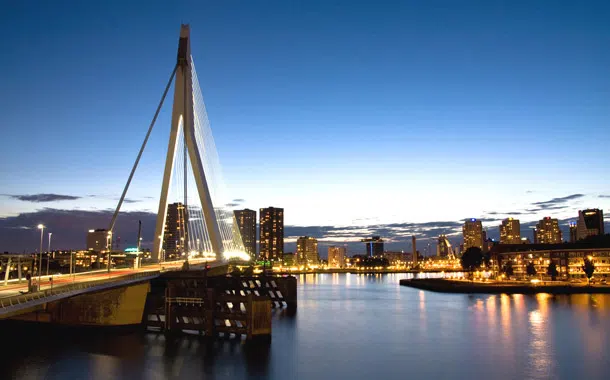
Rotterdam
Rotterdam has a booming energy, with an excellent nightlife, a multicultural community, a gritty arts scene and an offer of excellent museums.
Rotterdam, the Netherlands' 'second city', was heavily bombed during the Second World War and spent decades before reconstruction. You won't find the classic medieval Dutch architecture here – it was swept away along with the other debris and debris of war. In its place is an architectural aesthetic that is unique in Europe, a perpetually progressive approach to construction that is clearly a result of the city's post-war, postmodern philosophy. In fact, Rotterdam is known as a city of architecture. In the few square kilometers of the city center you have a complete overview of what the twentieth century produced in terms of modern architecture.
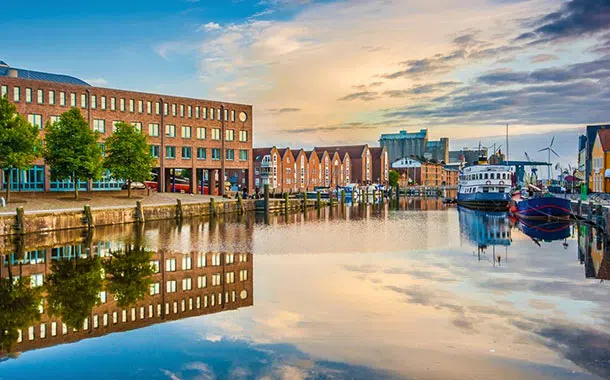
Kiel
Kiel is a city in Eder River and it is near the Baltic Sea. Hamburg and Lübeck are the nearest cities and are about 90 kilometres far from Kiel.
The origins of Kiel are dated back to XII Century. The city was established by Schauenburg Family and it was the farthest north city of the Holy Roman Empire. Among the noteworthy structures, the University is one of the most ancient and was founded in 1665.
During the years, Kiel was subjected to the influence of the neighbouring countries and has been property of Denmark and Sweden. Germany took it back in 1815. At the end of XIX Century, Kiel Canal was opened. It is about 100 kilometres long, and it links the Baltic Sea with the North Sea and it’s been so far one of the most congested canals in the world. Kiel is an important port for the cruises to Northern Europe and has all summer long many departures for the Baltic Capitals and the Norwegian Fjords.
Kiel is an important port of the cruise market: many of the cruises to Northern Europe depart from Kiel. It is no coincidence that it is the most important port in Germany.
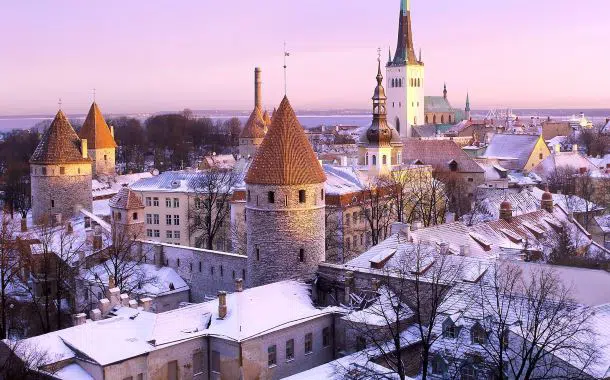
Tallinn
Tallinn is the capital of Estonia as well as its main port, it is located on the northern coast of the country, overlooking the Baltic Sea, 80 kilometers south of Helsinki and is also the most populous city and major economic and commercial center of the country.
Helsinki
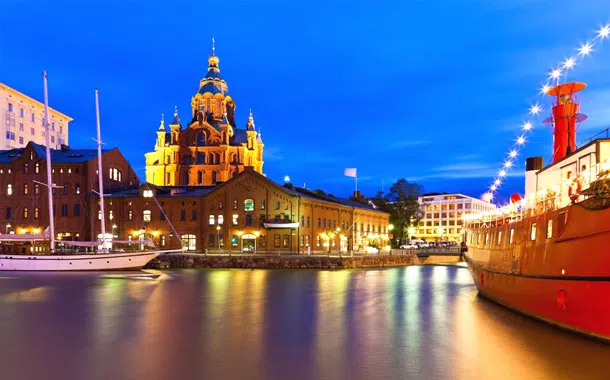
Helsinki, the capital of Finland, is a lively port city surrounded by beautiful small islands and beautiful green spaces. The atmosphere here is both relaxing and stimulating thanks to the city's large number of top quality restaurants, bars and discotheques.
Winter temperatures are relatively high due to the latitude, averaging around -5°C in January and February. The average temperature from June to August varies from 19 °C and 21°C.
The Finns have long been admired for their graceful design and typically immaginative architecture. Lots of past and present styles are represented in this metropolis, ranging from the medieval and the neoclassical ones to the beautiful ultra-modern creations. The beauty of the surrounding nature harmoniously blends with the high-tech and the contemorary ways of the city. In this lively city you will find kind people, a welcoming and relaxed lifestyle and beautiful gardens and parks.
Tourism in Helsinki is largely dominated by culture. The city has lots of museums including the National museum (Kansallis Museum), the Museum of Contemporary Art (Kiasma), the Museum of Classic Art
(Ateneum) and the Natural History Museum. Suomenlina is a beautiful island off the coast of Helsinki, its special feature being the presence of ancient fortifications. The landscape is beautiful, the island is quiet and it is perfect for walking (it takes only 2 hours to walk around the island).
Finally, try the Esplanade Park, which has been open since 1812 and has numerous statues honouring poets and writers. The walk is very pleasant and numerous concerts are organised during the summer.
Winter temperatures are relatively high given the latitude, with an average of around -5°C in January and February. The average maximum from June to August, in turn, fluctuates between 19 and 21°C.
The Finns have long been admired for their graceful design and typically imaginative architecture. Many past and present styles are represented in this metropolis, from medieval to neoclassical, to superb ultra-modern creations. The beauty of the surrounding nature blends harmoniously with high-tech and the contemporary modes of the city.
In this sparkling city you will find friendly people, the welcoming and relaxing lifestyle, embellished by beautiful gardens and parks.
Tourism in Helsinki is largely dominated by culture. The city has many museums, including the National Museum (Kansallis museum), the Museum of Contemporary Art (Kiasma), the museum of classical art (Ateneum) or the Museum of Natural History.
Suomenlina is a beautiful island off the coast of Helsinki, its particularity is the presence of ancient fortifications. The landscape is beautiful, the island is quiet and it's perfect for walking (it only takes 2 hours to go around the island).
Finally, try the Esplanade Park open since 1812, there are numerous statues in honor of poets and writers. The walk is very pleasant and during the summer many concerts are organized.
Helsinki
Helsinki, the capital of Finland, is a lively port city surrounded by beautiful small islands and beautiful green spaces. The atmosphere here is both relaxing and stimulating thanks to the city's large number of top quality restaurants, bars and discotheques.
Winter temperatures are relatively high due to the latitude, averaging around -5°C in January and February. The average temperature from June to August varies from 19 °C and 21°C.
The Finns have long been admired for their graceful design and typically immaginative architecture. Lots of past and present styles are represented in this metropolis, ranging from the medieval and the neoclassical ones to the beautiful ultra-modern creations. The beauty of the surrounding nature harmoniously blends with the high-tech and the contemorary ways of the city. In this lively city you will find kind people, a welcoming and relaxed lifestyle and beautiful gardens and parks.
Tourism in Helsinki is largely dominated by culture. The city has lots of museums including the National museum (Kansallis Museum), the Museum of Contemporary Art (Kiasma), the Museum of Classic Art
(Ateneum) and the Natural History Museum. Suomenlina is a beautiful island off the coast of Helsinki, its special feature being the presence of ancient fortifications. The landscape is beautiful, the island is quiet and it is perfect for walking (it takes only 2 hours to walk around the island).
Finally, try the Esplanade Park, which has been open since 1812 and has numerous statues honouring poets and writers. The walk is very pleasant and numerous concerts are organised during the summer.
Winter temperatures are relatively high given the latitude, with an average of around -5°C in January and February. The average maximum from June to August, in turn, fluctuates between 19 and 21°C.
The Finns have long been admired for their graceful design and typically imaginative architecture. Many past and present styles are represented in this metropolis, from medieval to neoclassical, to superb ultra-modern creations. The beauty of the surrounding nature blends harmoniously with high-tech and the contemporary modes of the city.
In this sparkling city you will find friendly people, the welcoming and relaxing lifestyle, embellished by beautiful gardens and parks.
Tourism in Helsinki is largely dominated by culture. The city has many museums, including the National Museum (Kansallis museum), the Museum of Contemporary Art (Kiasma), the museum of classical art (Ateneum) or the Museum of Natural History.
Suomenlina is a beautiful island off the coast of Helsinki, its particularity is the presence of ancient fortifications. The landscape is beautiful, the island is quiet and it's perfect for walking (it only takes 2 hours to go around the island).
Finally, try the Esplanade Park open since 1812, there are numerous statues in honor of poets and writers. The walk is very pleasant and during the summer many concerts are organized.
Stockholm
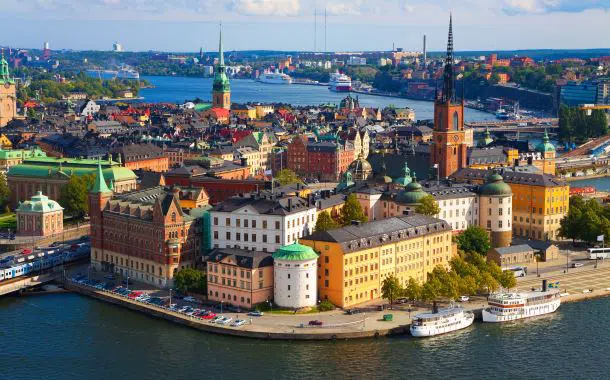
The capital of Sweden is considered one of the most beautiful cities in the world, a mirage of buildings in saffron colors and iridescent terracottas between the blue of the water and the even bluer skies of the Swedish summer, or candid, covered with snow and dotted with winter lights. It is also a lively, modern city, famous for the production of elegant design, cutting-edge fashion and world-class nightclubs.
The old town, Gamla Stan, is a compact little labyrinth seemingly built for small, thin people. The red, orange, and vanilla stucco walls of the buildings that seem to curve in towards each other house countless souvenir shops and ice cream parlors.
Just south of Gamla Stan is another island-neighborhood, Södermalm, where hills high waterfront are embellished by beautiful residences and the main avenues are lined with bohemian shops, art galleries, and Clubs. On the other side of Gamla Stan is the main city center, a bustling metropolis where boutiques and restaurants enliven the cool Swedish evenings.
Stockholm
The capital of Sweden is considered one of the most beautiful cities in the world, a mirage of buildings in saffron colors and iridescent terracottas between the blue of the water and the even bluer skies of the Swedish summer, or candid, covered with snow and dotted with winter lights. It is also a lively, modern city, famous for the production of elegant design, cutting-edge fashion and world-class nightclubs.
The old town, Gamla Stan, is a compact little labyrinth seemingly built for small, thin people. The red, orange, and vanilla stucco walls of the buildings that seem to curve in towards each other house countless souvenir shops and ice cream parlors.
Just south of Gamla Stan is another island-neighborhood, Södermalm, where hills high waterfront are embellished by beautiful residences and the main avenues are lined with bohemian shops, art galleries, and Clubs. On the other side of Gamla Stan is the main city center, a bustling metropolis where boutiques and restaurants enliven the cool Swedish evenings.

Copenaghen
Copenhagen, literally "port of the merchants", is the capital of Denmark and one of the country's most densely populated cities. Originally a city mainly inhabited by fishermen, it became a fundamentally important port for trade.
Copenhagen is a year-round tourist destination and in summer the flow of tourists increases considerably thanks to Northern Europe cruises.
It is very common to add a stay in the city before a cruise, to take in its distinguishing relaxing atmosphere and see what it has to offer. Among its famous attractions you cannot miss the statue of the Mermaid which is located right at the entrance to the port and the Tivoli Gardens, one of the world's largest amusement parks, opened in 1843 and loved by everyone.
Copenhagen (København in Danish and 'Copenaga' in Italian [no source]) is the capital and the most populous city of Denmark with 518,574 inhabitants in the municipality (1,167,569 in the urban area). The city stretches across the islands of Sjælland and Amager and is separated from the city of Malmö in Sweden by the strait of Øresund.
Dover
Just 21 miles from the European mainland (the French cliffs are visible on a clear day), it is the main passage through the English Channel.
History of DoverEnveloped by the passage of time, Dover stands as a monumental beacon of Britain's heritage. Situated at the closest point to continental Europe, it has served as the gateway to England for centuries. The iconic White Cliffs of Dover, symbolic of hope and freedom, have witnessed the ebb and flow of conquerors, traders, and travelers. Central to its historical narrative is Dover Castle, known as the "Key to England," boasting an extensive history dating back to the Iron Age and later fortified by the Romans and Normans. This town is not just a witness but a storyteller of England's tumultuous history.
Climate in DoverDover's climate is characterized by its mildness, a trait particularly appealing to those seeking to escape extreme weather conditions. Summers are pleasantly warm without being oppressively hot, with average temperatures hovering around 20°C (68°F), making it an ideal time for exploring. Winters are moderate, with temperatures rarely falling below freezing. This temperate climate ensures that Dover can be enjoyed year-round, offering a comfortable environment for all its visitors.
Attractions and Places to VisitDover is not just a historical gem but also a treasure trove of natural beauty and cultural sites. Beyond the White Cliffs, Dover Castle stands as a formidable reminder of the past, offering breathtaking views and a deep dive into history. The Secret Wartime Tunnels weave beneath the castle, offering an immersive experience into WWII strategies. For nature lovers, the Samphire Hoe Country Park, created from the material dug to build the Channel Tunnel, offers serene walks and stunning vistas. Each site in Dover tells its own unique story, inviting exploration and discovery.
Local Cuisine and Specialty ProductsThe culinary landscape of Dover is as rich and varied as its history. Known for its fresh seafood, the town boasts dishes like Dover sole, celebrated worldwide for its delicate taste. Local pubs and restaurants also offer traditional English fare, from hearty stews to the classic fish and chips, often with a contemporary twist. Regional produce, like Kentish apples and artisanal cheeses, add to the gastronomic experience, making Dover a must-visit for food enthusiasts.
Concluding Remarks: Embark on a Cruise from DoverEmbarking on a cruise from Dover is not just a journey; it's an adventure steeped in history, natural beauty, and culinary delights. This port, renowned for its strategic importance and breathtaking views, serves as the perfect gateway to exploring the British Isles and beyond. With its convenient location, temperate climate, and rich cultural tapestry, Dover invites cruisers to begin their voyage in a city that promises an unforgettable experience. Whether you're drawn by the call of history, the allure of gastronomy, or the simple joy of scenic landscapes, Dover is a destination that transcends expectations, making it an ideal starting point for your next cruise adventure.
Rotterdam
Rotterdam has a booming energy, with an excellent nightlife, a multicultural community, a gritty arts scene and an offer of excellent museums.
Rotterdam, the Netherlands' 'second city', was heavily bombed during the Second World War and spent decades before reconstruction. You won't find the classic medieval Dutch architecture here – it was swept away along with the other debris and debris of war. In its place is an architectural aesthetic that is unique in Europe, a perpetually progressive approach to construction that is clearly a result of the city's post-war, postmodern philosophy. In fact, Rotterdam is known as a city of architecture. In the few square kilometers of the city center you have a complete overview of what the twentieth century produced in terms of modern architecture.
Hamburg
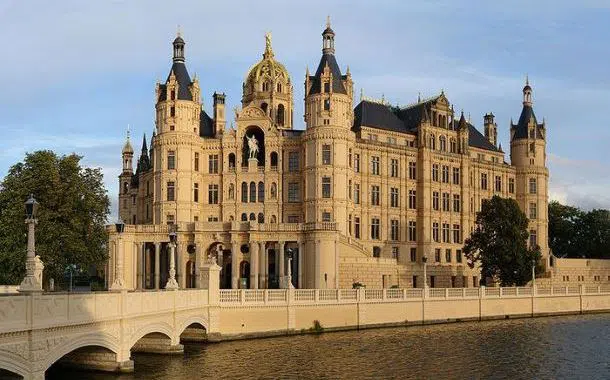
Hamburg is without a doubt the best city in Europe for seeing unique bridges. Its tourist sites are characterised by the typical bohemian style of the sailors and its port.
Just behind Berlin in terms of size and population, the city of Hamburg is home to one of the largest ports in Europe. You will understand why it is know as the 'Venice of the North', when you explore its many canals and waterways. Do not forget to take a trip to the fish market and to the merchants' district, where you will find unique architecture and impressive red brick buildings. Having a delicious dinner by the river or spending a night in the university district is a must.
Hamburg is a destination with many tourist attractions, especially its ancient port and the exclusive lake located in the city centre.
You should also be sure to visit the renowned Kunsthalle (north of the Hauptbahnhof). The Kunsthalle houses an art collection of international importance, covering everything from medieval portraits to 20th century minimalism.
The Rathaus, a neo-Renaissance style building, is home to Hamburg's city hall. When Parliament is not in session, several guided tours are available.
There are also big exhibitions and historical events that are great for tourists.
Hamburg
Hamburg is without a doubt the best city in Europe for seeing unique bridges. Its tourist sites are characterised by the typical bohemian style of the sailors and its port.
Just behind Berlin in terms of size and population, the city of Hamburg is home to one of the largest ports in Europe. You will understand why it is know as the 'Venice of the North', when you explore its many canals and waterways. Do not forget to take a trip to the fish market and to the merchants' district, where you will find unique architecture and impressive red brick buildings. Having a delicious dinner by the river or spending a night in the university district is a must.
Hamburg is a destination with many tourist attractions, especially its ancient port and the exclusive lake located in the city centre.
You should also be sure to visit the renowned Kunsthalle (north of the Hauptbahnhof). The Kunsthalle houses an art collection of international importance, covering everything from medieval portraits to 20th century minimalism.
The Rathaus, a neo-Renaissance style building, is home to Hamburg's city hall. When Parliament is not in session, several guided tours are available.
There are also big exhibitions and historical events that are great for tourists.
Aarhus
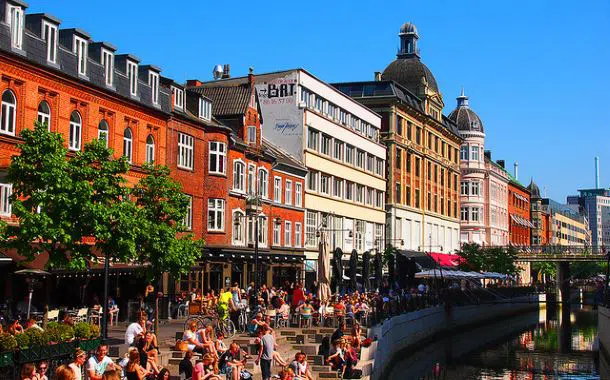
Aarhus is a dynamic city on the peninsula of Jutland in Denmark. From here, the beach, the harbor and the forest are all within a 15-minute bike ride. 315,000 people live in Aarhus and 1.2 million people live in the metropolitan area of Aarhus Area.
Aarhus is a dynamic city on the peninsula of Jutland in Denmark. The beach, the port and the forest can be reached in 15 minutes by bycicle. 315.000 inhabitants live in Aarhus and 1,2 million people live in the metropolitan area of Aarhus Area. Aarhus has been selected ar European Capital of Culture for the year 2017 and is a combination of innovation, media and communications with architecture and design and has a wide variety of cultural institutions. In Aarhus you can find gatherings of highly specialised companies, research and educational structures guided by a desire of collaboration and innovation. Aarhus stands out in renewable energy, food, health and productivity. As it is a university city, the atmosphere is a vibrating mixture of young energy. Welcome to Aarhus.
Copenaghen
Copenhagen, literally "port of the merchants", is the capital of Denmark and one of the country's most densely populated cities. Originally a city mainly inhabited by fishermen, it became a fundamentally important port for trade.
Copenhagen is a year-round tourist destination and in summer the flow of tourists increases considerably thanks to Northern Europe cruises.
It is very common to add a stay in the city before a cruise, to take in its distinguishing relaxing atmosphere and see what it has to offer. Among its famous attractions you cannot miss the statue of the Mermaid which is located right at the entrance to the port and the Tivoli Gardens, one of the world's largest amusement parks, opened in 1843 and loved by everyone.
Copenhagen (København in Danish and 'Copenaga' in Italian [no source]) is the capital and the most populous city of Denmark with 518,574 inhabitants in the municipality (1,167,569 in the urban area). The city stretches across the islands of Sjælland and Amager and is separated from the city of Malmö in Sweden by the strait of Øresund.
Copenaghen
Copenhagen, literally "port of the merchants", is the capital of Denmark and one of the country's most densely populated cities. Originally a city mainly inhabited by fishermen, it became a fundamentally important port for trade.
Copenhagen is a year-round tourist destination and in summer the flow of tourists increases considerably thanks to Northern Europe cruises.
It is very common to add a stay in the city before a cruise, to take in its distinguishing relaxing atmosphere and see what it has to offer. Among its famous attractions you cannot miss the statue of the Mermaid which is located right at the entrance to the port and the Tivoli Gardens, one of the world's largest amusement parks, opened in 1843 and loved by everyone.
Copenhagen (København in Danish and 'Copenaga' in Italian [no source]) is the capital and the most populous city of Denmark with 518,574 inhabitants in the municipality (1,167,569 in the urban area). The city stretches across the islands of Sjælland and Amager and is separated from the city of Malmö in Sweden by the strait of Øresund.
Oslo
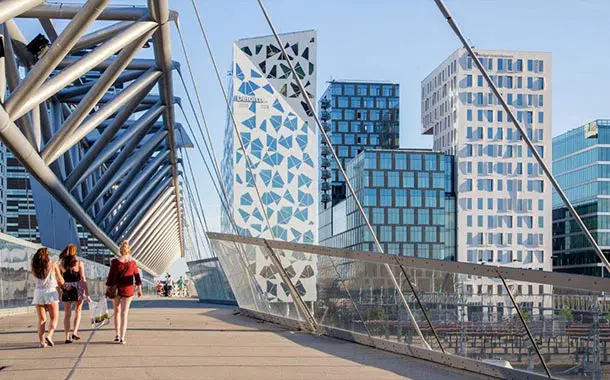
Oslo, located in the south-eastern part of the country, is the capital and largest city of Norway. Oslo is a lively city that perfectly blends its rich history with modern urban development, making it a dynamic and attractive place to live and visit.
It was founded around 1040 by King Harald Hardrada and became the capital of the country in 1299 under King Håkon V. The city was partially destroyed by a fire in 1624 and its reconstruction began under the reign of King Christian IV. King Christian IV renamed the city Christiania. The original name, Oslo, was restored only in 1925. Oslo is known for its beautiful natural landscapes, including forests, hills and lakes. Thanks to its beautiful landscapes, it is possible to practice numerous outdoor activities such as hiking, skiing and canoeing.
These unique features make the city an ideal destination for nature lovers. The city is home to several world-renowned museums, including the Viking Ship Museum, the Munch Museum (dedicated to the works of Edvard Munch, famous for “The Scream”), and the National Gallery. Don't miss the opportunity to visit one of these museums and share your photos with your friends! Every year, Oslo hosts one of the most important cultural events, the Nobel Peace Prize, which is awarded annually in the city at the City Hall.
Kristiansand
Bergen
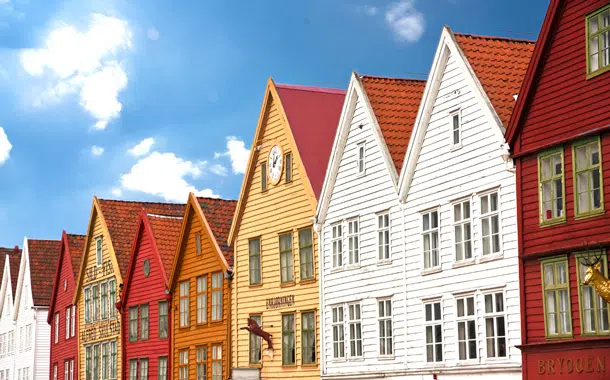
Surrounded by seven hills and seven fjords, Bergen is a beautiful, charming city with beauty and entertainment for all tastes. With the bustling port of Vågen as its centrepiece, Bergen climbs up the hills with hundreds of timber-clad houses, while cable cars offer splendid views from above. Great museums, friendly people and a dynamic cultural life make Bergen a popular destination in recent times, also thanks to the surrounding natural beauty. The wonderful natural beauties of this region will leave you speechless. HardangerFjord, Sognefjord and Geirangerfjord are similar if we consider some aspects such as: steep walls of crystal- clear rock plummeting with sublime force directly into the sea, often decorated with waterfalls and small farms that blend harmoniously with the natural landscape.With the lively port of Vågen as its fulcrum, Bergen climbs the hills with hundreds of wooden-clad houses, while cable cars offer a splendid view from above. Great museums, friendly people and a dynamic cultural life make Bergen a very popular destination in recent times, also thanks to the surrounding natural beauty. This spectacular region will dazzle you with a truly indescribable scenario. Hardanger Fjord, Sognefjord and Geirangerfjord are all variations on the same theme: steep walls of crystalline rock that plunge with sublime force directly into the sea, often decorated with waterfalls and small farms that blend harmoniously with the natural landscape.
Stavanger
Stavanger is a Norwegian city located in the county of Rogaland, and it is a very ancient city. It seems that the first settlements took place about 10,000 years ago. It received city status in the 12th century, and in the same period, it became a bishop's seat, acquiring great importance from a religious point of view. It lost this role following the Protestant Reformation of 1536. Stavanger experienced the economic boom in the late 1960s: this area, in fact, became an important oil extraction base in the North Sea.
From a cultural point of view, Stavanger is a very active city: it was chosen, in fact, in 2008 as European Capital of Culture. Stavanger is a popular tourist destination thanks to the breathtaking landscapes that the city itself and the surrounding areas offer.
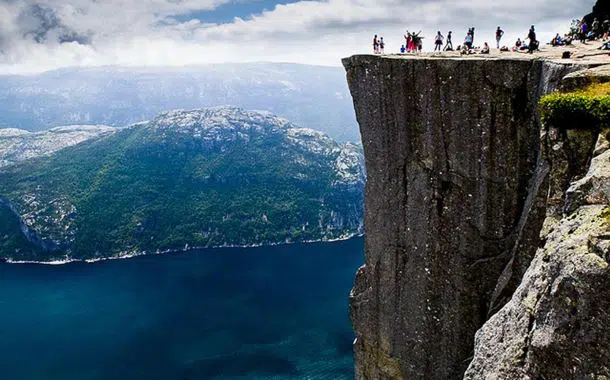
You cannot miss the Preikestolen, a rock 604 meters high from which you can enjoy a breathtaking view and which is visited every year by an ever-increasing number of tourists.
The city is very lively and full of attractions for leisure, including restaurants, clubs, and shops. The historic center is quite small and it is worth visiting on foot to fully enjoy the positive atmosphere that you breathe. Visiting Stavanger via a cruise in Northern Europe is one of the best ways to fully enjoy the landscape and to experience direct contact with nature.
Dover
Just 21 miles from the European mainland (the French cliffs are visible on a clear day), it is the main passage through the English Channel.
History of DoverEnveloped by the passage of time, Dover stands as a monumental beacon of Britain's heritage. Situated at the closest point to continental Europe, it has served as the gateway to England for centuries. The iconic White Cliffs of Dover, symbolic of hope and freedom, have witnessed the ebb and flow of conquerors, traders, and travelers. Central to its historical narrative is Dover Castle, known as the "Key to England," boasting an extensive history dating back to the Iron Age and later fortified by the Romans and Normans. This town is not just a witness but a storyteller of England's tumultuous history.
Climate in DoverDover's climate is characterized by its mildness, a trait particularly appealing to those seeking to escape extreme weather conditions. Summers are pleasantly warm without being oppressively hot, with average temperatures hovering around 20°C (68°F), making it an ideal time for exploring. Winters are moderate, with temperatures rarely falling below freezing. This temperate climate ensures that Dover can be enjoyed year-round, offering a comfortable environment for all its visitors.
Attractions and Places to VisitDover is not just a historical gem but also a treasure trove of natural beauty and cultural sites. Beyond the White Cliffs, Dover Castle stands as a formidable reminder of the past, offering breathtaking views and a deep dive into history. The Secret Wartime Tunnels weave beneath the castle, offering an immersive experience into WWII strategies. For nature lovers, the Samphire Hoe Country Park, created from the material dug to build the Channel Tunnel, offers serene walks and stunning vistas. Each site in Dover tells its own unique story, inviting exploration and discovery.
Local Cuisine and Specialty ProductsThe culinary landscape of Dover is as rich and varied as its history. Known for its fresh seafood, the town boasts dishes like Dover sole, celebrated worldwide for its delicate taste. Local pubs and restaurants also offer traditional English fare, from hearty stews to the classic fish and chips, often with a contemporary twist. Regional produce, like Kentish apples and artisanal cheeses, add to the gastronomic experience, making Dover a must-visit for food enthusiasts.
Concluding Remarks: Embark on a Cruise from DoverEmbarking on a cruise from Dover is not just a journey; it's an adventure steeped in history, natural beauty, and culinary delights. This port, renowned for its strategic importance and breathtaking views, serves as the perfect gateway to exploring the British Isles and beyond. With its convenient location, temperate climate, and rich cultural tapestry, Dover invites cruisers to begin their voyage in a city that promises an unforgettable experience. Whether you're drawn by the call of history, the allure of gastronomy, or the simple joy of scenic landscapes, Dover is a destination that transcends expectations, making it an ideal starting point for your next cruise adventure.
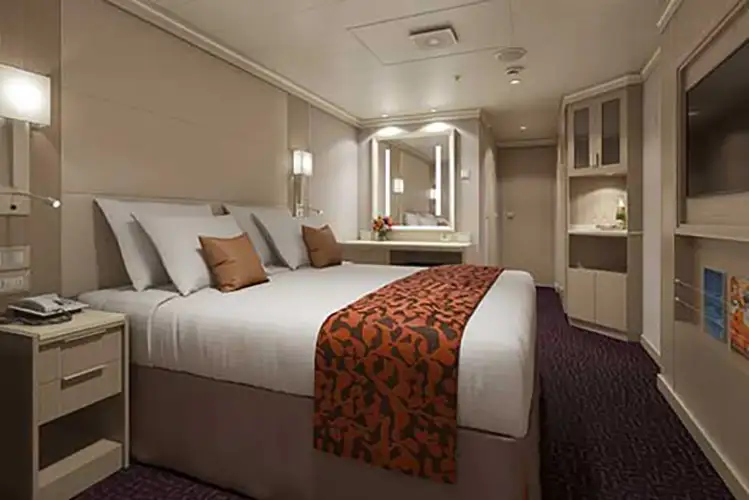
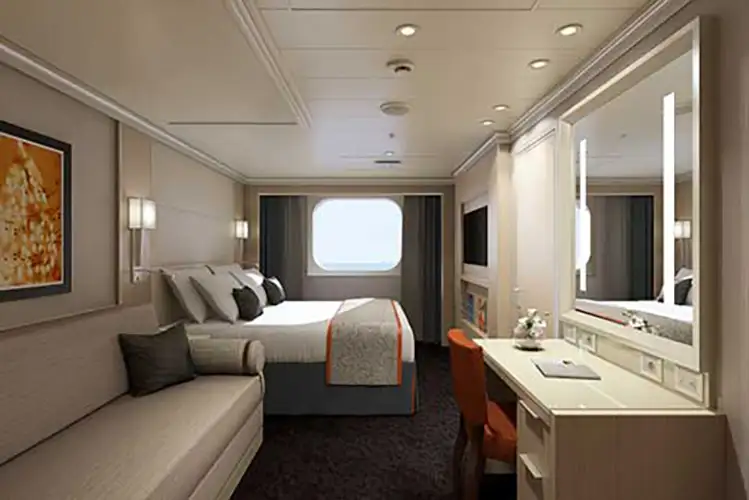
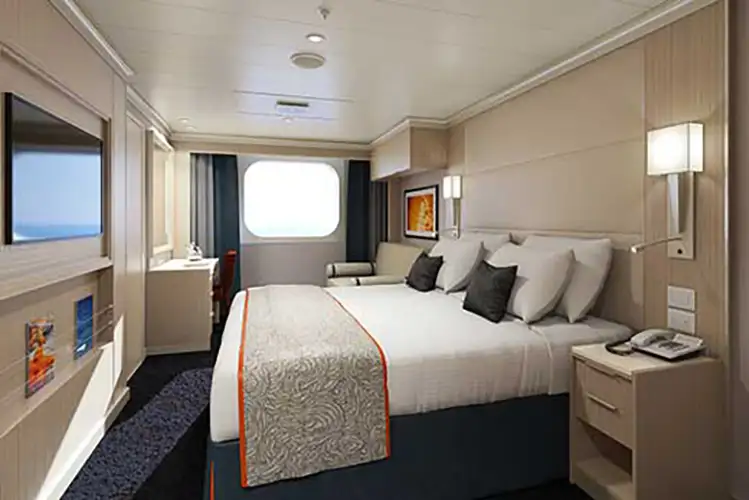
Info on the ship Nieuw Statendam