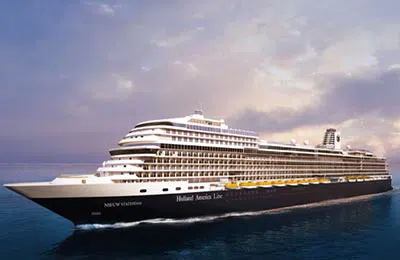
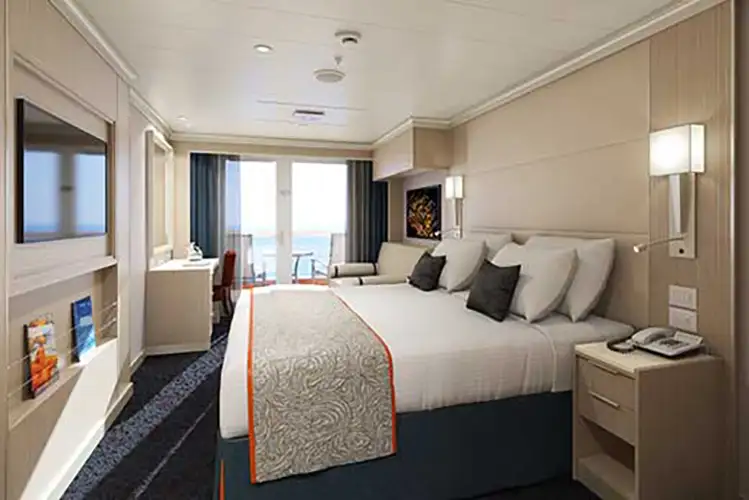
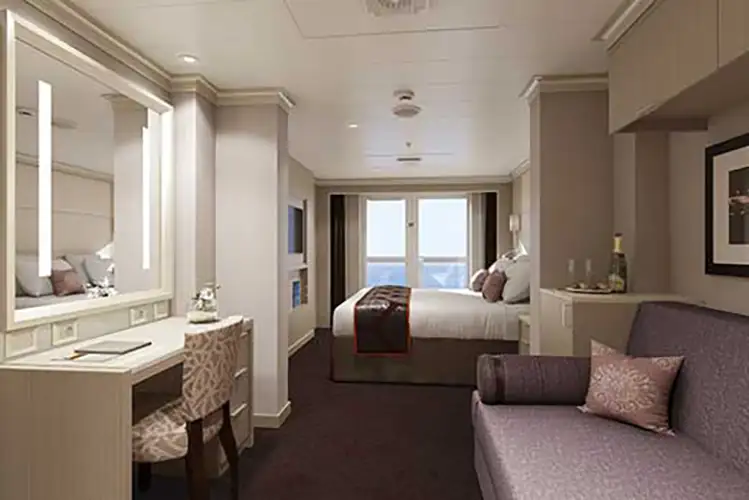
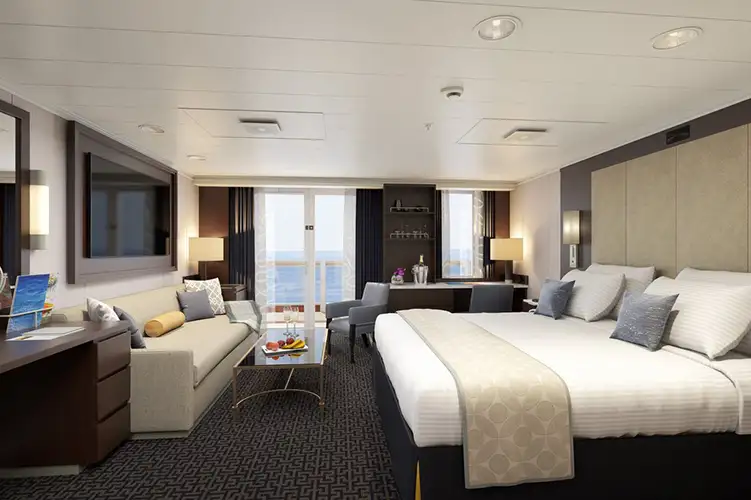
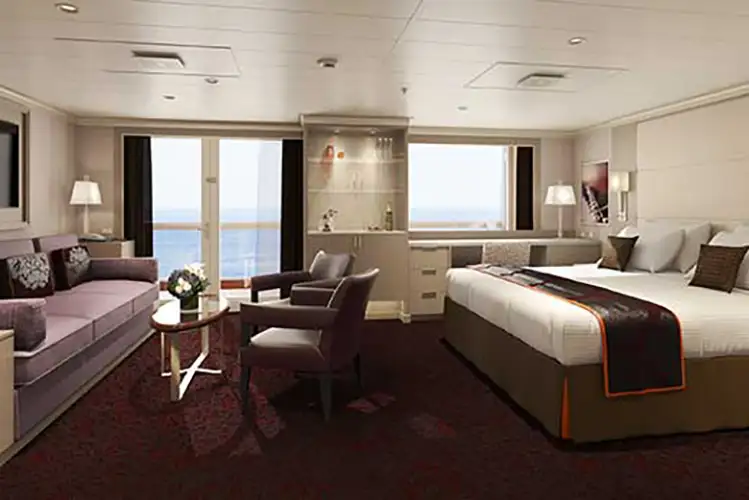
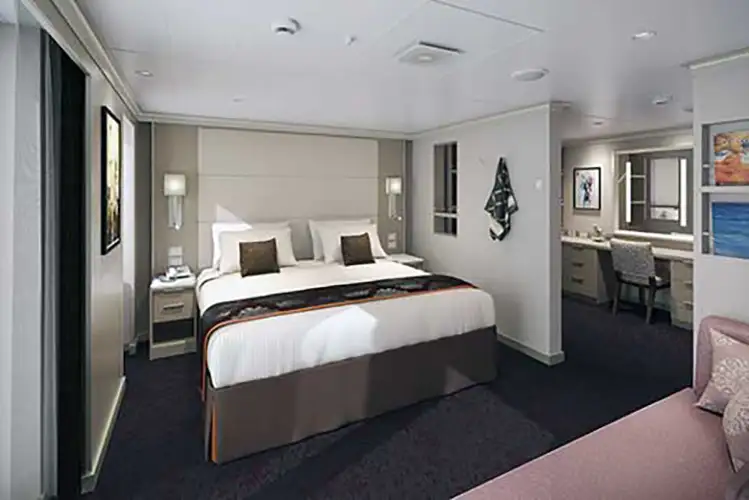
Holland America Line Northern Europe: 25 nights from Lisbon with Nieuw Statendam
Mar 21, 2028
Portugal, Spain, Ireland, United Kingdom, Netherlands, Morocco


Cruise itinerary
Departure Port: Lisbon ➞
Landing: Rotterdam
-
 Tuesday, March 21, 2028 - 4:00 PMLisbon
-
Wednesday, March 22, 2028 8:00 AM - 5:00 PMOporto
-
Thursday, March 23, 2028 8:00 AM - 4:00 PMLa Coruna
-
Friday, March 24, 2028 10:00 AM - 6:00 PMBilbao
-
 Saturday, March 25, 2028Navigation
 -
Sunday, March 26, 2028Navigation
-
Monday, March 27, 2028 8:00 AM - 5:00 PMCork
-
Tuesday, March 28, 2028 10:00 AM - 11:00 PMLiverpool
-
Wednesday, March 29, 2028Navigation
-
Thursday, March 30, 2028 8:00 AM - 5:00 PMPortland (GB)
-
Friday, March 31, 2028 7:00 AM - 6:00 PMDover
-
Saturday, April 1, 2028 7:00 AM - 3:00 PMRotterdam
-
Sunday, April 2, 2028Navigation
-
Monday, April 3, 2028Navigation
-
Tuesday, April 4, 2028Navigation
-
Wednesday, April 5, 2028 12:00 PM - 6:00 PMAgadir
-
Thursday, April 6, 2028 10:00 AM - 9:00 PMArrecife
-
Friday, April 7, 2028 8:00 AM - 11:00 PMLas Palmas
-
Saturday, April 8, 2028 8:00 AM - 5:00 PMSanta Cruz de Tenerife
-
Sunday, April 9, 2028 10:00 AM - 7:00 PMnavigation
-
Monday, April 10, 2028Navigation
-
Tuesday, April 11, 2028 10:00 AM - 9:00 PMOporto
-
Wednesday, April 12, 2028Navigation
-
Thursday, April 13, 2028Navigation
-
Friday, April 14, 2028 7:00 AM - 6:00 PMDover
-
Saturday, April 15, 2028 7:00 AMRotterdam
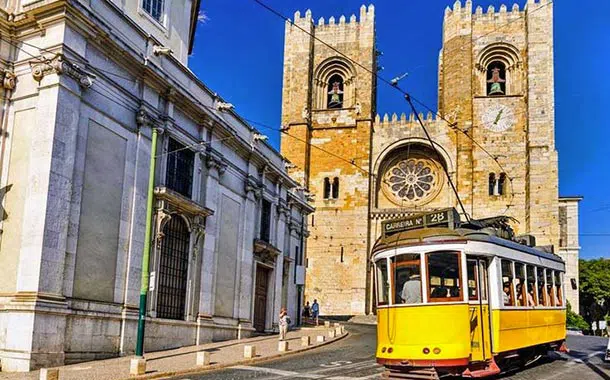
Lisbon
Perched on steep slopes overlooking the Tagus River, Lisbon offers all the pleasures you'd expect from Portugal's main attraction.
The capital of Portugal, Lisbon (in Portuguese Lisboa) has experienced a great rebirth in recent years, with a lively and flourishing contemporary culture. Perched on the coast of the Atlantic Ocean, Lisbon is one of the rare European cities that face the ocean and use water as an element that defines the city. Lisbon enchants travelers with its white limestone buildings, intimate alleys and an ancient charm that makes it a popular destination all year round.
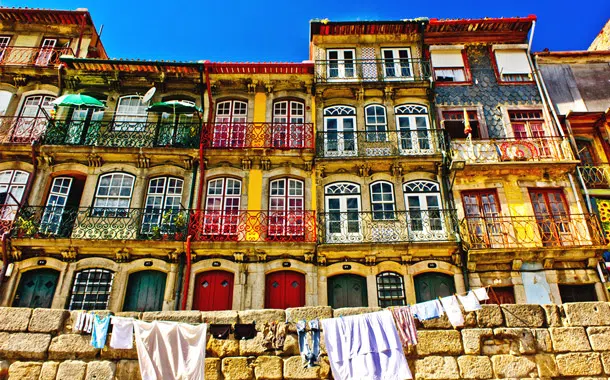
Oporto
At the mouth of the Rio Douro, the hilly city of Porto presents a mix of styles, eras and attitudes: narrow medieval alleys, extravagant Baroque churches, small squares and wide avenues, flanked by stately buildings.
The heart of Oporto is the Ribeira district, an area declared a UNESCO World Heritage Site made up of winding alleys, zigzagging stairs and churches on every corner, village-style squares and old merchants' houses where Roman ruins are hidden under the foundations. In the last two decades Porto has undergone a remarkable rebirth – which is expressed in the buzz of its efficient metro system and the shimmering of some ambitious urban renewal projects. The crowning of the city's glories are the two latest masterpieces, Museu de Arte Contemporânea by Álvaro Siza Vieira and the 'Casa da Música, which have transformed the city into a place of pilgrimage for architecture enthusiasts.
The Dom Luís I bridge an audacious iron arch, which crosses the Douro river, is impressive and not to be missed. It was built by the Belgian engineer Théophile Seyrig, for road traffic. Since 2003 the upper level has been used exclusively by the city's metro trams.
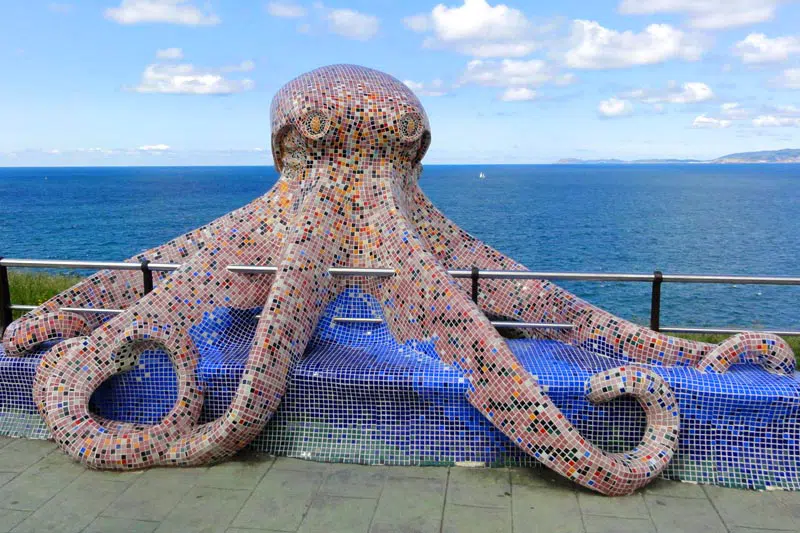
La Coruna
La Coruña is a city and municipality in Spain. It belongs to the autonomous region of Galicia and is the capital of the province. Important historic port is located on the north-western coast of the Iberian Peninsula, in the Rias Altas.
Located on the coast of the Atlantic Ocean, La Coruña is a city whose history has maintained close ties with its old fishing and commercial port. The peninsula on which the houses of the historic center are located, beyond the Tower of Hercules, one of the symbols of the city and declared a World Heritage Site by UNESCO, you will find a set of interesting and historic streets, squares and medieval churches.
Although the origin of the town may appear as an old Celtic settlement, the history of the city began to be important in Roman times, when the port became a fundamental structure for the country.
Historically, the port has been the scene of some of the most important historical events in the city, such as the defeat of the English corsair Francis Drake in 1589, thanks to the resistance of the entire population and led by the protagonist María Pita.
The Finisterrae Aquarium, the Domus and the Science Museum are some of the areas that show the most modern and playful side of the provincial capital, also offers one of the most beautiful and extensive beaches of Riazor and Orzán. All this is completed with a traditional cuisine, marked by the excellence of its fish and meats from the interior of the province. Gastronomic city par excellence, it has many good places to enjoy the exquisite Galician cuisine. Furthermore, you will find several establishments that offer excellent wine, normally concentrated in the old part of the city.
In its splendid, always lively streets, there are good examples of Romanesque architecture. One of the most beautiful churches in the city is undoubtedly that of Santiago, the oldest in the area, built in the 12th century. Its large nave of arches houses a polychrome sculpture of Saint James dating back to the 13th century. For its architectural interest, it has been declared a Historical-Artistic Monument.
Sit on a terrace in Plaza de María Pita and discover its fascinating history, stroll through the Cantons admiring its famous modern-style crystal galleries, and if you want to go shopping, this is certainly the best place.
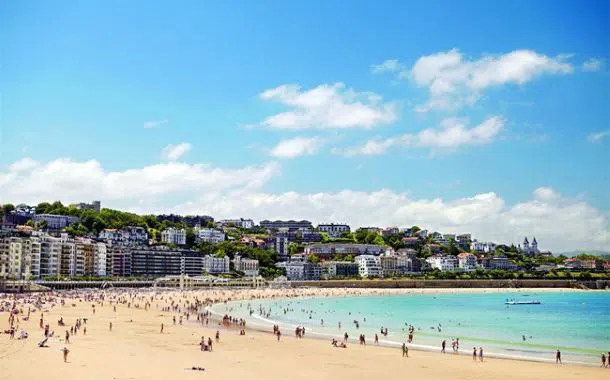
Bilbao
Bilbao, located on the Northern coast of Iberian Peninsula, is the ideal starting point to visit this area of Spain. Tourists come here to enjoy the beaches, discover its culture and absorb its mild climate. With one of Europe's largest ports, the vibrant city has been able to invest in a redevelopment plan, trasforming its brownfield sites into cutting-edge cultural and architectural venues.
But it is its historic center, which continues to fascinate with its stores, alleys and monuments. The city was officially founded in the 1300s, consolidating its economic position. Thanks to the exploitation of mining and steel industry areas, port and ship activity and its financial center, the city became one of the most important cities during the Industrial Revolution.
A modern and transportation network connects Bilbao to other cities in Spain. Thanks to its beautiful beaches, the city is the ideal destination for beach lovers. Beaches are not the only attractions in Bilbao, there are very fascinating places besides the beautiful beaches: the Cathedral of Santiago, located in the heart of the Old Town (Casco Viejo) is dedicated to the apostle Santiago, the official patron saint of the city of Bilbao since 1643.
Built at the end of the 14th century in the Gothic style, the neo-Gothic tower and façade were made by Severino Achúcarro in late 1887. The Old Bridge of San Antonio is located next to the church of the same name. Pablo de Alzola and Ernesto Hoffmeyer built a second bridge in 1877 but it was destroyed during the Civil War in 1937. San Antonio Bridge dates from the early 20th century, also known as the Atxuri Bridge, connecting the old neighborhood to the rest of the city. For nature lovers, the city is surrounded by a fertile landscape of forests, mountains, beaches, and cliffs that make Bilbao a tourist destination. A holiday aboard a cruise offers the opportunity to visit this beautiful city and partecipate in one of these unique activities.
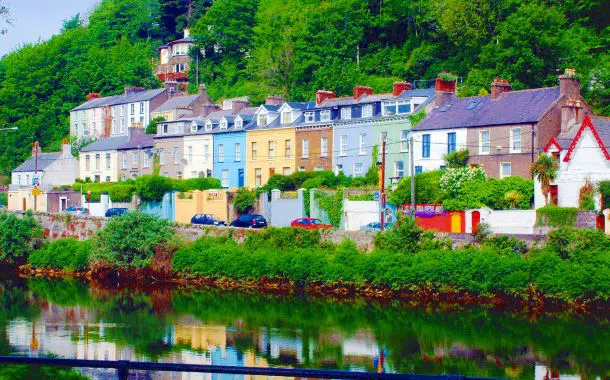
Cork
For a small town, Cork and full of resources!
Cork is the second largest city in Ireland after the capital Dublin. In recent years the citadel has undergone a major restyling and many restoration works, obtaining the title of European Capital of Culture in 2005. Divided in half by a river, as well as being beautiful it is also easy to get around. We recommend a walk along the banks of the Lee, especially at sunset, it will give you a truly fascinating show. Cork is a port city that has played a primary role in the history of Ireland. Once the transatlantic routes in this area were very numerous. Cobh, located in the back a few kilometers from the city, left thousands of Irish people fleeing from misery from the great famine in the years 1849-1850, a tragic episode that marked the collective memory causing the Irish diaspora in America. The small village is the image of Ireland as a whole, which has become cosmopolitan and attractive in a new look obtained in a few years. The largest zoo in Ireland is located at Fota Island, just 15 minutes from the city center. Patrick Street is a great street ideal for shopping, where you can satisfy your cravings. A little to the left, towards the Lee, you will see the renovated Crawford, an interesting contemporary art gallery. The English Market is a must for the search for local craftsmanship. Fans of pasteurized hops will be happy to know that they can visit the Beamish brewery, even if it is no longer active. Finally, don't miss the other side of the river, the historic church of Saint Anne Shandon (St. Anne's Church, Shandon Church).
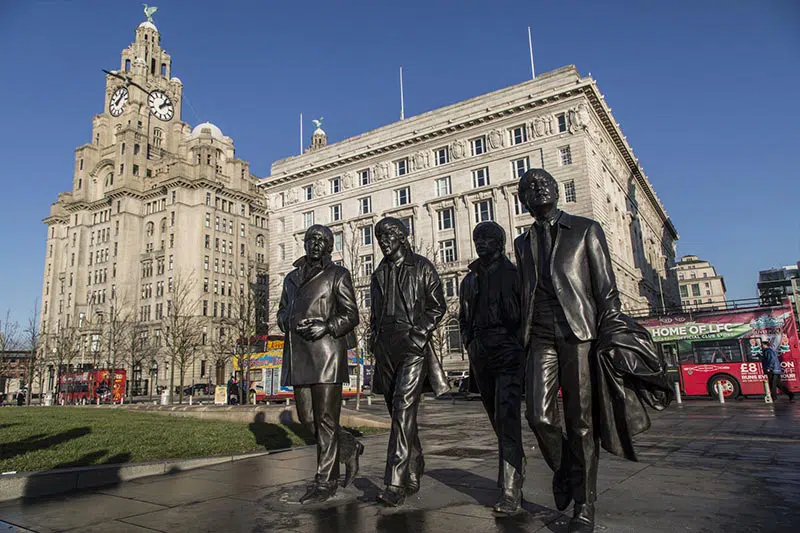
Liverpool
Transatlantic Journeys from Liverpool!Embark on an iconic cruise from Liverpool, England, a city globally renowned for its maritime history, musical legacy, and vibrant culture. From the historic Albert Dock to the Cavern Club, Liverpool offers a truly unique backdrop for your departure. Experience its lively atmosphere and rich heritage before setting sail on a journey across the Atlantic or to the charming cities of Northern Europe, promising a blend of history, entertainment, and serene sea days.
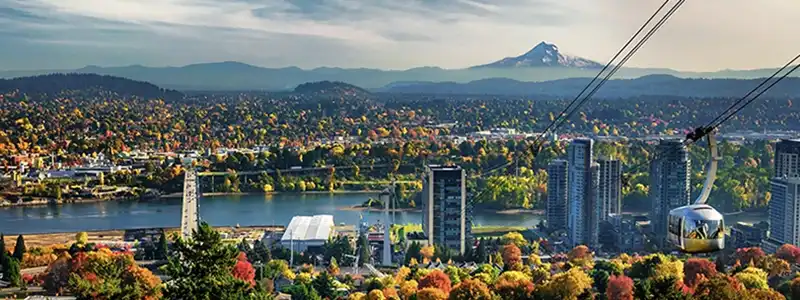
Portland (GB)
Dover
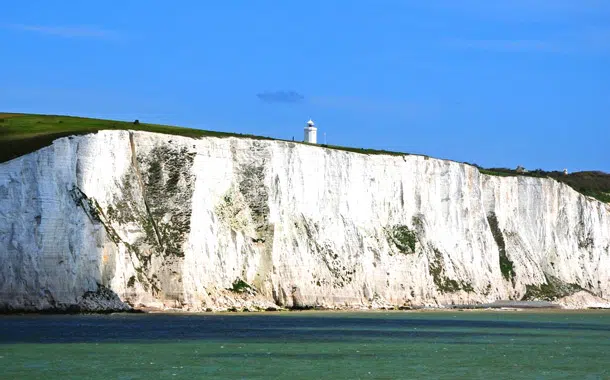
Just 21 miles from the European mainland (the French cliffs are visible on a clear day), it is the main passage through the English Channel.
History of DoverEnveloped by the passage of time, Dover stands as a monumental beacon of Britain's heritage. Situated at the closest point to continental Europe, it has served as the gateway to England for centuries. The iconic White Cliffs of Dover, symbolic of hope and freedom, have witnessed the ebb and flow of conquerors, traders, and travelers. Central to its historical narrative is Dover Castle, known as the "Key to England," boasting an extensive history dating back to the Iron Age and later fortified by the Romans and Normans. This town is not just a witness but a storyteller of England's tumultuous history.
Climate in DoverDover's climate is characterized by its mildness, a trait particularly appealing to those seeking to escape extreme weather conditions. Summers are pleasantly warm without being oppressively hot, with average temperatures hovering around 20°C (68°F), making it an ideal time for exploring. Winters are moderate, with temperatures rarely falling below freezing. This temperate climate ensures that Dover can be enjoyed year-round, offering a comfortable environment for all its visitors.
Attractions and Places to VisitDover is not just a historical gem but also a treasure trove of natural beauty and cultural sites. Beyond the White Cliffs, Dover Castle stands as a formidable reminder of the past, offering breathtaking views and a deep dive into history. The Secret Wartime Tunnels weave beneath the castle, offering an immersive experience into WWII strategies. For nature lovers, the Samphire Hoe Country Park, created from the material dug to build the Channel Tunnel, offers serene walks and stunning vistas. Each site in Dover tells its own unique story, inviting exploration and discovery.
Local Cuisine and Specialty ProductsThe culinary landscape of Dover is as rich and varied as its history. Known for its fresh seafood, the town boasts dishes like Dover sole, celebrated worldwide for its delicate taste. Local pubs and restaurants also offer traditional English fare, from hearty stews to the classic fish and chips, often with a contemporary twist. Regional produce, like Kentish apples and artisanal cheeses, add to the gastronomic experience, making Dover a must-visit for food enthusiasts.
Concluding Remarks: Embark on a Cruise from DoverEmbarking on a cruise from Dover is not just a journey; it's an adventure steeped in history, natural beauty, and culinary delights. This port, renowned for its strategic importance and breathtaking views, serves as the perfect gateway to exploring the British Isles and beyond. With its convenient location, temperate climate, and rich cultural tapestry, Dover invites cruisers to begin their voyage in a city that promises an unforgettable experience. Whether you're drawn by the call of history, the allure of gastronomy, or the simple joy of scenic landscapes, Dover is a destination that transcends expectations, making it an ideal starting point for your next cruise adventure.
Rotterdam
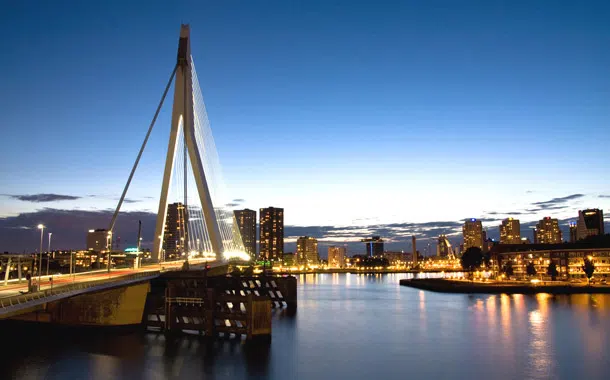
Rotterdam has a booming energy, with an excellent nightlife, a multicultural community, a gritty arts scene and an offer of excellent museums.
Rotterdam, the Netherlands' 'second city', was heavily bombed during the Second World War and spent decades before reconstruction. You won't find the classic medieval Dutch architecture here – it was swept away along with the other debris and debris of war. In its place is an architectural aesthetic that is unique in Europe, a perpetually progressive approach to construction that is clearly a result of the city's post-war, postmodern philosophy. In fact, Rotterdam is known as a city of architecture. In the few square kilometers of the city center you have a complete overview of what the twentieth century produced in terms of modern architecture.
Agadir
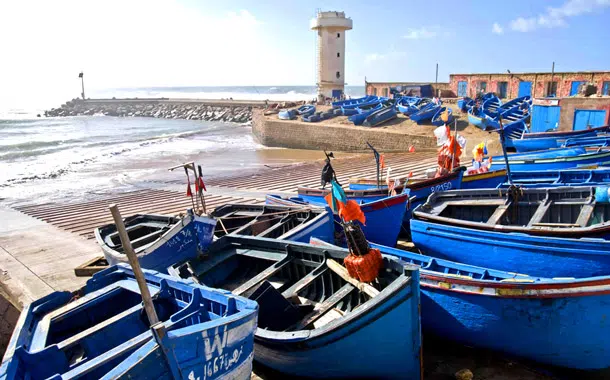
Splendid beaches, large avenues with palm trees, excellent resort hotels, all kinds of sports activities are the main features of Agadir. It has an excellent covered souk, which sells local specialties. The fish market is worth a visit to see the people at work. Day trips to the desert are a popular choice for cruises that stop here.
Known for its beautiful beaches and thriving tourism industry, Agadir is also an important gateway to the inland attractions of the Sahara desert. It presents an interesting combination of old and new: a long Moroccan tradition and culture combined with modern services offer a lively mix for the cruise passenger.
Arrecife
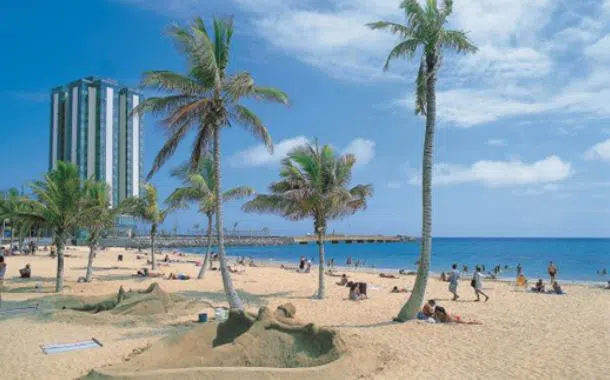
The capital of Lanzarote Island, in Canary Island, Arrecife was originally a small fishing village that now primarily relies on tourism. Lanzarote is one of the most wild and natural islands of the Canary and is of volcanic origin. Arrecife, the capital of Lanzarote, since the second half of the 19th century, is now the administrative and commercial center of the island.
Arrecife is a lively and cosmopolitan city full of culture and history, located on the eastern-central coast of the island. Initially known as a small fishing village in the 15th century, the area continued to grow until it became the capital of the island in 1852. Today, it is known as a wonderful holiday and shopping paradise. The city presents itself to travelers as a peaceful, cheerful and clean town. In its harbor, which is an area of intense commercial activity, two large fortresses, San Gabriel and San Jose, stand as reminders of the constant pirate attacks.
Other interesting monuments include the Castle of San Gabriel, built offshore and connected to the city by drawbridge, the San Juan Castle, and the Castillo del Hambre. Inside the Castello del Hambre, there is the international Museum of Contemporary Art, which exhibits works by the great artist Cesar Manrique.
The center of Arrecife is surrounded by some of the city’s best tourist attractions, such as the Parish of San Ginés Obispo and the shopping district of Calle Real. Heading north along the Coast, you will find the city’s ports: Puerto Naos, a fishing port, and the main port called Puerto de los Marmoles, the third most important port in the Canary Islands.
Las Palmas
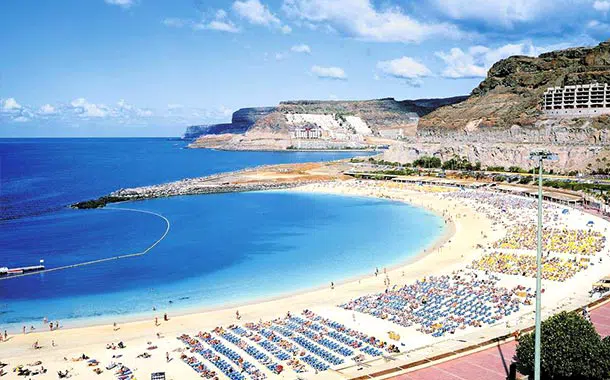
Located in the Atlantic Ocean 200 km from the African Coast, Gran Canaria has one of the most beautiful tropical landscapes. The island has wide and beautiful golden sand beaches, endless dunes, large indentations with vegetation and charming villages. In this majestic area, you can visit towns that has all kinds of services and amenities, such as in Las Palmas, with large shopping areas and a lively nightlife. You will have the opportunity to practice any water sport: diving, surfing and windsurfing.
Conversely, those who prefer other sports will have the opportunity to go hiking, climbing, or cycling. The island is also an ideal destination for golf lovers, as it has a wide range of excellent courses. Gran Canaria has excellent cuisine and the variety of fun traditional festivals, and theme parks. In short, it is an ideal place for a great island vacation.
Santa Cruz de Tenerife
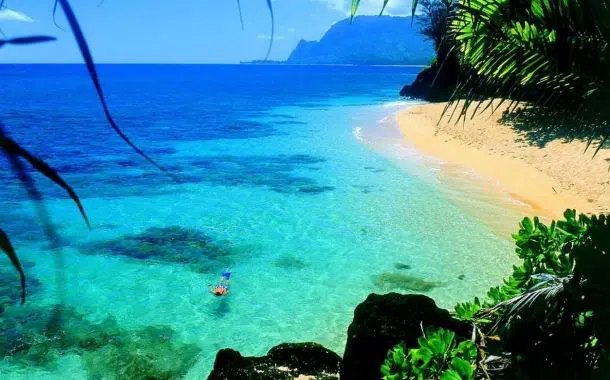
Santa Cruz de Tenerife, the capital of Tenerife, is located in the north-east of the island. Its pleasent climate and commercial areas make the city the perfect place for walking and enjoying long hours of relaxation. There are lots of things to visit in the city such as its avenues, parks and Henry Moore's most famous sculptures, hidden treasures and historic buildings such as the Church of the Conception or the Carta Palace.
Do not miss the opportunity to taste local cuisine. Santa Cruz de Tenerife is a beautiful port located in Tenerife, the largest of the western islands of the Canary Islands archipelago. In the area around the port, there are wide avenues, squares, exotic green areas and some examples of modern architecture. At the heart of the city, near the sea, there is Plaza de España, built in the mid-20th century and once the site of the San Cristobal Castle (16th century).
The oldest part of the city is rich in religious monuments. The construction of the Church of San Francisco, one of the best examples of the Baroque style, began in the 17th century. The Church of Pilar, dated back to the 18th century, stands on the remains of an ancient temple. The city has also some green areas filled with exotic tree species. The Garcia Sanabria Park houses an important outdoor Sculpture Museum.
Another not to be missed place is the Maritime Park, a recreational area designed by architect César Manrique and located in the old Canary Islands commercial basin. Also known as the Black Castle, this circular defensive bastion was built in the first half of the 17th century with volcanic stones. From a naturalistic point of view, Tenerife is an island of contrasting landscapes. The wide beaches of fine sand in the south of the island give way to lush vegetation in the north.
Every year, the outfits of the island's capital prepare to host Carnival, declared International Tourist Interest and one of the most spectacular in Spain. Its privileged location makes it possible to enjoy beautiful beaches such as Las Teresitas, get to know the city of San Cristóbal de La Laguna, declared a UNESCO World Heritage Site, or visit Teide National Park, the symbol of the island.
Oporto
At the mouth of the Rio Douro, the hilly city of Porto presents a mix of styles, eras and attitudes: narrow medieval alleys, extravagant Baroque churches, small squares and wide avenues, flanked by stately buildings.
The heart of Oporto is the Ribeira district, an area declared a UNESCO World Heritage Site made up of winding alleys, zigzagging stairs and churches on every corner, village-style squares and old merchants' houses where Roman ruins are hidden under the foundations. In the last two decades Porto has undergone a remarkable rebirth – which is expressed in the buzz of its efficient metro system and the shimmering of some ambitious urban renewal projects. The crowning of the city's glories are the two latest masterpieces, Museu de Arte Contemporânea by Álvaro Siza Vieira and the 'Casa da Música, which have transformed the city into a place of pilgrimage for architecture enthusiasts.
The Dom Luís I bridge an audacious iron arch, which crosses the Douro river, is impressive and not to be missed. It was built by the Belgian engineer Théophile Seyrig, for road traffic. Since 2003 the upper level has been used exclusively by the city's metro trams.
Dover
Just 21 miles from the European mainland (the French cliffs are visible on a clear day), it is the main passage through the English Channel.
History of DoverEnveloped by the passage of time, Dover stands as a monumental beacon of Britain's heritage. Situated at the closest point to continental Europe, it has served as the gateway to England for centuries. The iconic White Cliffs of Dover, symbolic of hope and freedom, have witnessed the ebb and flow of conquerors, traders, and travelers. Central to its historical narrative is Dover Castle, known as the "Key to England," boasting an extensive history dating back to the Iron Age and later fortified by the Romans and Normans. This town is not just a witness but a storyteller of England's tumultuous history.
Climate in DoverDover's climate is characterized by its mildness, a trait particularly appealing to those seeking to escape extreme weather conditions. Summers are pleasantly warm without being oppressively hot, with average temperatures hovering around 20°C (68°F), making it an ideal time for exploring. Winters are moderate, with temperatures rarely falling below freezing. This temperate climate ensures that Dover can be enjoyed year-round, offering a comfortable environment for all its visitors.
Attractions and Places to VisitDover is not just a historical gem but also a treasure trove of natural beauty and cultural sites. Beyond the White Cliffs, Dover Castle stands as a formidable reminder of the past, offering breathtaking views and a deep dive into history. The Secret Wartime Tunnels weave beneath the castle, offering an immersive experience into WWII strategies. For nature lovers, the Samphire Hoe Country Park, created from the material dug to build the Channel Tunnel, offers serene walks and stunning vistas. Each site in Dover tells its own unique story, inviting exploration and discovery.
Local Cuisine and Specialty ProductsThe culinary landscape of Dover is as rich and varied as its history. Known for its fresh seafood, the town boasts dishes like Dover sole, celebrated worldwide for its delicate taste. Local pubs and restaurants also offer traditional English fare, from hearty stews to the classic fish and chips, often with a contemporary twist. Regional produce, like Kentish apples and artisanal cheeses, add to the gastronomic experience, making Dover a must-visit for food enthusiasts.
Concluding Remarks: Embark on a Cruise from DoverEmbarking on a cruise from Dover is not just a journey; it's an adventure steeped in history, natural beauty, and culinary delights. This port, renowned for its strategic importance and breathtaking views, serves as the perfect gateway to exploring the British Isles and beyond. With its convenient location, temperate climate, and rich cultural tapestry, Dover invites cruisers to begin their voyage in a city that promises an unforgettable experience. Whether you're drawn by the call of history, the allure of gastronomy, or the simple joy of scenic landscapes, Dover is a destination that transcends expectations, making it an ideal starting point for your next cruise adventure.
Rotterdam
Rotterdam has a booming energy, with an excellent nightlife, a multicultural community, a gritty arts scene and an offer of excellent museums.
Rotterdam, the Netherlands' 'second city', was heavily bombed during the Second World War and spent decades before reconstruction. You won't find the classic medieval Dutch architecture here – it was swept away along with the other debris and debris of war. In its place is an architectural aesthetic that is unique in Europe, a perpetually progressive approach to construction that is clearly a result of the city's post-war, postmodern philosophy. In fact, Rotterdam is known as a city of architecture. In the few square kilometers of the city center you have a complete overview of what the twentieth century produced in terms of modern architecture.
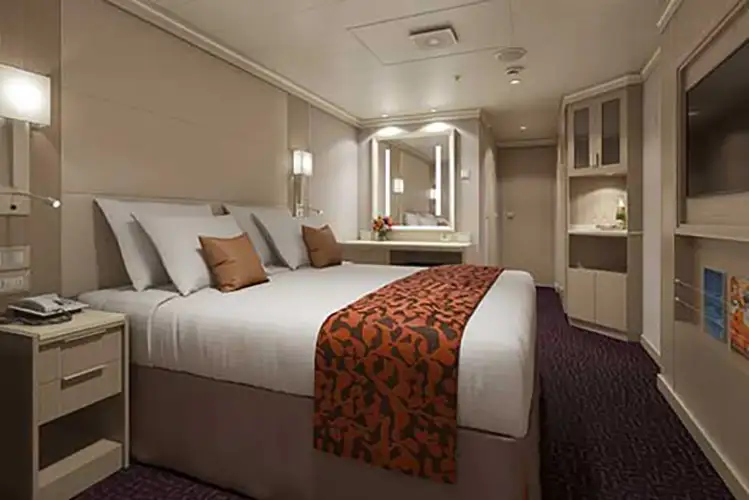
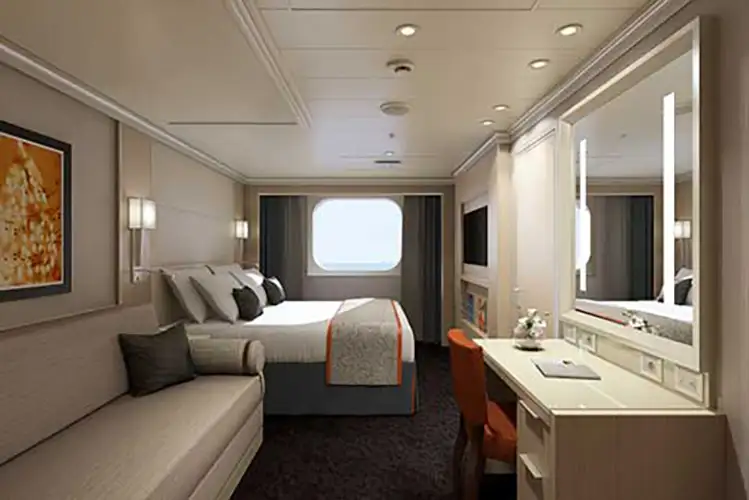
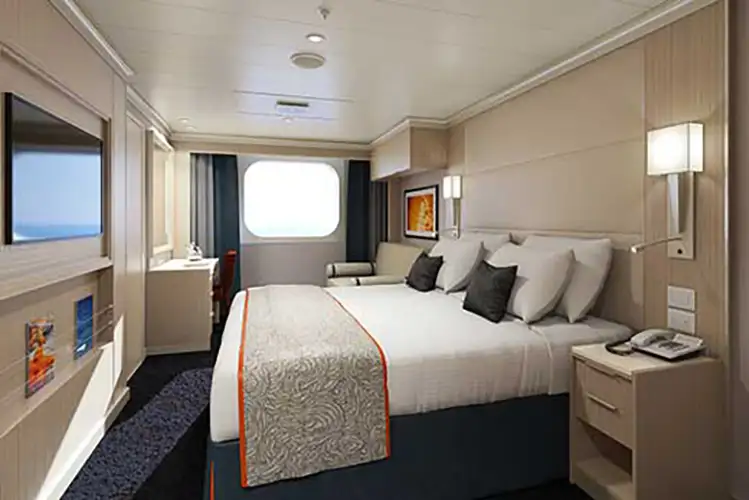
Info on the ship Nieuw Statendam