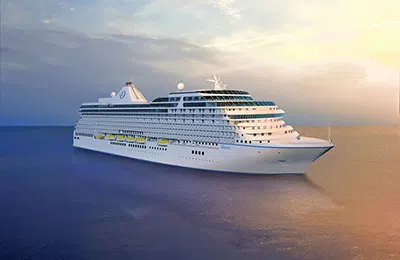
Oceania Cruises Northern Europe: 10 nights from Belfast with Oceania Marina
Sep 15, 2026
United Kingdom, Ireland, France, Spain, Portugal


Cruise itinerary
Departure Port: Belfast ➞
Landing: Lisbon
-
 Tuesday, September 15, 2026 - 6:30 PMBelfast
-
Wednesday, September 16, 2026 7:00 AM - 5:00 PMDublin
-
Thursday, September 17, 2026 7:00 AM - 5:00 PMCobh
-
 Friday, September 18, 2026Navigation
 -
Saturday, September 19, 2026 2:30 PM - not foundBordeaux
-
Sunday, September 20, 2026 not found - 2:00 PMBordeaux
-
Monday, September 21, 2026 8:00 AM - 5:00 PMSt. Jean De Luz
-
Tuesday, September 22, 2026 7:00 AM - 5:00 PMGijon
-
Wednesday, September 23, 2026 7:00 AM - 5:00 PMLa Coruna
-
Thursday, September 24, 2026 8:00 AM - 5:00 PMOporto
-
Friday, September 25, 2026 7:00 AM 5:00 PMLisbon
Belfast
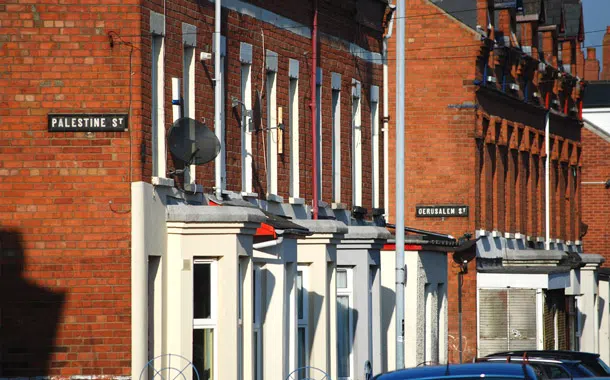
Belfast has grown to become a cosmopolitan and attractive city, so much so that it has become a very popular and cool destination for European tourism.
Belfast offers the frenetic pace of the British capital, providing a gateway to the deep countryside of Northern Ireland. With feelings of optimism and life pulsing through the city, Belfast makes itself exciting and intense for the tourist. It has never been easier to tour the city, thanks to a series of buses, taxis, and boats available and, of course, the pedestrian option. Don't miss the Ulster Folk Museum and Belfast Cathedral, be sure to try some of the award-winning restaurants, bars, clubs, galleries, and theaters. Also known thanks to its numerous monuments, the city also contains a series of Victorian and Edwardian buildings. Ulster Bank, built in 1860 and the Northern Bank, founded in 1769, were built from large representative buildings from these architectural styles. Spectacular and unique beauty of the Antrim coast, flanked by cliffs, not to mention the Giants Causeway, its peculiarity will remain forever etched in your memories. A couple of hours away, you can admire attractions such as the Giant's Causeway, stroll through the Mourne mountains or fish in Fermanagh. This metropolis is the ideal place to discover what remains of Northern Ireland! Belfast's industrial heritage, the birthplace of the Titanic, has designed a place rich in culture. The splendid exhibitions of the Ulster Museum and Culturlann reveal the best heritage of the place, where you can learn about its history. Located on the slopes of Cave Hill, 120 m above sea level, is the imposing Belfast Castle. If you visit the city with children, don't miss W5, a large interactive museum with interesting exhibits. And in summer the best places to relax outdoors are Sir Thomas, Lady Dixon Park, or Cave Hill Country Park. Its historic center is definitely the ideal place to go shopping, sip a cocktail in the various bars and clubs in the area. Rich in attractions for all tastes and all ages.
Dublin
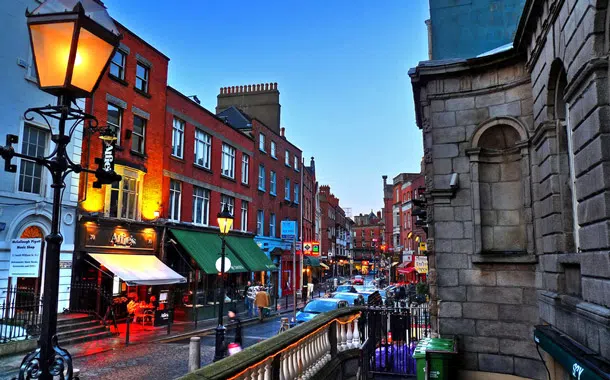
Dublin has a powerful aura and if it captures you, you will always be left wanting more. This is a great thing for a small capital.
Today, Dublin has one of the youngest populations in Europe, who frequent funky bars, sophisticated restaurants and the renovated city streets. However, in the contemporary urban landscape of Dublin it is still possible to find traditional pubs, nostalgic museums and even horse-drawn carts to take you down cobblestone streets.
Meanwhile, a myriad of historic attractions and museums, including Trinity College, Ireland's oldest university, and the Guinness Storehouse, make you feel like you are reliving history of this wonderful city.
Cobh
Bordeaux
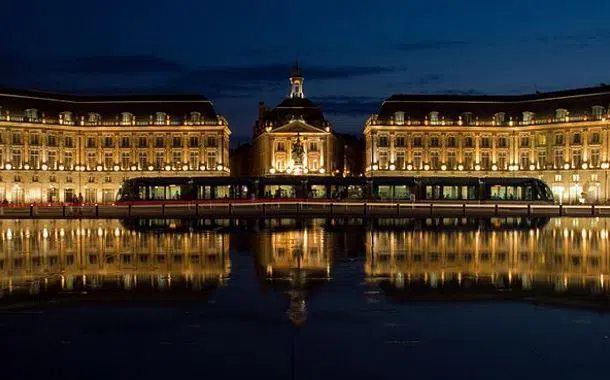
Bordeaux is city on the Atlantic Ocean and its port hosts big ships. The city had initially the name Burdigala and was established in III Century B.C. by the Gallic people.
It was a neuralgic centre for the International commerce of tin and lead. After the arrival of the Romans, Bordeaux becomes one of the richest cities of Gallia and is robbed many times by populations such as Visigoths and Vandals. With the passing of time, the City starts economic relationships with England trading in salt and wine and, in XVI Century, also the colonial sugar and slaves start having a leading role in the sustenance of the city.
Bordeaux has a liveable city centre that can be visited by foot and that offers beautiful attractions and energy. At night, the city get crowded with young people filling up the main squares and the bars where you can taste excellent wines and plunge in the romantic atmosphere that the city assumes after the sunset. You can’t miss out Château de la Brède, a gothic style castle dated back to XIV Century, surrounded by a moat and an English garden. The philosopher Montesquieu lived here and tourists can visit his library and his bedroom that are just like they were in XIX Century.
We suggest to visit also the beautiful Saint Eloi Church. Established in XII Century, the construction and renovation works lasted until 1400’s. The current structure is dated back to this period. The church is one of the stop-overs of Santiago de Compostela walking tour and is part of UNESCO World Heritage. Bordeaux offers a wide variety of gastronomic and wine choices. There are many restaurants and bars where you can taste the best wines on the market and an amazing cuisine.
Bordeaux
Bordeaux is city on the Atlantic Ocean and its port hosts big ships. The city had initially the name Burdigala and was established in III Century B.C. by the Gallic people.
It was a neuralgic centre for the International commerce of tin and lead. After the arrival of the Romans, Bordeaux becomes one of the richest cities of Gallia and is robbed many times by populations such as Visigoths and Vandals. With the passing of time, the City starts economic relationships with England trading in salt and wine and, in XVI Century, also the colonial sugar and slaves start having a leading role in the sustenance of the city.
Bordeaux has a liveable city centre that can be visited by foot and that offers beautiful attractions and energy. At night, the city get crowded with young people filling up the main squares and the bars where you can taste excellent wines and plunge in the romantic atmosphere that the city assumes after the sunset. You can’t miss out Château de la Brède, a gothic style castle dated back to XIV Century, surrounded by a moat and an English garden. The philosopher Montesquieu lived here and tourists can visit his library and his bedroom that are just like they were in XIX Century.
We suggest to visit also the beautiful Saint Eloi Church. Established in XII Century, the construction and renovation works lasted until 1400’s. The current structure is dated back to this period. The church is one of the stop-overs of Santiago de Compostela walking tour and is part of UNESCO World Heritage. Bordeaux offers a wide variety of gastronomic and wine choices. There are many restaurants and bars where you can taste the best wines on the market and an amazing cuisine.
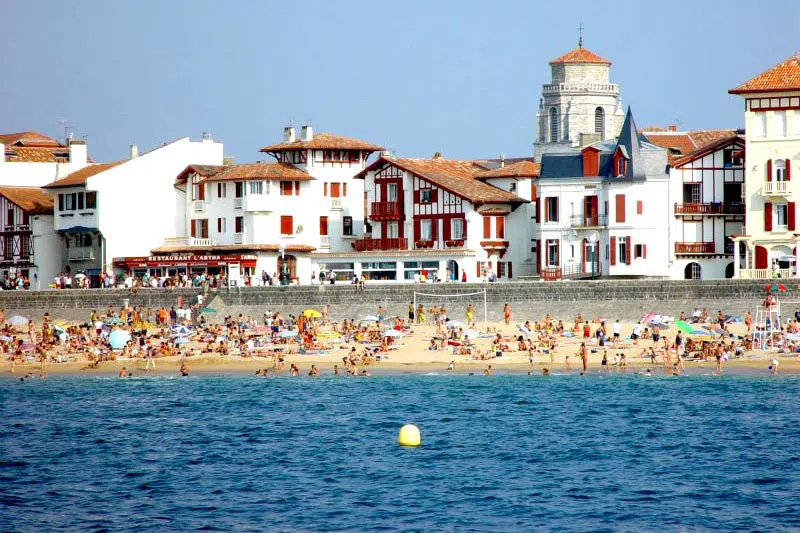
St. Jean De Luz
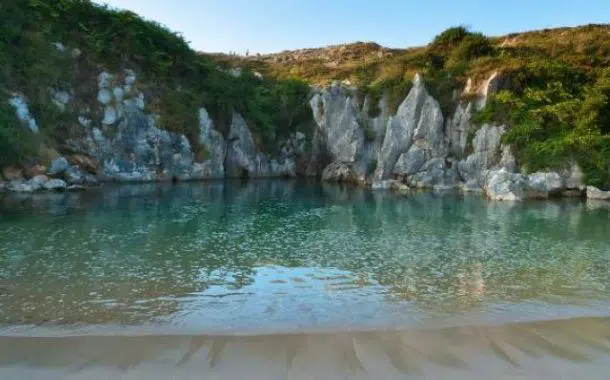
Gijon
On the coasts of the Cantabrian Sea, Gijón offers an interesting combination of maritime tradition, monumental heritage and modern urbanism right by the sea.
It is a modern, welcoming and open city full of green spaces, sports facilities and protected artistic heritages that have been recently restored. Gijón is the venue for numerous fairs, conferences, large concerts and cultural and sporting events. All this has been possible thanks to the improvement of the connections between Gijón and the rest of Asturias and Spain.
Its very original center, with its narrow cobbled streets, attracts many tourists, and the Cerro de Santa Catalina park on the tip of the Cimadevilla peninsula offers a splendid view of the coast.
It has a temperate oceanic climate typical of the Atlantic coast of Spain, with cool summers and humid and mostly mild winters. Autumn and spring offer the best climate and in summer there is almost no rain.
Its life and culture, the people, the landscape and the gastronomy all mixed together offer visitors and citizens a great and diverse experience.
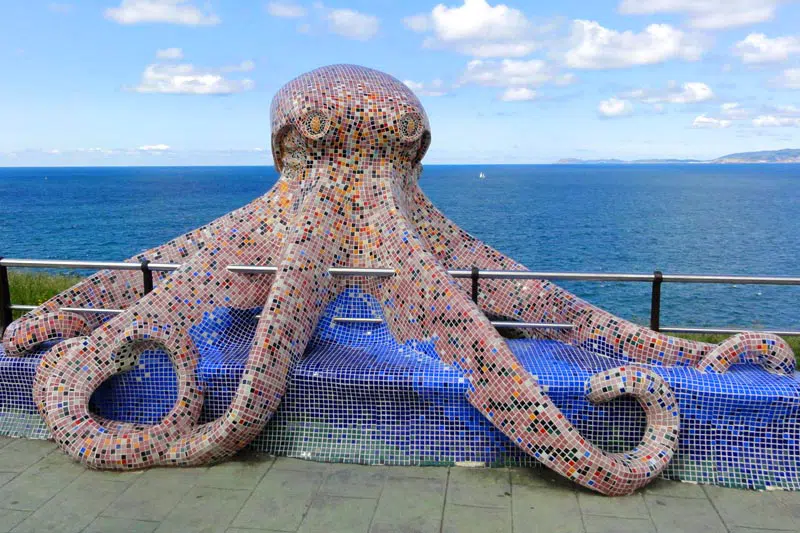
La Coruna
La Coruña is a city and municipality in Spain. It belongs to the autonomous region of Galicia and is the capital of the province. Important historic port is located on the north-western coast of the Iberian Peninsula, in the Rias Altas.
Located on the coast of the Atlantic Ocean, La Coruña is a city whose history has maintained close ties with its old fishing and commercial port. The peninsula on which the houses of the historic center are located, beyond the Tower of Hercules, one of the symbols of the city and declared a World Heritage Site by UNESCO, you will find a set of interesting and historic streets, squares and medieval churches.
Although the origin of the town may appear as an old Celtic settlement, the history of the city began to be important in Roman times, when the port became a fundamental structure for the country.
Historically, the port has been the scene of some of the most important historical events in the city, such as the defeat of the English corsair Francis Drake in 1589, thanks to the resistance of the entire population and led by the protagonist María Pita.
The Finisterrae Aquarium, the Domus and the Science Museum are some of the areas that show the most modern and playful side of the provincial capital, also offers one of the most beautiful and extensive beaches of Riazor and Orzán. All this is completed with a traditional cuisine, marked by the excellence of its fish and meats from the interior of the province. Gastronomic city par excellence, it has many good places to enjoy the exquisite Galician cuisine. Furthermore, you will find several establishments that offer excellent wine, normally concentrated in the old part of the city.
In its splendid, always lively streets, there are good examples of Romanesque architecture. One of the most beautiful churches in the city is undoubtedly that of Santiago, the oldest in the area, built in the 12th century. Its large nave of arches houses a polychrome sculpture of Saint James dating back to the 13th century. For its architectural interest, it has been declared a Historical-Artistic Monument.
Sit on a terrace in Plaza de María Pita and discover its fascinating history, stroll through the Cantons admiring its famous modern-style crystal galleries, and if you want to go shopping, this is certainly the best place.
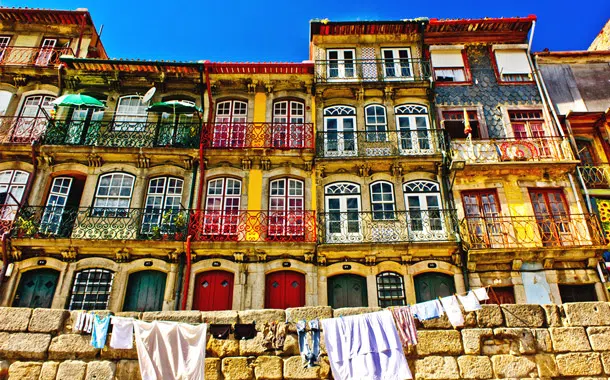
Oporto
At the mouth of the Rio Douro, the hilly city of Porto presents a mix of styles, eras and attitudes: narrow medieval alleys, extravagant Baroque churches, small squares and wide avenues, flanked by stately buildings.
The heart of Oporto is the Ribeira district, an area declared a UNESCO World Heritage Site made up of winding alleys, zigzagging stairs and churches on every corner, village-style squares and old merchants' houses where Roman ruins are hidden under the foundations. In the last two decades Porto has undergone a remarkable rebirth – which is expressed in the buzz of its efficient metro system and the shimmering of some ambitious urban renewal projects. The crowning of the city's glories are the two latest masterpieces, Museu de Arte Contemporânea by Álvaro Siza Vieira and the 'Casa da Música, which have transformed the city into a place of pilgrimage for architecture enthusiasts.
The Dom Luís I bridge an audacious iron arch, which crosses the Douro river, is impressive and not to be missed. It was built by the Belgian engineer Théophile Seyrig, for road traffic. Since 2003 the upper level has been used exclusively by the city's metro trams.
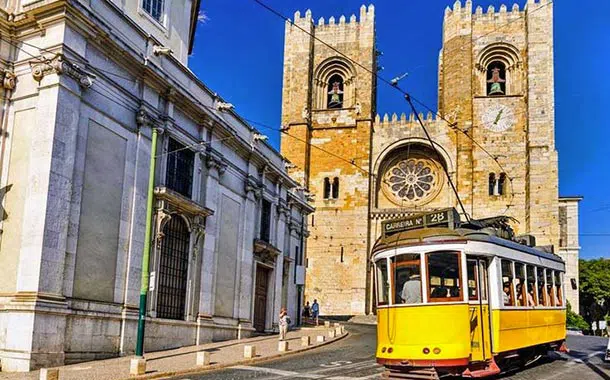
Lisbon
Perched on steep slopes overlooking the Tagus River, Lisbon offers all the pleasures you'd expect from Portugal's main attraction.
The capital of Portugal, Lisbon (in Portuguese Lisboa) has experienced a great rebirth in recent years, with a lively and flourishing contemporary culture. Perched on the coast of the Atlantic Ocean, Lisbon is one of the rare European cities that face the ocean and use water as an element that defines the city. Lisbon enchants travelers with its white limestone buildings, intimate alleys and an ancient charm that makes it a popular destination all year round.
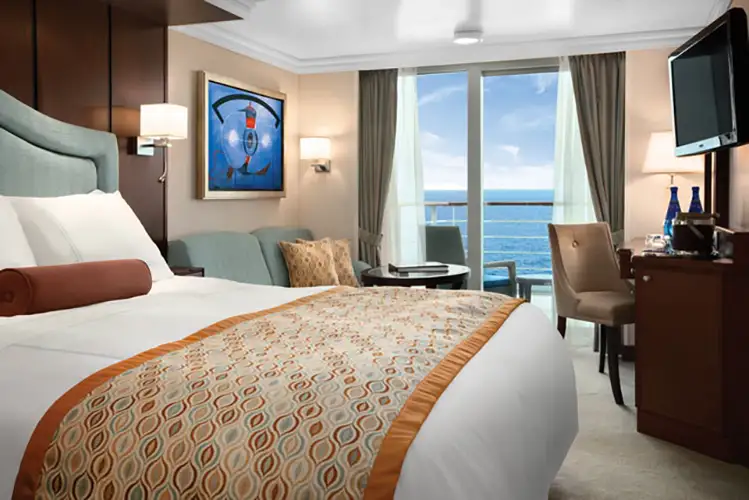
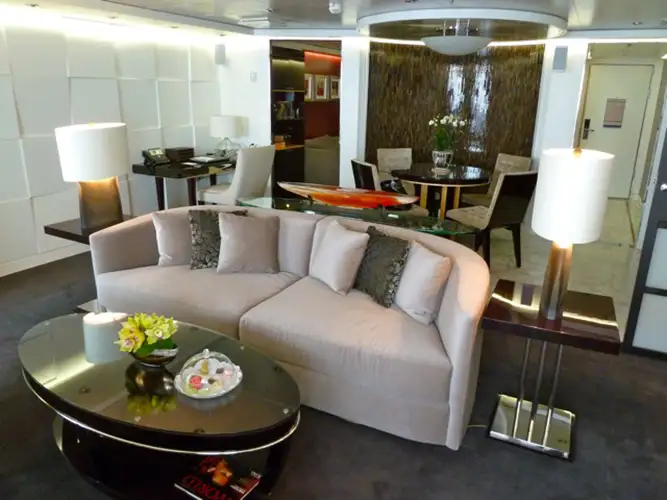
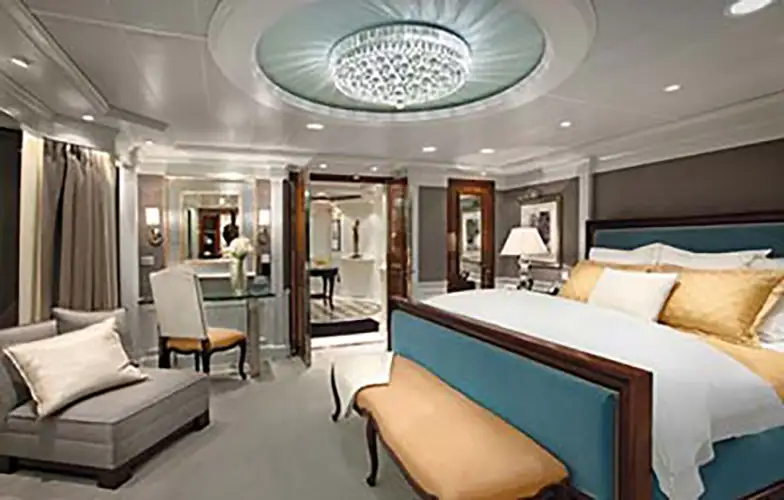
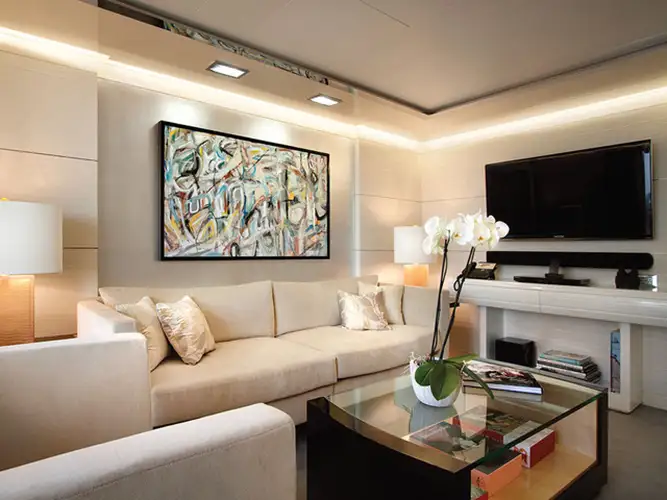
Info on the ship Oceania Marina