Oceania Cruises Greek islands: 9 nights from Civitavecchia with Oceania Sirena
Mar 29, 2027
Italy, Greece, Turkey


Cruise itinerary
Departure Port: Civitavecchia ➞
Landing: Istanbul
-
 Monday, March 29, 2027 - 5:00 PMCivitavecchia
-
Tuesday, March 30, 2027 7:00 AM - 5:00 PMSalerno
-
Wednesday, March 31, 2027 9:00 AM - 6:00 PMSyracuse
-
Thursday, April 1, 2027 2:00 PM - 11:00 PMKatakolon
-
Friday, April 2, 2027 10:00 AM - 6:00 PMGytheio
-
Saturday, April 3, 2027 10:00 AM - 7:00 PMMykonos
-
Sunday, April 4, 2027 7:00 AM - 5:00 PMPatmos
-
Monday, April 5, 2027 9:00 AM - 7:00 PMVolos
-
Tuesday, April 6, 2027 9:00 AM - 5:00 PMCanakkale
-
Wednesday, April 7, 2027 7:00 AM 5:00 PMIstanbul
Civitavecchia
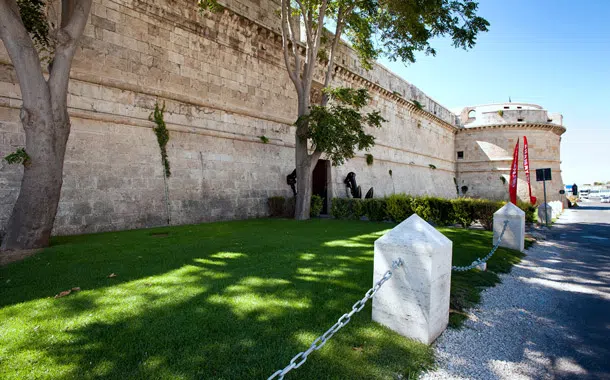
The port town of Civitavecchia is about an hour away from the Italian capital and is where ships will dock before bringing lucky holidaymakers into the city of Rome. It is an important port for cruise ships and ferries, connecting to Corsica, Sardinia and Barcelona. Civitavecchia is a town in the heart of Lazio. It is a small, sleepy town that overlooks the sea from behind the busy and chaotic commercial port.
Spreading out along the coast, the town is situated between the Mignon river to the north and the Marangone river to the south.
Civitavecchia is a port town in the heart of Italy, in the province of Rome, 80 kilometres northwest of the capital.
It is shrouded in art and history, and is rich in bays and coves with sandy and rocky beaches. Today the town is the departure point for many cruises and journeys around the Mediterranean. It is an excellent tourist destination where you can simply enjoy 'la dolce vita' or visit the amazing historical monuments. On a level with the majestic ancient capital, in terms of its monuments, gardens, villas and works of art, it also gives you easy access to the Tyrrhenian Sea, the Terme della Ficoncella, and the Etruscan ruins.
Civitavecchia will guarantee you an original and enchanting experience.
Salerno
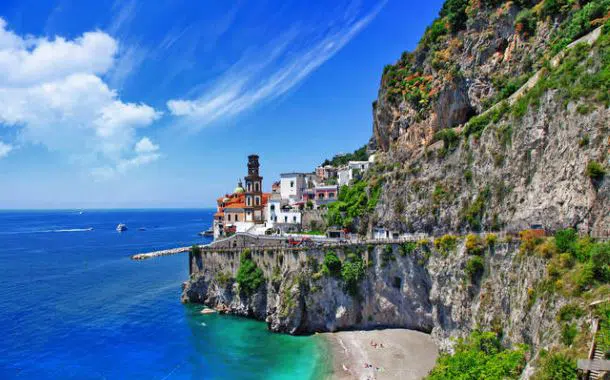
Salerno is an Italian municipality with 133,693 inhabitants, capital of the province of the same name in Campania, the second municipality in the region by number of inhabitants and the thirtieth at national level. The city of Salerno occupies a spectacular position overlooking the Gulf, where the splendid Amalfi Coast is located, a famous tourist destination in Italian Campania. It has a rich history and a deep-rooted tradition.
During the Middle Ages the city was the capital of the homonymous Lombard principality and then of the Norman duchy of Puglia and Calabria which included a large part of the continental South and was the original nucleus of the future Kingdom of Naples and the Two Sicilies.
Salerno was home to the School of Medicine, which was the first and most important medical institution in Europe at the beginning of the Middle Ages and as such is considered by many a forerunner of modern universities. Ideal heir to the famous medical school is the University of Salerno, located since 1988, in the form of a campus, in the neighboring municipalities of Fisciano and Baronissi.
From February to August 1944 Salerno was the seat of the Italian government,[10] hosting the governments Badoglio I, Badoglio II and Bonomi II which led to the Turn of Salerno.
Starting from the second half of the nineties, the city began a series of policies aimed at improving livability, urban decor and projecting, especially as regards tourism, Salerno at national and international level. The city is therefore a candidate to become one of the poles of cruise tourism and contemporary architecture, hosting works by the greatest architects of the 21st century, such as Fuksas, Zaha Hadid, Bohigas, Chipperfield, Calatrava and Bofill.
Syracuse
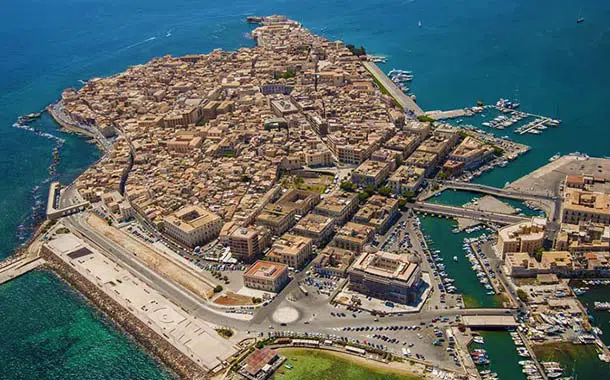
Syracuse is an ancient city in the Mediterranean and Europe.
Its vast archaeological site, on the edge of the modern city, is a rare treasure of temples, amphitheaters and an ancient castle.
The island of Ortigia, a labyrinth of fascinating ancient and medieval streets, allows a holiday of sightseeing and shopping.
Syracuse was a center of Greek, Byzantine and Jewish civilization. Testimonies of these three cultures can still be seen today,
making Ortygia a fascinating place to visit for anyone curious about the historical heritage we have inherited from classical mythology,
ancient Christianity and medieval Judaism.
Located near the southeastern corner of Sicily on the Ionian coast, Syracuse is built on an ancient Greek settlement founded by the Corinthians in 734 BC.
More than any other modern city in Sicily, Syracuse manifests a visible continuity from its ancient Greek past, both historical and mythological.
Katakolon
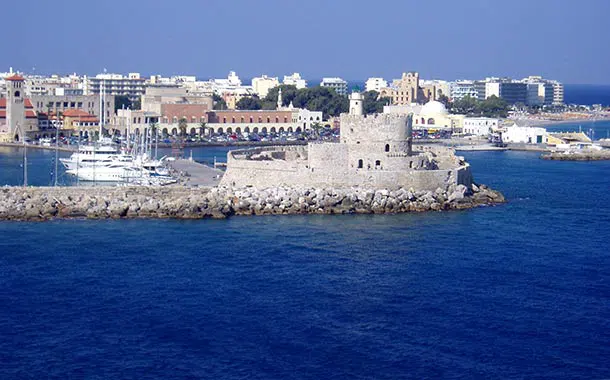
Katakolon is known as the 'gateway to Olympia' in fact it is located just east of the ancient city of Olympia, the birthplace of the Olympic Games.
Katakolon is a seaside town in the municipality of Pyrgos in western Greece. It is located on a picturesque promontory overlooking the Ionian Sea and separating the Gulf of Kyparissia from the rest of the Ionian Sea. It is 11 km west of the center of Pyrgos. The small village of Agios Andreas is located north-west of Katakolon. The port of Katakolon is a very popular stop for cruise ships, offering passengers the opportunity to visit the site of ancient Olympia. Low hills with forests surround Katakolo. In 1865 the Katakolon lighthouse was built. One of the most important sites in Katakolon is the Museum of Ancient Greek technology.
Gytheio
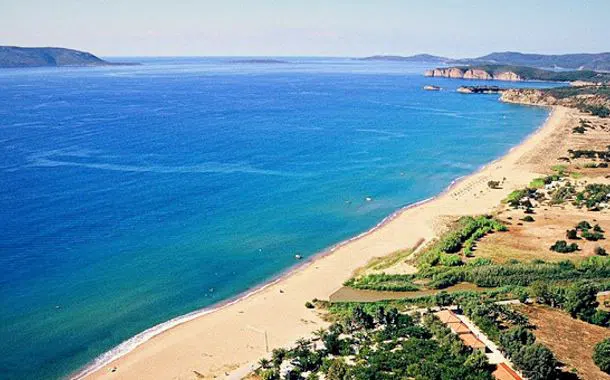
Located south of the Peloponnese, the city of Gytheio (or Gythion) is located north of the Gulf of Lakonia. The cosmopolitan atmosphere, the landscape of a unique island, and the variety of choices are the first impressions of visitors arriving in this paradise, formerly known as the land of the Gods. Gytheio was the port of the ancient city of Sparta and soon developed as the main export center of Laconia. On the hill, north of the village, the ruins of the citadel reside. At the foot of the hill is the ancient theater which still hosts numerous cultural events. Ornamented by various Roman constructions, associated with the mountains and the sea, it gives a prestigious natural landscape. All this wonder is combined with neoclassical buildings, with the addition of the small and charming fishing port. The beaches here are fantastic (many awarded with blue flags), especially those of Mavrovouni and Selinitsa, where you can swim and try different water sports such as windsurfing. Many cultural events take place during the summer, with music festivals, theatrical performances, and attractions for young people. The summer ends with the start of the traditional fair on September 14th which lasts for a week and, subsequently, on September 30th near the port. 10 km from Gytheio, on the road to Areopolis, there are the ruins of Passava castle, built in the early years of the conquest of the Peloponnese by the Franks, constituting the base of their barony. Don't forget to visit Trinissa, a wonderful complex of islands that provide a secluded, relaxing, and natural place.
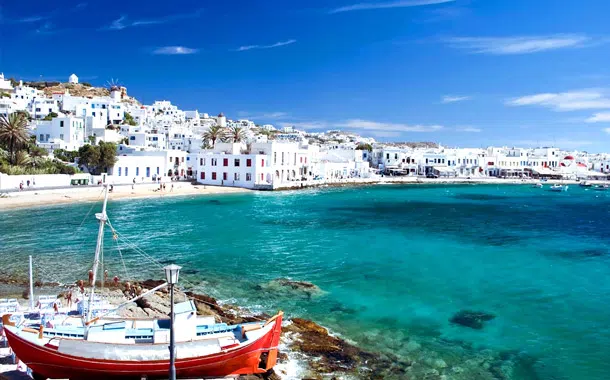
Mykonos
Mykonos is an extremely fun and fascinating place, where the frenetic mix of vacationers, fashionistas and celebrities is magically subdued to the cubist charm of the old town.
Mykonos is famous for being a cosmopolitan destination among the Greek islands and widely recognized as one of the meccas of great tourism. It is one of the most touristy islands in the Aegean Sea. Mykonos tends to be extremely crowded with visitors in July and August. The best time to visit Mykonos is mid-May through June (early in the season, accommodation is much cheaper and it's not that hot), or from September to mid-October.
Patmos
Volos
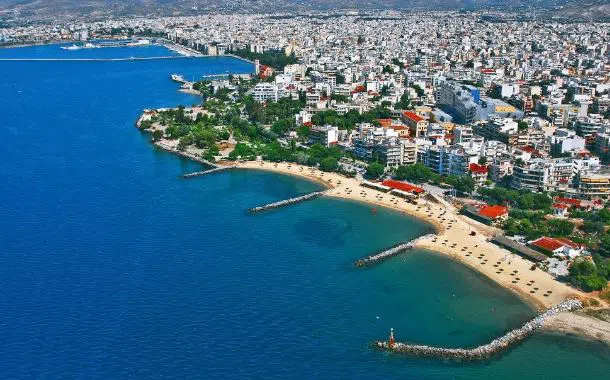
Volos is a town located in the center of mainland Greece, about 326 km north of Athens and 215 km south of Thessaloniki, the second most important city. Built at the deepest point of the Pagasean Gulf and at the foot of Mount Pelion, Volos is a large port city that enjoys a mild Mediterranean climate with rather humid summers and mild winters.
Built at the deepest point of the Gulf of Pagaseo and at the foot of Mount Pelion, Volos is located on the Pelion peninsula in central Greece.
The etymology of the name " Volos ", according to a historical version, is the result of the distortion of the name of the Mycenaean city of Iolkos, where Jason set off with his Argonauts and his ship Argo in search of the Golden Fleece.
Volos is one of the oldest port cities in Greece. Capital of the province of Magnesia, the city belongs to the central region of Thessaly, its only outlet to the sea. It is located on the inner part of the mouth of the Gulf of Pagaseo, at the foot of the mythical Mount Pelion, the legendary country of the centaurs, as mythology tells.
Volos represents the ideal base to discover not only the picturesque mountain villages but also the Sporades islands of Skiathos, Skopelos, and Alonissos, connected by ferries. The city owes its current economic boom and its development to maritime trade, to the industries established in the area, and to the increase in tourism.
Volos is a relatively new city, it began to develop in the mid-19th century in the place where a small Turkish village previously resided. After its annexation to Greece from the Ottoman Empire, in 1881, it grew very rapidly in the following 40 years. In the 1920s there was a large influx of refugees. Merchants, entrepreneurs, artisans, and sailors went to live in Volos and the surrounding areas.
The development of the city has been closely linked to the creation of industrial areas, the restructuring of the port and the increase in tourism thanks to its geographical position, near Mount Pelion, and the fabulous beaches of Magnesia, especially those located in the Sporades.
The city is also known for its variety of " mezedes ", mixed appetizer dishes based on fish or seafood, served with a traditional alcoholic beverage called "Tsipouro".
Canakkale
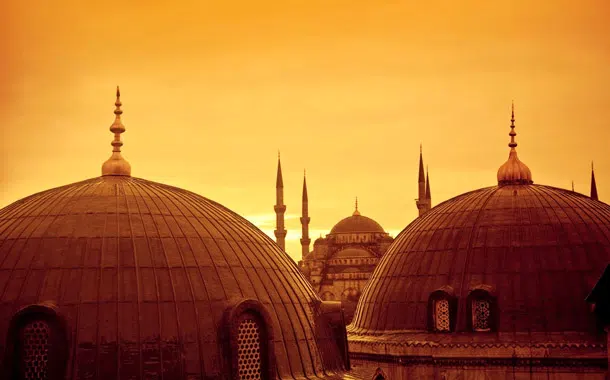
Istanbul
An incredible city, huge, vibrant like few others in the world. Where two continents meet, culture and diversity thrive in a unique architectural setting. Istanbul is hot,and we aren’t talking about the weather. These days there are more restaurants,bars,galleries and clubs around the city than Ottoman mosques(which is not a small feat).
The international fashion and design press has talked about Istanbul to the point of exhaustion; the sense of age that fell over the city once the Ottoman empire disappeared, has been replaced by a sense of energy and innovation not seen since the times of Suleiman the Magnificent.
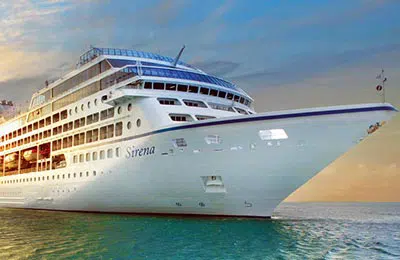
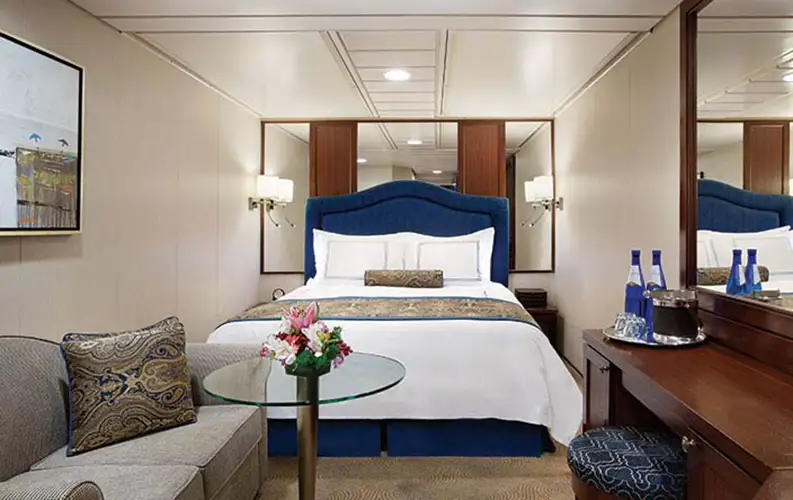
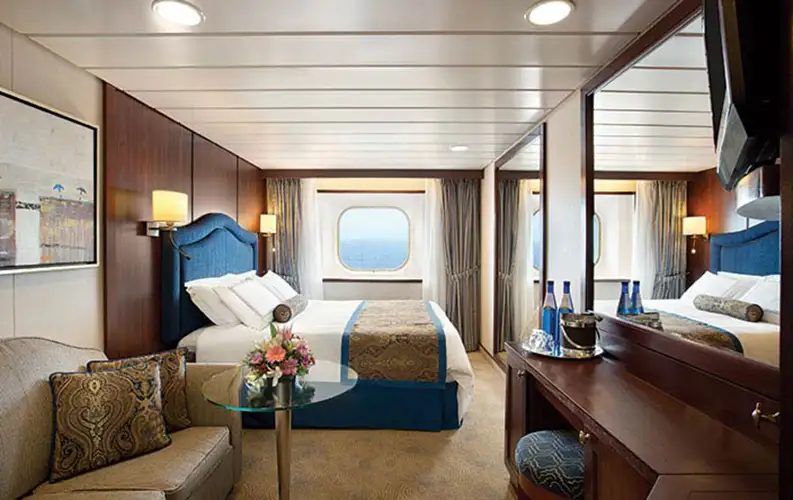
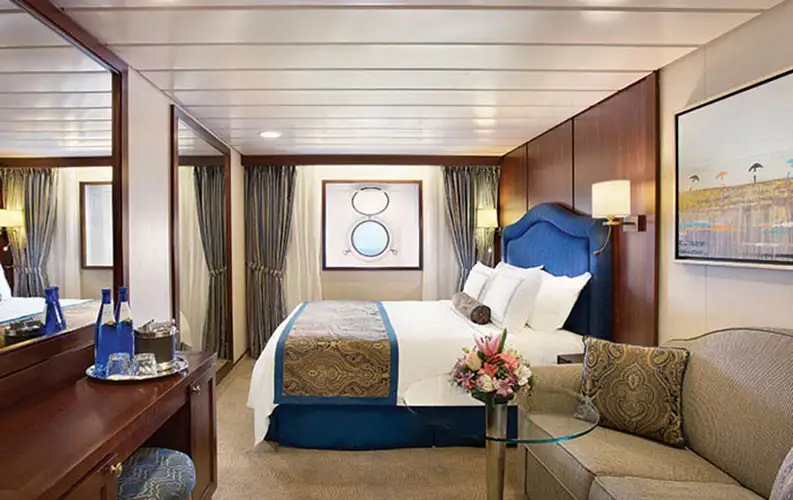
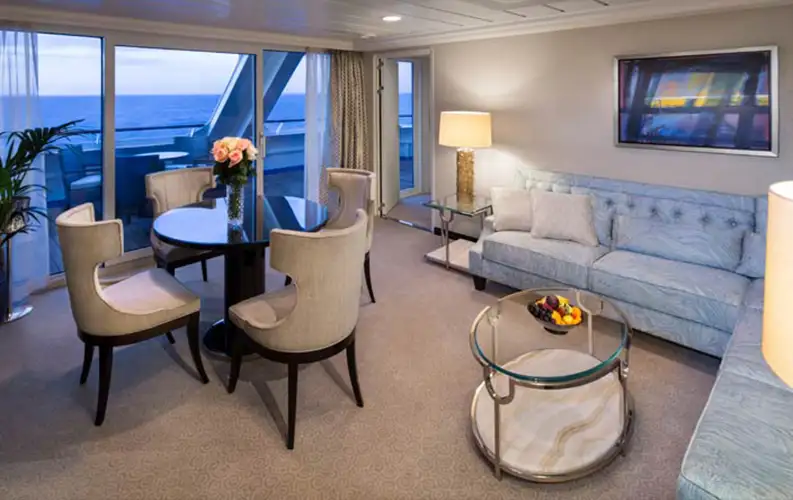
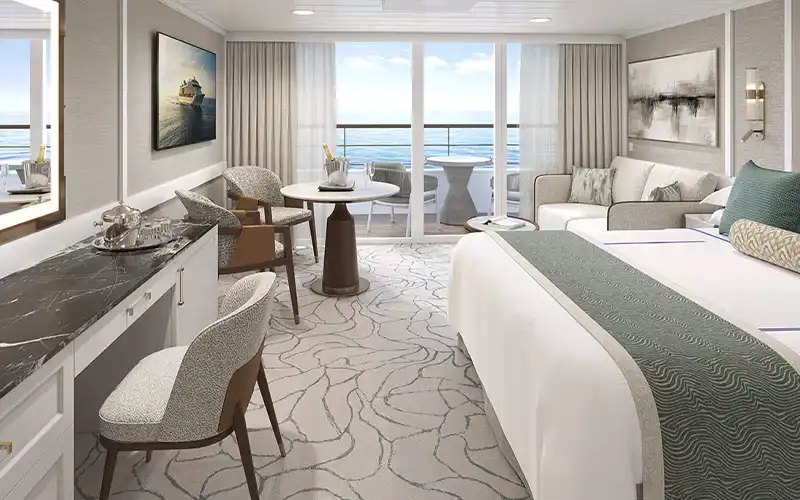
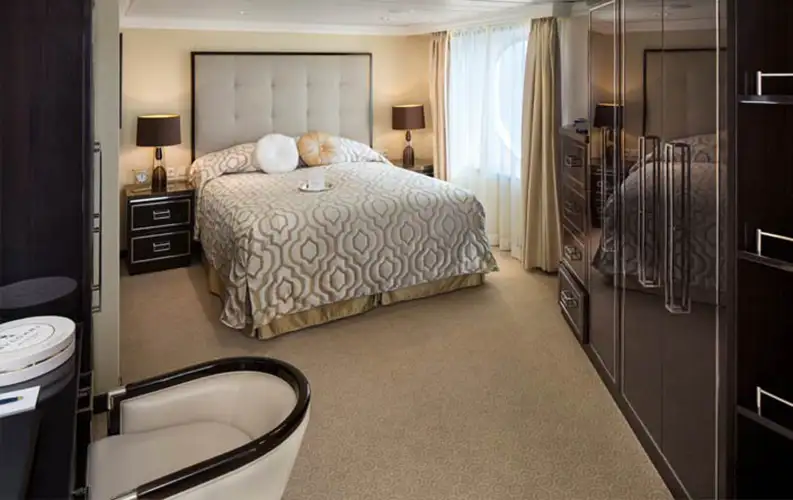
Info on the ship Oceania Sirena