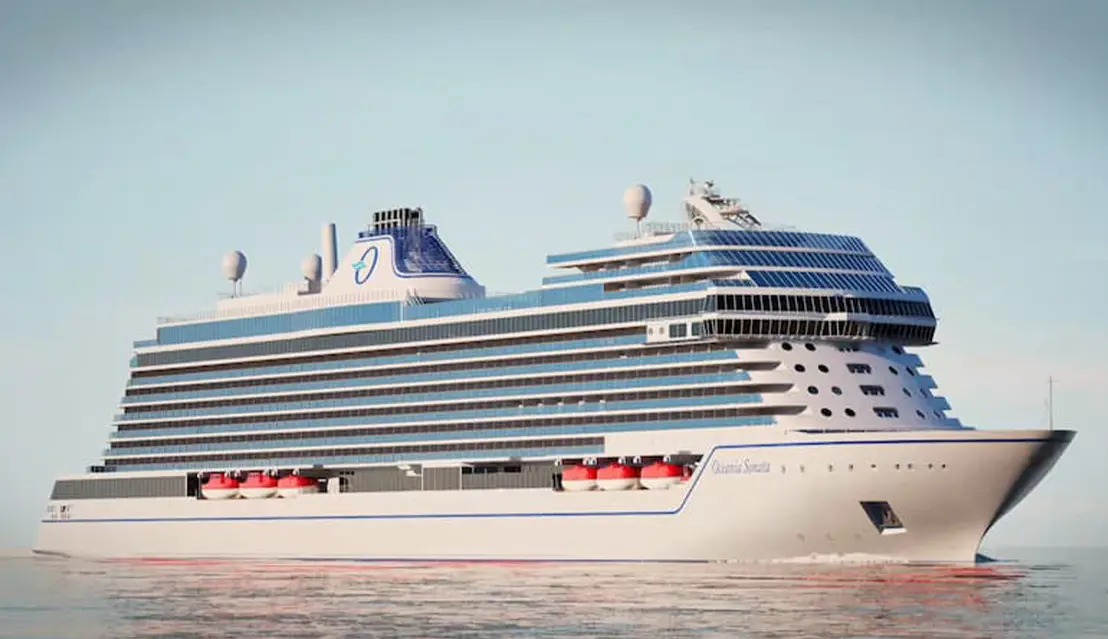
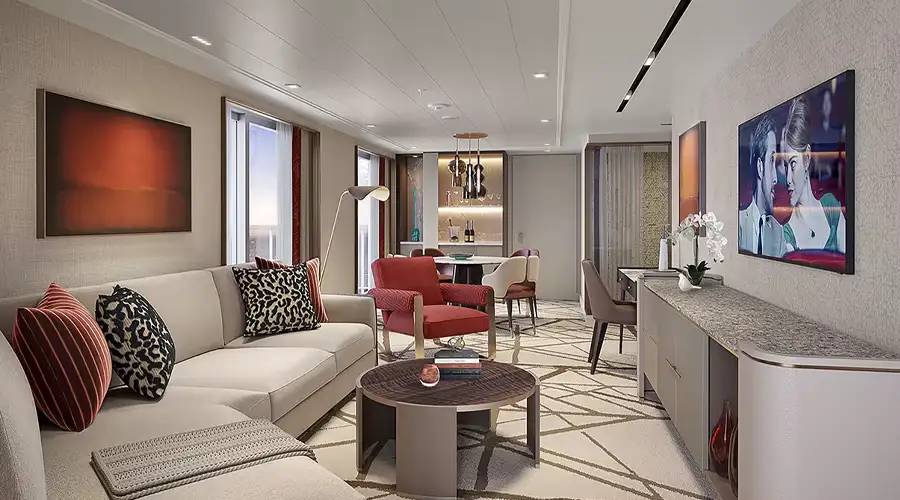
Oceania Cruises : 33 nights from Lisbon with Oceania Sonata
Apr 18, 2028
Portugal, Spain, France, Belgium, Netherlands, United Kingdom, Norway, Denmark, Germany, Poland, Lithuania, Latvia, Sweden, Estonia


Cruise itinerary
Departure Port: Lisbon ➞
Landing: Stockholm
-
 Tuesday, April 18, 2028 - not foundLisbon
-
Wednesday, April 19, 2028 not found - 4:00 PMLisbon
-
Thursday, April 20, 2028 9:00 AM - 6:00 PMVigo
-
Friday, April 21, 2028 7:00 AM - 5:00 PMLa Coruna
-
Saturday, April 22, 2028 7:00 AM - 5:00 PMGijon
-
Sunday, April 23, 2028 7:00 AM - 4:00 PMBilbao
-
Monday, April 24, 2028 7:00 AM - 11:00 PMBordeaux
-
Tuesday, April 25, 2028 10:00 AM - 8:00 PMLa Rochelle
-
 Wednesday, April 26, 2028Navigation
 -
Thursday, April 27, 2028 7:00 AM - 8:00 PMLe Havre
-
Friday, April 28, 2028 11:00 AM - 7:00 PMZeebrugge
-
Saturday, April 29, 2028 7:00 AM - 5:00 PMAmsterdam
-
Sunday, April 30, 2028Navigation
-
Monday, May 1, 2028Navigation
-
Tuesday, May 2, 2028 7:00 AM - 5:00 PMEdinburgh
-
Wednesday, May 3, 2028 8:00 AM - 6:00 PMAberdeen
-
Thursday, May 4, 2028 7:00 AM - 5:00 PMKirkwall
-
Friday, May 5, 2028 7:00 AM - 5:00 PMLerwick
-
Saturday, May 6, 2028 10:00 AM - 7:00 PMBergen
-
Sunday, May 7, 2028 7:00 AM - 5:00 PMHaugesund
-
Monday, May 8, 2028 7:00 AM - 5:00 PMMandal
-
Tuesday, May 9, 2028 7:00 AM - 3:00 PMOslo
-
Wednesday, May 10, 2028 11:00 AM - not foundCopenaghen
-
Thursday, May 11, 2028 not found - 5:00 PMCopenaghen
-
Friday, May 12, 2028 7:00 AM - 5:00 PMAarhus
-
Saturday, May 13, 2028 6:00 AM - 9:00 PMWarnemünde
-
Sunday, May 14, 2028 7:00 AM - 6:00 PMRonne
-
Monday, May 15, 2028 9:00 AM - 7:00 PMGdynia
-
Tuesday, May 16, 2028 7:00 AM - 3:00 PMKlaipeda
-
Wednesday, May 17, 2028 10:00 AM - 5:00 PMRiga
-
Thursday, May 18, 2028 8:00 AM - 5:00 PMVisby
-
Friday, May 19, 2028 11:00 AM - 7:00 PMTallinn
-
Saturday, May 20, 2028 11:00 AM - not foundStockholm
-
Sunday, May 21, 2028 not found 4:00 PMStockholm
Lisbon
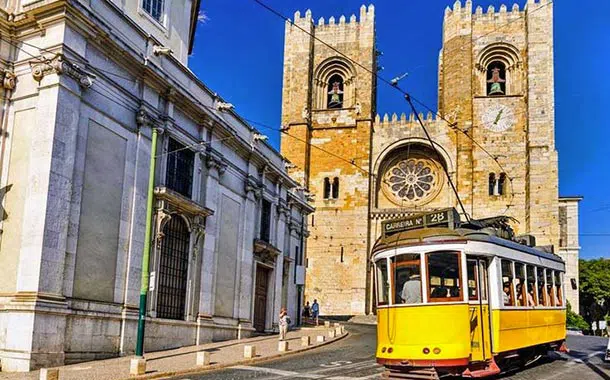
Perched on steep slopes overlooking the Tagus River, Lisbon offers all the pleasures you'd expect from Portugal's main attraction.
The capital of Portugal, Lisbon (in Portuguese Lisboa) has experienced a great rebirth in recent years, with a lively and flourishing contemporary culture. Perched on the coast of the Atlantic Ocean, Lisbon is one of the rare European cities that face the ocean and use water as an element that defines the city. Lisbon enchants travelers with its white limestone buildings, intimate alleys and an ancient charm that makes it a popular destination all year round.
Lisbon
Perched on steep slopes overlooking the Tagus River, Lisbon offers all the pleasures you'd expect from Portugal's main attraction.
The capital of Portugal, Lisbon (in Portuguese Lisboa) has experienced a great rebirth in recent years, with a lively and flourishing contemporary culture. Perched on the coast of the Atlantic Ocean, Lisbon is one of the rare European cities that face the ocean and use water as an element that defines the city. Lisbon enchants travelers with its white limestone buildings, intimate alleys and an ancient charm that makes it a popular destination all year round.
Vigo
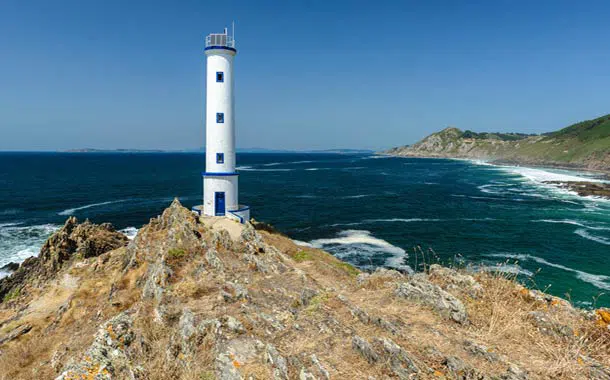
Spanish Atlantic Adventures from Vigo!Set sail on a captivating cruise from Vigo, Spain, a vibrant port city in Galicia, known for its stunning Rías Baixas, fresh seafood, and rich maritime history. Vigo offers a picturesque departure point for exploring the rugged beauty of the Galician coast, the Portuguese coastline, and Atlantic routes. Experience its lively atmosphere and culinary delights before embarking on a journey filled with historical discoveries and breathtaking ocean views.
La Coruna
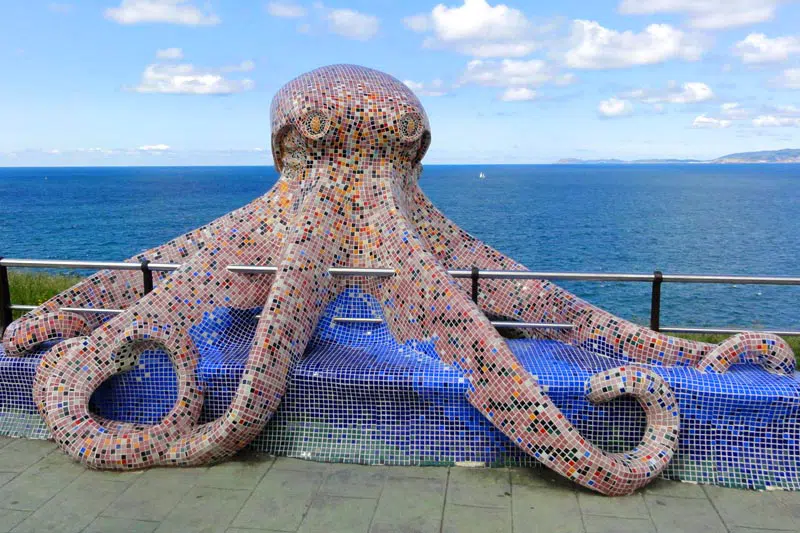
La Coruña is a city and municipality in Spain. It belongs to the autonomous region of Galicia and is the capital of the province. Important historic port is located on the north-western coast of the Iberian Peninsula, in the Rias Altas.
Located on the coast of the Atlantic Ocean, La Coruña is a city whose history has maintained close ties with its old fishing and commercial port. The peninsula on which the houses of the historic center are located, beyond the Tower of Hercules, one of the symbols of the city and declared a World Heritage Site by UNESCO, you will find a set of interesting and historic streets, squares and medieval churches.
Although the origin of the town may appear as an old Celtic settlement, the history of the city began to be important in Roman times, when the port became a fundamental structure for the country.
Historically, the port has been the scene of some of the most important historical events in the city, such as the defeat of the English corsair Francis Drake in 1589, thanks to the resistance of the entire population and led by the protagonist María Pita.
The Finisterrae Aquarium, the Domus and the Science Museum are some of the areas that show the most modern and playful side of the provincial capital, also offers one of the most beautiful and extensive beaches of Riazor and Orzán. All this is completed with a traditional cuisine, marked by the excellence of its fish and meats from the interior of the province. Gastronomic city par excellence, it has many good places to enjoy the exquisite Galician cuisine. Furthermore, you will find several establishments that offer excellent wine, normally concentrated in the old part of the city.
In its splendid, always lively streets, there are good examples of Romanesque architecture. One of the most beautiful churches in the city is undoubtedly that of Santiago, the oldest in the area, built in the 12th century. Its large nave of arches houses a polychrome sculpture of Saint James dating back to the 13th century. For its architectural interest, it has been declared a Historical-Artistic Monument.
Sit on a terrace in Plaza de María Pita and discover its fascinating history, stroll through the Cantons admiring its famous modern-style crystal galleries, and if you want to go shopping, this is certainly the best place.
Gijon
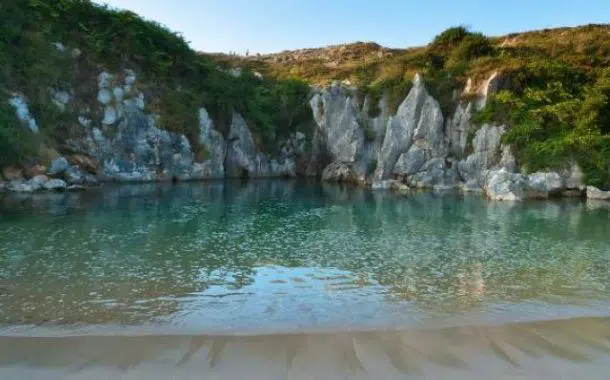
On the coasts of the Cantabrian Sea, Gijón offers an interesting combination of maritime tradition, monumental heritage and modern urbanism right by the sea.
It is a modern, welcoming and open city full of green spaces, sports facilities and protected artistic heritages that have been recently restored. Gijón is the venue for numerous fairs, conferences, large concerts and cultural and sporting events. All this has been possible thanks to the improvement of the connections between Gijón and the rest of Asturias and Spain.
Its very original center, with its narrow cobbled streets, attracts many tourists, and the Cerro de Santa Catalina park on the tip of the Cimadevilla peninsula offers a splendid view of the coast.
It has a temperate oceanic climate typical of the Atlantic coast of Spain, with cool summers and humid and mostly mild winters. Autumn and spring offer the best climate and in summer there is almost no rain.
Its life and culture, the people, the landscape and the gastronomy all mixed together offer visitors and citizens a great and diverse experience.
Bilbao
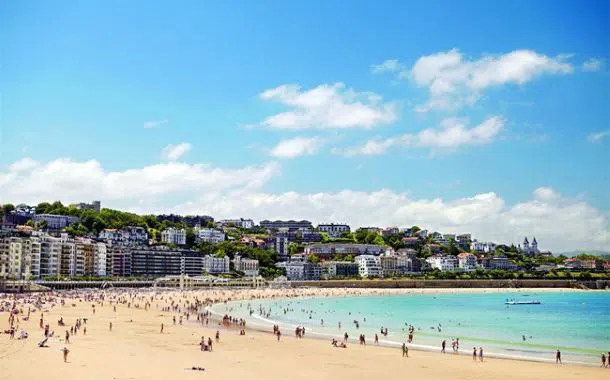
Bilbao, located on the Northern coast of Iberian Peninsula, is the ideal starting point to visit this area of Spain. Tourists come here to enjoy the beaches, discover its culture and absorb its mild climate. With one of Europe's largest ports, the vibrant city has been able to invest in a redevelopment plan, trasforming its brownfield sites into cutting-edge cultural and architectural venues.
But it is its historic center, which continues to fascinate with its stores, alleys and monuments. The city was officially founded in the 1300s, consolidating its economic position. Thanks to the exploitation of mining and steel industry areas, port and ship activity and its financial center, the city became one of the most important cities during the Industrial Revolution.
A modern and transportation network connects Bilbao to other cities in Spain. Thanks to its beautiful beaches, the city is the ideal destination for beach lovers. Beaches are not the only attractions in Bilbao, there are very fascinating places besides the beautiful beaches: the Cathedral of Santiago, located in the heart of the Old Town (Casco Viejo) is dedicated to the apostle Santiago, the official patron saint of the city of Bilbao since 1643.
Built at the end of the 14th century in the Gothic style, the neo-Gothic tower and façade were made by Severino Achúcarro in late 1887. The Old Bridge of San Antonio is located next to the church of the same name. Pablo de Alzola and Ernesto Hoffmeyer built a second bridge in 1877 but it was destroyed during the Civil War in 1937. San Antonio Bridge dates from the early 20th century, also known as the Atxuri Bridge, connecting the old neighborhood to the rest of the city. For nature lovers, the city is surrounded by a fertile landscape of forests, mountains, beaches, and cliffs that make Bilbao a tourist destination. A holiday aboard a cruise offers the opportunity to visit this beautiful city and partecipate in one of these unique activities.
Bordeaux
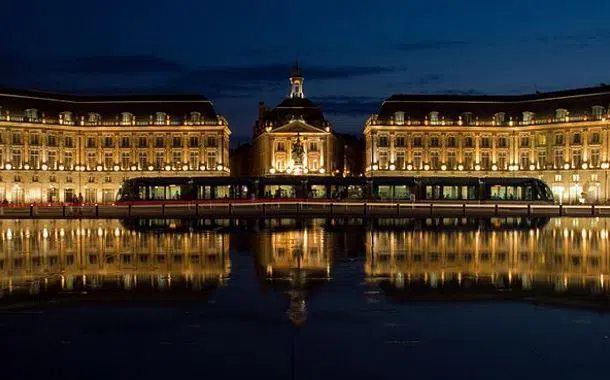
Bordeaux is city on the Atlantic Ocean and its port hosts big ships. The city had initially the name Burdigala and was established in III Century B.C. by the Gallic people.
It was a neuralgic centre for the International commerce of tin and lead. After the arrival of the Romans, Bordeaux becomes one of the richest cities of Gallia and is robbed many times by populations such as Visigoths and Vandals. With the passing of time, the City starts economic relationships with England trading in salt and wine and, in XVI Century, also the colonial sugar and slaves start having a leading role in the sustenance of the city.
Bordeaux has a liveable city centre that can be visited by foot and that offers beautiful attractions and energy. At night, the city get crowded with young people filling up the main squares and the bars where you can taste excellent wines and plunge in the romantic atmosphere that the city assumes after the sunset. You can’t miss out Château de la Brède, a gothic style castle dated back to XIV Century, surrounded by a moat and an English garden. The philosopher Montesquieu lived here and tourists can visit his library and his bedroom that are just like they were in XIX Century.
We suggest to visit also the beautiful Saint Eloi Church. Established in XII Century, the construction and renovation works lasted until 1400’s. The current structure is dated back to this period. The church is one of the stop-overs of Santiago de Compostela walking tour and is part of UNESCO World Heritage. Bordeaux offers a wide variety of gastronomic and wine choices. There are many restaurants and bars where you can taste the best wines on the market and an amazing cuisine.
La Rochelle
Le Havre
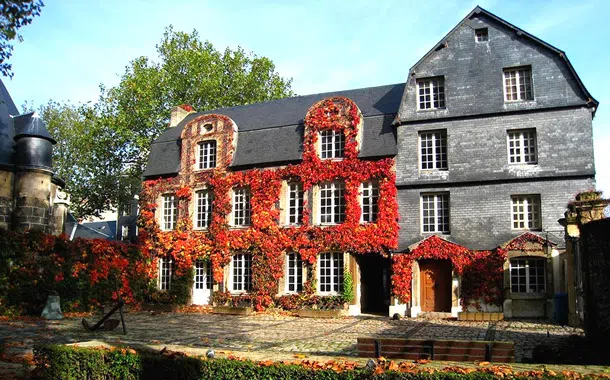
Le Havre is worth a visit, not only as a stopover on the way to Paris or other inland destinations, but also as one of the great examples of post-war planning. It is a strange and strangely fascinating city, listed by
Unesco as a World Heritage Site.
Wandering through the streets of the seaside town of Le Havre, one might think one had stumbled upon a forgotten outpost of the Eastern Bloc. Obliterated by World War II bombings, the city was completely rebuilt by the Belgian architect Auguste Perret and, what emerged from the ashes of old Le Havre, is a kind of love letter to concrete: endless rows of blocks of buildings, straight avenues stretching out from the central square, dominated by the 100 m high 'Stalinist Baroque' style cathedral, looks like something straight out of the pages of '1984'.
Walking through the streets of the seaside city of Le Havre, you might think you've stumbled into a forgotten outpost of the Eastern Bloc. Erased by the bombings of the Second World War, the city was completely rebuilt by the Belgian architect Auguste Perret and, what emerged from the ashes of old Le Havre, is a kind of love letter to concrete: endless rows of blocks of buildings, straight avenues that extend out of the central square, dominated by the 100 m high cathedral in 'Stalinist Baroque' style, looks like something directly from the pages of '1984'.
Zeebrugge
Connected to Bruges by 7.5-kilometer canal, Zeebrugge is a seaside resort that looks to the future.
On the sea front, hotels and cafes offer a warm welcome. Zeebrugge is the most important Belgian fishing port. The Zeebrugge wholesale fish market, located in a modern complex in the inner port, is one of the largest and sophisticated of its kind in Europe. Zeebrugge also has an attractive tourist port that can contain a maximun number of 100 ships. Furthermore, its geographical position is very convenient, near the beautiful city of Bruges, the trendy seaside resort of Knokke and the picturesque village of Lissewege.
On the seafront, hotels and cafes offer their warmest welcome. Zeebrugge is the most important Belgian fishing port. The Zeebrugge wholesale fish market, installed in a modern complex in the inner harbor, is one of the largest and most sophisticated of its kind in Europe. Zeebrugge also has an attractive marina that can accommodate around 100 ships. Furthermore, it enjoys a very convenient geographical position, a few km from the beautiful Bruges, the trendy seaside resort of Knokke and the picturesque village of Lissewege.
Amsterdam
Amsterdam is a charming city with a particularly relaxing and serene atmosphere, despite its large size. The city has been a World Heritage Site since 2010 and has buildings dating back to the sixteenth and seventeenth centuries. It is no coincidence that it is one of the most visited cities in the world.
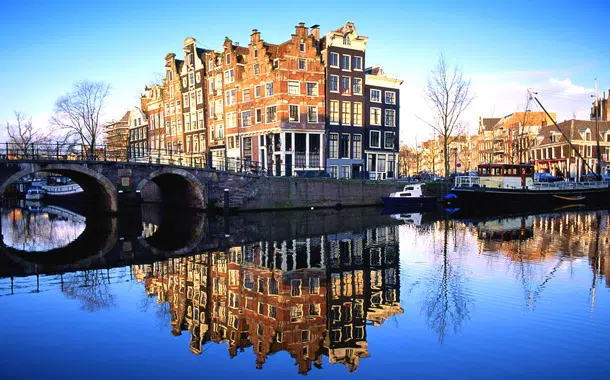
The structure of the city is determined by a network of charming waterways. The historic center, which dates back to the 13th century, is surrounded by five concentric canals - the Grachtengordel - built in the 17th century as part of a perfectly successful expansion project designed to create a unique and refined urban environment.
It is here that the city's mercantile class built its characteristic gabled houses, with bright, gracefully decorated colors, whose romantic features are reflected in the olive-green waters of the picturesque canals.
Edinburgh
Edinburgh is a fantastic stop with a wide variety of things to do and see. Excursions include castles, distilleries, national parks and excellent restaurants.
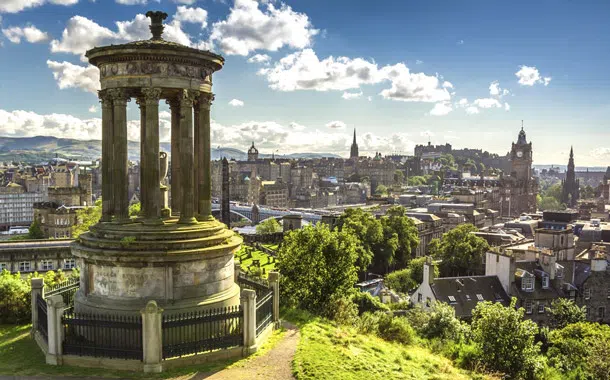
Edinburgh (Gaelic: Dùn Èideann;) is the capital of Scotland, located in the central region of the country. It manages to combine ancient and modern in a uniquely Scottish atmosphere. Inspired by the imposing castle, the symbol of the city, Edinburgh combines medieval relics, Georgian splendour and a powerful layer of modernity with avant-garde contemporary art.
In Edinburgh, medieval buildings stand shoulder to shoulder with the best of modern architecture; Gothic churches with fantastic museums and galleries. Scotland's exciting nightlife in Edinburgh, 'the Athens of the North', is also a feast for the mind and the senses.
Aberdeen
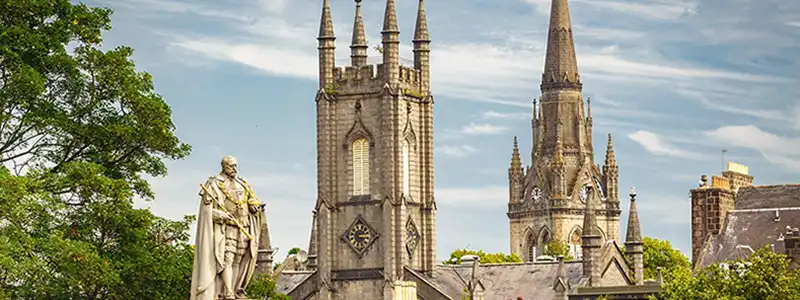
Embark on Your Dream Cruise from Aberdeen!Discover the gateway to unforgettable adventures from the historic port of Aberdeen. Nestled on Scotland's vibrant coast, this city offers a unique starting point for cruises to enchanting destinations. Imagine setting sail from a place steeped in maritime heritage, where every journey promises relaxation and incredible discoveries. Your perfect cruise escape begins here, with seamless departures and breathtaking itineraries waiting to be explored.
Kirkwall

Lerwick
Bergen
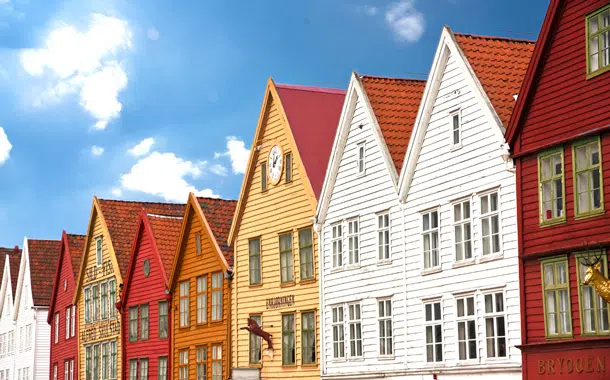
Surrounded by seven hills and seven fjords, Bergen is a beautiful, charming city with beauty and entertainment for all tastes. With the bustling port of Vågen as its centrepiece, Bergen climbs up the hills with hundreds of timber-clad houses, while cable cars offer splendid views from above. Great museums, friendly people and a dynamic cultural life make Bergen a popular destination in recent times, also thanks to the surrounding natural beauty. The wonderful natural beauties of this region will leave you speechless. HardangerFjord, Sognefjord and Geirangerfjord are similar if we consider some aspects such as: steep walls of crystal- clear rock plummeting with sublime force directly into the sea, often decorated with waterfalls and small farms that blend harmoniously with the natural landscape.With the lively port of Vågen as its fulcrum, Bergen climbs the hills with hundreds of wooden-clad houses, while cable cars offer a splendid view from above. Great museums, friendly people and a dynamic cultural life make Bergen a very popular destination in recent times, also thanks to the surrounding natural beauty. This spectacular region will dazzle you with a truly indescribable scenario. Hardanger Fjord, Sognefjord and Geirangerfjord are all variations on the same theme: steep walls of crystalline rock that plunge with sublime force directly into the sea, often decorated with waterfalls and small farms that blend harmoniously with the natural landscape.
Haugesund
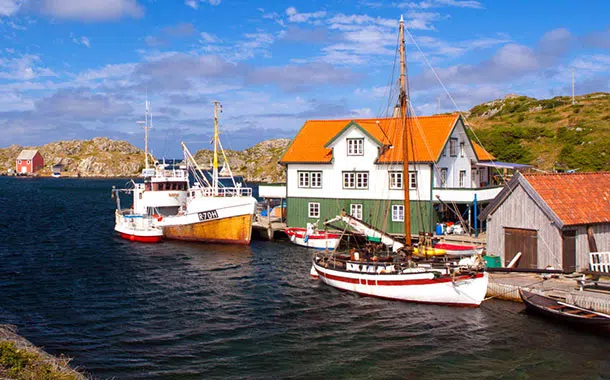
Haugesund is located in Norway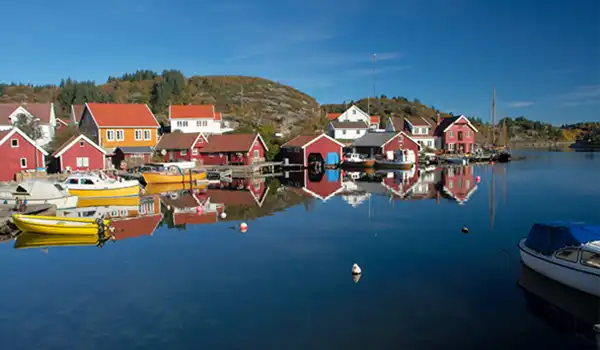
Mandal
Oslo
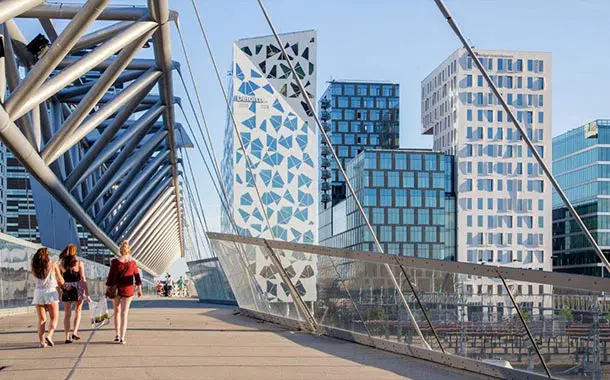
Oslo, located in the south-eastern part of the country, is the capital and largest city of Norway. Oslo is a lively city that perfectly blends its rich history with modern urban development, making it a dynamic and attractive place to live and visit.
It was founded around 1040 by King Harald Hardrada and became the capital of the country in 1299 under King Håkon V. The city was partially destroyed by a fire in 1624 and its reconstruction began under the reign of King Christian IV. King Christian IV renamed the city Christiania. The original name, Oslo, was restored only in 1925. Oslo is known for its beautiful natural landscapes, including forests, hills and lakes. Thanks to its beautiful landscapes, it is possible to practice numerous outdoor activities such as hiking, skiing and canoeing.
These unique features make the city an ideal destination for nature lovers. The city is home to several world-renowned museums, including the Viking Ship Museum, the Munch Museum (dedicated to the works of Edvard Munch, famous for “The Scream”), and the National Gallery. Don't miss the opportunity to visit one of these museums and share your photos with your friends! Every year, Oslo hosts one of the most important cultural events, the Nobel Peace Prize, which is awarded annually in the city at the City Hall.
Copenaghen
Copenhagen, literally "port of the merchants", is the capital of Denmark and one of the country's most densely populated cities. Originally a city mainly inhabited by fishermen, it became a fundamentally important port for trade.
Copenhagen is a year-round tourist destination and in summer the flow of tourists increases considerably thanks to Northern Europe cruises.
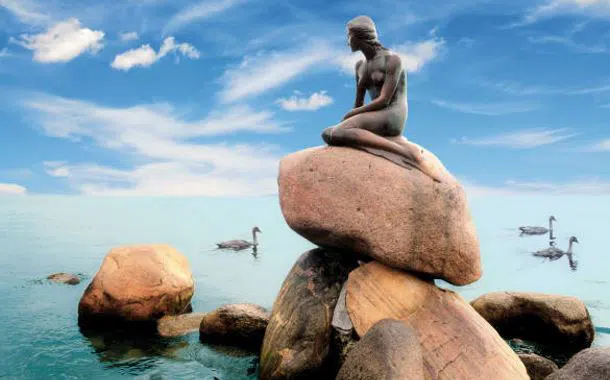
It is very common to add a stay in the city before a cruise, to take in its distinguishing relaxing atmosphere and see what it has to offer. Among its famous attractions you cannot miss the statue of the Mermaid which is located right at the entrance to the port and the Tivoli Gardens, one of the world's largest amusement parks, opened in 1843 and loved by everyone.
Copenhagen (København in Danish and 'Copenaga' in Italian [no source]) is the capital and the most populous city of Denmark with 518,574 inhabitants in the municipality (1,167,569 in the urban area). The city stretches across the islands of Sjælland and Amager and is separated from the city of Malmö in Sweden by the strait of Øresund.
Copenaghen
Copenhagen, literally "port of the merchants", is the capital of Denmark and one of the country's most densely populated cities. Originally a city mainly inhabited by fishermen, it became a fundamentally important port for trade.
Copenhagen is a year-round tourist destination and in summer the flow of tourists increases considerably thanks to Northern Europe cruises.
It is very common to add a stay in the city before a cruise, to take in its distinguishing relaxing atmosphere and see what it has to offer. Among its famous attractions you cannot miss the statue of the Mermaid which is located right at the entrance to the port and the Tivoli Gardens, one of the world's largest amusement parks, opened in 1843 and loved by everyone.
Copenhagen (København in Danish and 'Copenaga' in Italian [no source]) is the capital and the most populous city of Denmark with 518,574 inhabitants in the municipality (1,167,569 in the urban area). The city stretches across the islands of Sjælland and Amager and is separated from the city of Malmö in Sweden by the strait of Øresund.
Aarhus
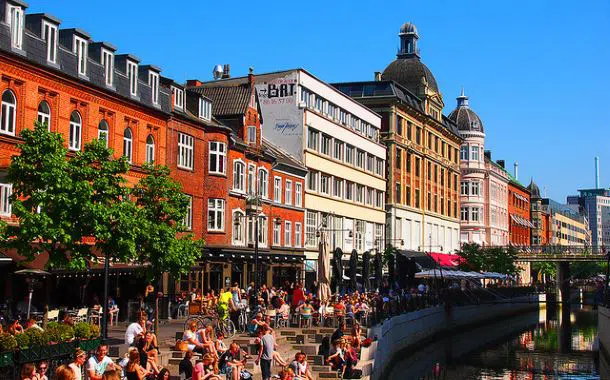
Aarhus is a dynamic city on the peninsula of Jutland in Denmark. From here, the beach, the harbor and the forest are all within a 15-minute bike ride. 315,000 people live in Aarhus and 1.2 million people live in the metropolitan area of Aarhus Area.
Aarhus is a dynamic city on the peninsula of Jutland in Denmark. The beach, the port and the forest can be reached in 15 minutes by bycicle. 315.000 inhabitants live in Aarhus and 1,2 million people live in the metropolitan area of Aarhus Area. Aarhus has been selected ar European Capital of Culture for the year 2017 and is a combination of innovation, media and communications with architecture and design and has a wide variety of cultural institutions. In Aarhus you can find gatherings of highly specialised companies, research and educational structures guided by a desire of collaboration and innovation. Aarhus stands out in renewable energy, food, health and productivity. As it is a university city, the atmosphere is a vibrating mixture of young energy. Welcome to Aarhus.
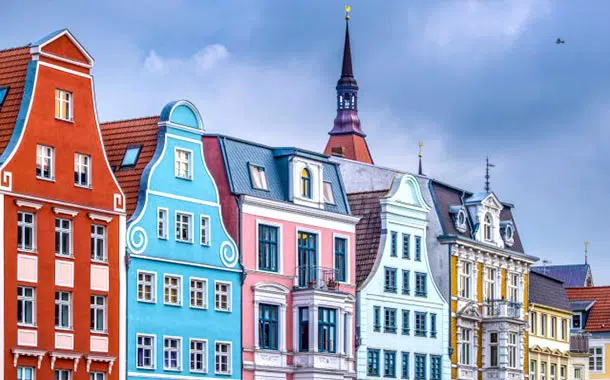
Warnemünde
Cruises departing from Warnemundë: discover Northern Europe!Warnemundë, the tourist and commercial port of the German city of Rostock, overlooks the Baltic Sea and is the ideal departure port for a cruise in Northern Europe. Set sail from Warnemundë for a cruise aboard the best ships, on our site you will find all available departures sorted by departure date: choose your cruise from Warnemundë now at the best price!
Cruise from Warnemundë: Norwegian fjords and capitals of the Baltic SeaCruises from Warnemundë are ideal for starting to discover the Norwegian fjords or the Baltic capitals as almost all ships offer interesting itineraries in these areas. You can set sail for Poland, Latvia, Estonia up to Russia to visit the treasures of St. Petersburg.
We at Taoticket still recommend to those who embark from this port to take a visit to the city's lighthouse or perhaps take a dip in the beach as Warnemundë is a renowned seaside resort in Northern Europe. Also interesting is the historic center of Warnemundë, with traditional buildings, bars and a large fish market.
Cruise ships depart from Warnemundë from May to September, as in winter the climate is very cold in these areas and cruise ships move to the warmer waters of the Mediterranean.
These trips can be an opportunity to take an alternative cruise to the usual itineraries: from Warnemundë to the Mediterranean Sea by cruise, ask our specialized travel agents for the departure dates and experience a real adventure!
Ronne
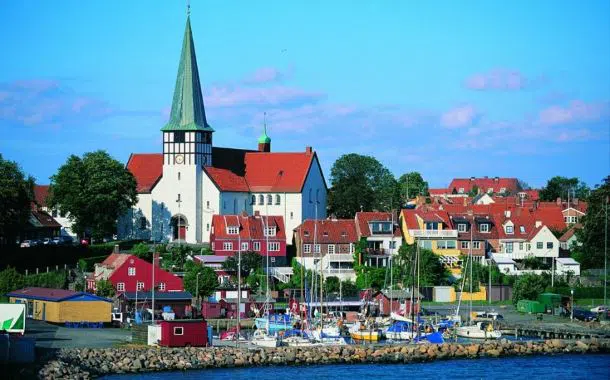
Rønne is the main city of the small rocky island of Bornholm, it is also a port metropolis that connects Bornholm in Denmark (Køge, south of Copenhagen), Sweden, Germany, and Poland. The city of Ronne and Nexø were bombed after the end of the Second World War. Despite this, there are still many old buildings rich in history. The Swedish State donated 175 particular red wooden houses to help rebuild the city, which are still visible today. Cultural capital of the island: it has the oldest theater in Denmark, the Bornholm Concert Hall. Considered as a starting point for excursions around the island, it has been given the name of Pearl of the Baltic. With its beautiful countryside, rocky coasts and sandy beaches, the place is a popular tourist destination. Discover the medieval fortress of Hammershus, the largest in Northern Europe, a round church from the Middle Ages, a traditional mill, herring smoke, and much more. The easternmost point of Denmark is the island of Christiansø, characterized by the absence of cars. The island mainly lives on fishing, handicrafts, agriculture, and summer tourism, but is also committed to the growth and development of renewable energy.
Gdynia
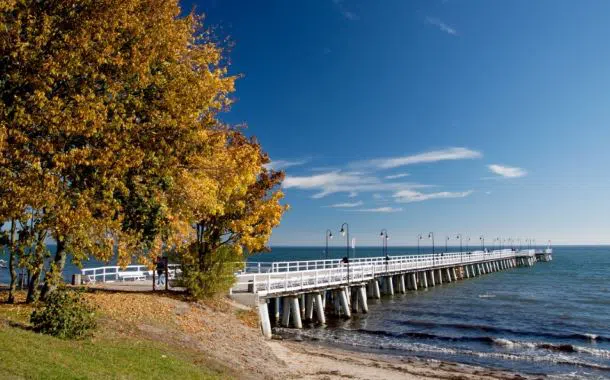
Gdynia is a town located in the north of Poland, in the Gulf of Gdansk and Warsaw, the capital, is about 380 km away. Part of a combination of three cities, (Gdynia, Gdansk and Sopot) represent the "lithe" a population of over a million inhabitants. Once known as a small fishing village, the city has developed considerably, especially after the end of the Second World War, becoming the largest Polish port. Its unique and modern environment delights tourists both for its maritime infrastructure and for its cultural life. The territory welcomes various cultural events such as the Polish Film Festival, nicknamed the "Polish Cannes." The outdoor music festival, which brings together various international artists, is proposed every year near the local beach. The city is particularly populated in summer: tourists are attracted thanks to its proximity to the sea and its large sandy beaches. Throughout the year, it plays the role of one of the main seaports in Poland and the site of an important shipyard. Near the port, you will find museums of various ships that can be visited. The country is relatively modern, however, vacationers who come to stay in this territory are often looking for its past and its historical buildings, such as the popular and ancient church of San Michele Arcangelo or the neo-Gothic house of the XVII century. The hills and coasts also intrigue nature lovers. The walk, with a length of 1.5 km, is very popular. In short, this place will be a perfect destination for those seeking rest but without giving up the pleasures of life, offering you a wide range of activities, including markets, clubs and excellent restaurants.
Klaipeda
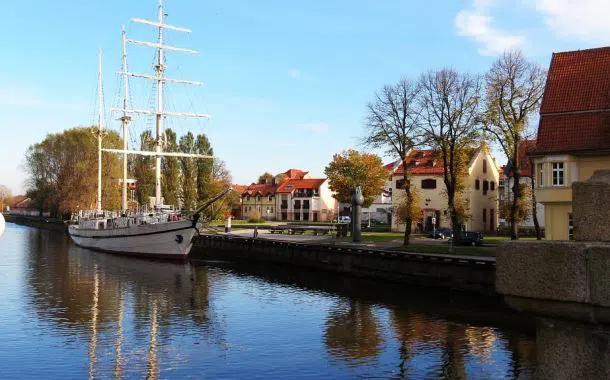
The city is located near the Niemen delta, at the northern end of the Neringa Peninsula passing through the Strait of Memel. It connects Sweden, Denmark and Germany by ferry.
Lithuania's main seaport, Klaipėda is the third largest city in Lithuania after Vilnius and Kaunas. Long contested between the Kingdom of Lithuania and the Teutonic Knights.
Starting with a visit to the old town, you can see old houses, adorned with bushes of grapes. Several architectural buildings recall the designs of contemporary stories and small houses with tiled roofs surrounded by flowers and bushes.
The streets of the old town are winding and labyrinthine. Theatre Square is the central part of the old town of Klaipeda. Here you can see Simon Fontana Dach and another permanent symbol of the city, the sculpture of Anika Toravy, a historical figure in one of the old Lithuanian songs.
In addition to the beautiful walks through the streets of the city, you absolutely must visit the Museum of Clocks. Here are the collections of the first devices with which our ancestors determined the time. They vaguely resemble the clocks that are used today. You will be surprised to know that there are water clocks and fire clocks. A variety of sundials and hourglasses will broaden your understanding of production mechanisms. The Museum is another notable cultural institution.
It is possible to stroll and see many monuments in the sculpture park, to finish the tour with a visit to the Maritime Museum. Klaipeda will prepare for its guests with lots of fun for all tastes. It only remains to make the right choice and enjoy the holiday.
Riga
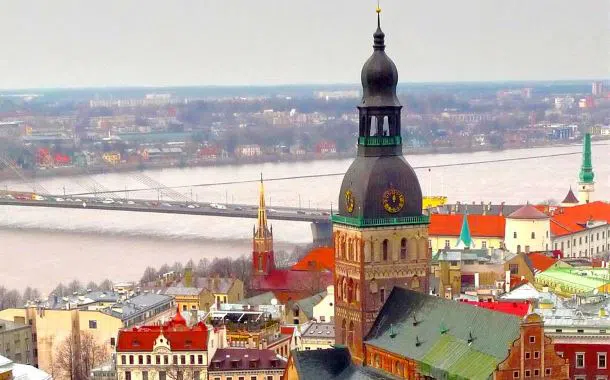
Riga, the capital of Latvia and the largest metropolis in the Baltic States, has the craziest nightlife of the three states.
The city is located near the Daugava Rigaian bay. Even today, Riga is very interesting when it comes to business opportunities and activities. The old port is famous for its Art Nouveau buildings, generous in constructions and a well-preserved center. After the particularly depressed economic period after independence in 1991 the country lost many of its industries in the great post-Soviet whale hunt, it is now highly developed in its education system and has a great cultural value and therefore cannot be considered as the backbone of the Latvian economy, as well as the largest center of education and science. Every year numerous exhibitions, conferences and cultural events take place in Riga and contribute to the city's international reputation. And it is charming to walk through the alleys of the historic center to admire splendid buildings such as the House of the Three Brothers, they are three houses next to each other in Maza Pils iela where a museum of architecture is currently housed, the House of the Blackheads, one of the best-known buildings in the Old Town. Don't miss the churches of St. Peter and St. John and the Cathedral.
Riga has many bars, clubs and discos, mainly located in the historic center.
Visby
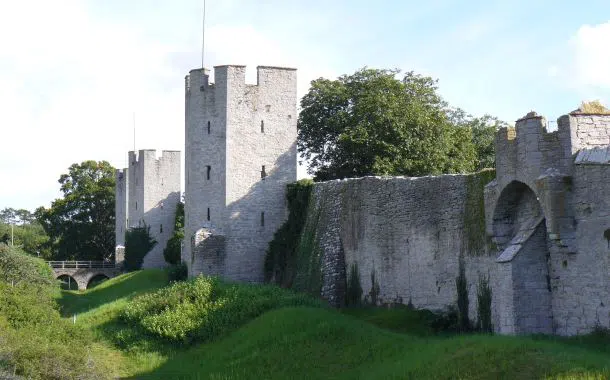
Visby is the capital of Gotland, the largest island in the Baltic Sea, located halfway between Sweden and Latvia, one of the preeminent medieval cities of Scandinavia and included in the UNESCO World Heritage List.
Visby is a popular vacation destination for Scandinavians during the summer and receives thousands of tourists every year. And 'by far the most populous location outside the Swedish mainland.
Every August, it hosts its medieval week, with authentic dress, parties and jousting. But there is no need to visit Visby in August to get a sense of its medieval history. Just follow the streets that wind throughout the city, take a tour of its historic center and visit the 13th century church.
The Fornsal Museum highlights 8,000 years of local history. The collection includes: stones painted with a date prior to the Vikings, old tombstones, silver treasures and medieval sculptures.
In the city of Gotland has an extraordinary collection of medieval churches, 93 of which are still in use today. Some still have medieval glass paintings and the majority of them contain medieval frescoes.
Tallinn
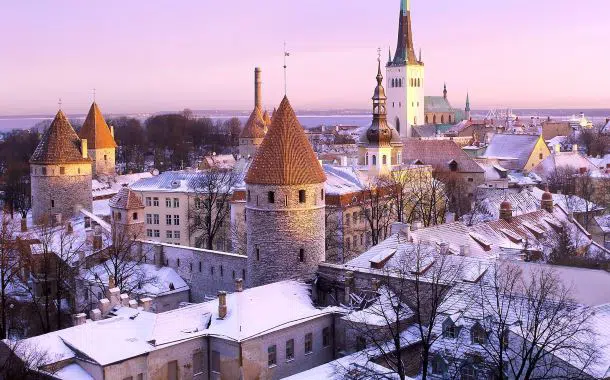
Tallinn is the capital of Estonia as well as its main port, it is located on the northern coast of the country, overlooking the Baltic Sea, 80 kilometers south of Helsinki and is also the most populous city and major economic and commercial center of the country.
Stockholm
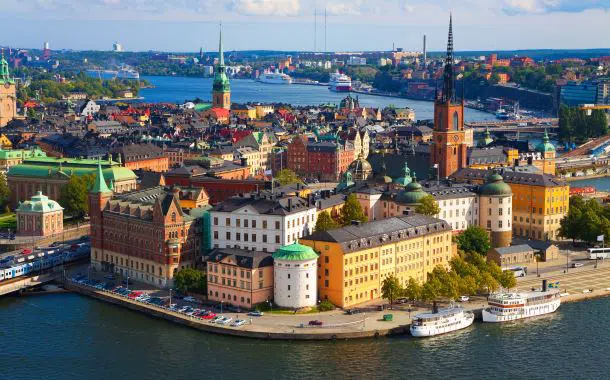
The capital of Sweden is considered one of the most beautiful cities in the world, a mirage of buildings in saffron colors and iridescent terracottas between the blue of the water and the even bluer skies of the Swedish summer, or candid, covered with snow and dotted with winter lights. It is also a lively, modern city, famous for the production of elegant design, cutting-edge fashion and world-class nightclubs.
The old town, Gamla Stan, is a compact little labyrinth seemingly built for small, thin people. The red, orange, and vanilla stucco walls of the buildings that seem to curve in towards each other house countless souvenir shops and ice cream parlors.
Just south of Gamla Stan is another island-neighborhood, Södermalm, where hills high waterfront are embellished by beautiful residences and the main avenues are lined with bohemian shops, art galleries, and Clubs. On the other side of Gamla Stan is the main city center, a bustling metropolis where boutiques and restaurants enliven the cool Swedish evenings.
Stockholm
The capital of Sweden is considered one of the most beautiful cities in the world, a mirage of buildings in saffron colors and iridescent terracottas between the blue of the water and the even bluer skies of the Swedish summer, or candid, covered with snow and dotted with winter lights. It is also a lively, modern city, famous for the production of elegant design, cutting-edge fashion and world-class nightclubs.
The old town, Gamla Stan, is a compact little labyrinth seemingly built for small, thin people. The red, orange, and vanilla stucco walls of the buildings that seem to curve in towards each other house countless souvenir shops and ice cream parlors.
Just south of Gamla Stan is another island-neighborhood, Södermalm, where hills high waterfront are embellished by beautiful residences and the main avenues are lined with bohemian shops, art galleries, and Clubs. On the other side of Gamla Stan is the main city center, a bustling metropolis where boutiques and restaurants enliven the cool Swedish evenings.
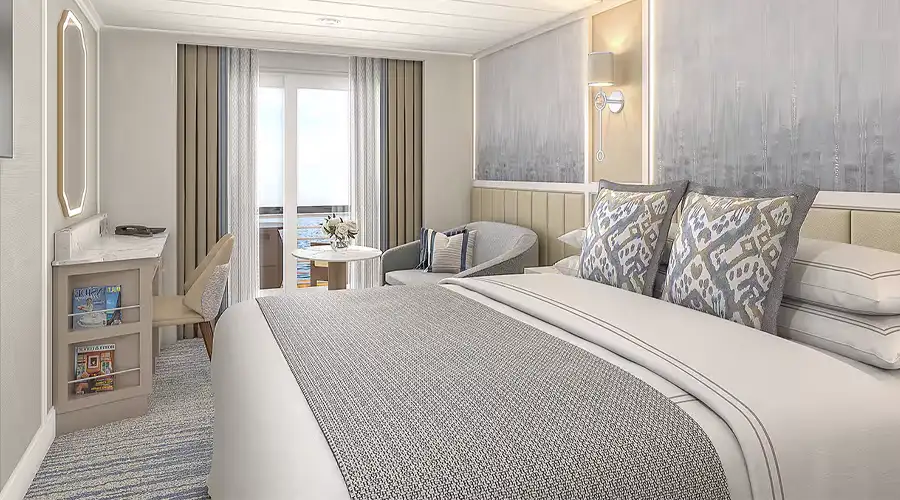
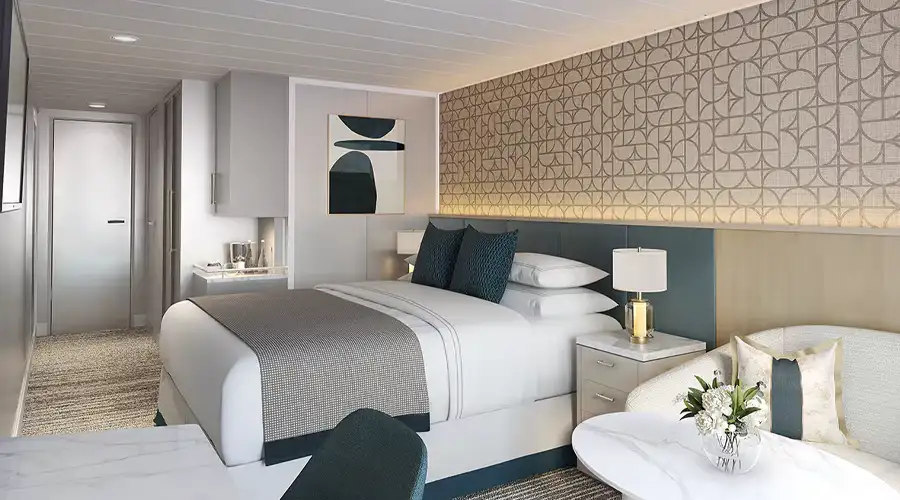
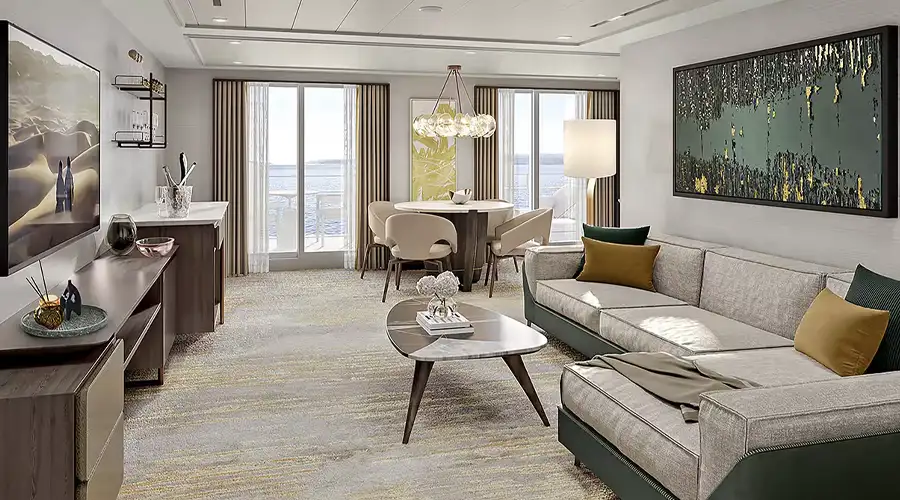
Info on the ship Oceania Sonata