Oceania Cruises World Cruises: 78 nights from New York with Oceania Aurelia
Jul 18, 2028
United States, Canada, Greenland, Denmark, Iceland, United Kingdom, Netherlands, Norway, Sweden, Germany, Poland, Lithuania, Latvia, Estonia, Finland, Belgium, France, Spain, Portugal


Cruise itinerary
Departure Port: New York ➞
Landing: Boston
-
 Tuesday, July 18, 2028 - 7:00 PMNew York
-
 Wednesday, July 19, 2028Navigation
 -
Thursday, July 20, 2028Navigation
-
Friday, July 21, 2028 7:00 AM - 4:00 PMSydney
-
Saturday, July 22, 2028 10:00 AM - 6:00 PMCorner Brook
-
Sunday, July 23, 2028Navigation
-
Monday, July 24, 2028Navigation
-
Tuesday, July 25, 2028 11:00 AM - not foundNuuk
-
Wednesday, July 26, 2028 not found - 5:00 PMNuuk
-
Thursday, July 27, 2028 7:00 AM - 5:00 PMPaamiut
-
Friday, July 28, 2028Navigation
-
Saturday, July 29, 2028Navigation
-
Sunday, July 30, 2028 11:00 AM - 8:00 PMGrundarfjordur
-
Monday, July 31, 2028 8:00 AM - not foundReykjavik
-
Tuesday, August 1, 2028 not found - 5:00 PMReykjavik
-
Wednesday, August 2, 2028 8:00 AM - 7:00 PMIsafjordur
-
Thursday, August 3, 2028 9:00 AM - 5:00 PMAkureyri
-
Friday, August 4, 2028 10:00 AM - 7:00 PMSeydisfjordur
-
Saturday, August 5, 2028Navigation
-
Sunday, August 6, 2028 7:00 AM - 6:00 PMRunavík
-
Monday, August 7, 2028 11:00 AM - 9:00 PMLerwick
-
Tuesday, August 8, 2028 7:00 AM - 5:00 PMKirkwall
-
Wednesday, August 9, 2028 9:00 AM - 7:00 PMEdinburgh
-
Thursday, August 10, 2028Navigation
-
Friday, August 11, 2028 7:00 AM - 5:00 PMSouthampton
-
Saturday, August 12, 2028Navigation
-
Sunday, August 13, 2028 7:00 AM - 6:00 PMAmsterdam
-
Monday, August 14, 2028Navigation
-
Tuesday, August 15, 2028 9:00 AM - 6:00 PMMåløy
-
Wednesday, August 16, 2028 12:00 PM - 10:00 PMUlvik
-
Thursday, August 17, 2028 8:00 AM - 6:00 PMRosendal
-
Friday, August 18, 2028 10:00 AM - 7:00 PMMandal
-
Saturday, August 19, 2028 8:00 AM - 5:00 PMSkagen
-
Sunday, August 20, 2028 8:00 AM - 5:00 PMLysekil
-
Monday, August 21, 2028 7:00 AM - 5:00 PMGoteborg
-
Tuesday, August 22, 2028 7:00 AM - 5:00 PMCopenaghen
-
Wednesday, August 23, 2028 6:00 AM - 9:00 PMWarnemünde
-
Thursday, August 24, 2028 10:00 AM - 6:00 PMKarlskrona
-
Friday, August 25, 2028 7:00 AM - 4:00 PMGdynia
-
Saturday, August 26, 2028 7:00 AM - 3:00 PMKlaipeda
-
Sunday, August 27, 2028 10:00 AM - 5:00 PMRiga
-
Monday, August 28, 2028 1:00 PM - 9:00 PMTallinn
-
Tuesday, August 29, 2028 8:00 AM - 5:00 PMHelsinki
-
Wednesday, August 30, 2028 9:00 AM - 7:00 PMMariehamn
-
Thursday, August 31, 2028 12:00 PM - not foundStockholm
-
Friday, September 1, 2028 not found - not foundStockholm
-
Saturday, September 2, 2028 not found - 12:00 PMStockholm
-
Sunday, September 3, 2028 7:00 AM - 5:00 PMMariehamn
-
Monday, September 4, 2028 7:00 AM - 5:00 PMVisby
-
Tuesday, September 5, 2028 7:00 AM - 5:00 PMLiepāja
-
Wednesday, September 6, 2028 7:00 AM - 4:00 PMGdynia
-
Thursday, September 7, 2028 7:00 AM - 6:00 PMRonne
-
Friday, September 8, 2028 10:00 AM - 8:00 PMkalundborg
-
Saturday, September 9, 2028Navigation
-
Sunday, September 10, 2028 7:00 AM - 11:00 PMHamburg
-
Monday, September 11, 2028Navigation
-
Tuesday, September 12, 2028 7:00 AM - 5:00 PMAmsterdam
-
Wednesday, September 13, 2028 7:00 AM - 4:00 PMZeebrugge
-
Thursday, September 14, 2028 8:00 AM - 10:00 PMLe Havre
-
Friday, September 15, 2028Navigation
-
Saturday, September 16, 2028 9:00 AM - 7:00 PMLa Rochelle
-
Sunday, September 17, 2028 7:00 AM - not foundBordeaux
-
Monday, September 18, 2028 not found - 8:00 PMBordeaux
-
Tuesday, September 19, 2028Navigation
-
Wednesday, September 20, 2028 7:00 AM - 5:00 PMGijon
-
Thursday, September 21, 2028 7:00 AM - 5:00 PMLa Coruna
-
Friday, September 22, 2028 9:00 AM - 5:00 PMOporto
-
Saturday, September 23, 2028 7:00 AM - 5:00 PMLisbon
-
Sunday, September 24, 2028Navigation
-
Monday, September 25, 2028Navigation
-
Tuesday, September 26, 2028 7:00 AM - 5:00 PMPonta Delgada
-
Wednesday, September 27, 2028Navigation
-
Thursday, September 28, 2028Navigation
-
Friday, September 29, 2028Navigation
-
Saturday, September 30, 2028 7:00 AM - 5:00 PMnavigation
-
Sunday, October 1, 2028Navigation
-
Monday, October 2, 2028 7:00 AM - 5:00 PMHalifax
-
Tuesday, October 3, 2028Navigation
-
Wednesday, October 4, 2028 7:00 AM 5:00 PMBoston
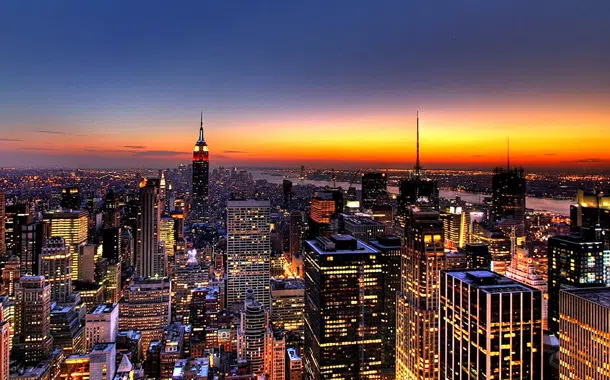
New York
New York is an incredibly diverse and active place, which consists of an intricate mosaic of neighbourhoods, each has its own character and history, yet they merge together seamlessly.
New York is an urban island full of unparalleled art and architecture, lively ethnic neighbourhoods, thousands of shops and some of the best restaurants in the world. The main attractions are grouped in Midtown Manhattan, not far from the cruise port.
Drift down the Hudson River and discover unforgettable attractions, such as the Empire State Building and the Statue of Liberty. In the city that never sleeps there is no end of things to do, from the lights of Broadway and Times Square to world-class museums, shopping and a plethora of places to eat.
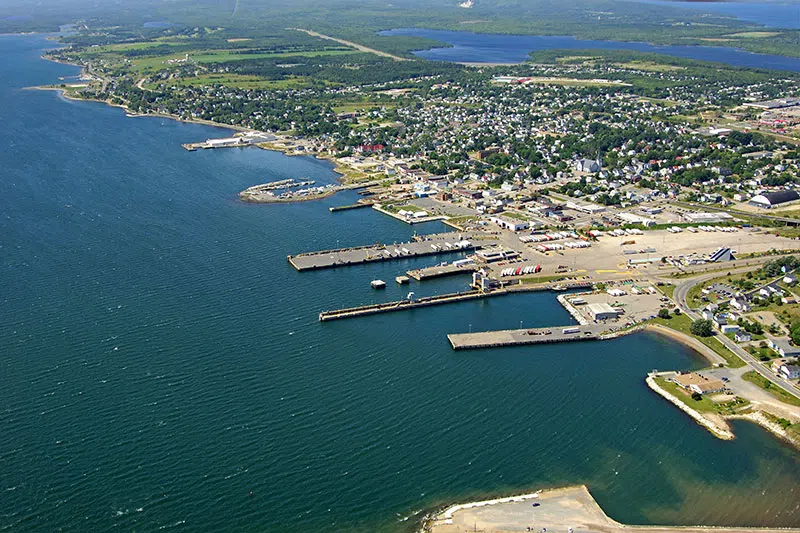
Sydney
Sydney, a city where architecture and nature come together to give life to a unique landscape that characterizes the panorama of the main Australian port city. There are numerous cruises departing from Sydney bound for the main destinations located in the South Pacific such as New Zealand, New Caledonia and French Polynesia but also to national destinations such as Auckland, Brisbane and the Kimberley region with its wild nature which goes well with cruise expeditions.
Sydney: destinations and experiencesThe port of Sydney is considered one of the most beautiful in the world. From its shores it is impossible not to notice the elegant architecture of the iconic Opera House and the Sydney Harbour Bridge, symbols par excellence of the city. Hyde Park is instead the green lung located in the heart of Sydney. Not far from the urban boundaries, it is possible to get lost in the local natural wonders such as the Blue Mountains National Park, a World Heritage Site, the famous Bondi Beach which takes its name from an ancient Aboriginal term which means 'noise of the water that breaks on the rocks' and the Congee cliff beach. Among the things to absolutely taste before leaving the city is the oyster soup, the Australian mango salad and the Meat Pie.
Corner Brook
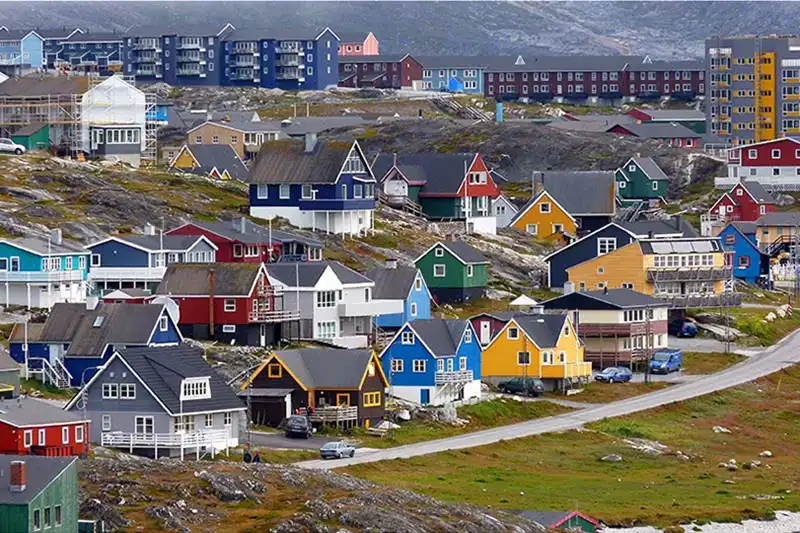
Nuuk
Nuuk, a small town in Greenland, is located along the southwest coast of Greenland. Its unspoiled nature, of a unique beauty, its very ancient history and its old traditions make it an ideal place to get to know Greenlandic culture better. The name of the city, symbol of its cultural identity, means "head/promontory" and is linked to its physical conformation.
This name is not the original one, but it was assigned to the city only in 1979. The history of the city has very ancient origins, the first settlements date back to 2200 BC by Aboriginal populations. Later, the Vikings invaded the city and subjected it to their power for more than five centuries and then abandoned it around 1450. Despite its ancient history, the date of foundation of the city actually dates back to 1728 when missionary Hans Egede reached the territory on behalf of the crown of Denmark and Norway to convert the region to Lutheranism. The city has a rich cultural tradition mainly linked to the Aboriginal populations that inhabit the territory.
It is estimated that the city has the highest rate of Aboriginal population compared to any other city in the country. The city is a perfect mix of Aboriginal culture and Danish influence. The presence of the latter in the region is still visible today, for example in the colorful single-family houses scattered throughout the city. Among the many activities offered by the city, the one that attracts the largest number of tourists every year is the aurora borealis. The ideal period to witness this spectacle is from August to April. Nuuk is an important port for cruise ships to discover Greenland and North America. The port always welcomes numerous cruise ships, offering passengers the opportunity to explore the city and the rest of the country.
Nuuk
Nuuk, a small town in Greenland, is located along the southwest coast of Greenland. Its unspoiled nature, of a unique beauty, its very ancient history and its old traditions make it an ideal place to get to know Greenlandic culture better. The name of the city, symbol of its cultural identity, means "head/promontory" and is linked to its physical conformation.
This name is not the original one, but it was assigned to the city only in 1979. The history of the city has very ancient origins, the first settlements date back to 2200 BC by Aboriginal populations. Later, the Vikings invaded the city and subjected it to their power for more than five centuries and then abandoned it around 1450. Despite its ancient history, the date of foundation of the city actually dates back to 1728 when missionary Hans Egede reached the territory on behalf of the crown of Denmark and Norway to convert the region to Lutheranism. The city has a rich cultural tradition mainly linked to the Aboriginal populations that inhabit the territory.
It is estimated that the city has the highest rate of Aboriginal population compared to any other city in the country. The city is a perfect mix of Aboriginal culture and Danish influence. The presence of the latter in the region is still visible today, for example in the colorful single-family houses scattered throughout the city. Among the many activities offered by the city, the one that attracts the largest number of tourists every year is the aurora borealis. The ideal period to witness this spectacle is from August to April. Nuuk is an important port for cruise ships to discover Greenland and North America. The port always welcomes numerous cruise ships, offering passengers the opportunity to explore the city and the rest of the country.
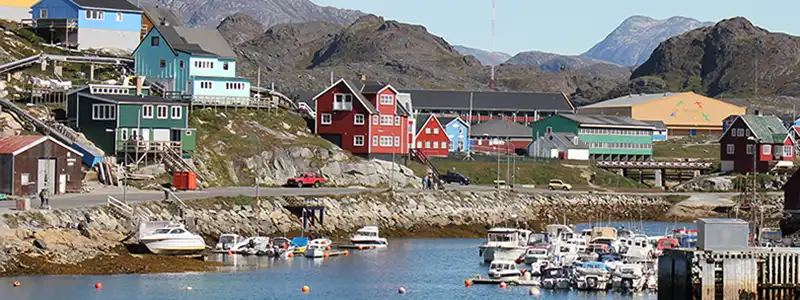
Paamiut
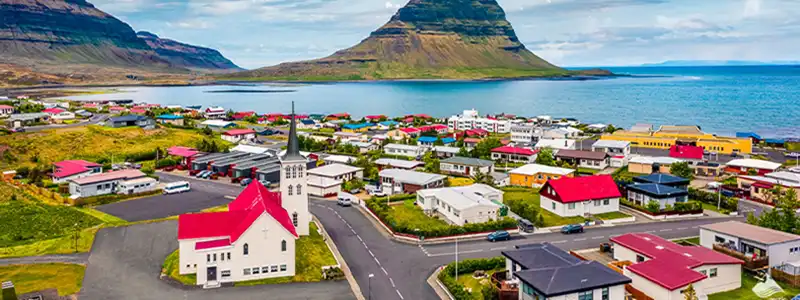
Grundarfjordur

Reykjavik
The gateway to Iceland, a land of incredible natural wonders, ranging from huge glaciers to thermal pools and geysers.
Reykjavik, the capital of Iceland, is small but boasts a vast historical and cultural heritage. Founded thousands of years ago by Nordic settlers, this destination is set on a breathtaking coast with scenic peninsulas, straits, and picturesque islands. Known for its natural beauty and charm, the small city, Reykjavik, is also known to attract travelers as "the capital of Northern nightlife" for its vibrant and social atmosphere. The island's landscape seems to be in a continuous process of transformation like society, which combines Nordic tradition with sophisticated technology.
Reykjavik
The gateway to Iceland, a land of incredible natural wonders, ranging from huge glaciers to thermal pools and geysers.
Reykjavik, the capital of Iceland, is small but boasts a vast historical and cultural heritage. Founded thousands of years ago by Nordic settlers, this destination is set on a breathtaking coast with scenic peninsulas, straits, and picturesque islands. Known for its natural beauty and charm, the small city, Reykjavik, is also known to attract travelers as "the capital of Northern nightlife" for its vibrant and social atmosphere. The island's landscape seems to be in a continuous process of transformation like society, which combines Nordic tradition with sophisticated technology.
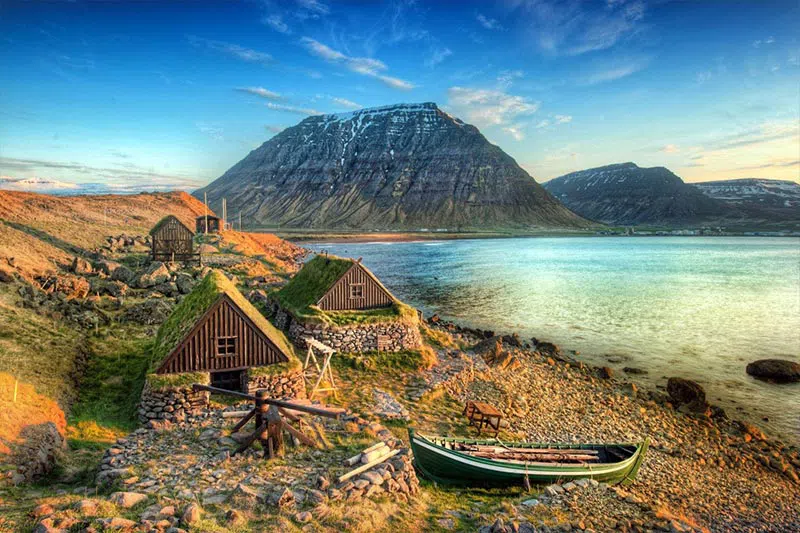
Isafjordur

Akureyri
Akureyri is the center of cultural, educational and recreational activities in North Iceland, the city is by far the largest outside the capital area of Reykjavík
Akureyri is the center of cultural, educational and recreational activities in North Iceland, the city is by far the largest outside the capital area of Reykjavík. And 'surrounded by mountains, the highest is Kista of 1,447 meters and another smaller one of 1538 meters at the head of Glerá í dalur, from the Glera river which crosses the city, there is a narrow flat coastal strip, a lot of land has been recovered from the sea, so that the coast today is more uniform. Nicknamed the capital of the north of Iceland, Akureyri is an important port and fishing center.
The area where Akureyri is located was resolved in the 9th century. During the Second World War, the city was the location of Allied units and a further increase occurred after the war. Akureyri has a robust cultural scene, during the summer there are many festivals, an example is the medieval festival held every summer at Gásir, The International Music Festival, a series of live band concerts and the Arctic Open Golf Championship international golf event at the Akureyri Golf Club.
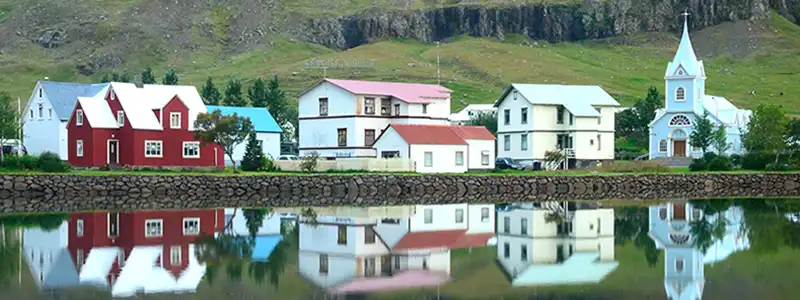
Seydisfjordur
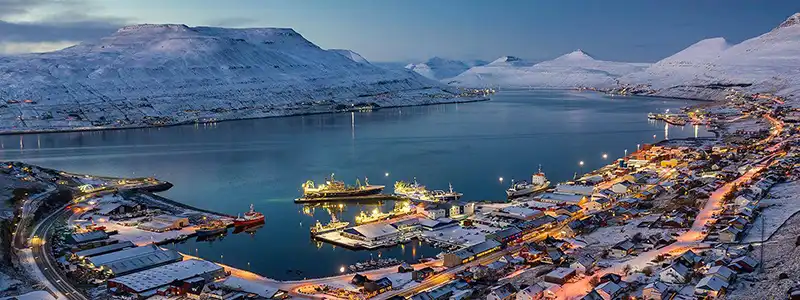
Runavík

Lerwick
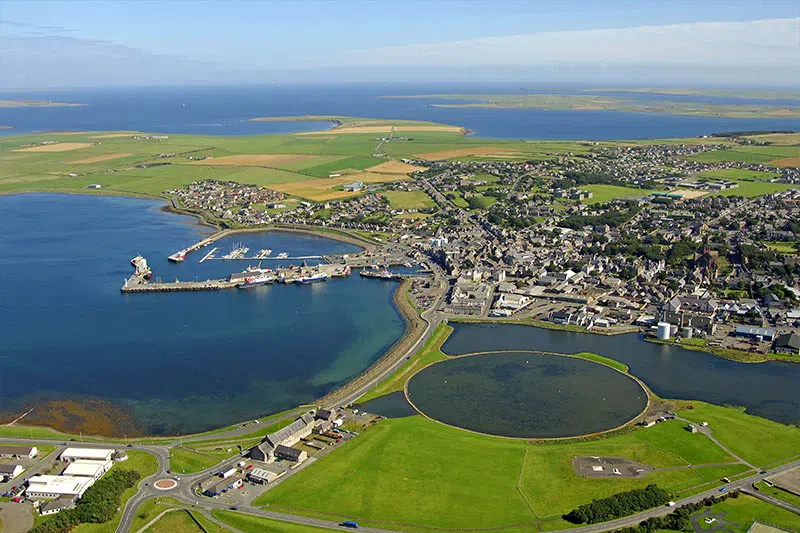
Kirkwall
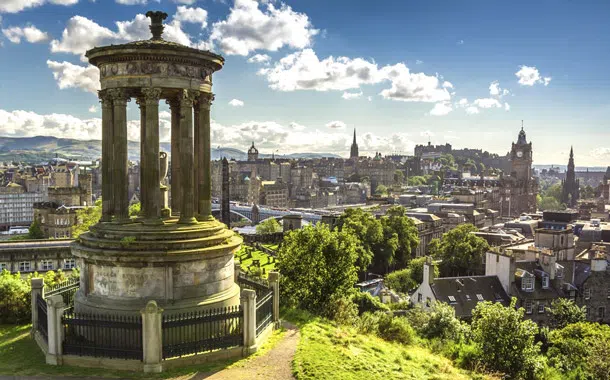
Edinburgh
Edinburgh is a fantastic stop with a wide variety of things to do and see. Excursions include castles, distilleries, national parks and excellent restaurants.
Edinburgh (Gaelic: Dùn Èideann;) is the capital of Scotland, located in the central region of the country. It manages to combine ancient and modern in a uniquely Scottish atmosphere. Inspired by the imposing castle, the symbol of the city, Edinburgh combines medieval relics, Georgian splendour and a powerful layer of modernity with avant-garde contemporary art.
In Edinburgh, medieval buildings stand shoulder to shoulder with the best of modern architecture; Gothic churches with fantastic museums and galleries. Scotland's exciting nightlife in Edinburgh, 'the Athens of the North', is also a feast for the mind and the senses.
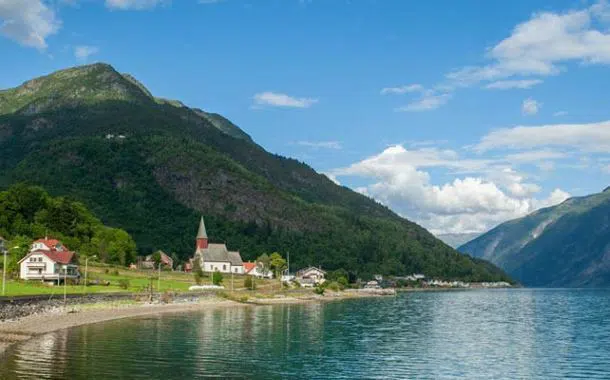
Southampton
Southampton is a city positioned in the South of Great Britain and its port is one of the main ports in Europe. From the port of Southamptos it is possible to set sail for a Cunard transatlantic cruise and reach New York, or visit Amsterdam and Belgium with an MSC cruise. The city offers, further to the New Forest National Park, a wide natural park with its suggestive woods, also many museums and art galleries and remarkable architectural works. Noteworthy is King John’s Palace, of Norman origins as well as the old walls with 7 entrances to the city. An evidence of the Victorian Age is Tudor House, collecting objects dated back to that period. For the art lovers, Southampton City Art Gallery offers exhibitions of any kind of art, from drawing to photography with shows that attract many visitors.
Southampton: The UK's Grand Gateway to Global CruisesSet sail from Southampton, the historic and vibrant port city on England's south coast, renowned as the UK's premier cruise departure point. With its rich maritime heritage, including its association with the Titanic, and excellent transport links, Southampton offers a grand beginning to voyages across the Atlantic, to the Mediterranean, Northern Europe, and beyond. Before embarking, explore its ancient city walls, maritime museums, and lively shopping districts. Southampton provides a seamless and exciting start to your global cruise adventure.
World-Class Journeys Begin from SouthamptonCruises departing from Southampton open up a world of possibilities, from transatlantic crossings to the Americas, sun-drenched Mediterranean escapes, and captivating Northern European explorations. Whether you dream of iconic cityscapes, breathtaking natural wonders, or culturally immersive experiences, Southampton serves as an ideal launchpad. Enjoy the convenience of a world-class port and the anticipation of new discoveries as you leave the shores of England for unforgettable experiences on the open water, promising relaxation, entertainment, and endless exploration. Each voyage from Southampton promises a journey of a lifetime.
Amsterdam
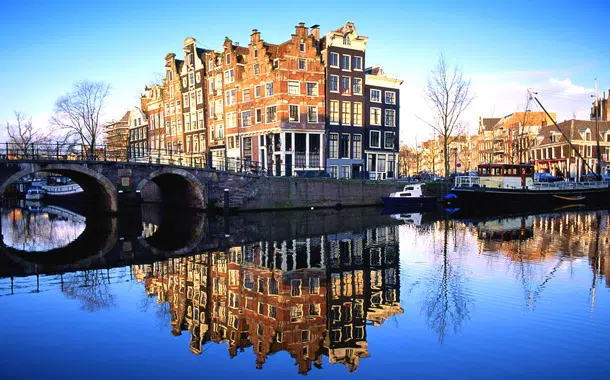
Amsterdam is a charming city with a particularly relaxing and serene atmosphere, despite its large size. The city has been a World Heritage Site since 2010 and has buildings dating back to the sixteenth and seventeenth centuries. It is no coincidence that it is one of the most visited cities in the world.
The structure of the city is determined by a network of charming waterways. The historic center, which dates back to the 13th century, is surrounded by five concentric canals - the Grachtengordel - built in the 17th century as part of a perfectly successful expansion project designed to create a unique and refined urban environment.
It is here that the city's mercantile class built its characteristic gabled houses, with bright, gracefully decorated colors, whose romantic features are reflected in the olive-green waters of the picturesque canals.

Måløy
Ulvik
Rosendal
Mandal
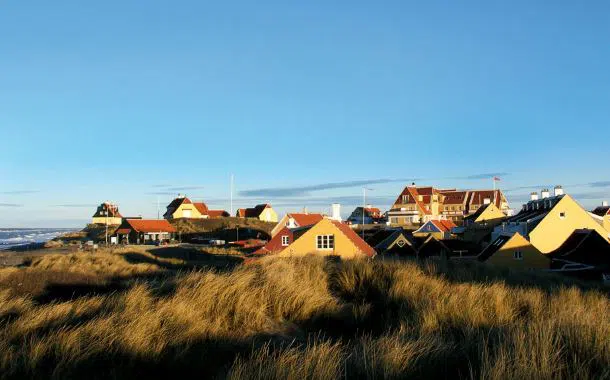
Skagen
Skagen is a Danish town located in the North Jutland region on the northernmost tip of the island of Vendsyssel-Thy. It is part of the municipality of Frederikshavn. In the vicinity of Skagen, frequented by tourists, there is Grenen, a strip of sand that extends to the north-east at the point where the two seas Skagerrak and Kattegat meet, generating turbulence that makes navigation difficult. For this reason, special signs sanction the ban on bathing. It is often possible to witness the characteristic clash of waves coming from opposite directions. The old Vippefyr lighthouse, was built in the fifteenth century and later destroyed. There is a reconstruction north of the city. In the seventeenth century it was replaced by the Hvidefyr (white lighthouse). In turn replaced by the taller Gråfyr (grey lighthouse) of 1850, still present. To the south of the city there is the Tilsandende Kirke, a church buried by the sand. Currently visible and visitable is only the bell tower. Further attractions are represented by the numerous museums and art galleries. Among the museums, we point out the Skagens Museum which exhibits the major works of the Skagen painters.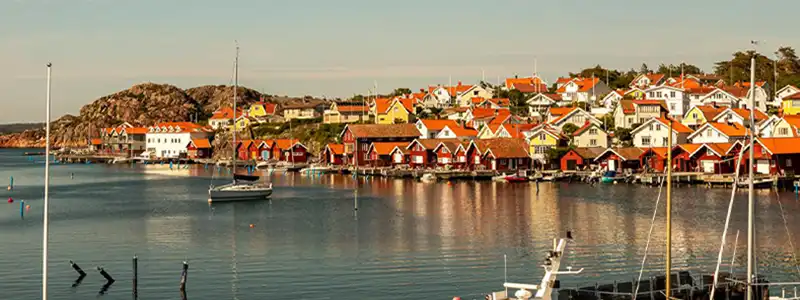
Lysekil
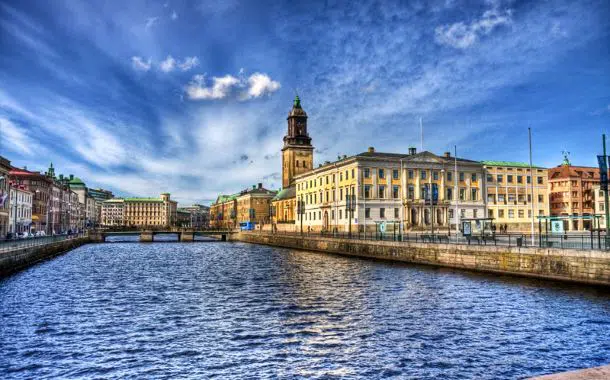
Goteborg
Located between Oslo and Copenhagen, the fifth-largest city in Scandinavia and its main port, Gothenburg is the second Swedish municipality with the greatest demographic and economic importance. In addition to its cultural and intellectual influence, in this place, you will grasp a special atmosphere of casualness and joy that reigns throughout the area. The center is located on the left bank of the Gota Alv river, whose right bank forms a large island called Hisingen. The city has spread over a multitude of wild and friendly islands, forming the archipelago of Gothenburg. Economically very dynamic, (cars, stationery, and mechanical engineering) this metropolis is classified among the most enterprising and recommended European cities. Thanks to the mentality of the population, it has a strong transcendental spirit in the intellectual and cultural field, with its universities, its orchestra, opera, theater, and its events, such as the book fair and the international film festival. Finally, to complete this idyllic picture, Gothenburg holds no less than three renowned parks, Liseberg, the most famous Swedish amusement park, the Trädgård Horticultural Society garden and the Göteborgs Botaniska, the city's botanical garden. Sweden is generally associated with the sea, but once you visit the village, you will also be able to discover the country through the river. The Gota Canal and the largest in Sweden, (58,000 young people were employed for its construction for 22 years) and connects the city to Stockholm. A stay in this country can be the occasion for a cruise vacation to get to know the beautiful Swedish landscapes. With its 61,000 students and many visitors all year round, Goteborg guarantees more than 193 venues and 671 restaurants! Unmissable are the fish dishes, especially near the traditional Feskekörka market. In the evening you will find celebrities at the Cabaret Lorensberg and at Excet Madison, one of the most popular clubs in the city.
Copenaghen
Copenhagen, literally "port of the merchants", is the capital of Denmark and one of the country's most densely populated cities. Originally a city mainly inhabited by fishermen, it became a fundamentally important port for trade.
Copenhagen is a year-round tourist destination and in summer the flow of tourists increases considerably thanks to Northern Europe cruises.
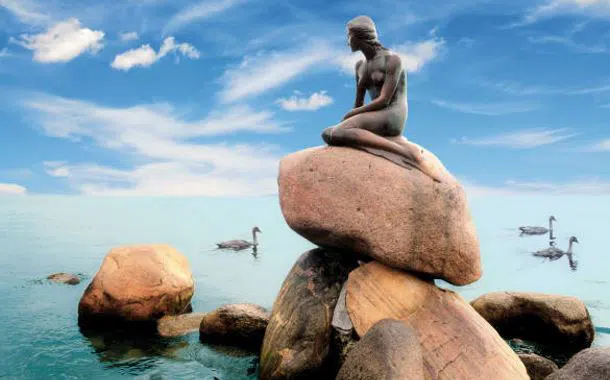
It is very common to add a stay in the city before a cruise, to take in its distinguishing relaxing atmosphere and see what it has to offer. Among its famous attractions you cannot miss the statue of the Mermaid which is located right at the entrance to the port and the Tivoli Gardens, one of the world's largest amusement parks, opened in 1843 and loved by everyone.
Copenhagen (København in Danish and 'Copenaga' in Italian [no source]) is the capital and the most populous city of Denmark with 518,574 inhabitants in the municipality (1,167,569 in the urban area). The city stretches across the islands of Sjælland and Amager and is separated from the city of Malmö in Sweden by the strait of Øresund.
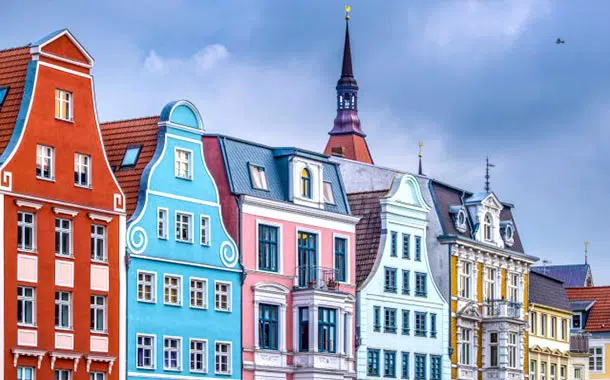
Warnemünde
Cruises departing from Warnemundë: discover Northern Europe!Warnemundë, the tourist and commercial port of the German city of Rostock, overlooks the Baltic Sea and is the ideal departure port for a cruise in Northern Europe. Set sail from Warnemundë for a cruise aboard the best ships, on our site you will find all available departures sorted by departure date: choose your cruise from Warnemundë now at the best price!
Cruise from Warnemundë: Norwegian fjords and capitals of the Baltic SeaCruises from Warnemundë are ideal for starting to discover the Norwegian fjords or the Baltic capitals as almost all ships offer interesting itineraries in these areas. You can set sail for Poland, Latvia, Estonia up to Russia to visit the treasures of St. Petersburg.
We at Taoticket still recommend to those who embark from this port to take a visit to the city's lighthouse or perhaps take a dip in the beach as Warnemundë is a renowned seaside resort in Northern Europe. Also interesting is the historic center of Warnemundë, with traditional buildings, bars and a large fish market.
Cruise ships depart from Warnemundë from May to September, as in winter the climate is very cold in these areas and cruise ships move to the warmer waters of the Mediterranean.
These trips can be an opportunity to take an alternative cruise to the usual itineraries: from Warnemundë to the Mediterranean Sea by cruise, ask our specialized travel agents for the departure dates and experience a real adventure!
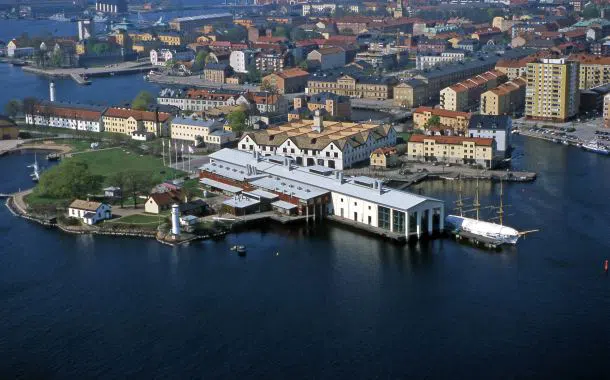
Karlskrona
Located on the south coast of Sweden, opposite Poland, it is made up of several small islands (Trosso, Salto, Pantarholmen). After the Danes, this region was redeemed by Sweden in 1658. King Karl XI, in 1680, decided to build a large naval base in the south of the country, on the Trossö peninsula, to protect its territories and control the Baltic Sea as much as possible, thus founding the city of Karlskrona. The naval base, still present, is no longer accessible, but you have the opportunity to see a submarine and several military ships from a certain distance. Furthermore, there is also a museum on the history of the Strumholmen where you can observe naval uniforms and impressive ship models. Over the centuries, the situation has changed becoming less important on a political level, on the contrary, in the historical and architectural fields, it has evolved very little, becoming a UNESCO World Heritage Site since 1998. A good example is the central Baroque-style church (Fredrikskyrkan), dating back to 1690 and built on the highest point of the island. Not far from there is the "Admiralstorn", a large wooden tower from 1699, originally used to indicate the time to the workers of the shipyards. Finally, passing through the port, they make daily trips to Poland and Gdynia.
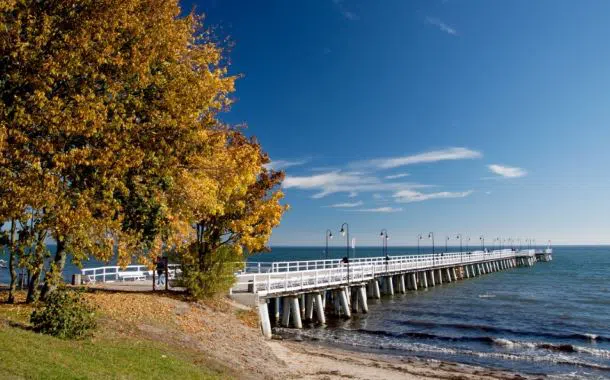
Gdynia
Gdynia is a town located in the north of Poland, in the Gulf of Gdansk and Warsaw, the capital, is about 380 km away. Part of a combination of three cities, (Gdynia, Gdansk and Sopot) represent the "lithe" a population of over a million inhabitants. Once known as a small fishing village, the city has developed considerably, especially after the end of the Second World War, becoming the largest Polish port. Its unique and modern environment delights tourists both for its maritime infrastructure and for its cultural life. The territory welcomes various cultural events such as the Polish Film Festival, nicknamed the "Polish Cannes." The outdoor music festival, which brings together various international artists, is proposed every year near the local beach. The city is particularly populated in summer: tourists are attracted thanks to its proximity to the sea and its large sandy beaches. Throughout the year, it plays the role of one of the main seaports in Poland and the site of an important shipyard. Near the port, you will find museums of various ships that can be visited. The country is relatively modern, however, vacationers who come to stay in this territory are often looking for its past and its historical buildings, such as the popular and ancient church of San Michele Arcangelo or the neo-Gothic house of the XVII century. The hills and coasts also intrigue nature lovers. The walk, with a length of 1.5 km, is very popular. In short, this place will be a perfect destination for those seeking rest but without giving up the pleasures of life, offering you a wide range of activities, including markets, clubs and excellent restaurants.
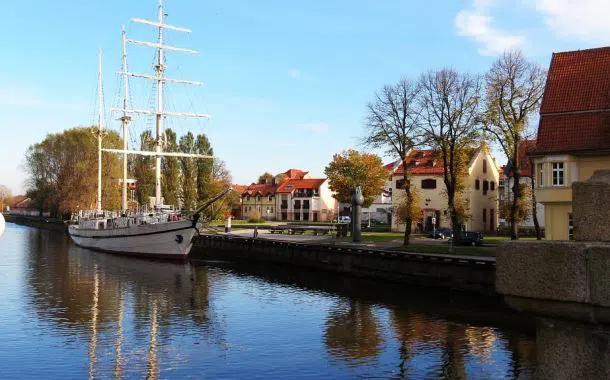
Klaipeda
The city is located near the Niemen delta, at the northern end of the Neringa Peninsula passing through the Strait of Memel. It connects Sweden, Denmark and Germany by ferry.
Lithuania's main seaport, Klaipėda is the third largest city in Lithuania after Vilnius and Kaunas. Long contested between the Kingdom of Lithuania and the Teutonic Knights.
Starting with a visit to the old town, you can see old houses, adorned with bushes of grapes. Several architectural buildings recall the designs of contemporary stories and small houses with tiled roofs surrounded by flowers and bushes.
The streets of the old town are winding and labyrinthine. Theatre Square is the central part of the old town of Klaipeda. Here you can see Simon Fontana Dach and another permanent symbol of the city, the sculpture of Anika Toravy, a historical figure in one of the old Lithuanian songs.
In addition to the beautiful walks through the streets of the city, you absolutely must visit the Museum of Clocks. Here are the collections of the first devices with which our ancestors determined the time. They vaguely resemble the clocks that are used today. You will be surprised to know that there are water clocks and fire clocks. A variety of sundials and hourglasses will broaden your understanding of production mechanisms. The Museum is another notable cultural institution.
It is possible to stroll and see many monuments in the sculpture park, to finish the tour with a visit to the Maritime Museum. Klaipeda will prepare for its guests with lots of fun for all tastes. It only remains to make the right choice and enjoy the holiday.
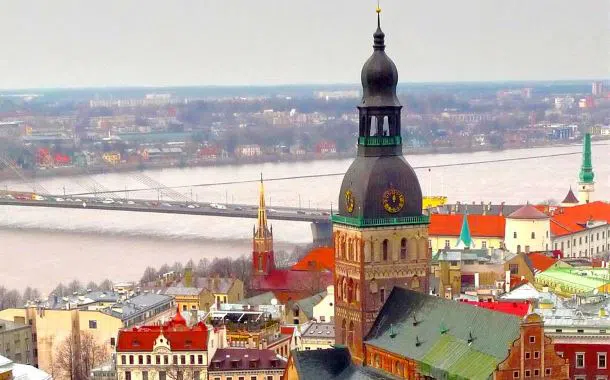
Riga
Riga, the capital of Latvia and the largest metropolis in the Baltic States, has the craziest nightlife of the three states.
The city is located near the Daugava Rigaian bay. Even today, Riga is very interesting when it comes to business opportunities and activities. The old port is famous for its Art Nouveau buildings, generous in constructions and a well-preserved center. After the particularly depressed economic period after independence in 1991 the country lost many of its industries in the great post-Soviet whale hunt, it is now highly developed in its education system and has a great cultural value and therefore cannot be considered as the backbone of the Latvian economy, as well as the largest center of education and science. Every year numerous exhibitions, conferences and cultural events take place in Riga and contribute to the city's international reputation. And it is charming to walk through the alleys of the historic center to admire splendid buildings such as the House of the Three Brothers, they are three houses next to each other in Maza Pils iela where a museum of architecture is currently housed, the House of the Blackheads, one of the best-known buildings in the Old Town. Don't miss the churches of St. Peter and St. John and the Cathedral.
Riga has many bars, clubs and discos, mainly located in the historic center.
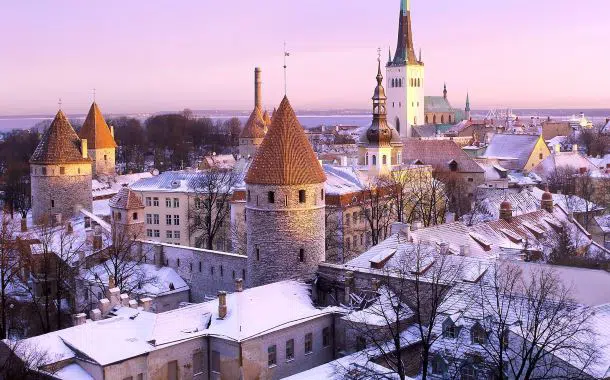
Tallinn
Tallinn is the capital of Estonia as well as its main port, it is located on the northern coast of the country, overlooking the Baltic Sea, 80 kilometers south of Helsinki and is also the most populous city and major economic and commercial center of the country.
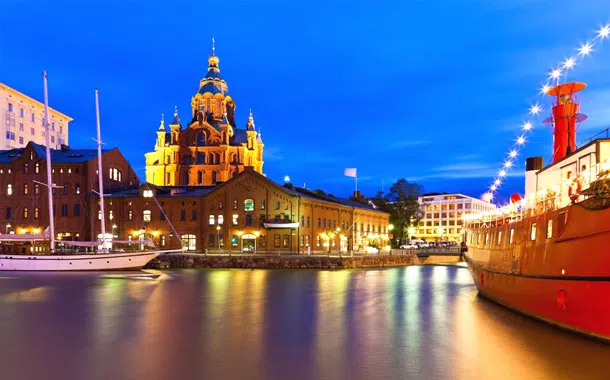
Helsinki
Helsinki, the capital of Finland, is a lively port city surrounded by beautiful small islands and beautiful green spaces. The atmosphere here is both relaxing and stimulating thanks to the city's large number of top quality restaurants, bars and discotheques.
Winter temperatures are relatively high due to the latitude, averaging around -5°C in January and February. The average temperature from June to August varies from 19 °C and 21°C.
The Finns have long been admired for their graceful design and typically immaginative architecture. Lots of past and present styles are represented in this metropolis, ranging from the medieval and the neoclassical ones to the beautiful ultra-modern creations. The beauty of the surrounding nature harmoniously blends with the high-tech and the contemorary ways of the city. In this lively city you will find kind people, a welcoming and relaxed lifestyle and beautiful gardens and parks.
Tourism in Helsinki is largely dominated by culture. The city has lots of museums including the National museum (Kansallis Museum), the Museum of Contemporary Art (Kiasma), the Museum of Classic Art
(Ateneum) and the Natural History Museum. Suomenlina is a beautiful island off the coast of Helsinki, its special feature being the presence of ancient fortifications. The landscape is beautiful, the island is quiet and it is perfect for walking (it takes only 2 hours to walk around the island).
Finally, try the Esplanade Park, which has been open since 1812 and has numerous statues honouring poets and writers. The walk is very pleasant and numerous concerts are organised during the summer.
Winter temperatures are relatively high given the latitude, with an average of around -5°C in January and February. The average maximum from June to August, in turn, fluctuates between 19 and 21°C.
The Finns have long been admired for their graceful design and typically imaginative architecture. Many past and present styles are represented in this metropolis, from medieval to neoclassical, to superb ultra-modern creations. The beauty of the surrounding nature blends harmoniously with high-tech and the contemporary modes of the city.
In this sparkling city you will find friendly people, the welcoming and relaxing lifestyle, embellished by beautiful gardens and parks.
Tourism in Helsinki is largely dominated by culture. The city has many museums, including the National Museum (Kansallis museum), the Museum of Contemporary Art (Kiasma), the museum of classical art (Ateneum) or the Museum of Natural History.
Suomenlina is a beautiful island off the coast of Helsinki, its particularity is the presence of ancient fortifications. The landscape is beautiful, the island is quiet and it's perfect for walking (it only takes 2 hours to go around the island).
Finally, try the Esplanade Park open since 1812, there are numerous statues in honor of poets and writers. The walk is very pleasant and during the summer many concerts are organized.
Mariehamn
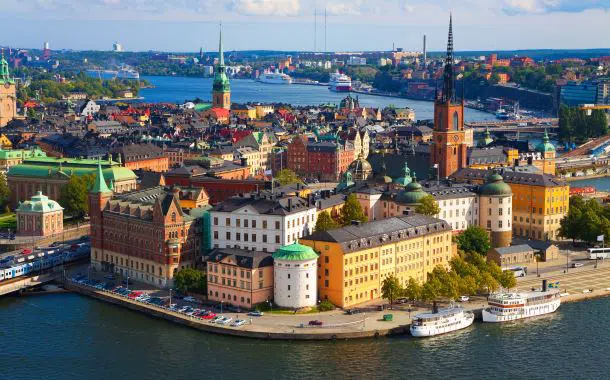
Stockholm
The capital of Sweden is considered one of the most beautiful cities in the world, a mirage of buildings in saffron colors and iridescent terracottas between the blue of the water and the even bluer skies of the Swedish summer, or candid, covered with snow and dotted with winter lights. It is also a lively, modern city, famous for the production of elegant design, cutting-edge fashion and world-class nightclubs.
The old town, Gamla Stan, is a compact little labyrinth seemingly built for small, thin people. The red, orange, and vanilla stucco walls of the buildings that seem to curve in towards each other house countless souvenir shops and ice cream parlors.
Just south of Gamla Stan is another island-neighborhood, Södermalm, where hills high waterfront are embellished by beautiful residences and the main avenues are lined with bohemian shops, art galleries, and Clubs. On the other side of Gamla Stan is the main city center, a bustling metropolis where boutiques and restaurants enliven the cool Swedish evenings.
Stockholm
The capital of Sweden is considered one of the most beautiful cities in the world, a mirage of buildings in saffron colors and iridescent terracottas between the blue of the water and the even bluer skies of the Swedish summer, or candid, covered with snow and dotted with winter lights. It is also a lively, modern city, famous for the production of elegant design, cutting-edge fashion and world-class nightclubs.
The old town, Gamla Stan, is a compact little labyrinth seemingly built for small, thin people. The red, orange, and vanilla stucco walls of the buildings that seem to curve in towards each other house countless souvenir shops and ice cream parlors.
Just south of Gamla Stan is another island-neighborhood, Södermalm, where hills high waterfront are embellished by beautiful residences and the main avenues are lined with bohemian shops, art galleries, and Clubs. On the other side of Gamla Stan is the main city center, a bustling metropolis where boutiques and restaurants enliven the cool Swedish evenings.
Stockholm
The capital of Sweden is considered one of the most beautiful cities in the world, a mirage of buildings in saffron colors and iridescent terracottas between the blue of the water and the even bluer skies of the Swedish summer, or candid, covered with snow and dotted with winter lights. It is also a lively, modern city, famous for the production of elegant design, cutting-edge fashion and world-class nightclubs.
The old town, Gamla Stan, is a compact little labyrinth seemingly built for small, thin people. The red, orange, and vanilla stucco walls of the buildings that seem to curve in towards each other house countless souvenir shops and ice cream parlors.
Just south of Gamla Stan is another island-neighborhood, Södermalm, where hills high waterfront are embellished by beautiful residences and the main avenues are lined with bohemian shops, art galleries, and Clubs. On the other side of Gamla Stan is the main city center, a bustling metropolis where boutiques and restaurants enliven the cool Swedish evenings.
Mariehamn
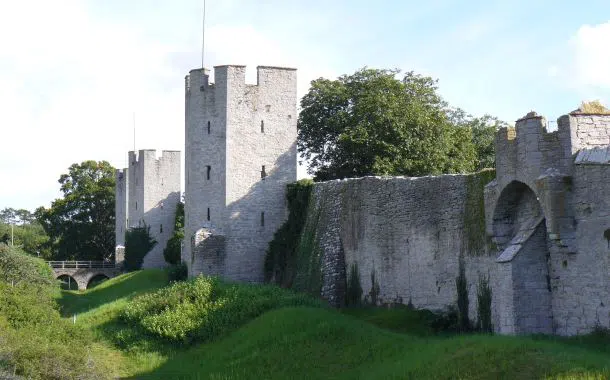
Visby
Visby is the capital of Gotland, the largest island in the Baltic Sea, located halfway between Sweden and Latvia, one of the preeminent medieval cities of Scandinavia and included in the UNESCO World Heritage List.
Visby is a popular vacation destination for Scandinavians during the summer and receives thousands of tourists every year. And 'by far the most populous location outside the Swedish mainland.
Every August, it hosts its medieval week, with authentic dress, parties and jousting. But there is no need to visit Visby in August to get a sense of its medieval history. Just follow the streets that wind throughout the city, take a tour of its historic center and visit the 13th century church.
The Fornsal Museum highlights 8,000 years of local history. The collection includes: stones painted with a date prior to the Vikings, old tombstones, silver treasures and medieval sculptures.
In the city of Gotland has an extraordinary collection of medieval churches, 93 of which are still in use today. Some still have medieval glass paintings and the majority of them contain medieval frescoes.
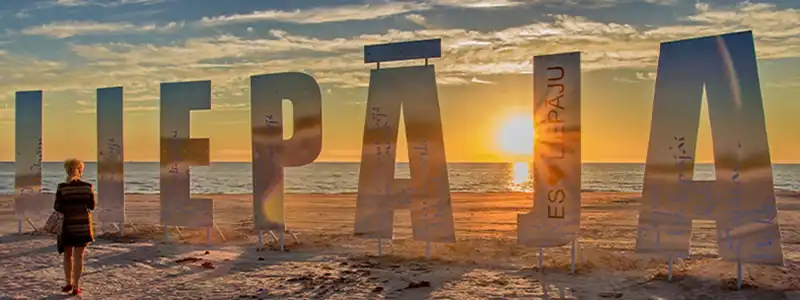
Liepāja
Gdynia
Gdynia is a town located in the north of Poland, in the Gulf of Gdansk and Warsaw, the capital, is about 380 km away. Part of a combination of three cities, (Gdynia, Gdansk and Sopot) represent the "lithe" a population of over a million inhabitants. Once known as a small fishing village, the city has developed considerably, especially after the end of the Second World War, becoming the largest Polish port. Its unique and modern environment delights tourists both for its maritime infrastructure and for its cultural life. The territory welcomes various cultural events such as the Polish Film Festival, nicknamed the "Polish Cannes." The outdoor music festival, which brings together various international artists, is proposed every year near the local beach. The city is particularly populated in summer: tourists are attracted thanks to its proximity to the sea and its large sandy beaches. Throughout the year, it plays the role of one of the main seaports in Poland and the site of an important shipyard. Near the port, you will find museums of various ships that can be visited. The country is relatively modern, however, vacationers who come to stay in this territory are often looking for its past and its historical buildings, such as the popular and ancient church of San Michele Arcangelo or the neo-Gothic house of the XVII century. The hills and coasts also intrigue nature lovers. The walk, with a length of 1.5 km, is very popular. In short, this place will be a perfect destination for those seeking rest but without giving up the pleasures of life, offering you a wide range of activities, including markets, clubs and excellent restaurants.
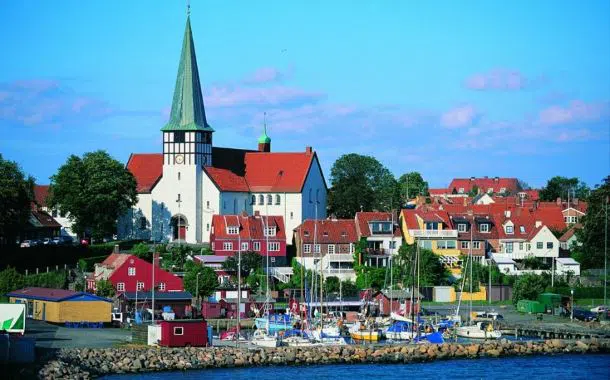
Ronne
Rønne is the main city of the small rocky island of Bornholm, it is also a port metropolis that connects Bornholm in Denmark (Køge, south of Copenhagen), Sweden, Germany, and Poland. The city of Ronne and Nexø were bombed after the end of the Second World War. Despite this, there are still many old buildings rich in history. The Swedish State donated 175 particular red wooden houses to help rebuild the city, which are still visible today. Cultural capital of the island: it has the oldest theater in Denmark, the Bornholm Concert Hall. Considered as a starting point for excursions around the island, it has been given the name of Pearl of the Baltic. With its beautiful countryside, rocky coasts and sandy beaches, the place is a popular tourist destination. Discover the medieval fortress of Hammershus, the largest in Northern Europe, a round church from the Middle Ages, a traditional mill, herring smoke, and much more. The easternmost point of Denmark is the island of Christiansø, characterized by the absence of cars. The island mainly lives on fishing, handicrafts, agriculture, and summer tourism, but is also committed to the growth and development of renewable energy.

kalundborg
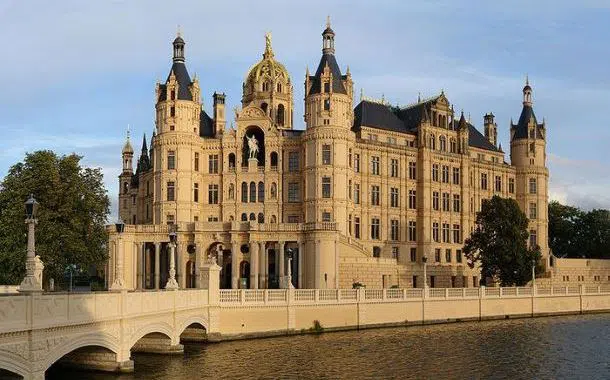
Hamburg
Hamburg is without a doubt the best city in Europe for seeing unique bridges. Its tourist sites are characterised by the typical bohemian style of the sailors and its port.
Just behind Berlin in terms of size and population, the city of Hamburg is home to one of the largest ports in Europe. You will understand why it is know as the 'Venice of the North', when you explore its many canals and waterways. Do not forget to take a trip to the fish market and to the merchants' district, where you will find unique architecture and impressive red brick buildings. Having a delicious dinner by the river or spending a night in the university district is a must.
Hamburg is a destination with many tourist attractions, especially its ancient port and the exclusive lake located in the city centre.
You should also be sure to visit the renowned Kunsthalle (north of the Hauptbahnhof). The Kunsthalle houses an art collection of international importance, covering everything from medieval portraits to 20th century minimalism.
The Rathaus, a neo-Renaissance style building, is home to Hamburg's city hall. When Parliament is not in session, several guided tours are available.
There are also big exhibitions and historical events that are great for tourists.
Amsterdam
Amsterdam is a charming city with a particularly relaxing and serene atmosphere, despite its large size. The city has been a World Heritage Site since 2010 and has buildings dating back to the sixteenth and seventeenth centuries. It is no coincidence that it is one of the most visited cities in the world.
The structure of the city is determined by a network of charming waterways. The historic center, which dates back to the 13th century, is surrounded by five concentric canals - the Grachtengordel - built in the 17th century as part of a perfectly successful expansion project designed to create a unique and refined urban environment.
It is here that the city's mercantile class built its characteristic gabled houses, with bright, gracefully decorated colors, whose romantic features are reflected in the olive-green waters of the picturesque canals.
Zeebrugge
Connected to Bruges by 7.5-kilometer canal, Zeebrugge is a seaside resort that looks to the future.
On the sea front, hotels and cafes offer a warm welcome. Zeebrugge is the most important Belgian fishing port. The Zeebrugge wholesale fish market, located in a modern complex in the inner port, is one of the largest and sophisticated of its kind in Europe. Zeebrugge also has an attractive tourist port that can contain a maximun number of 100 ships. Furthermore, its geographical position is very convenient, near the beautiful city of Bruges, the trendy seaside resort of Knokke and the picturesque village of Lissewege.
On the seafront, hotels and cafes offer their warmest welcome. Zeebrugge is the most important Belgian fishing port. The Zeebrugge wholesale fish market, installed in a modern complex in the inner harbor, is one of the largest and most sophisticated of its kind in Europe. Zeebrugge also has an attractive marina that can accommodate around 100 ships. Furthermore, it enjoys a very convenient geographical position, a few km from the beautiful Bruges, the trendy seaside resort of Knokke and the picturesque village of Lissewege.
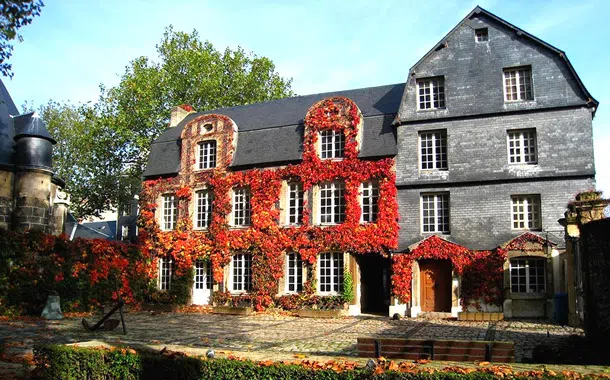
Le Havre
Le Havre is worth a visit, not only as a stopover on the way to Paris or other inland destinations, but also as one of the great examples of post-war planning. It is a strange and strangely fascinating city, listed by
Unesco as a World Heritage Site.
Wandering through the streets of the seaside town of Le Havre, one might think one had stumbled upon a forgotten outpost of the Eastern Bloc. Obliterated by World War II bombings, the city was completely rebuilt by the Belgian architect Auguste Perret and, what emerged from the ashes of old Le Havre, is a kind of love letter to concrete: endless rows of blocks of buildings, straight avenues stretching out from the central square, dominated by the 100 m high 'Stalinist Baroque' style cathedral, looks like something straight out of the pages of '1984'.
Walking through the streets of the seaside city of Le Havre, you might think you've stumbled into a forgotten outpost of the Eastern Bloc. Erased by the bombings of the Second World War, the city was completely rebuilt by the Belgian architect Auguste Perret and, what emerged from the ashes of old Le Havre, is a kind of love letter to concrete: endless rows of blocks of buildings, straight avenues that extend out of the central square, dominated by the 100 m high cathedral in 'Stalinist Baroque' style, looks like something directly from the pages of '1984'.
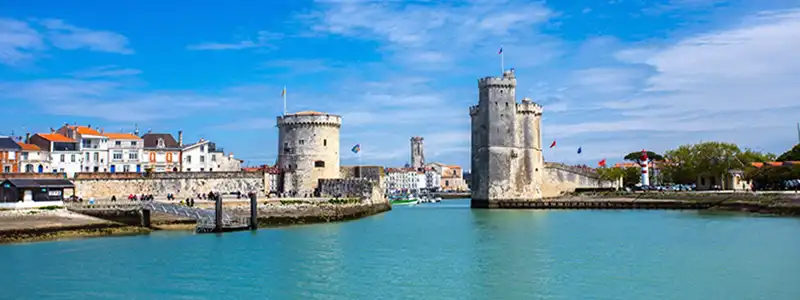
La Rochelle
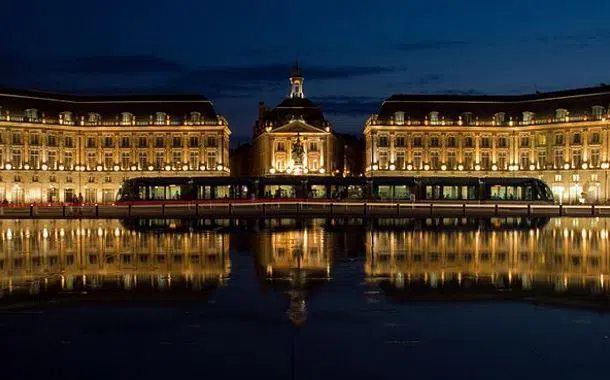
Bordeaux
Bordeaux is city on the Atlantic Ocean and its port hosts big ships. The city had initially the name Burdigala and was established in III Century B.C. by the Gallic people.
It was a neuralgic centre for the International commerce of tin and lead. After the arrival of the Romans, Bordeaux becomes one of the richest cities of Gallia and is robbed many times by populations such as Visigoths and Vandals. With the passing of time, the City starts economic relationships with England trading in salt and wine and, in XVI Century, also the colonial sugar and slaves start having a leading role in the sustenance of the city.
Bordeaux has a liveable city centre that can be visited by foot and that offers beautiful attractions and energy. At night, the city get crowded with young people filling up the main squares and the bars where you can taste excellent wines and plunge in the romantic atmosphere that the city assumes after the sunset. You can’t miss out Château de la Brède, a gothic style castle dated back to XIV Century, surrounded by a moat and an English garden. The philosopher Montesquieu lived here and tourists can visit his library and his bedroom that are just like they were in XIX Century.
We suggest to visit also the beautiful Saint Eloi Church. Established in XII Century, the construction and renovation works lasted until 1400’s. The current structure is dated back to this period. The church is one of the stop-overs of Santiago de Compostela walking tour and is part of UNESCO World Heritage. Bordeaux offers a wide variety of gastronomic and wine choices. There are many restaurants and bars where you can taste the best wines on the market and an amazing cuisine.
Bordeaux
Bordeaux is city on the Atlantic Ocean and its port hosts big ships. The city had initially the name Burdigala and was established in III Century B.C. by the Gallic people.
It was a neuralgic centre for the International commerce of tin and lead. After the arrival of the Romans, Bordeaux becomes one of the richest cities of Gallia and is robbed many times by populations such as Visigoths and Vandals. With the passing of time, the City starts economic relationships with England trading in salt and wine and, in XVI Century, also the colonial sugar and slaves start having a leading role in the sustenance of the city.
Bordeaux has a liveable city centre that can be visited by foot and that offers beautiful attractions and energy. At night, the city get crowded with young people filling up the main squares and the bars where you can taste excellent wines and plunge in the romantic atmosphere that the city assumes after the sunset. You can’t miss out Château de la Brède, a gothic style castle dated back to XIV Century, surrounded by a moat and an English garden. The philosopher Montesquieu lived here and tourists can visit his library and his bedroom that are just like they were in XIX Century.
We suggest to visit also the beautiful Saint Eloi Church. Established in XII Century, the construction and renovation works lasted until 1400’s. The current structure is dated back to this period. The church is one of the stop-overs of Santiago de Compostela walking tour and is part of UNESCO World Heritage. Bordeaux offers a wide variety of gastronomic and wine choices. There are many restaurants and bars where you can taste the best wines on the market and an amazing cuisine.
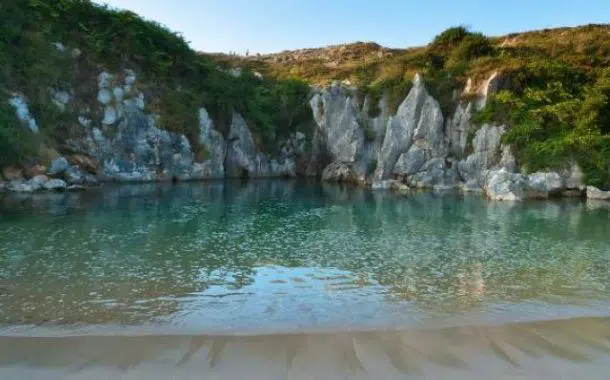
Gijon
On the coasts of the Cantabrian Sea, Gijón offers an interesting combination of maritime tradition, monumental heritage and modern urbanism right by the sea.
It is a modern, welcoming and open city full of green spaces, sports facilities and protected artistic heritages that have been recently restored. Gijón is the venue for numerous fairs, conferences, large concerts and cultural and sporting events. All this has been possible thanks to the improvement of the connections between Gijón and the rest of Asturias and Spain.
Its very original center, with its narrow cobbled streets, attracts many tourists, and the Cerro de Santa Catalina park on the tip of the Cimadevilla peninsula offers a splendid view of the coast.
It has a temperate oceanic climate typical of the Atlantic coast of Spain, with cool summers and humid and mostly mild winters. Autumn and spring offer the best climate and in summer there is almost no rain.
Its life and culture, the people, the landscape and the gastronomy all mixed together offer visitors and citizens a great and diverse experience.
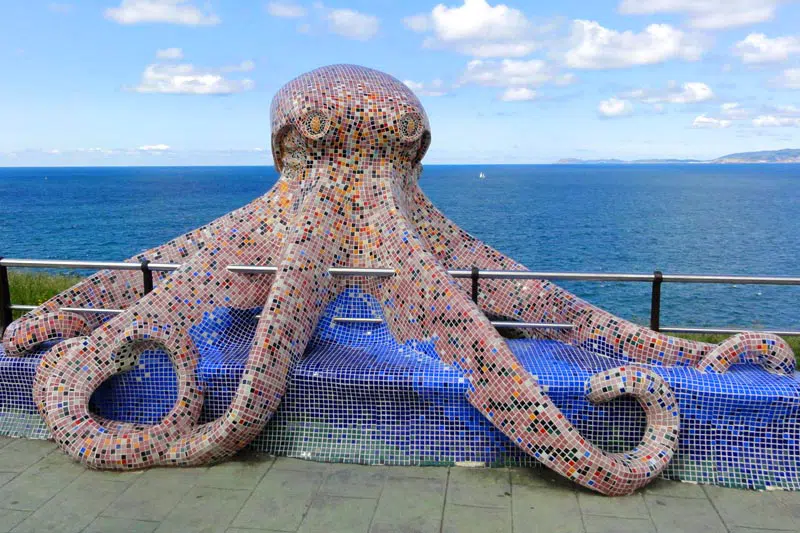
La Coruna
La Coruña is a city and municipality in Spain. It belongs to the autonomous region of Galicia and is the capital of the province. Important historic port is located on the north-western coast of the Iberian Peninsula, in the Rias Altas.
Located on the coast of the Atlantic Ocean, La Coruña is a city whose history has maintained close ties with its old fishing and commercial port. The peninsula on which the houses of the historic center are located, beyond the Tower of Hercules, one of the symbols of the city and declared a World Heritage Site by UNESCO, you will find a set of interesting and historic streets, squares and medieval churches.
Although the origin of the town may appear as an old Celtic settlement, the history of the city began to be important in Roman times, when the port became a fundamental structure for the country.
Historically, the port has been the scene of some of the most important historical events in the city, such as the defeat of the English corsair Francis Drake in 1589, thanks to the resistance of the entire population and led by the protagonist María Pita.
The Finisterrae Aquarium, the Domus and the Science Museum are some of the areas that show the most modern and playful side of the provincial capital, also offers one of the most beautiful and extensive beaches of Riazor and Orzán. All this is completed with a traditional cuisine, marked by the excellence of its fish and meats from the interior of the province. Gastronomic city par excellence, it has many good places to enjoy the exquisite Galician cuisine. Furthermore, you will find several establishments that offer excellent wine, normally concentrated in the old part of the city.
In its splendid, always lively streets, there are good examples of Romanesque architecture. One of the most beautiful churches in the city is undoubtedly that of Santiago, the oldest in the area, built in the 12th century. Its large nave of arches houses a polychrome sculpture of Saint James dating back to the 13th century. For its architectural interest, it has been declared a Historical-Artistic Monument.
Sit on a terrace in Plaza de María Pita and discover its fascinating history, stroll through the Cantons admiring its famous modern-style crystal galleries, and if you want to go shopping, this is certainly the best place.
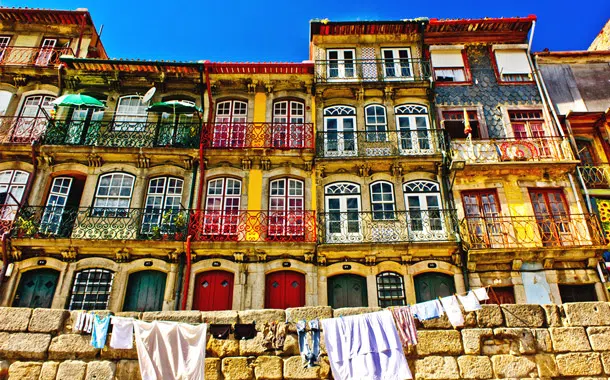
Oporto
At the mouth of the Rio Douro, the hilly city of Porto presents a mix of styles, eras and attitudes: narrow medieval alleys, extravagant Baroque churches, small squares and wide avenues, flanked by stately buildings.
The heart of Oporto is the Ribeira district, an area declared a UNESCO World Heritage Site made up of winding alleys, zigzagging stairs and churches on every corner, village-style squares and old merchants' houses where Roman ruins are hidden under the foundations. In the last two decades Porto has undergone a remarkable rebirth – which is expressed in the buzz of its efficient metro system and the shimmering of some ambitious urban renewal projects. The crowning of the city's glories are the two latest masterpieces, Museu de Arte Contemporânea by Álvaro Siza Vieira and the 'Casa da Música, which have transformed the city into a place of pilgrimage for architecture enthusiasts.
The Dom Luís I bridge an audacious iron arch, which crosses the Douro river, is impressive and not to be missed. It was built by the Belgian engineer Théophile Seyrig, for road traffic. Since 2003 the upper level has been used exclusively by the city's metro trams.
Lisbon
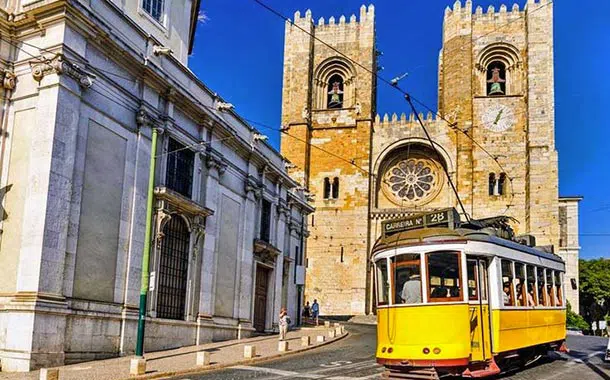
Perched on steep slopes overlooking the Tagus River, Lisbon offers all the pleasures you'd expect from Portugal's main attraction.
The capital of Portugal, Lisbon (in Portuguese Lisboa) has experienced a great rebirth in recent years, with a lively and flourishing contemporary culture. Perched on the coast of the Atlantic Ocean, Lisbon is one of the rare European cities that face the ocean and use water as an element that defines the city. Lisbon enchants travelers with its white limestone buildings, intimate alleys and an ancient charm that makes it a popular destination all year round.
Ponta Delgada
Halifax
The Canadian historic city, preserves the charm of the colonial era and the adventurous spirit of the time
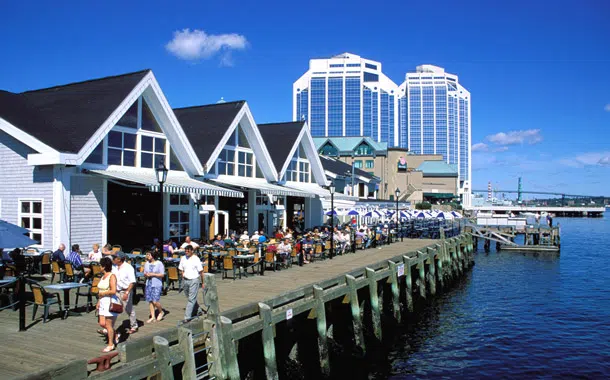
As the ship enters port, a bagpiper will welcome you to Halifax, the capital city of Nova Scotia. The "city of trees" offers the warmth and charm of a small town along with all the excitement and attractions expected from a big city. Cove Peggy, Citadel Hill, and the Acadian village are just some of the places that herald your arrival here. The capital of Nova Scotia and the largest city in the Atlantic provinces of Canada, Halifax, was once an important military bastion of Great Britain in North America. The beautifully restored buildings on the Halifax waterfront are reminiscent of the city's centuries-old naval and maritime heritage. A walk on the waterfront, and you can find historic galleons and ships like the schooner Bluenose II, tied up to the pier of the corsair, as well as old sailing ships over 200 years old. Halifax is also the gateway to breathtaking landscapes in Nova Scotia, including the famous Peggy Cove, where granite cliffs and a lonely lighthouse create a scenery with unsurpassed charm based on natural beauty.
Boston
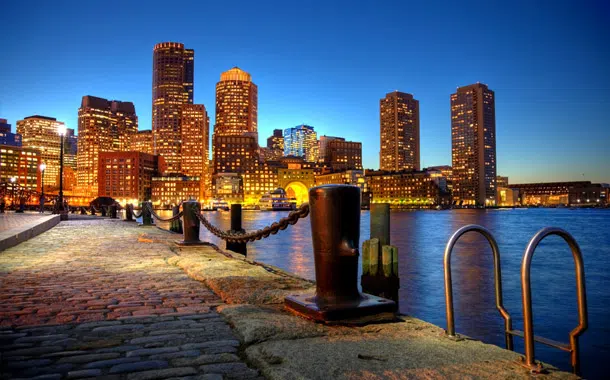
Boston is an American city to the core, exceptional for walks and cultural activities.
The Historic Heart of BostonBoston, one of the United States' oldest cities, is a treasure trove of American history. Founded in 1630, it played a pivotal role in the American Revolution, evident in landmarks like the Freedom Trail—a 2.5-mile journey through historic sites that tell the story of the nation's founding. From the cobblestone streets of Beacon Hill to the iconic grounds of Harvard University, Boston's rich past is intertwined with the American spirit of freedom and innovation, making it a must-visit for history enthusiasts.
Experiencing Boston's Distinctive ClimateBoston's climate offers a distinct experience of all four seasons. Spring blossoms in the Public Garden are a sight to behold, while summer brings warm, pleasant weather, perfect for exploring the city's waterfront and outdoor attractions. Fall in Boston is famously beautiful, with vibrant foliage transforming the city into a palette of fiery hues. Winters are cold and snowy, offering a picturesque, if brisk, landscape. This variety allows visitors to enjoy a different facet of Boston's charm, no matter when they visit.
Must-Visit Attractions in BostonBoston's attractions are as diverse as its history is long. The Boston Common and Public Garden provide serene green spaces in the heart of the city. The Museum of Fine Arts and the Isabella Stewart Gardner Museum cater to art lovers, while Fenway Park offers a pilgrimage site for baseball fans. The historic North End neighborhood, with its winding streets and authentic Italian cuisine, showcases Boston's cultural diversity. These attractions make the city a fascinating destination for travelers and cruisers seeking a rich, immersive experience.
A Taste of Boston's Culinary SceneBoston's culinary scene is a blend of traditional New England fare and contemporary cuisine. Seafood lovers can indulge in fresh lobster, clam chowder, and oysters, reflecting the city's coastal heritage. The North End, known as Boston's Little Italy, offers authentic Italian dishes, while innovative chefs throughout the city push the boundaries of culinary arts. From food trucks to fine dining, Boston's food landscape is a testament to its cultural melting pot.
Embarking on a Cruise from BostonFor those eager to explore the seas, Boston's port is a gateway to a variety of cruise destinations, including the picturesque New England coast, the rugged beauty of Atlantic Canada, and the historic cities of Europe. Embarking on a cruise from Boston not only offers a convenient starting point but also the chance to extend your stay in this historic city, blending the experience of America's rich history with the adventure of the open sea. With its combination of historic sites, cultural attractions, and culinary delights, Boston is an ideal embarkation point for a memorable cruise journey.
Info on the ship Oceania Aurelia