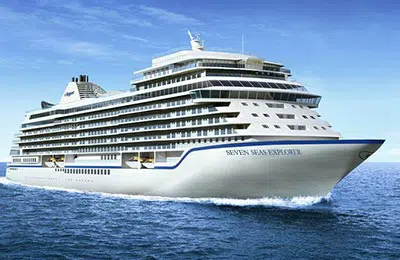
Regent Greek islands: 9 nights from Civitavecchia with Seven Seas Explorer
Oct 12, 2028
Italy, Malta, Greece


Cruise itinerary
Departure Port: Civitavecchia ➞
Landing: Athens
-
 Thursday, October 12, 2028 - 4:00 PMCivitavecchia
-
Friday, October 13, 2028 8:00 AM - 6:00 PMSalerno
-
Saturday, October 14, 2028 8:00 AM - 6:00 PMMessina
-
Sunday, October 15, 2028 8:00 AM - 6:00 PMValletta
-
 Monday, October 16, 2028Navigation
 -
Tuesday, October 17, 2028 8:00 AM - 6:00 PMArgostoli
-
Wednesday, October 18, 2028 8:00 AM - 6:00 PMGytheio
-
Thursday, October 19, 2028 8:00 AM - 6:00 PMHeraklion
-
Friday, October 20, 2028 8:00 AM - 6:00 PMMykonos
-
Saturday, October 21, 2028 5:30 AM 4:00 PMAthens
Civitavecchia
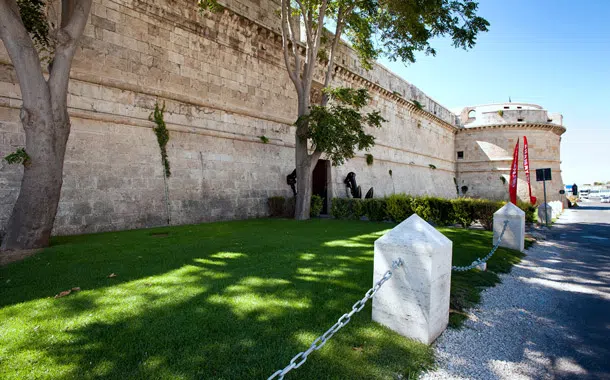
The port town of Civitavecchia is about an hour away from the Italian capital and is where ships will dock before bringing lucky holidaymakers into the city of Rome. It is an important port for cruise ships and ferries, connecting to Corsica, Sardinia and Barcelona. Civitavecchia is a town in the heart of Lazio. It is a small, sleepy town that overlooks the sea from behind the busy and chaotic commercial port.
Spreading out along the coast, the town is situated between the Mignon river to the north and the Marangone river to the south.
Civitavecchia is a port town in the heart of Italy, in the province of Rome, 80 kilometres northwest of the capital.
It is shrouded in art and history, and is rich in bays and coves with sandy and rocky beaches. Today the town is the departure point for many cruises and journeys around the Mediterranean. It is an excellent tourist destination where you can simply enjoy 'la dolce vita' or visit the amazing historical monuments. On a level with the majestic ancient capital, in terms of its monuments, gardens, villas and works of art, it also gives you easy access to the Tyrrhenian Sea, the Terme della Ficoncella, and the Etruscan ruins.
Civitavecchia will guarantee you an original and enchanting experience.
Salerno
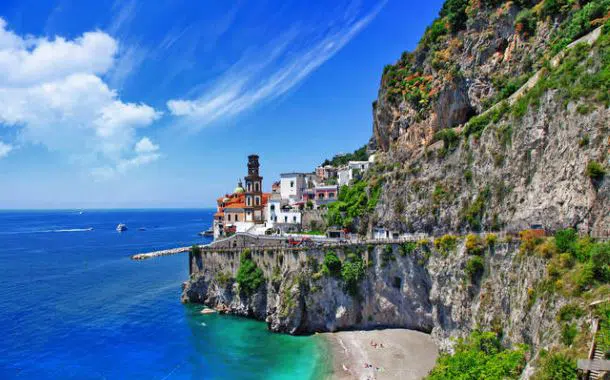
Salerno is an Italian municipality with 133,693 inhabitants, capital of the province of the same name in Campania, the second municipality in the region by number of inhabitants and the thirtieth at national level. The city of Salerno occupies a spectacular position overlooking the Gulf, where the splendid Amalfi Coast is located, a famous tourist destination in Italian Campania. It has a rich history and a deep-rooted tradition.
During the Middle Ages the city was the capital of the homonymous Lombard principality and then of the Norman duchy of Puglia and Calabria which included a large part of the continental South and was the original nucleus of the future Kingdom of Naples and the Two Sicilies.
Salerno was home to the School of Medicine, which was the first and most important medical institution in Europe at the beginning of the Middle Ages and as such is considered by many a forerunner of modern universities. Ideal heir to the famous medical school is the University of Salerno, located since 1988, in the form of a campus, in the neighboring municipalities of Fisciano and Baronissi.
From February to August 1944 Salerno was the seat of the Italian government,[10] hosting the governments Badoglio I, Badoglio II and Bonomi II which led to the Turn of Salerno.
Starting from the second half of the nineties, the city began a series of policies aimed at improving livability, urban decor and projecting, especially as regards tourism, Salerno at national and international level. The city is therefore a candidate to become one of the poles of cruise tourism and contemporary architecture, hosting works by the greatest architects of the 21st century, such as Fuksas, Zaha Hadid, Bohigas, Chipperfield, Calatrava and Bofill.
Messina
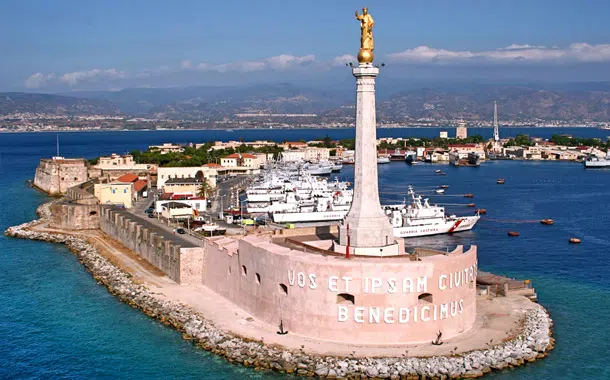
Messina has a very lively passengers port, discover all the cruises that set sail from Messina on Taoticket. Thanks to a cruise from Messina, you can visit lots of localities in Italy, France, Spain and Malta. Departures from Messina often has very convenient prices. Compare the itineraries and the prices and depart for your cruise. Messina is located in the north east Sicily, about 90km from Catania and 230 km from Palermo. A lively
and chaotic city, Messina is a real highway of maritime traffic.
In ancient time, the Greeks mythologised the conflicting currents of the Strait of Messina as the twin monsters of Charybdis and Scylla (the six-headed monster). The history of this place is filled with many myths and legends, transforming Messina into a town with a fairy-tale and enigmatic atmosphere. The climate in Messina is Mediterranean: very hot and dry environment but mild in summer and with heavy rainfall in winter.
Messina can be a starting point for excursions to discover Sicily: do not miss Taormina and Giardini-Naxos, two ancient small towns founded by the Greeks rich in charm, history and typical gastronomic and handicrafts products. Here you can do shopping and buy souvenirs for your friends and family. If you are nature and trekking lovers, do not miss the excursions to Mount Etna, one of the largest still active volcanoes in Europe. You will pass through cool forests until you reach the barren peak covered with lava stones from the latest eruptions: a fascinating landscape all year round! In winter, Mount Etna opens its ski facilities while in summer it is a refuge from the heat of the city.
Have a snack with the typical Arancini di Riso (rice balls) or the Pidoni (calzones pizza stuffed with escarole, anchovies and scamorza cheese), and if you love dessert, do not miss the cassata Siciliana or the chocolate cannoli accompanied by a coffee granita with cream! Enjoy your meal and have a goodcruise from Messina.
Messina: Sicily's Gateway to the Strait and BeyondSet sail from Messina, a historic port city on the northeastern tip of Sicily, nestled on the stunning Strait of Messina. With its vibrant harbor, the iconic astronomical clock, and the beautiful Cathedral, Messina offers a captivating starting point for your Mediterranean cruise. Before embarking, explore its rich history, enjoy fresh Sicilian pastries, and take in the panoramic views of the strait. Messina provides a perfect blend of island charm and strategic location, making it an ideal gateway for your Italian and Mediterranean adventures.
Mediterranean Horizons from MessinaCruises departing from Messina open up a world of possibilities across the sparkling blue waters of the Mediterranean. Whether you dream of discovering the ancient ruins of Greece, the sun-drenched coasts of mainland Italy, or the exotic allure of other islands, Messina serves as an excellent launchpad. Enjoy the seamless transition from the lively Sicilian city to the luxurious comfort of your cruise ship, ready for days filled with relaxation, exploration, and unforgettable moments. Each voyage from Messina promises breathtaking scenery and cultural immersion, leaving you with cherished memories of the sea.
Valletta
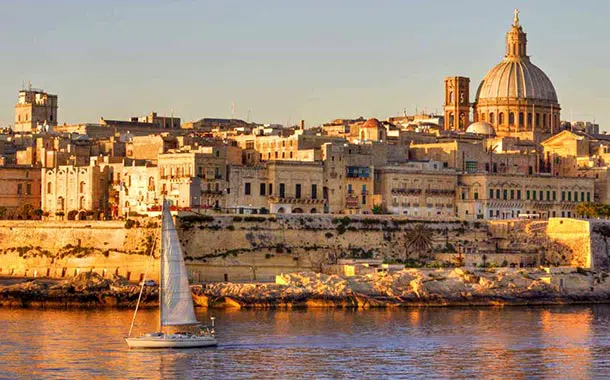
Malta is one the smallest States in the Mediterranean. Few European countries have such a concentration of history, architecture and, beautiful beaches in such a small area. Malta is one of the most concentrated areas of historical interest anywhere in the world, for this reason it was called La Valletta when Unesco awarded it the title of World Heritage Site. The city is therefore the ideal city for art lovers and it is renowned for its massive fortifications and architectural excellence.One of the most concentrated areas of historical interest elements in the world, so La Valletta was described when Unesco awarded it the title of world heritage site, the city is therefore a guarantee for art lovers and certainly renowned for its massive fortifications and architectural excellence.
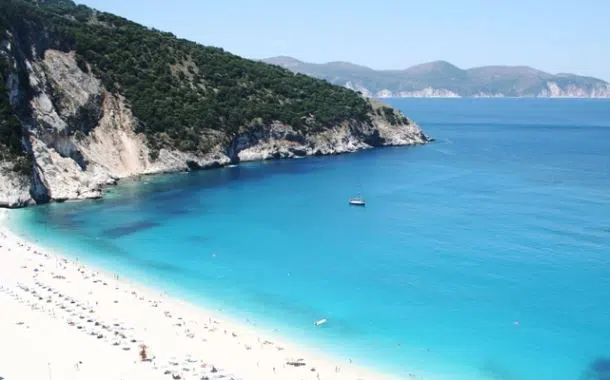
Argostoli
Argostoli is the capital and main port of the Greek island of Kefalonia. It is located 100 km west of Patras and has a population of about 13,000 inhabitants. The island is part of the archipelago of the Ionian Islands or Eptaneso.
This small city has been the capital of the island from 1757 to today and is located in the center of the southern part of the territory, surrounded by mountains and green forests.
Argostoli has monuments of great historical interest, such as the Archaeological Museum, which preserves archaeological finds from the Mycenaean to the Hellenistic and Roman periods. The Korgialenios Museum, a historical and ethnographic museum of the island, which contains a detailed reconstruction of the uses, customs and traditions of the place. The lighthouse of San Teodoro, located a couple of kilometers from Argostoli, built by the English under the command of Governor Napier and consisting of a small circular building with white Doric columns.
From the walk in Lithostrotos avenue, the most commercial street in the capital, you will find the beautiful Orthodox Church of San Spiridione and the interesting clock tower and its splendid bell.
The stone bridge, composed of 650 meters in length and called Drapano Bridge, is located at the entrance to the capital flanked by a small pyramid in the center and dedicated to Charles de Bosset, builder of the bridge.
The modern and cosmopolitan city of Argostoli is constantly moving with interesting activities to offer. It has an elegant maritime promenade lined with palm trees and beautifully paved with colored stones.
The road ends at the small ferry pier where boats leave for the city of Lixouri and where small fishing boats dock.
The central square of the city, called "Plateia Valianou", is a large site full of numerous restaurants, clubs and bars. During the summer evenings, the square becomes really crowded.
In Argostoli you will find a place of extraordinary beauty with splendid mountains and wonderful beaches.
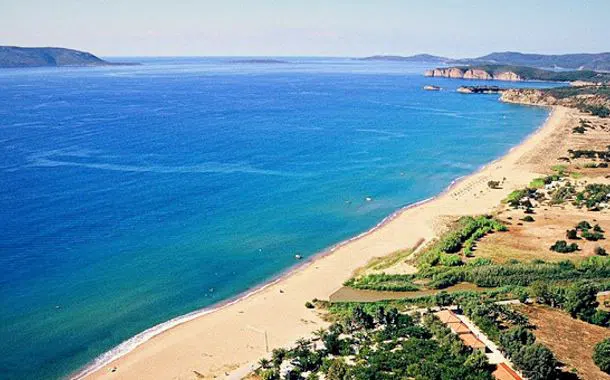
Gytheio
Located south of the Peloponnese, the city of Gytheio (or Gythion) is located north of the Gulf of Lakonia. The cosmopolitan atmosphere, the landscape of a unique island, and the variety of choices are the first impressions of visitors arriving in this paradise, formerly known as the land of the Gods. Gytheio was the port of the ancient city of Sparta and soon developed as the main export center of Laconia. On the hill, north of the village, the ruins of the citadel reside. At the foot of the hill is the ancient theater which still hosts numerous cultural events. Ornamented by various Roman constructions, associated with the mountains and the sea, it gives a prestigious natural landscape. All this wonder is combined with neoclassical buildings, with the addition of the small and charming fishing port. The beaches here are fantastic (many awarded with blue flags), especially those of Mavrovouni and Selinitsa, where you can swim and try different water sports such as windsurfing. Many cultural events take place during the summer, with music festivals, theatrical performances, and attractions for young people. The summer ends with the start of the traditional fair on September 14th which lasts for a week and, subsequently, on September 30th near the port. 10 km from Gytheio, on the road to Areopolis, there are the ruins of Passava castle, built in the early years of the conquest of the Peloponnese by the Franks, constituting the base of their barony. Don't forget to visit Trinissa, a wonderful complex of islands that provide a secluded, relaxing, and natural place.
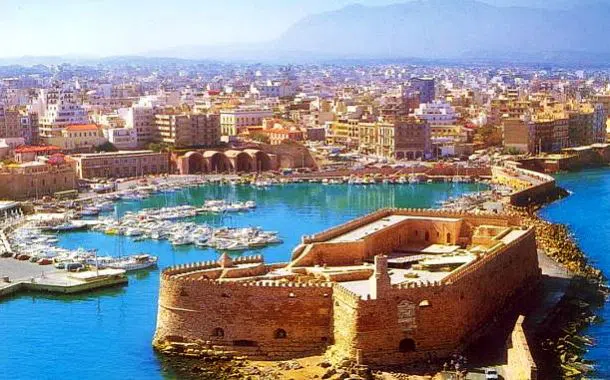
Heraklion
Heraklion is the capital of Cray. It is the largest port and economic center of the island and the third largest city in Greece. This city hosts the archbishop of the Greek Orthodox Church and has religious buildings of great interest.
Heraklion is located in the center of the northern coast of the Greek Islands. With more than 100,00 inhabitants, the city is the capital of Crete, a Venetian fortress during the Middle Ages. The ancient city, with its squares and wide cobbled streets, balconies with wonderful view on the sea, mantains numerous fortifications. In particular there are important and magnificent monuments such as the Church of Agia Ekaterini, dated back to 1555, where the Museum of Sacred Art is hosted. The Archaeological Museum, home to ceramic sculptures, jewellery and frescoes on the Minoan culture. The Historical Museum, home to the only exhibited work of the painter Domenico Theotokopoulos (The Greek), and where you can have a view of Mount Sinai. The Cathedral of St Mena, the patron saint of the city, built between 1862 and 1895 is one of the largest buildings in the area.
Heraklion has an important port and a considerable center for the coastal trade of oil, soap, wine and hides. It has ferry boats and ships with regular itineraries to the islands of Santorini, Ios, Paros, Mykonos, Rhodes, Karpathos and Syros. There are also several daily ferry bgoats to Piraeus, south-west of Athens. The Venetian fortress, still in perfect condition, protects the entrance to the port.
The large combination of reality and mythology, tradition and modernity, make Herklion a cosmopolitan center and one of the most important tourist destination in the Mediterranean. Great beaches, lively nightlife, sunny people, excellent cuisine and the strange "interplay" between the old and the new, guarantees to tourists an unforgettable holiday.
Heraklion is located in the center of the northern coast of the Greek island. With more than 100,000 inhabitants, the locality is the capital and largest city of Crete, a Venetian stronghold during the Middle Ages.
The ancient city, between squares and wide cobbled streets, balconies overlooking the sea, preserves numerous fortifications. Particular importance and beauty are its magnificent monuments such as: the church of Agia Ekaterini, dating back to 1555, is where the museum of Sacred Art is housed. The Archaeological Museum, home to ceramic sculptures, jewelry, and frescoes on Minoan culture. The Historical Museum, home to the only work on display by the painter Domenico Theotokopoulos (El Greco), and where it is possible to have a view of Mount Sinai. The Cathedral of Saint Mena, patron saint of the city, built between 1862 and 1895, is one of the largest buildings in the area.
Heraklion has an important port and a considerable center for the coastal trade of oil, soap, wine, and hides. It has ferries and boats with regular routes to the islands of Santorini, Ios, Paros, Mykonos, Rhodes, Karpathos, and Syros. There are also several daily ferries to Piraeus, southwest of Athens. The Venetian fortress, still in perfect condition, protects the entrance to the port.
The great combination of reality and mythology, tradition and modernity, make Heraklion a cosmopolitan center and one of the most important tourist destinations in the Mediterranean. Large beaches, intense nightlife, sunny people, excellent cuisine, and the strange "game" between the old and the new, assures tourists an unforgettable vacation.
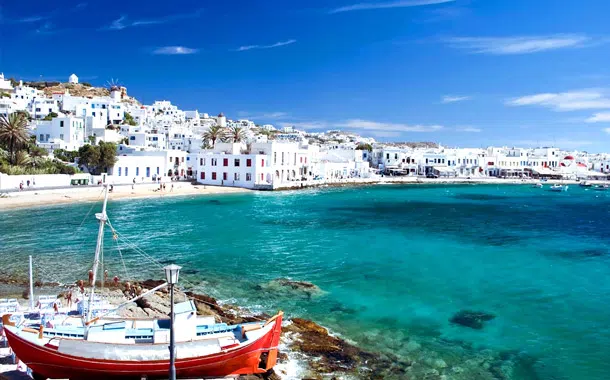
Mykonos
Mykonos is an extremely fun and fascinating place, where the frenetic mix of vacationers, fashionistas and celebrities is magically subdued to the cubist charm of the old town.
Mykonos is famous for being a cosmopolitan destination among the Greek islands and widely recognized as one of the meccas of great tourism. It is one of the most touristy islands in the Aegean Sea. Mykonos tends to be extremely crowded with visitors in July and August. The best time to visit Mykonos is mid-May through June (early in the season, accommodation is much cheaper and it's not that hot), or from September to mid-October.
Athens
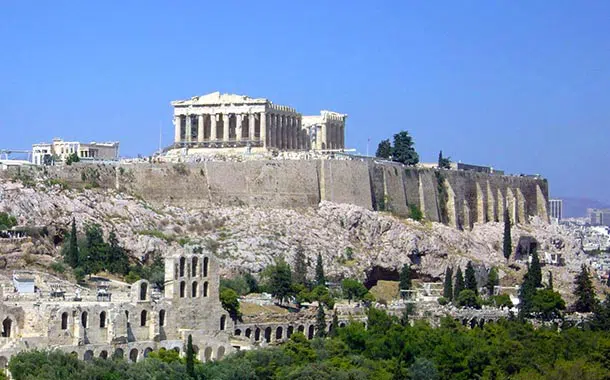
For many, Athens is a city lived two thousand five hundred years ago. Symbol is the mighty Acropolis which dominates almost every view and itinerary of every visitor, crowned by the iconic Parthenon, stands above the city, watching the sprawling modern metropolis in evolution.
Athens, the capital of Greece, is a city where antiquity and modernity, history and contemporary culture blend in a unique way. Everyone knows that the name of the city derives from the ancient Greek goddess of wisdom and justice. However, few people actually know the legend behind this event. According to myth, Athena and Poseidon, the God of the seas, vied for the right to name the city. Poseidon, to impress the inhabitants, gave them water, while Athena gave them an olive branch.
At first the choice fell on Poseidon, since the citizens considered water the most precious gift. When, once they tasted the water, they discovered that it was salty and not drinkable, they changed their minds and recognized Athena as their patron. One of the most famous historical sites in the city is the Acropolis, a majestic hill topped by ancient Doric temples, including the Parthenon, built in 477 BC. and the Erechtheion, built between 421 and 406 BC. Climbing the Acropolis, tourists can enjoy a breathtaking view of the city and the Aegean Sea. However, Athens is not only history, but also a lively cultural capital. In the Plaka district, located at the foot of the Acropolis, it is possible to stroll through the welcoming streets, visit the traditional Greek taverns and enjoy the authentic atmosphere.
Then there are the numerous cultural activities offered by the numerous museums, galleries and theaters present in the city. Athens is an important port for cruise ships that offer trips to the Mediterranean and beyond. Cruises from Athens allow guests to explore the rich cultural heritage of Greece, including the islands of Crete, Santorini and Mykonos, where you can admire the crystal clear waters of the Aegean Sea and a coast of white houses.
In addition to the Greek islands, cruises from Athens also offer the opportunity to visit other exciting Mediterranean destinations, including historic cities in Italy, Croatia and Turkey. Athens is therefore not only the historical and cultural center of Greece, but also an important starting point for cruises in the Mediterranean, which offers guests the opportunity to immerse themselves in the great history and splendid landscapes of this unique region.
Many still think of Athens as an ancient city that thrived two and a half thousand years ago. Its symbol is the mighty Acropolis, which dominates almost every view and the itinerary of every visitor, and it is crowned by the iconic Parthenon, which rises above the city, overlooking the sprawling and evolving modern metropolis.
Perhaps the most significant change is in the historical centre, which is almost unrecognisable since cars have been banned. This has liberated the area with the most significant archaeological sites, creating the longest, and undoubtedly one of the most splendid, pedestrianised zones in Europe. This huge archaeological park has brought past and present together, returning the cultural and social life of the city to the area around the ancient monuments and surrounding neighbourhoods.
Athens remains a city of contradictions; it is both frustrating and seductive. It is the oldest city in Europe, yet still in a state of transition. It is one of the safest and most vibrant European cities - an intoxicating mix of grunge and grace with an undeniably urban soul.
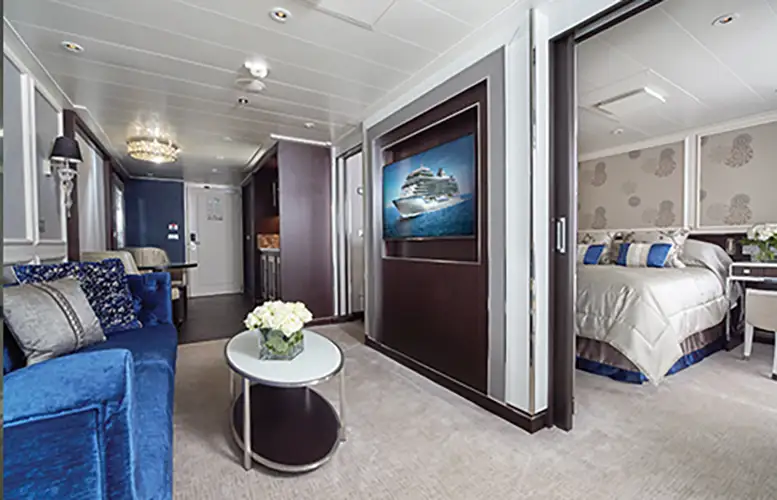
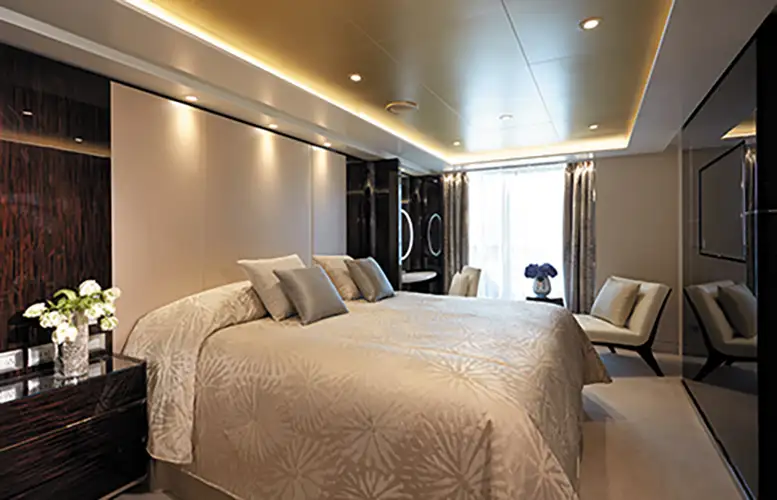
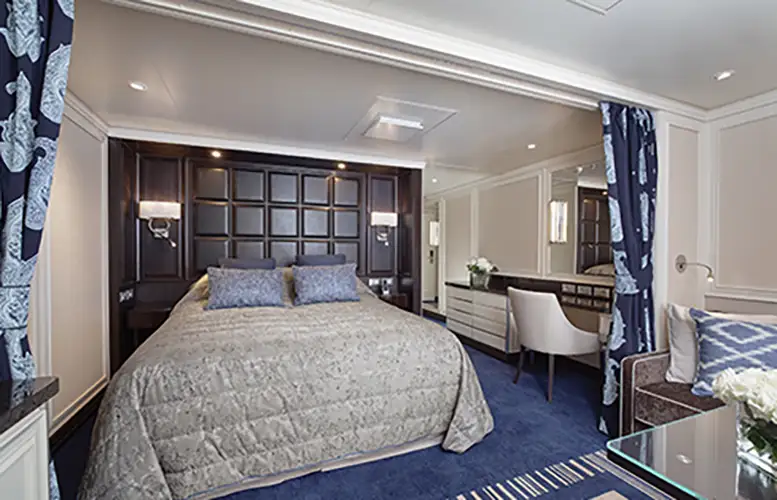
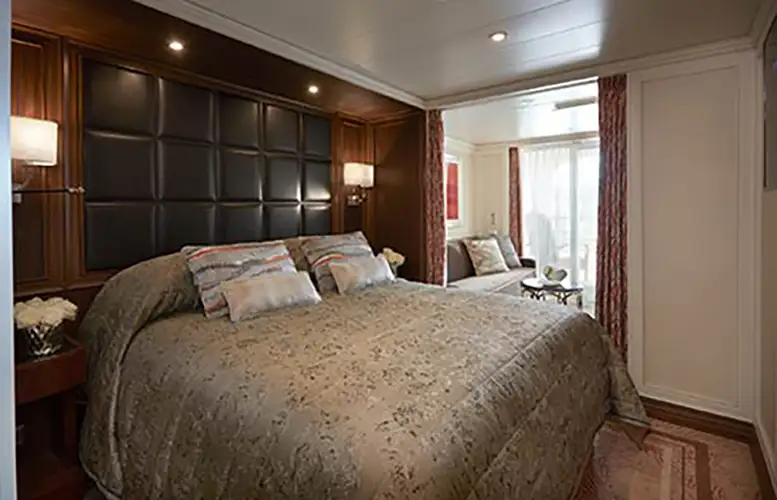
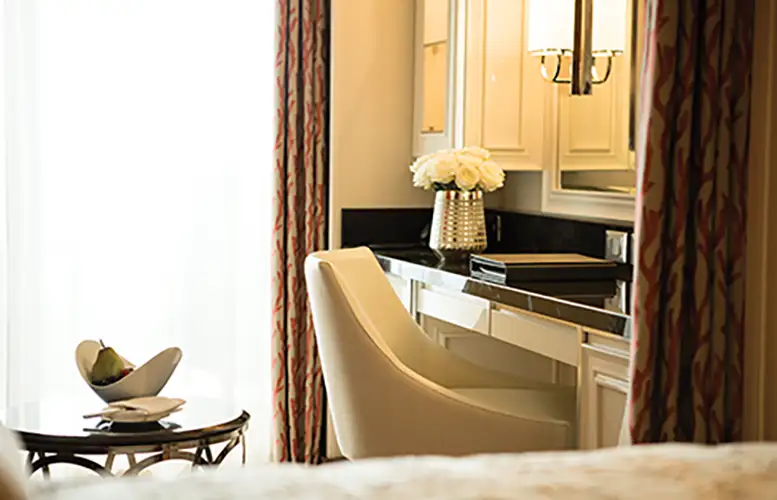
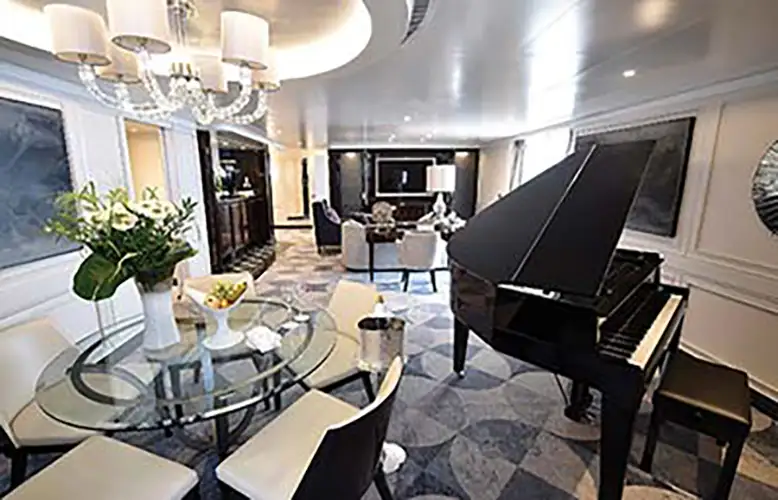
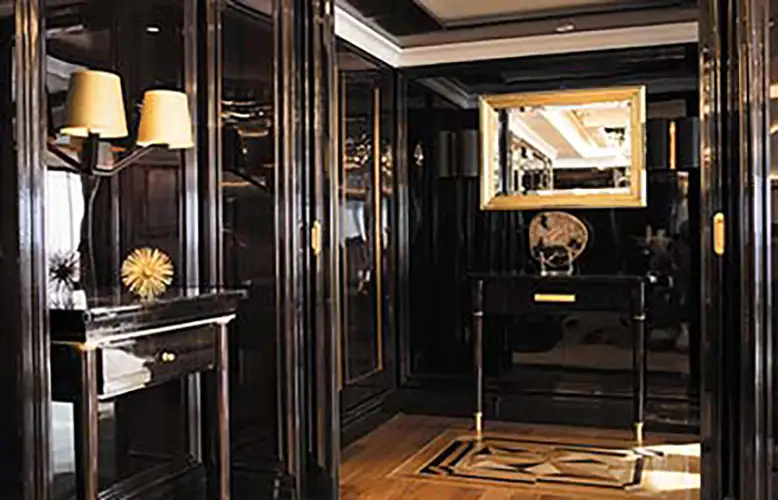
Info on the ship Seven Seas Explorer