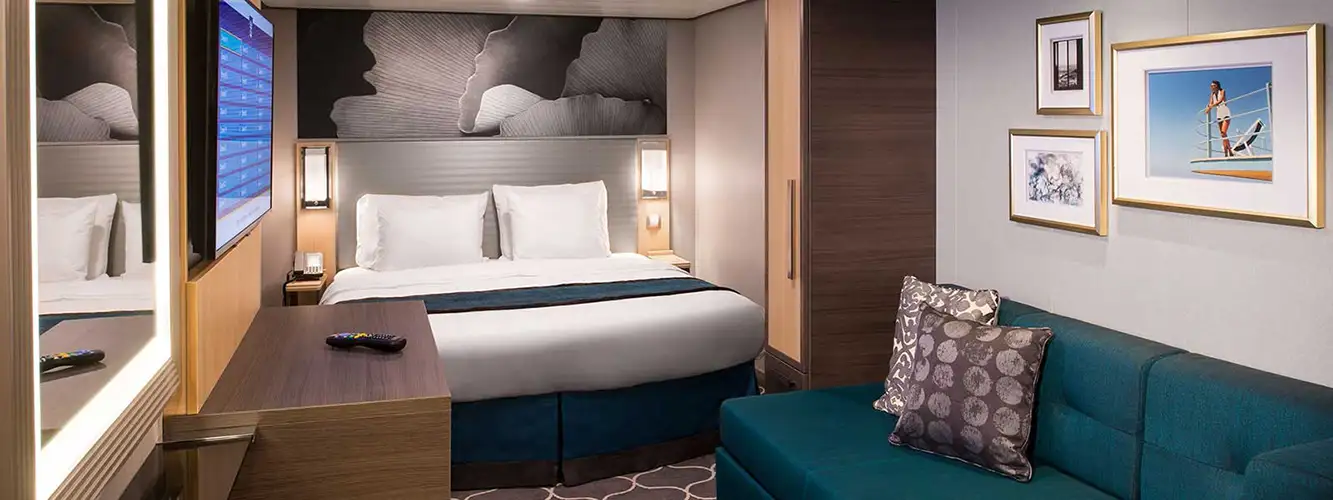
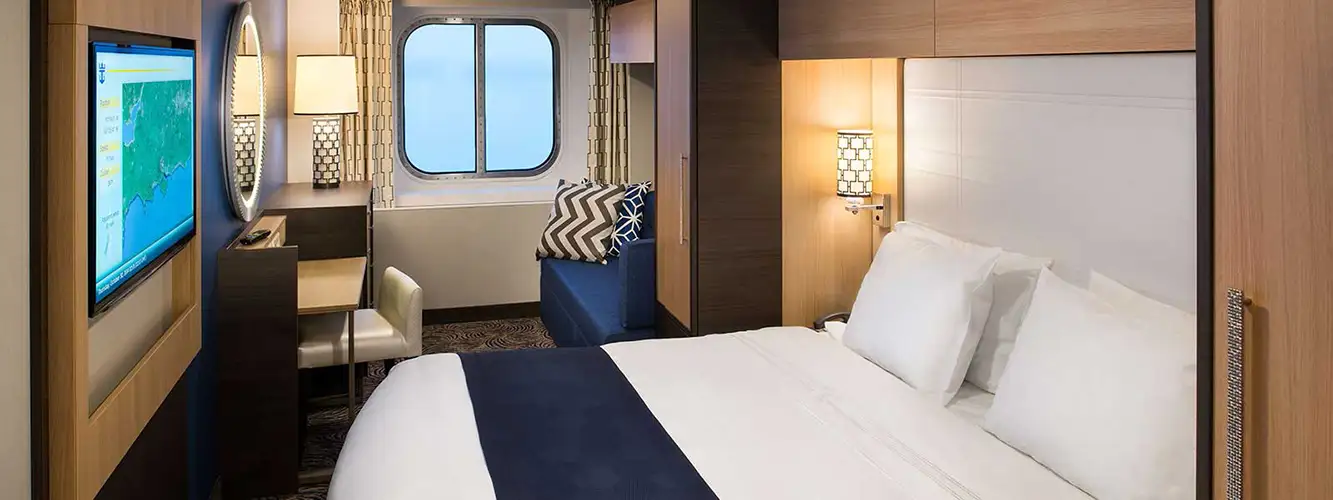
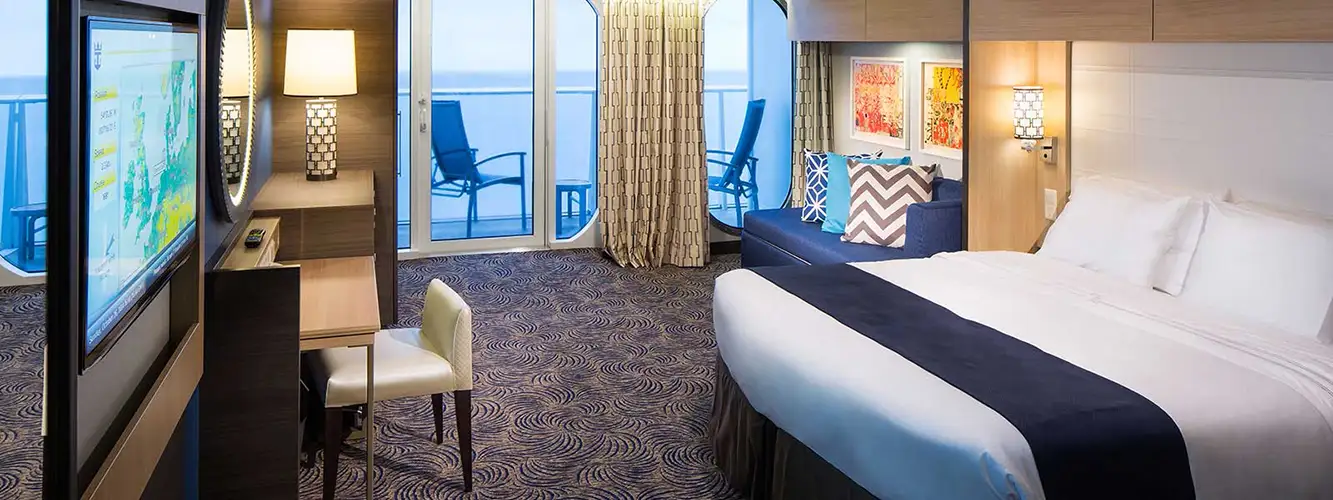
Royal Caribbean Far East: 5 nights from Shanghai with Spectrum Of The Seas
Nov 1, 2026
China, South Korea, Hong Kong


Cruise itinerary
Departure Port: Shanghai ➞
Landing: Hong Kong
-
 Sunday, November 1, 2026 - 4:00 PMShanghai
-
Monday, November 2, 2026 11:59 AM - 8:00 PMJeju Island
-
Tuesday, November 3, 2026 8:00 AM - 8:00 PMBusan
-
 Wednesday, November 4, 2026Navigation
 -
Thursday, November 5, 2026Navigation
-
Friday, November 6, 2026 6:30 AMHong Kong
Shanghai
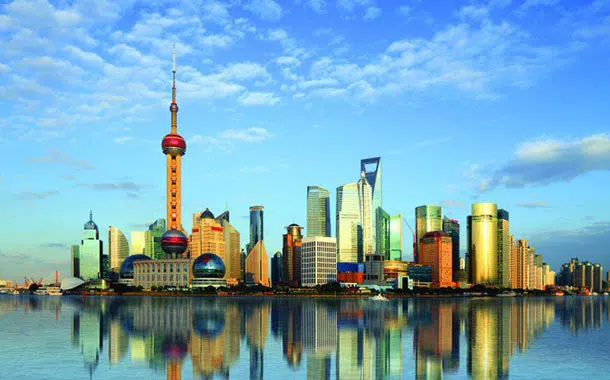
Shanghai, known all over the world as "the Magical City", is the economic and financial center of China. In this city, antiquity and modernity meet and blend in perfect harmony. The typically Western architecture present in the Bund area with the imposing Pudong skyscrapers meet ancient streets where you can visit picturesque tea houses and immerse yourself in a typically Chinese atmosphere.
In the areas of the ancient foreign concessions, areas once ceded by the Empire to some European countries, today tourist destinations of great importance, the city preserves a rich heritage of typically European-style architecture. The surrounding areas also host a series of unique tourist attractions of their kind such as: the Shanghai Oriental Pearl Radio and Television Tower, the Shanghai Safari Park and the Shanghai Science and Technology Museum.
In the city there are attractions and activities of all kinds. For those who love nightlife, a visit to the Bund in the evening to enjoy the beautiful spectacle offered by the lights of the skyscrapers is an unmissable experience! For history lovers, the choice of a visit to the Xuhui, Tianping Road and Hunan Road district to find the most beautiful ancient houses, or in the old Shanghai Lilong to feel the precipice of history is one of the first things to do! For art lovers, 1933 Old Millfun is an art warehouse complex where you can see a mix of Chinese and Western art and enjoy the charm of this fusion between Chinese and Western art. Finally, don't forget to climb the Oriental Pearl Tower to take a look at this international metropolis.
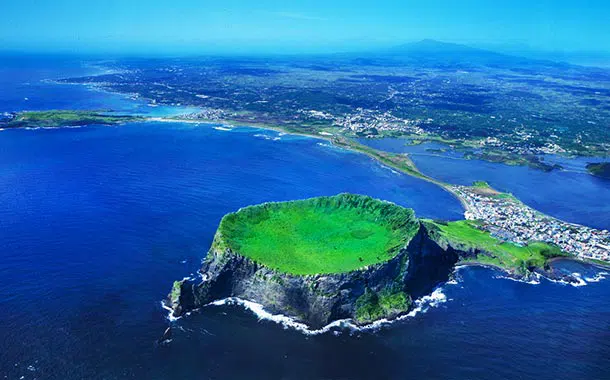
Jeju Island
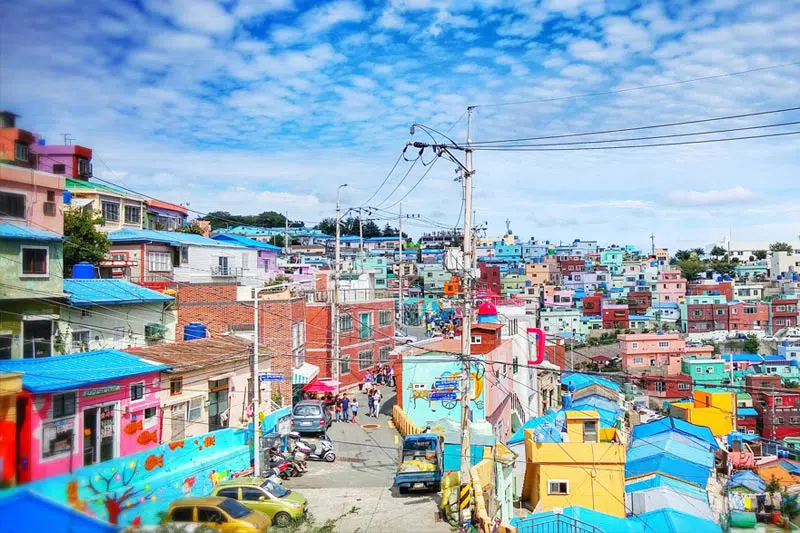
Busan
Busan: Between Beaches, Temples, and Lively MarketsDuring a stop in Busan, you can visit the Haedong Yonggungsa Temple, perched on the coast and overlooking the sea, which offers a unique atmosphere of peace and spirituality. Those looking for moments of relaxation can enjoy the famous Haeundae beach, famous for its crystal clear waters and lively local life. For an authentic experience, the Jagalchi Fish Market is a must: here you can taste fresh seafood dishes and observe Korean gastronomic culture in a picturesque and lively setting.
In Busan you have the opportunity to discover the best of South Korea, a city that combines tradition and modernity in a harmonious way.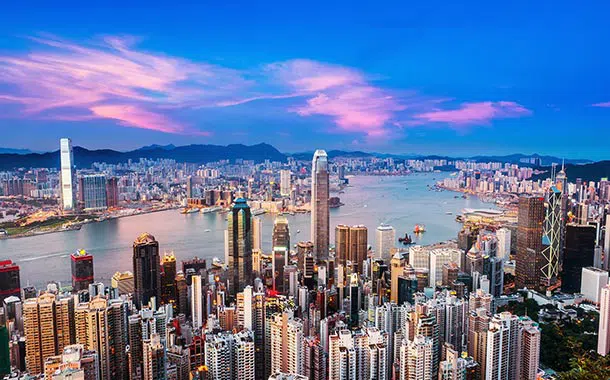
Hong Kong
Hong Kong is one of the main cities in China for its economy, tourism and the density of population. Hong Kong is a combination of Eastern and Western cultures, new and old, offering its visitors an endless variety of places to explore, bars, clubs, street markets, haute-couture boutiques and much more. Visit the Tsim Sha Tsui Promenade with its breath-taking landscape on the port. At night the buildings are all lighted-up and offer a real spectacle. If you want to take a break from the skyscrapers and are looking for a calmer place, you can reach Repulse Bay, more crowded in summer, for a relaxing walk and detox from the traffic and the frenzy typical of the huge metropolis. Many of the Cruises to Far East leave from Hong Kong’s port and take you to Vietnam, Cambodia, Thailand and Singapore, to discover the most exotic places in the world. You can visit the Far East with the best cruise companies such as Royal Caribbean, Norwegian Cruise Line, Silversea and many more.
Hong Kong (Chinese: 香港, Xiānggǎngpinyin; literally "Fragrant Harbor") is one of two special administrative regions of the People's Republic of China along with Macau. It is located on the southern coast of China between the Pearl River Delta and the South China Sea. The city is famous for its predominant skyline and deep natural harbor. With an area of 1,104 km2 and a population of seven million people, Hong Kong is one of the most densely populated areas in the world. 95% of Hong Kong's population is of Chinese ethnicity, while the remaining 5% belong to other groups. The city's majority Chinese ethnic group, the Han, mainly originates from the cities of Canton and Taishan in the nearby province of Guangdong.
Hong Kong became a colony of the British Empire after the First Opium War (1839-1842). Originally limited to Hong Kong Island alone, the colony's borders were extended, in 1860, to include the Kowloon Peninsula and then with new territories in 1898. The region was then briefly occupied by Japan during the Pacific War, then returned to British control, which ended in 1997 when China resumed its sovereignty. The history of Hong Kong has profoundly influenced its culture, which is often described as "the East meets the West", and the education system which pursued the English system until the reforms implemented in 2009.
Under the principle "one country, two systems", Hong Kong has a political system different from mainland China. The functioning of the country's independent judiciary works according to the Common law legal system model. The Hong Kong Basic Law, its constitution, establishes that the region enjoys a high degree of autonomy in all aspects, except foreign relations and military defense. Despite Hong Kong having a thriving multi-party system, a small electorate controls half of its legislature. The Chief Executive of Hong Kong, the head of government, is chosen by an electoral committee which varies from 400 to 1,200 members, a system which will be in force for all the first 20 years of Chinese rule.
Hong Kong is one of the most important international financial centers in the world and like the others, Hong Kong boasts a large capitalist economy based on the tertiary sector and characterized by low taxation and free trade. The currency, the Hong Kong dollar, is the eighth most traded currency in the world. The lack of space and the growing number of inhabitants and infrastructure have led the city to have an intense density of buildings, making it the most vertical city in the world. Hong Kong citizens boast one of the highest per capita incomes in the world. The density has also led to the development of an advanced public transport network. The citizens who use it are over 90%, the highest percentage in the world. Hong Kong enjoys high positions in numerous international rankings. For example, in economic freedom, economic and financial competitiveness, quality of life, corruption, the human development index, etc., the region is always ranked among the top places.
According to estimates from both the United Nations and the WHO, Hong Kong, in 2012, had the longest life expectancy of any other region in the world.
Info on the ship Spectrum Of The Seas