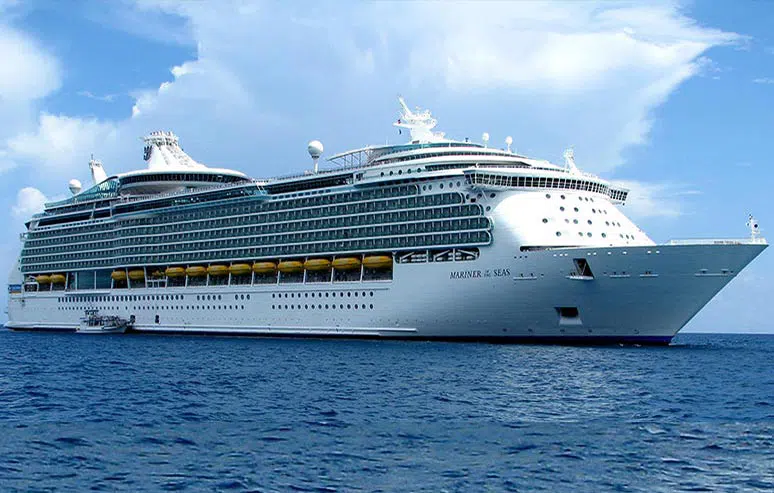
Royal Caribbean Canary Islands: 9 nights from Barcelona with Mariner Of The Seas
Sep 25, 2027
Spain, Morocco, Portugal


Cruise itinerary
Departure Port: Barcelona ➞
Landing: Lisbon
-
 Saturday, September 25, 2027 - 5:00 PMBarcelona
-
 Sunday, September 26, 2027Navigation
 -
Monday, September 27, 2027 7:00 AM - 6:00 PMTanger
-
Tuesday, September 28, 2027 8:00 AM - 6:00 PMCasablanca
-
Wednesday, September 29, 2027Navigation
-
Thursday, September 30, 2027 8:00 AM - not foundFunchal
-
Friday, October 1, 2027 not found - 6:00 PMFunchal
-
Saturday, October 2, 2027Navigation
-
Sunday, October 3, 2027 8:00 AM - 5:00 PMOporto
-
Monday, October 4, 2027 5:00 AMLisbon
Barcelona
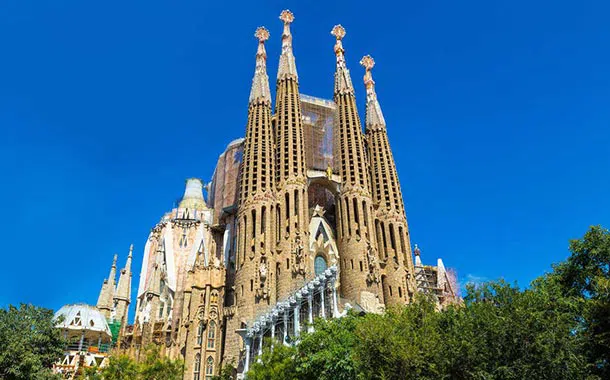
Barcelona, the capital of Catalonia, is a jewel enclosed between sea and mountains, an en plein air museum to be discovered. Catalonia is an autonomous region whose indipendence has long been a subject of debate and is still a topic that divides opinion in the country. The region has its own language, culture and history, most visible in its Roman ruins, Gothic cathedral and modernist buildings. The city of Barcelona is the emblem of this unique culture. Barcelona is the most cosmopolitan city in Spain and one of the most busiest port in the Mediterranean. In summer, the beautiful beaches of this city are a magnet for beach lovers. Beautiful beaches are not the only the reason why Barcelon is one of the most loved destionations for tourists.
The city is a symbol of the the artistic, culinary and cultural avant-garde: visit the Sagrada Familia and the other visionary architectural works of Antoni Gaudi, La Pedrera, Casa Batlllò or Park Guell. For sports lovers, a visit to Camp Nou is not to be missed, while for art lovers here is the Picasso Museum, the Caixa Forum, the MNAC or the Miró Museum. If you want to taste the local cuisine, restaurants and bars are the right choice. They are always crowded as the sea in summer. An holiday aboard a cruise offers the opportunity to visit this beautiful city and immerse yourself in this unique atmosphere.
Tanger
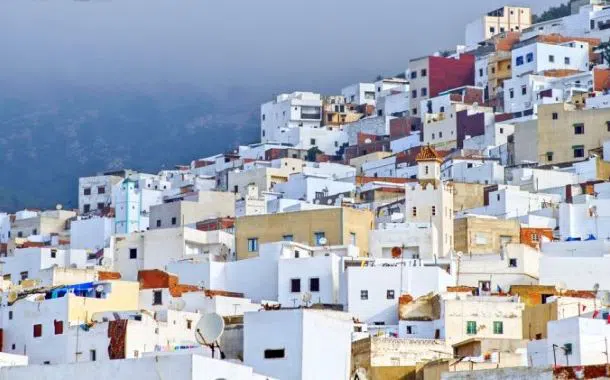
The city of Tangier (in Arabic طنجة, Tanja; in Latin Tingis) is a port in northern Morocco. Located at the entrance to the Strait of Gibraltar, at the meeting point between the Mediterranean and the Atlantic Ocean, the beautiful Tangier presents an unforgettable landscape that for centuries has attracted generations of artists, including Eugène Delacroix, Camille Saint-Saëns, Pierre Loti and Paul Morand. With its temperate climate, important vegetation, its luminosity and the strip of beach that extends for 3 km in a distinct way, Tangier seduces thousands of tourists every year. Its history makes it a mythical city, a land of relentless occupations and colonizations. The Old Medina preserves memories of Muslim influence: as soon as you cross the threshold, you will be assailed by the smells and perfumes of the Grand Socco literally known as the great soukh. Merchants in traditional costume will convince you to buy traditional clothes of the country and genuine leather products. A few meters away, you can also admire the Sidi Bou Abid Mosque, a favorite attraction for visitors. But be careful: entry to this place of worship is forbidden to non-Muslims. On the contrary, the modern city of Tangier, has preserved the French architectural experience, distinguishing itself The Grand Café de Paris, one of its fundamental pillars. Tangier is certainly one of those cities that must be deeply known to discover its wonders.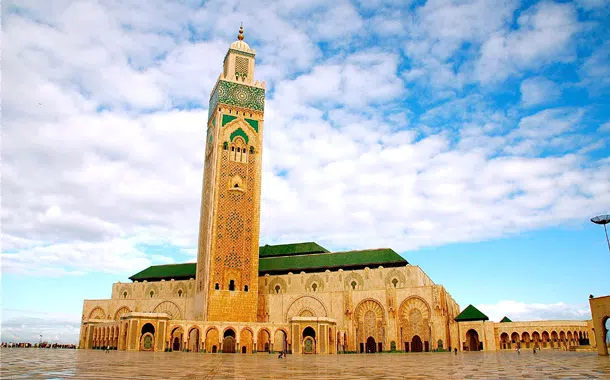
Casablanca
Casablanca is the cosmopolitan, industrial and economic heart of Morocco and represents a developing Nation.
Casablanca is where money was made, where industry is, where art galleries show the best contemporary art and where stylists have a window on the world. The old pirate lair is projected into the future, showing its riches and successes. Casablanca is full of contradictions. It is home to suffocating traffic jams, social problems and slums, as well as wide avenues, well-kept public parks, fountains and a surprising colonial architecture. Rich Hispano-Moresque, Art Deco and modernist gems to be discovered in the city center are the modernist symbol of Casablanca, like the huge and incredibly ornate Hassan II Mosque.
Funchal
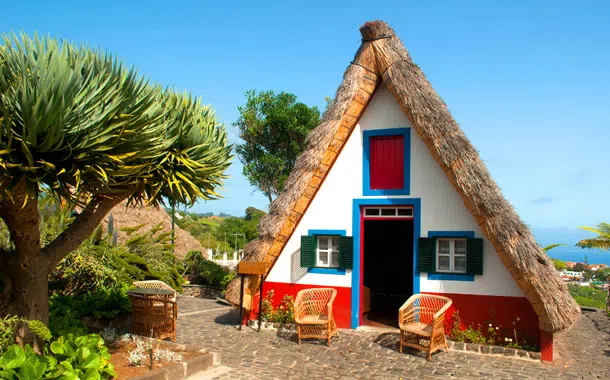
The famous Portuguese poet, Júlio Dinis described Funchal as: ‘The sea on one side, the mountains on the other and between these two majestic splendours, the city smiles like a sleeping child, safe and warm, between its parents’. Funchal, the capital of the Portuguese island of Madeira is the soul of Portugal. Settlers over 500 years ago were attracted to this sheltered place, which is structured like a natural ‘amphitheatre’. Gentle slopes, abundant greenery and flowers, rise above the pretty harbour for almost 1,200 metres. The port is located 15-minute walk from the city center, in Funchal's magnificent bay with its sparkling blue waters. Due to its strategic mid-Atlantic location, Madeira has been a stopover point for ocean-going ships for many years.Funchal, the capital of the Portuguese island of Madeira is the soul of Portugal. Colonists over 500 years ago were drawn to this sheltered place, which is structured like a natural 'amphitheater'. Gentle slopes, abundant greenery and flowers, rise above the pretty port for almost 1200 meters. The magnificent bay of Funchal, with its sparkling blue waters, is home to the port, a 15-minute walk from the city center. Thanks to its strategic mid-Atlantic location, Madeira has been a stopping point for ocean-going ships for many years.
Funchal
The famous Portuguese poet, Júlio Dinis described Funchal as: ‘The sea on one side, the mountains on the other and between these two majestic splendours, the city smiles like a sleeping child, safe and warm, between its parents’. Funchal, the capital of the Portuguese island of Madeira is the soul of Portugal. Settlers over 500 years ago were attracted to this sheltered place, which is structured like a natural ‘amphitheatre’. Gentle slopes, abundant greenery and flowers, rise above the pretty harbour for almost 1,200 metres. The port is located 15-minute walk from the city center, in Funchal's magnificent bay with its sparkling blue waters. Due to its strategic mid-Atlantic location, Madeira has been a stopover point for ocean-going ships for many years.Funchal, the capital of the Portuguese island of Madeira is the soul of Portugal. Colonists over 500 years ago were drawn to this sheltered place, which is structured like a natural 'amphitheater'. Gentle slopes, abundant greenery and flowers, rise above the pretty port for almost 1200 meters. The magnificent bay of Funchal, with its sparkling blue waters, is home to the port, a 15-minute walk from the city center. Thanks to its strategic mid-Atlantic location, Madeira has been a stopping point for ocean-going ships for many years.
Oporto
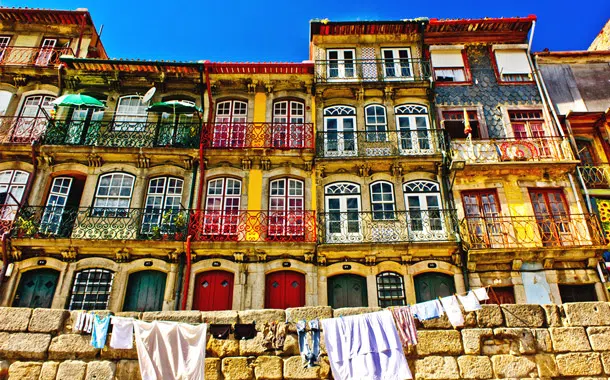
At the mouth of the Rio Douro, the hilly city of Porto presents a mix of styles, eras and attitudes: narrow medieval alleys, extravagant Baroque churches, small squares and wide avenues, flanked by stately buildings.
The heart of Oporto is the Ribeira district, an area declared a UNESCO World Heritage Site made up of winding alleys, zigzagging stairs and churches on every corner, village-style squares and old merchants' houses where Roman ruins are hidden under the foundations. In the last two decades Porto has undergone a remarkable rebirth – which is expressed in the buzz of its efficient metro system and the shimmering of some ambitious urban renewal projects. The crowning of the city's glories are the two latest masterpieces, Museu de Arte Contemporânea by Álvaro Siza Vieira and the 'Casa da Música, which have transformed the city into a place of pilgrimage for architecture enthusiasts.
The Dom Luís I bridge an audacious iron arch, which crosses the Douro river, is impressive and not to be missed. It was built by the Belgian engineer Théophile Seyrig, for road traffic. Since 2003 the upper level has been used exclusively by the city's metro trams.
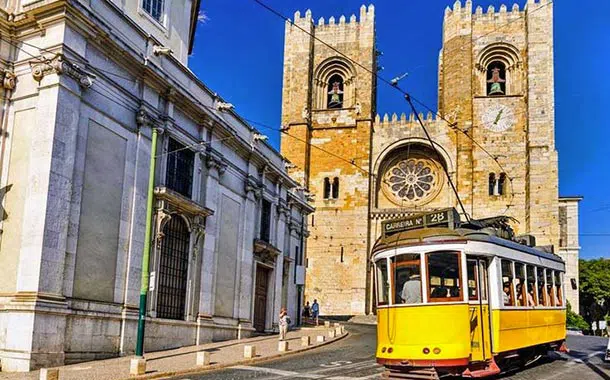
Lisbon
Perched on steep slopes overlooking the Tagus River, Lisbon offers all the pleasures you'd expect from Portugal's main attraction.
The capital of Portugal, Lisbon (in Portuguese Lisboa) has experienced a great rebirth in recent years, with a lively and flourishing contemporary culture. Perched on the coast of the Atlantic Ocean, Lisbon is one of the rare European cities that face the ocean and use water as an element that defines the city. Lisbon enchants travelers with its white limestone buildings, intimate alleys and an ancient charm that makes it a popular destination all year round.
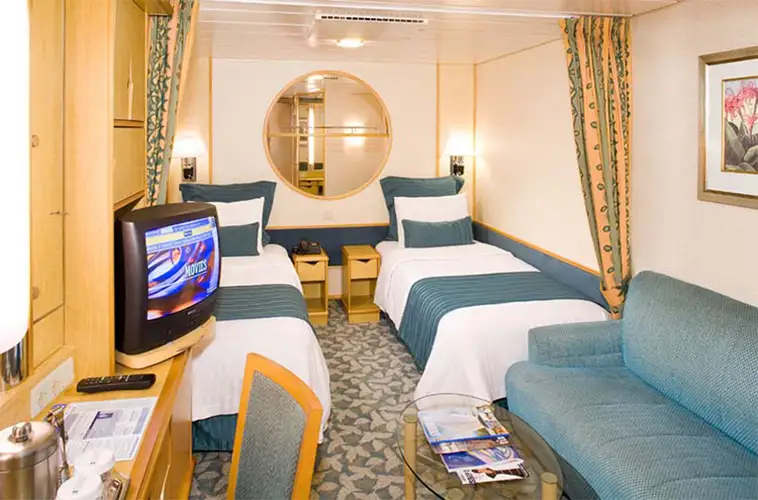
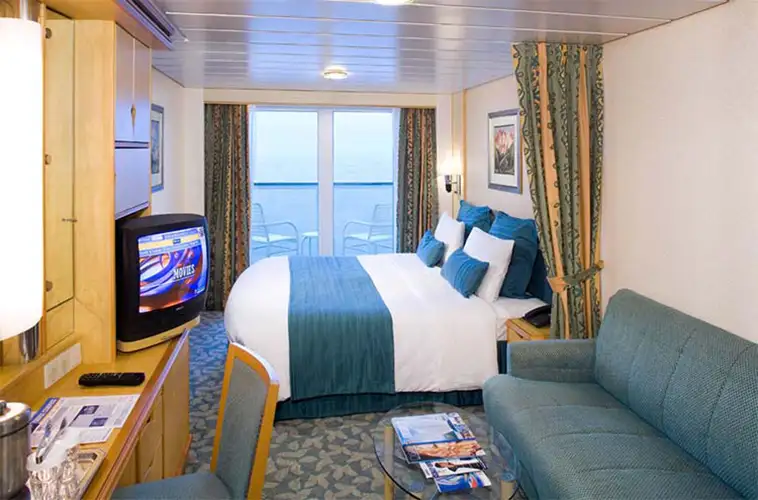
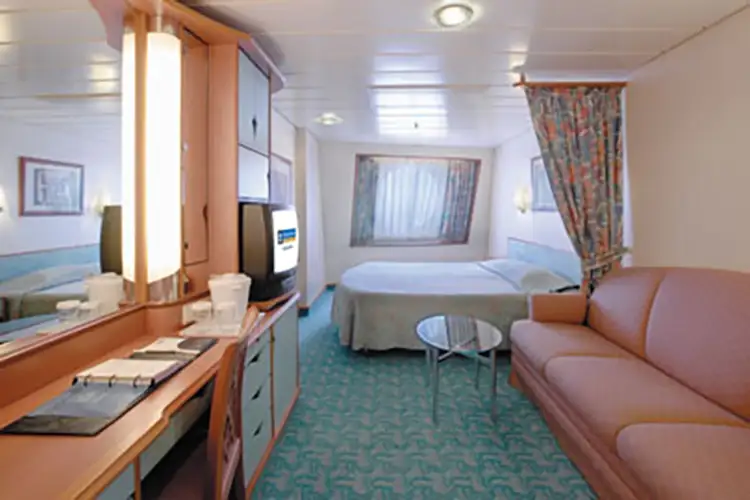
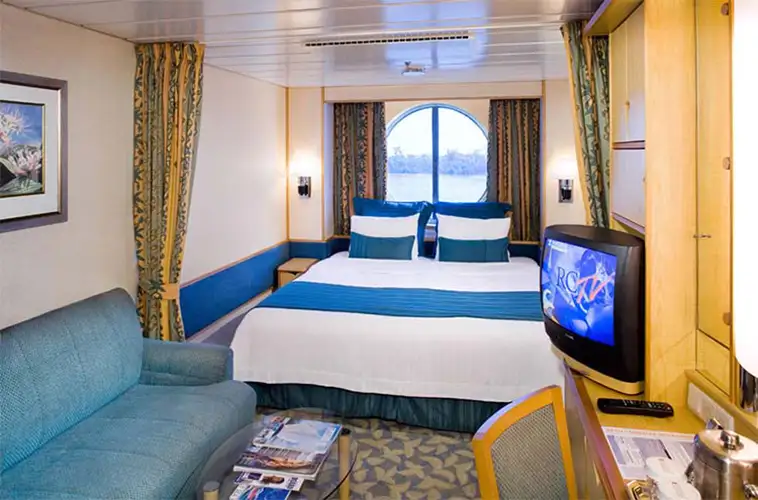
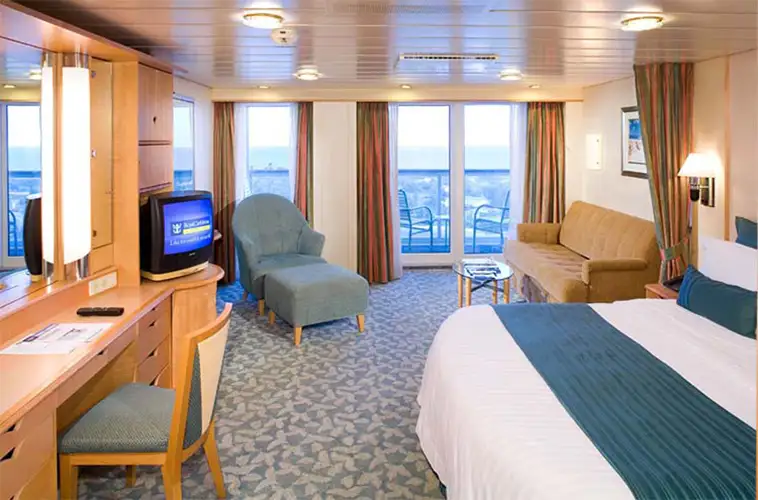
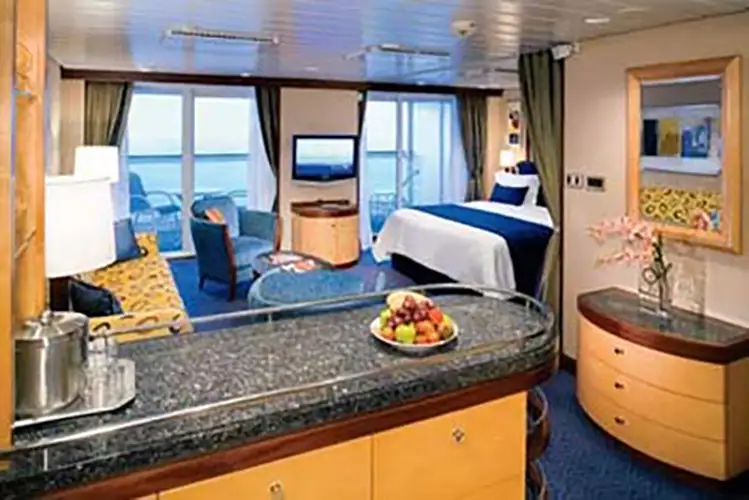
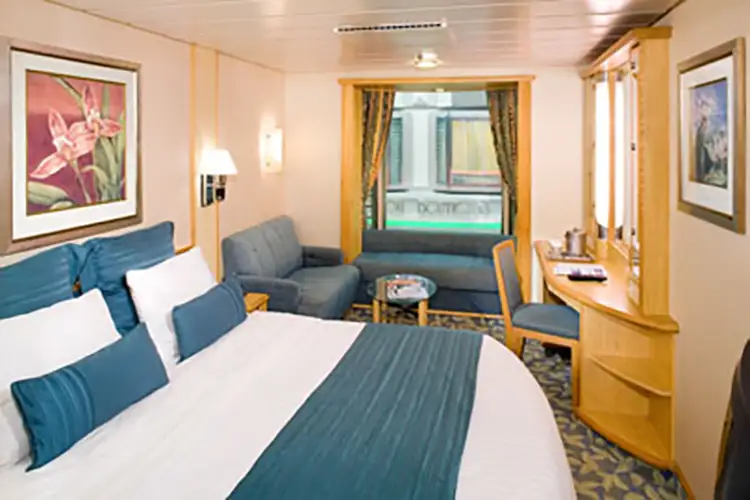
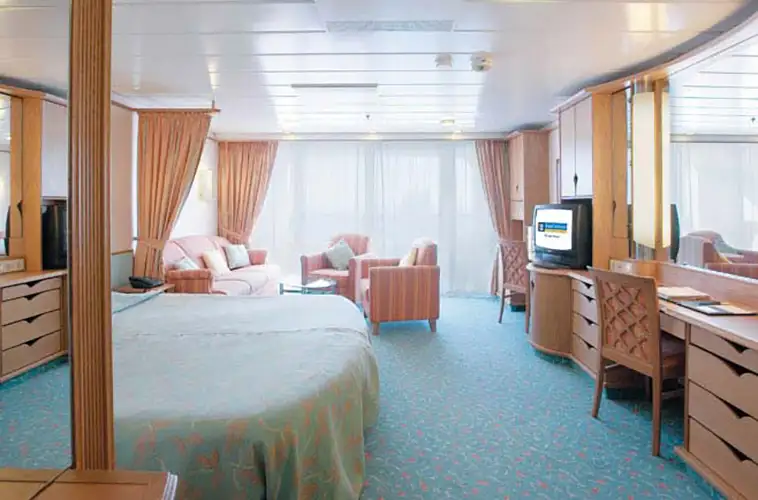
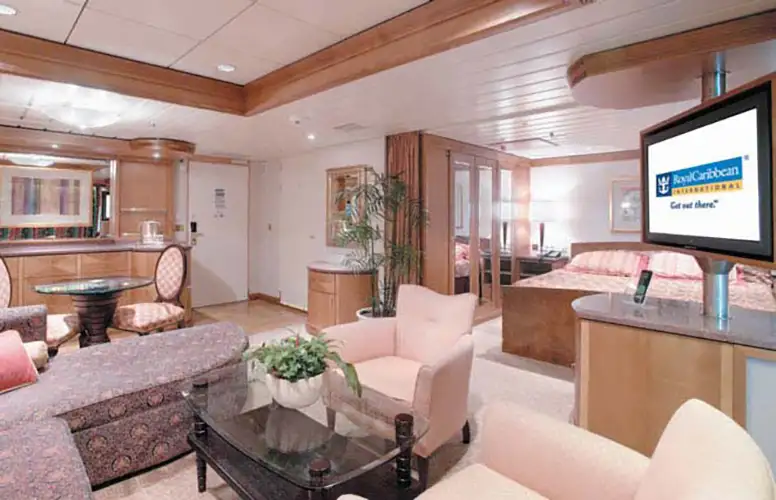
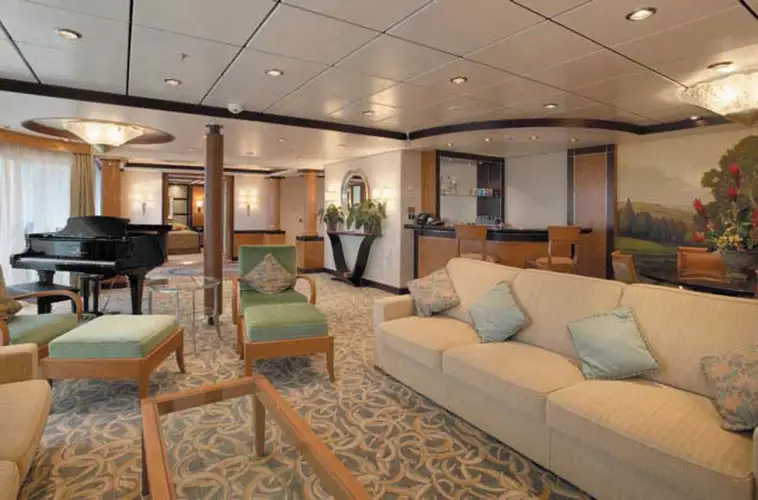
Info on the ship Mariner Of The Seas