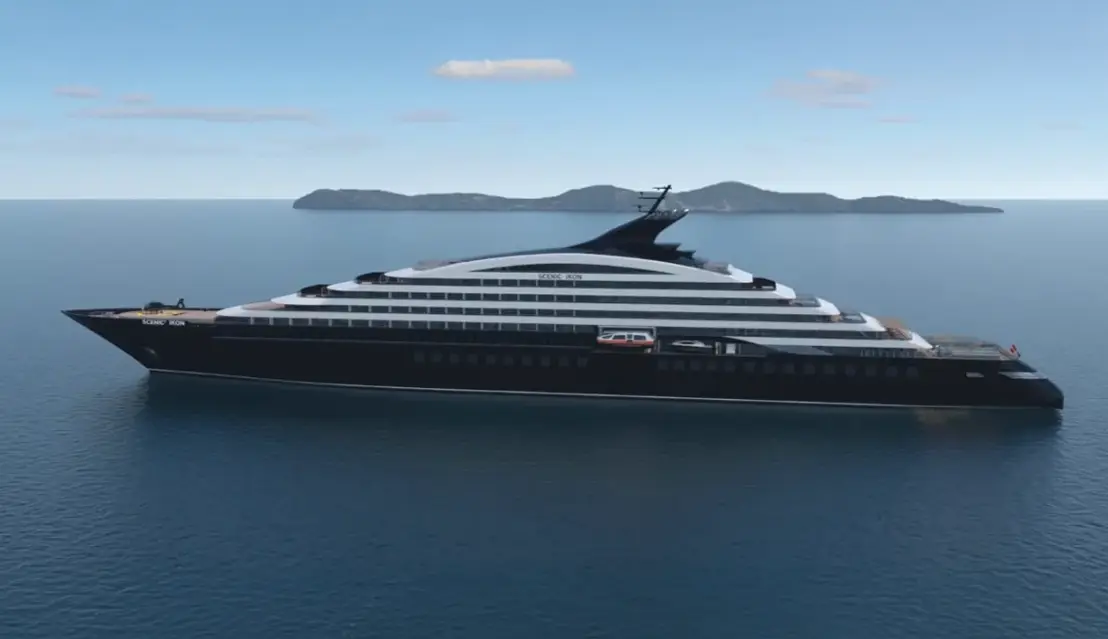
Scenic Canary Islands: 12 nights from Lisbon with Scenic Ikon
Oct 22, 2028
Portugal, Spain, Cape Verde, Senegal


Cruise itinerary
Departure Port: Lisbon ➞
Landing: Dakar
-
 Sunday, October 22, 2028 - not foundLisbon
-
 Monday, October 23, 2028Navigation
 -
Tuesday, October 24, 2028 not found - not foundFunchal
-
Wednesday, October 25, 2028 not found - not foundFunchal
-
Thursday, October 26, 2028 not found - not foundSanta Cruz de Tenerife
-
Friday, October 27, 2028 not found - not foundLas Palmas
-
Saturday, October 28, 2028 not found - not foundSanta Cruz de Tenerife
-
Sunday, October 29, 2028Navigation
-
Monday, October 30, 2028Navigation
-
Tuesday, October 31, 2028 not found - not foundMindelo
-
Wednesday, November 1, 2028 not found - not foundPraia
-
Thursday, November 2, 2028Navigation
-
Friday, November 3, 2028 not foundDakar
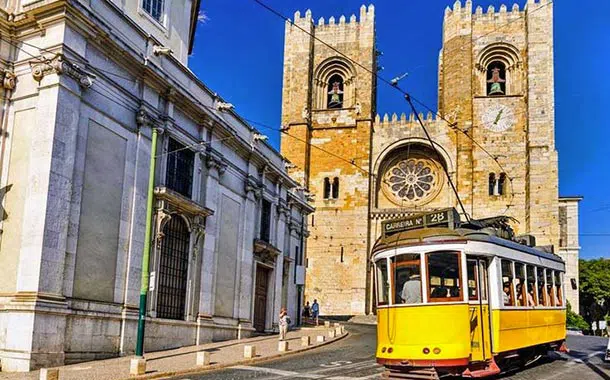
Lisbon
Perched on steep slopes overlooking the Tagus River, Lisbon offers all the pleasures you'd expect from Portugal's main attraction.
The capital of Portugal, Lisbon (in Portuguese Lisboa) has experienced a great rebirth in recent years, with a lively and flourishing contemporary culture. Perched on the coast of the Atlantic Ocean, Lisbon is one of the rare European cities that face the ocean and use water as an element that defines the city. Lisbon enchants travelers with its white limestone buildings, intimate alleys and an ancient charm that makes it a popular destination all year round.
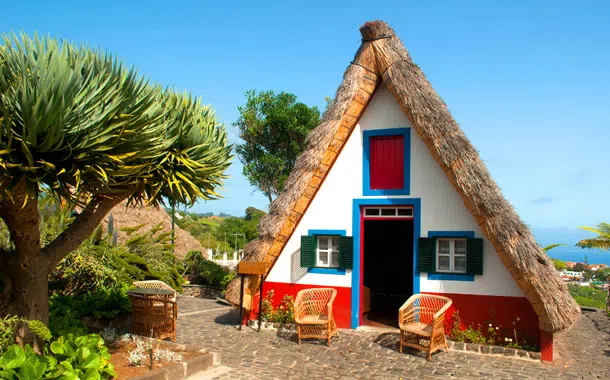
Funchal
The famous Portuguese poet, Júlio Dinis described Funchal as: ‘The sea on one side, the mountains on the other and between these two majestic splendours, the city smiles like a sleeping child, safe and warm, between its parents’. Funchal, the capital of the Portuguese island of Madeira is the soul of Portugal. Settlers over 500 years ago were attracted to this sheltered place, which is structured like a natural ‘amphitheatre’. Gentle slopes, abundant greenery and flowers, rise above the pretty harbour for almost 1,200 metres. The port is located 15-minute walk from the city center, in Funchal's magnificent bay with its sparkling blue waters. Due to its strategic mid-Atlantic location, Madeira has been a stopover point for ocean-going ships for many years.Funchal, the capital of the Portuguese island of Madeira is the soul of Portugal. Colonists over 500 years ago were drawn to this sheltered place, which is structured like a natural 'amphitheater'. Gentle slopes, abundant greenery and flowers, rise above the pretty port for almost 1200 meters. The magnificent bay of Funchal, with its sparkling blue waters, is home to the port, a 15-minute walk from the city center. Thanks to its strategic mid-Atlantic location, Madeira has been a stopping point for ocean-going ships for many years.
Funchal
The famous Portuguese poet, Júlio Dinis described Funchal as: ‘The sea on one side, the mountains on the other and between these two majestic splendours, the city smiles like a sleeping child, safe and warm, between its parents’. Funchal, the capital of the Portuguese island of Madeira is the soul of Portugal. Settlers over 500 years ago were attracted to this sheltered place, which is structured like a natural ‘amphitheatre’. Gentle slopes, abundant greenery and flowers, rise above the pretty harbour for almost 1,200 metres. The port is located 15-minute walk from the city center, in Funchal's magnificent bay with its sparkling blue waters. Due to its strategic mid-Atlantic location, Madeira has been a stopover point for ocean-going ships for many years.Funchal, the capital of the Portuguese island of Madeira is the soul of Portugal. Colonists over 500 years ago were drawn to this sheltered place, which is structured like a natural 'amphitheater'. Gentle slopes, abundant greenery and flowers, rise above the pretty port for almost 1200 meters. The magnificent bay of Funchal, with its sparkling blue waters, is home to the port, a 15-minute walk from the city center. Thanks to its strategic mid-Atlantic location, Madeira has been a stopping point for ocean-going ships for many years.
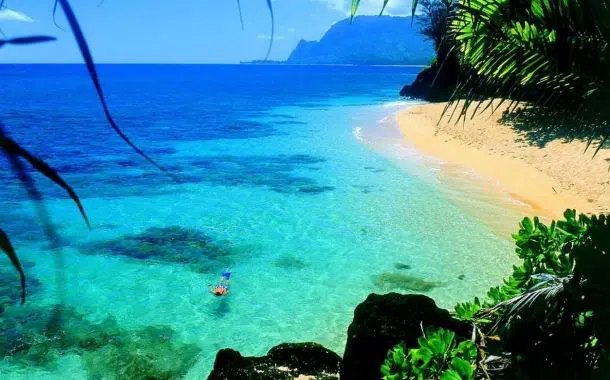
Santa Cruz de Tenerife
Santa Cruz de Tenerife, the capital of Tenerife, is located in the north-east of the island. Its pleasent climate and commercial areas make the city the perfect place for walking and enjoying long hours of relaxation. There are lots of things to visit in the city such as its avenues, parks and Henry Moore's most famous sculptures, hidden treasures and historic buildings such as the Church of the Conception or the Carta Palace.
Do not miss the opportunity to taste local cuisine. Santa Cruz de Tenerife is a beautiful port located in Tenerife, the largest of the western islands of the Canary Islands archipelago. In the area around the port, there are wide avenues, squares, exotic green areas and some examples of modern architecture. At the heart of the city, near the sea, there is Plaza de España, built in the mid-20th century and once the site of the San Cristobal Castle (16th century).
The oldest part of the city is rich in religious monuments. The construction of the Church of San Francisco, one of the best examples of the Baroque style, began in the 17th century. The Church of Pilar, dated back to the 18th century, stands on the remains of an ancient temple. The city has also some green areas filled with exotic tree species. The Garcia Sanabria Park houses an important outdoor Sculpture Museum.
Another not to be missed place is the Maritime Park, a recreational area designed by architect César Manrique and located in the old Canary Islands commercial basin. Also known as the Black Castle, this circular defensive bastion was built in the first half of the 17th century with volcanic stones. From a naturalistic point of view, Tenerife is an island of contrasting landscapes. The wide beaches of fine sand in the south of the island give way to lush vegetation in the north.
Every year, the outfits of the island's capital prepare to host Carnival, declared International Tourist Interest and one of the most spectacular in Spain. Its privileged location makes it possible to enjoy beautiful beaches such as Las Teresitas, get to know the city of San Cristóbal de La Laguna, declared a UNESCO World Heritage Site, or visit Teide National Park, the symbol of the island.
Las Palmas
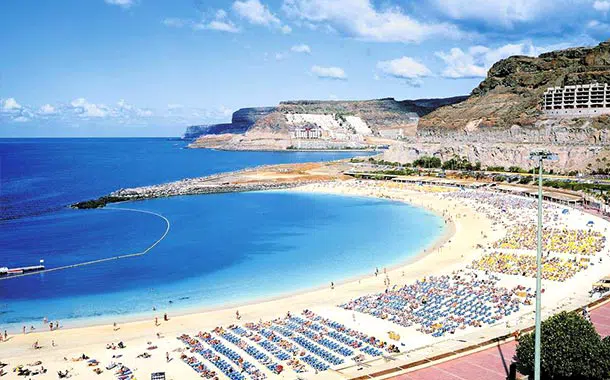
Located in the Atlantic Ocean 200 km from the African Coast, Gran Canaria has one of the most beautiful tropical landscapes. The island has wide and beautiful golden sand beaches, endless dunes, large indentations with vegetation and charming villages. In this majestic area, you can visit towns that has all kinds of services and amenities, such as in Las Palmas, with large shopping areas and a lively nightlife. You will have the opportunity to practice any water sport: diving, surfing and windsurfing.
Conversely, those who prefer other sports will have the opportunity to go hiking, climbing, or cycling. The island is also an ideal destination for golf lovers, as it has a wide range of excellent courses. Gran Canaria has excellent cuisine and the variety of fun traditional festivals, and theme parks. In short, it is an ideal place for a great island vacation.
Santa Cruz de Tenerife
Santa Cruz de Tenerife, the capital of Tenerife, is located in the north-east of the island. Its pleasent climate and commercial areas make the city the perfect place for walking and enjoying long hours of relaxation. There are lots of things to visit in the city such as its avenues, parks and Henry Moore's most famous sculptures, hidden treasures and historic buildings such as the Church of the Conception or the Carta Palace.
Do not miss the opportunity to taste local cuisine. Santa Cruz de Tenerife is a beautiful port located in Tenerife, the largest of the western islands of the Canary Islands archipelago. In the area around the port, there are wide avenues, squares, exotic green areas and some examples of modern architecture. At the heart of the city, near the sea, there is Plaza de España, built in the mid-20th century and once the site of the San Cristobal Castle (16th century).
The oldest part of the city is rich in religious monuments. The construction of the Church of San Francisco, one of the best examples of the Baroque style, began in the 17th century. The Church of Pilar, dated back to the 18th century, stands on the remains of an ancient temple. The city has also some green areas filled with exotic tree species. The Garcia Sanabria Park houses an important outdoor Sculpture Museum.
Another not to be missed place is the Maritime Park, a recreational area designed by architect César Manrique and located in the old Canary Islands commercial basin. Also known as the Black Castle, this circular defensive bastion was built in the first half of the 17th century with volcanic stones. From a naturalistic point of view, Tenerife is an island of contrasting landscapes. The wide beaches of fine sand in the south of the island give way to lush vegetation in the north.
Every year, the outfits of the island's capital prepare to host Carnival, declared International Tourist Interest and one of the most spectacular in Spain. Its privileged location makes it possible to enjoy beautiful beaches such as Las Teresitas, get to know the city of San Cristóbal de La Laguna, declared a UNESCO World Heritage Site, or visit Teide National Park, the symbol of the island.
Mindelo
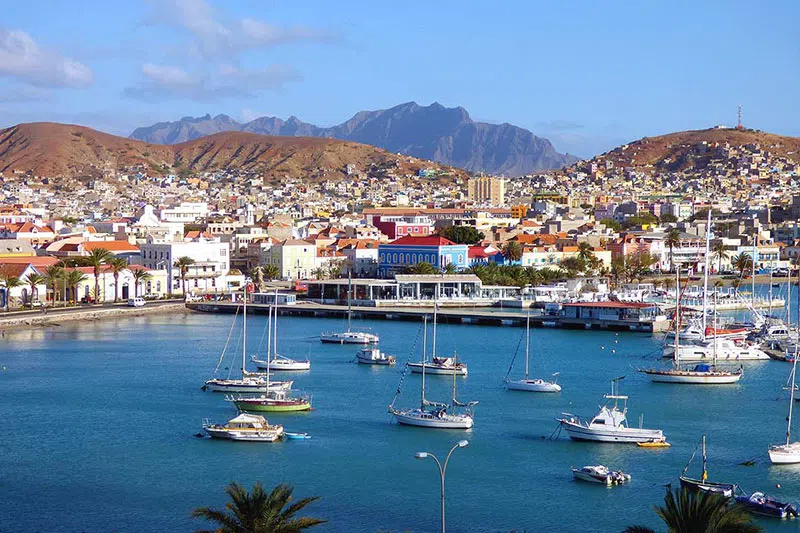
Mindelo is a lively port city located on the island of São Vicente in Cape Verde, an archipelago off the northwest coast of Africa. Cultural vibrancy, historical importance and natural beauty blend perfectly making Mindelo a unique and fascinating destination for tourists. The city is known as the cultural capital of Cape Verde.
It has a rich musical tradition, in particular morna and coladeira are the traditional musical genres of Cape Verde. The city is associated with the famous singer Cesária Évora. Cesária Évora was a Cape Verdean singer and probably the most famous morna singer in the world. Her nickname was “barefoot diva” because of her habit of performing barefoot. Mindelo hosts one of the most lively carnivals in the region, often compared to those in Brazil.
The event is a great attraction for tourists and locals, with parades, music, dances and elaborate costumes. Mindelo has a thriving art scene, with numerous galleries and markets where local artists and artisans exhibit their works. The Mindelo Art Center is a notable venue for unique exhibitions and shows. The city's nightlife is lively, with numerous bars, restaurants and clubs that offer live music and entertainment, especially in the historic center around Praça Estrela and Rua Lisboa.
Praia
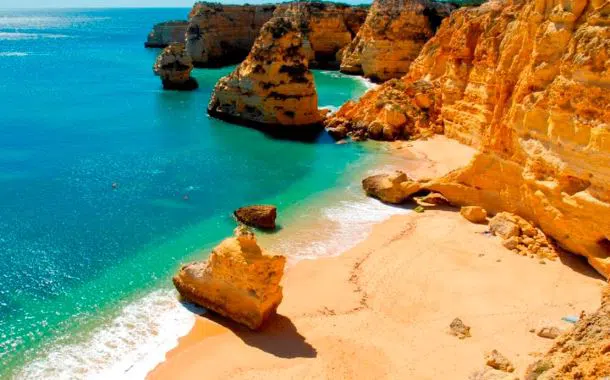
Praia is the capital of the Republic of Cape Verde, located on the island of Santiago, the largest of the archipelago, west of Senegal. The country is divided into charming little unofficial districts, the most important are Plateau (centre), Achada, Varzea, Safende and Sucupira (bazaar area). At the Sucupira market, you can buy exotic souvenirs, such as Panu or Babosa land, as well as a variety of handicrafts. Its great strength is the port, which, in addition to its development and the fishing industry, allows the export of coffee, sugar cane and tropical fruit. Thanks to its pleasent climate, It is possible to visit the city all year round. Even during the so-called rainy season (from mid-August to mid-October), it can happen that there is no rainfall for weeks. Thanks to ocean currents, Cape Verde has the lowest temperatures of all West African countries. Cape Verdeans are very fond of music, especially zouk, Funana and local HipHop. They are able to dance energetically throughout the night and one can easily join in. The city has several colonial-era buildings. The main attractions in the city center include Albuquerque Square, the old town hall built in 1920, the presidential palace, built at the end of the 19th century, the Monument of Diogo Gomes, the Portuguese navigator who discovered the island of Santiago in 1460. Apart from those mentioned, its beautiful beaches and good nightlife make this place an idyllic destination.Praia is the capital of the Republic of Cape Verde, located on the island of Santiago, the largest in the archipelago, west of Senegal.
This country is divided into charming unofficial small districts, the most important of which are the Plateau (center), Achada, Varzea, Safende, and Sucupira (bazaar area).
At the Sucupira market, among local and culinary products, you can buy exotic souvenirs, such as the earth of Panu or that of Babosa, as well as a variety of handicrafts. Its great strength is the port, which, in addition to the development and fishing industry, allows the export of coffee, sugar cane, and tropical fruits.
In this locality, it is possible to think of visiting it at any time, although the climate is pleasant all year round. Even during the so-called rainy season (from mid-August to mid-October), it can happen that there is no precipitation for weeks. Thanks to the ocean currents, Cape Verde has the lowest temperatures of all the countries in West Africa.
The Cape Verdeans love music very much, in particular, the zouk, the Funana, and the local HipHop. They are able to dance with energy all night and you can easily join in.
The city has several colonial-era buildings. The main attractions in the city center include Albuquerque Square, the old town hall built in 1920, the presidential palace, built at the end of the 19th century, the Monument to Diogo Gomes, the Portuguese navigator who discovered the island of Santiago in 1460.
In addition to those named, it does not have any particular important places to visit, but it is thanks to the beautiful beaches and the beautiful nightlife that makes this place an idyllic destination.
Dakar
Explore West Africa from Dakar!Set sail on an enriching journey from Dakar, Senegal, a vibrant and bustling port city on the West African coast. Known for its colorful markets, historical sites, and lively culture, Dakar offers a truly unique starting point for exploring the diverse landscapes and rich heritage of Africa. Prepare for an adventure that combines cultural immersion with serene sea travel, promising profound discoveries and unforgettable experiences.
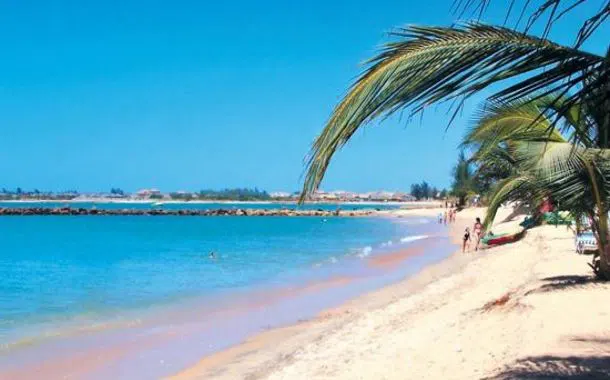
The city of Dakar is located along the Atlantic coast of Senegal, on an ancient volcano whose eruption gave rise to the Cap-Vert Peninsula. Other islands are located nearby, including that of Gorée, to the south, those of the Madeleine, to the west and Ngor to the north. An ancient fishing village, Dakar or Dahar means "tamarind" in Wolof (one of the six national languages of Senegal). Today the administrative, political, military, economic, social and cultural metropolis is a cosmopolitan, African and European city, with more than two million inhabitants. Several dates that mark the history of the city and the region, are between the 16th and 19th centuries, the highlight of the slave trade. The city was officially founded on May 25, 1857 by Pinet LAPRADE. The first cadastral map of Dakar was developed in June 1858. 4 years later, in June 1862, they formed a new alignment plan of the area. The city of Goree was founded in 1872 and on April 4, 1960, Dakar became the capital of Senegal. This metropolis has many places to offer. Tourists will be mainly attracted by the African Art Museum and the Antenna Gallery. Other important sites, in colonial style, are the Town Hall outside the Presidential Palace, jealously guarded by its guards in traditional clothes. Finally, don't miss the Dakar Mosque and the Hann natural park, with its numerous animals. Many typical products of the Dakar region are available to holidaymakers in various shops. Wide choice of souvenirs including fabrics, wooden sculptures, jewelry, sandals, bags, paintings, bronze objects, ceramics and musical instruments. Music, dance and traditional wrestling are part of the Dakar landscape. You will also notice the presence of a large shopping center (Plaza Mar), inaugurated in 2010, inside you will find a wellness center, a games room and a bowling alley. French is the official language and the only one taught in the public school system.
Info on the ship Scenic Ikon