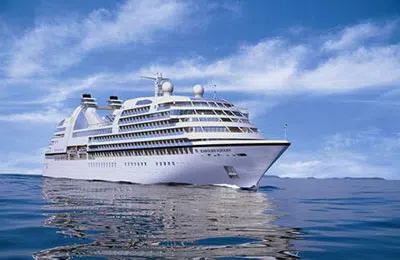
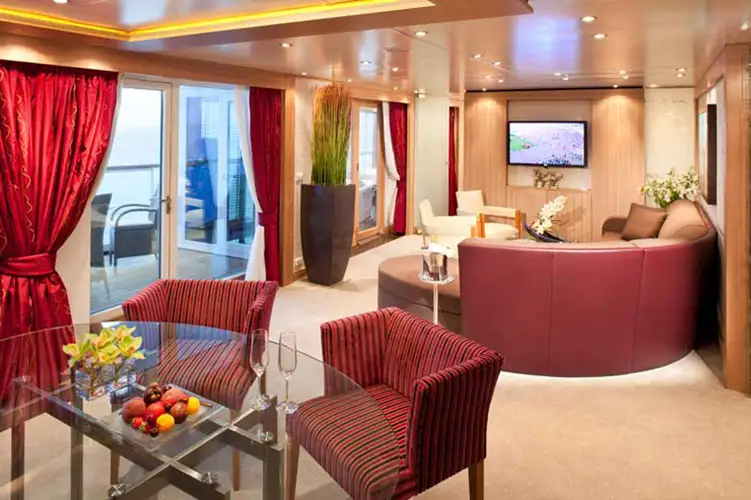
Seabourn Northern Europe: 28 nights from Lisbon with Seabourn Quest
May 26, 2029
Portugal, Spain, France, United States, United Kingdom, Norway, Denmark


Cruise itinerary
Departure Port: Lisbon ➞
Landing: Copenaghen
-
 Saturday, May 26, 2029 - 5:00 PMLisbon
-
Sunday, May 27, 2029 8:00 AM - 5:00 PMLeixoes
-
Monday, May 28, 2029 10:00 AM - 8:00 PMLa Coruna
-
Tuesday, May 29, 2029 8:00 AM - 6:00 PMGijon
-
Wednesday, May 30, 2029 7:00 AM - 5:00 PMBilbao
-
Thursday, May 31, 2029 11:30 AM - not foundBordeaux
-
Friday, June 1, 2029 not found - 10:15 PMBordeaux
-
 Saturday, June 2, 2029Navigation
 -
Sunday, June 3, 2029 9:30 AM - 8:30 PMSt Malo
-
Monday, June 4, 2029 8:30 PM - not foundRouen
-
Tuesday, June 5, 2029 not found - 11:00 PMRouen
-
Wednesday, June 6, 2029 5:30 AM - 6:00 PMHonfleur
-
Thursday, June 7, 2029 7:00 AM - 6:00 PMCherbourg
-
Friday, June 8, 2029 7:00 AM - 5:00 PMPortsmouth (USA)
-
Saturday, June 9, 2029 7:00 AM - 5:00 PMDover
-
Sunday, June 10, 2029Navigation
-
Monday, June 11, 2029 8:00 AM - 5:00 PMStavanger
-
Tuesday, June 12, 2029Navigation
-
Wednesday, June 13, 2029 7:00 AM - 5:00 PMBrønnøysund
-
Thursday, June 14, 2029 8:00 AM - 5:00 PMSvolvaer
-
Friday, June 15, 2029 10:00 AM - 10:00 PMTromsoe
-
Saturday, June 16, 2029 8:00 AM - 10:00 PMAlta
-
Sunday, June 17, 2029 8:00 AM - 6:00 PMHonningsvåg
-
Monday, June 18, 2029Navigation
-
Tuesday, June 19, 2029Navigation
-
Wednesday, June 20, 2029Navigation
-
Thursday, June 21, 2029 9:00 AM - 6:00 PMSkagen
-
Friday, June 22, 2029 7:00 AMCopenaghen
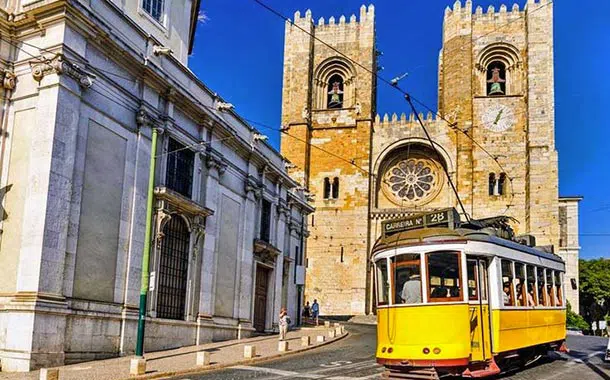
Lisbon
Perched on steep slopes overlooking the Tagus River, Lisbon offers all the pleasures you'd expect from Portugal's main attraction.
The capital of Portugal, Lisbon (in Portuguese Lisboa) has experienced a great rebirth in recent years, with a lively and flourishing contemporary culture. Perched on the coast of the Atlantic Ocean, Lisbon is one of the rare European cities that face the ocean and use water as an element that defines the city. Lisbon enchants travelers with its white limestone buildings, intimate alleys and an ancient charm that makes it a popular destination all year round.
Leixoes
La Coruna
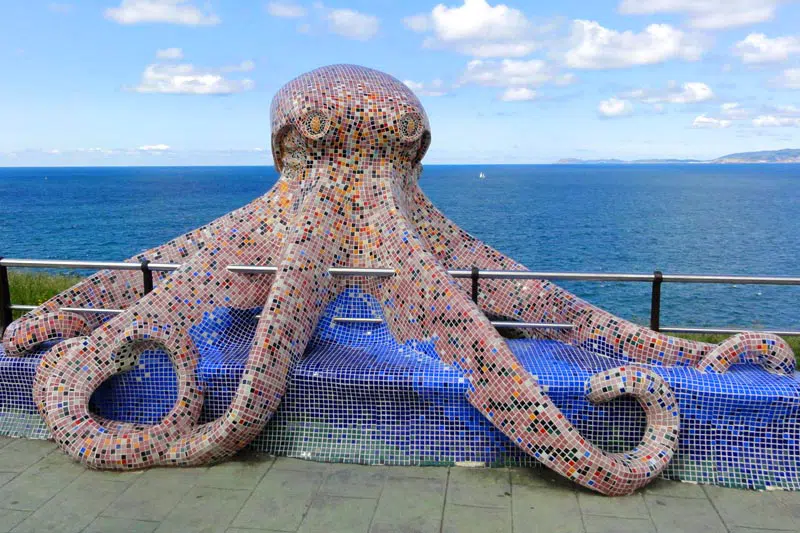
La Coruña is a city and municipality in Spain. It belongs to the autonomous region of Galicia and is the capital of the province. Important historic port is located on the north-western coast of the Iberian Peninsula, in the Rias Altas.
Located on the coast of the Atlantic Ocean, La Coruña is a city whose history has maintained close ties with its old fishing and commercial port. The peninsula on which the houses of the historic center are located, beyond the Tower of Hercules, one of the symbols of the city and declared a World Heritage Site by UNESCO, you will find a set of interesting and historic streets, squares and medieval churches.
Although the origin of the town may appear as an old Celtic settlement, the history of the city began to be important in Roman times, when the port became a fundamental structure for the country.
Historically, the port has been the scene of some of the most important historical events in the city, such as the defeat of the English corsair Francis Drake in 1589, thanks to the resistance of the entire population and led by the protagonist María Pita.
The Finisterrae Aquarium, the Domus and the Science Museum are some of the areas that show the most modern and playful side of the provincial capital, also offers one of the most beautiful and extensive beaches of Riazor and Orzán. All this is completed with a traditional cuisine, marked by the excellence of its fish and meats from the interior of the province. Gastronomic city par excellence, it has many good places to enjoy the exquisite Galician cuisine. Furthermore, you will find several establishments that offer excellent wine, normally concentrated in the old part of the city.
In its splendid, always lively streets, there are good examples of Romanesque architecture. One of the most beautiful churches in the city is undoubtedly that of Santiago, the oldest in the area, built in the 12th century. Its large nave of arches houses a polychrome sculpture of Saint James dating back to the 13th century. For its architectural interest, it has been declared a Historical-Artistic Monument.
Sit on a terrace in Plaza de María Pita and discover its fascinating history, stroll through the Cantons admiring its famous modern-style crystal galleries, and if you want to go shopping, this is certainly the best place.
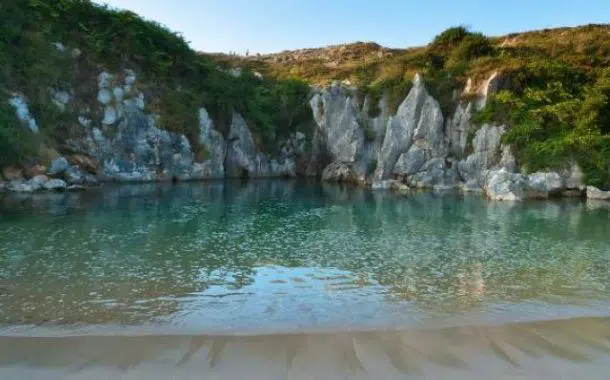
Gijon
On the coasts of the Cantabrian Sea, Gijón offers an interesting combination of maritime tradition, monumental heritage and modern urbanism right by the sea.
It is a modern, welcoming and open city full of green spaces, sports facilities and protected artistic heritages that have been recently restored. Gijón is the venue for numerous fairs, conferences, large concerts and cultural and sporting events. All this has been possible thanks to the improvement of the connections between Gijón and the rest of Asturias and Spain.
Its very original center, with its narrow cobbled streets, attracts many tourists, and the Cerro de Santa Catalina park on the tip of the Cimadevilla peninsula offers a splendid view of the coast.
It has a temperate oceanic climate typical of the Atlantic coast of Spain, with cool summers and humid and mostly mild winters. Autumn and spring offer the best climate and in summer there is almost no rain.
Its life and culture, the people, the landscape and the gastronomy all mixed together offer visitors and citizens a great and diverse experience.
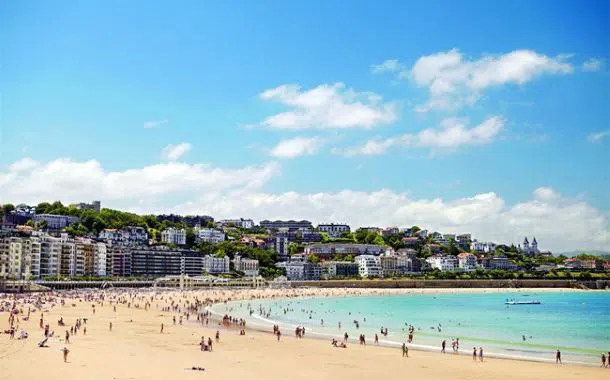
Bilbao
Bilbao, located on the Northern coast of Iberian Peninsula, is the ideal starting point to visit this area of Spain. Tourists come here to enjoy the beaches, discover its culture and absorb its mild climate. With one of Europe's largest ports, the vibrant city has been able to invest in a redevelopment plan, trasforming its brownfield sites into cutting-edge cultural and architectural venues.
But it is its historic center, which continues to fascinate with its stores, alleys and monuments. The city was officially founded in the 1300s, consolidating its economic position. Thanks to the exploitation of mining and steel industry areas, port and ship activity and its financial center, the city became one of the most important cities during the Industrial Revolution.
A modern and transportation network connects Bilbao to other cities in Spain. Thanks to its beautiful beaches, the city is the ideal destination for beach lovers. Beaches are not the only attractions in Bilbao, there are very fascinating places besides the beautiful beaches: the Cathedral of Santiago, located in the heart of the Old Town (Casco Viejo) is dedicated to the apostle Santiago, the official patron saint of the city of Bilbao since 1643.
Built at the end of the 14th century in the Gothic style, the neo-Gothic tower and façade were made by Severino Achúcarro in late 1887. The Old Bridge of San Antonio is located next to the church of the same name. Pablo de Alzola and Ernesto Hoffmeyer built a second bridge in 1877 but it was destroyed during the Civil War in 1937. San Antonio Bridge dates from the early 20th century, also known as the Atxuri Bridge, connecting the old neighborhood to the rest of the city. For nature lovers, the city is surrounded by a fertile landscape of forests, mountains, beaches, and cliffs that make Bilbao a tourist destination. A holiday aboard a cruise offers the opportunity to visit this beautiful city and partecipate in one of these unique activities.
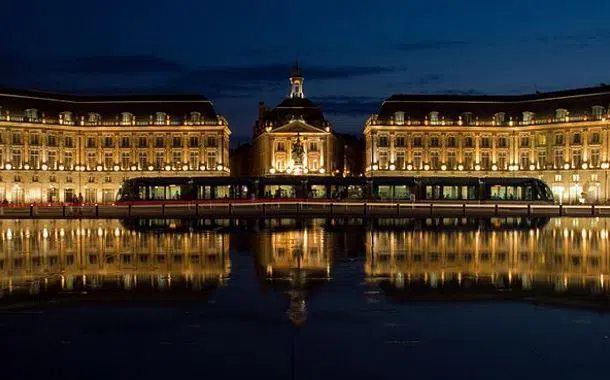
Bordeaux
Bordeaux is city on the Atlantic Ocean and its port hosts big ships. The city had initially the name Burdigala and was established in III Century B.C. by the Gallic people.
It was a neuralgic centre for the International commerce of tin and lead. After the arrival of the Romans, Bordeaux becomes one of the richest cities of Gallia and is robbed many times by populations such as Visigoths and Vandals. With the passing of time, the City starts economic relationships with England trading in salt and wine and, in XVI Century, also the colonial sugar and slaves start having a leading role in the sustenance of the city.
Bordeaux has a liveable city centre that can be visited by foot and that offers beautiful attractions and energy. At night, the city get crowded with young people filling up the main squares and the bars where you can taste excellent wines and plunge in the romantic atmosphere that the city assumes after the sunset. You can’t miss out Château de la Brède, a gothic style castle dated back to XIV Century, surrounded by a moat and an English garden. The philosopher Montesquieu lived here and tourists can visit his library and his bedroom that are just like they were in XIX Century.
We suggest to visit also the beautiful Saint Eloi Church. Established in XII Century, the construction and renovation works lasted until 1400’s. The current structure is dated back to this period. The church is one of the stop-overs of Santiago de Compostela walking tour and is part of UNESCO World Heritage. Bordeaux offers a wide variety of gastronomic and wine choices. There are many restaurants and bars where you can taste the best wines on the market and an amazing cuisine.
Bordeaux
Bordeaux is city on the Atlantic Ocean and its port hosts big ships. The city had initially the name Burdigala and was established in III Century B.C. by the Gallic people.
It was a neuralgic centre for the International commerce of tin and lead. After the arrival of the Romans, Bordeaux becomes one of the richest cities of Gallia and is robbed many times by populations such as Visigoths and Vandals. With the passing of time, the City starts economic relationships with England trading in salt and wine and, in XVI Century, also the colonial sugar and slaves start having a leading role in the sustenance of the city.
Bordeaux has a liveable city centre that can be visited by foot and that offers beautiful attractions and energy. At night, the city get crowded with young people filling up the main squares and the bars where you can taste excellent wines and plunge in the romantic atmosphere that the city assumes after the sunset. You can’t miss out Château de la Brède, a gothic style castle dated back to XIV Century, surrounded by a moat and an English garden. The philosopher Montesquieu lived here and tourists can visit his library and his bedroom that are just like they were in XIX Century.
We suggest to visit also the beautiful Saint Eloi Church. Established in XII Century, the construction and renovation works lasted until 1400’s. The current structure is dated back to this period. The church is one of the stop-overs of Santiago de Compostela walking tour and is part of UNESCO World Heritage. Bordeaux offers a wide variety of gastronomic and wine choices. There are many restaurants and bars where you can taste the best wines on the market and an amazing cuisine.
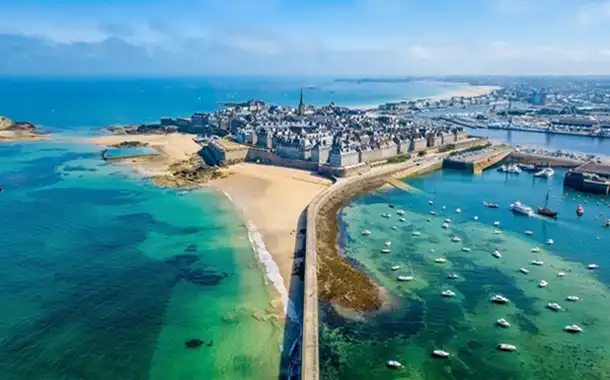
St Malo
Rouen
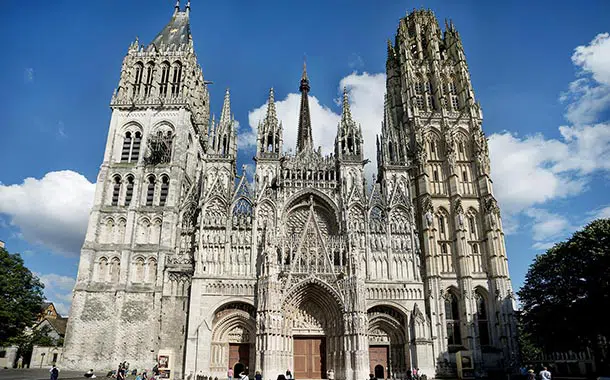
Discover Rouen with an unforgettable cruiseRouen, the historic capital of Normandy, is one of the most fascinating stops for those who choose to go on a cruise from France. Rich in art, history and culture, this city offers numerous attractions to visit, unique flavors to discover and a strategic position for exploring the region.
What to see in Rouen?Rouen Cathedral is undoubtedly one of the most recognizable symbols of the city. This Gothic masterpiece, painted by Claude Monet, is an icon of Normandy and one of the tallest cathedrals in France. Walking through the streets of Rouen, you cannot miss the Gros Horloge, a medieval astronomical clock that is located in the heart of the city. Another unmissable attraction is the Joan of Arc Church, built on the site where the saint was executed in 1431.
Where is Rouen located?Rouen is located in the north of France, about 135 km from Paris, along the Seine River. Thanks to its strategic position, it is one of the most important port cities in Normandy, making it an ideal starting point for river cruises along the Seine or maritime cruises to the United Kingdom and Scandinavia.
What to do in Rouen in a day?If you only have one day available in Rouen before your cruise, you can organize an itinerary that allows you to see the best of the city. Start with a visit to the Rouen Cathedral and continue with a walk in the historic quarter, famous for its half-timbered houses. Stop at the Old Market, where you can sample local products and see the church dedicated to Joan of Arc. End the day with a walk along the Seine, admiring the sunset over the river.
What to eat in Rouen?Normandy cuisine is famous for its fresh and flavorful ingredients. Among the typical dishes to try is the Canard à la Rouennaise, a duck recipe cooked with a wine sauce. Don't forget to taste the local cheeses, such as Camembert and Neufchâtel, accompanied by a good bottle of cider, the traditional drink of the region.
Discover everything that Rouen has to offer and start your cruise adventure from one of the most fascinating cities in France! Rouen
Discover Rouen with an unforgettable cruiseRouen, the historic capital of Normandy, is one of the most fascinating stops for those who choose to go on a cruise from France. Rich in art, history and culture, this city offers numerous attractions to visit, unique flavors to discover and a strategic position for exploring the region.
What to see in Rouen?Rouen Cathedral is undoubtedly one of the most recognizable symbols of the city. This Gothic masterpiece, painted by Claude Monet, is an icon of Normandy and one of the tallest cathedrals in France. Walking through the streets of Rouen, you cannot miss the Gros Horloge, a medieval astronomical clock that is located in the heart of the city. Another unmissable attraction is the Joan of Arc Church, built on the site where the saint was executed in 1431.
Where is Rouen located?Rouen is located in the north of France, about 135 km from Paris, along the Seine River. Thanks to its strategic position, it is one of the most important port cities in Normandy, making it an ideal starting point for river cruises along the Seine or maritime cruises to the United Kingdom and Scandinavia.
What to do in Rouen in a day?If you only have one day available in Rouen before your cruise, you can organize an itinerary that allows you to see the best of the city. Start with a visit to the Rouen Cathedral and continue with a walk in the historic quarter, famous for its half-timbered houses. Stop at the Old Market, where you can sample local products and see the church dedicated to Joan of Arc. End the day with a walk along the Seine, admiring the sunset over the river.
What to eat in Rouen?Normandy cuisine is famous for its fresh and flavorful ingredients. Among the typical dishes to try is the Canard à la Rouennaise, a duck recipe cooked with a wine sauce. Don't forget to taste the local cheeses, such as Camembert and Neufchâtel, accompanied by a good bottle of cider, the traditional drink of the region.
Discover everything that Rouen has to offer and start your cruise adventure from one of the most fascinating cities in France!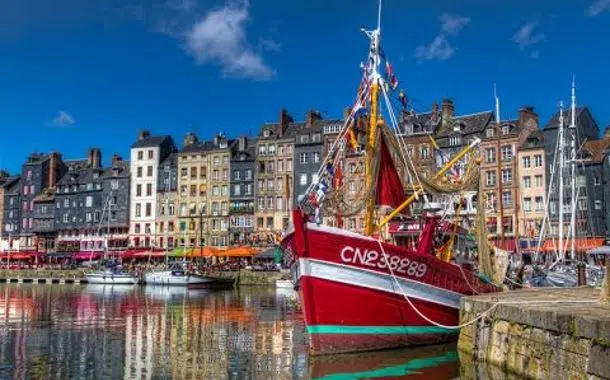
Honfleur
Honfleur is a French city located in Lower Normandy. In the past it was Norman, English and finally French property and had an economic boom at the end of the Hundred Years' War.
In the 17th century, Honfleur was enriched thanks to trade with Canada, the Antilles, Africa, and the Azores and was one of the main ports for the slave trade. One of the most characteristic aspects of the city are the houses that overlook the Seine, giving the impression of being in front of an Impressionist painting. It is no coincidence that some of the greatest painters, such as Monet, Courbet, and Boudin, chose it as a destination where to find inspiration. The cultural and architectural heritage of Honfleur includes churches and museums, including the Musée de Vieux Honfleur, which collects the enterprises of local travelers or the Eugène Boudin Museum, where there are paintings by local painters dating from the 19th to the 20th century. Honfleur is a town and measure of man and between alleys and cobbled streets, it encloses a unique allure.
Cherbourg
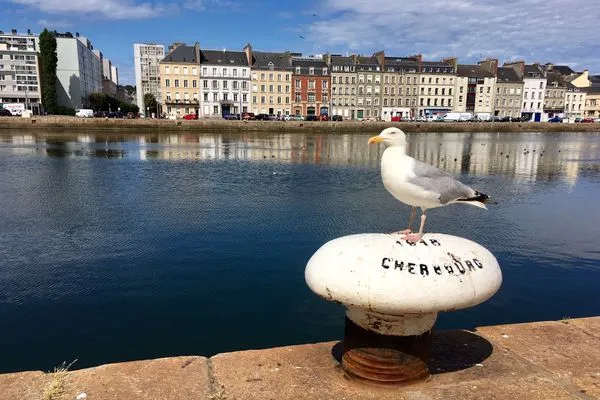
Cross the Atlantic from Cherbourg!Set sail on an epic ocean adventure from Cherbourg, France, a historic port city with a deep connection to maritime exploration. Known for its strategic location and impressive harbor, Cherbourg offers a grand departure point for transatlantic voyages and European cruises. Experience the allure of French coastal charm before embarking on a journey promising elegance, discovery, and breathtaking views of the open sea.
Portsmouth (USA)
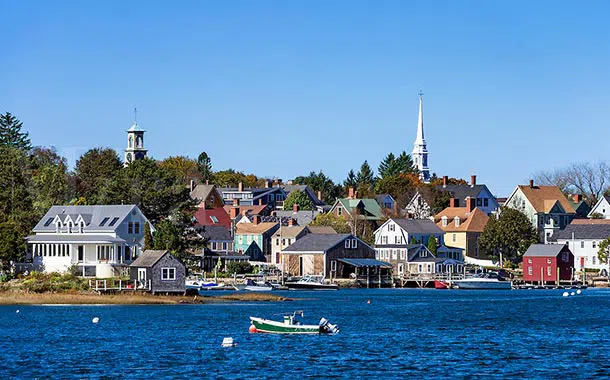
Portsmouth (USA): A Historic Departure for Coastal CruisesEmbark on a unique cruise from Portsmouth, New Hampshire, a charming and historic seaport city on the Piscataqua River. Known for its rich maritime heritage, beautifully preserved architecture, and vibrant downtown, Portsmouth offers a picturesque and culturally rich starting point for your New England and Canadian Maritime adventures. Before setting sail, explore Strawbery Banke Museum, wander through its quaint streets, and savor fresh seafood. Portsmouth provides a delightful blend of history and coastal charm, making it an ideal gateway for your journey.
Explore New England and Beyond from PortsmouthCruises departing from Portsmouth invite you to discover the stunning beauty and historical significance of the North Atlantic coastline. Glide past rugged shores, charming lighthouses, and vibrant seaside towns, experiencing the unique character of New England and the Canadian Maritimes. Whether you seek historical insights, natural beauty, or simply tranquil relaxation, your journey from Portsmouth promises an unforgettable experience, making every moment of your cruise a new discovery of American heritage and breathtaking scenery.
Dover
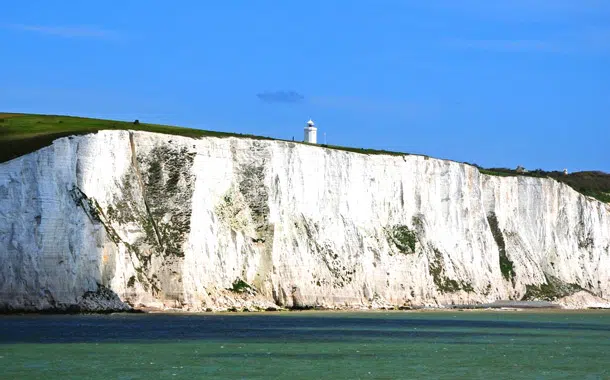
Just 21 miles from the European mainland (the French cliffs are visible on a clear day), it is the main passage through the English Channel.
History of DoverEnveloped by the passage of time, Dover stands as a monumental beacon of Britain's heritage. Situated at the closest point to continental Europe, it has served as the gateway to England for centuries. The iconic White Cliffs of Dover, symbolic of hope and freedom, have witnessed the ebb and flow of conquerors, traders, and travelers. Central to its historical narrative is Dover Castle, known as the "Key to England," boasting an extensive history dating back to the Iron Age and later fortified by the Romans and Normans. This town is not just a witness but a storyteller of England's tumultuous history.
Climate in DoverDover's climate is characterized by its mildness, a trait particularly appealing to those seeking to escape extreme weather conditions. Summers are pleasantly warm without being oppressively hot, with average temperatures hovering around 20°C (68°F), making it an ideal time for exploring. Winters are moderate, with temperatures rarely falling below freezing. This temperate climate ensures that Dover can be enjoyed year-round, offering a comfortable environment for all its visitors.
Attractions and Places to VisitDover is not just a historical gem but also a treasure trove of natural beauty and cultural sites. Beyond the White Cliffs, Dover Castle stands as a formidable reminder of the past, offering breathtaking views and a deep dive into history. The Secret Wartime Tunnels weave beneath the castle, offering an immersive experience into WWII strategies. For nature lovers, the Samphire Hoe Country Park, created from the material dug to build the Channel Tunnel, offers serene walks and stunning vistas. Each site in Dover tells its own unique story, inviting exploration and discovery.
Local Cuisine and Specialty ProductsThe culinary landscape of Dover is as rich and varied as its history. Known for its fresh seafood, the town boasts dishes like Dover sole, celebrated worldwide for its delicate taste. Local pubs and restaurants also offer traditional English fare, from hearty stews to the classic fish and chips, often with a contemporary twist. Regional produce, like Kentish apples and artisanal cheeses, add to the gastronomic experience, making Dover a must-visit for food enthusiasts.
Concluding Remarks: Embark on a Cruise from DoverEmbarking on a cruise from Dover is not just a journey; it's an adventure steeped in history, natural beauty, and culinary delights. This port, renowned for its strategic importance and breathtaking views, serves as the perfect gateway to exploring the British Isles and beyond. With its convenient location, temperate climate, and rich cultural tapestry, Dover invites cruisers to begin their voyage in a city that promises an unforgettable experience. Whether you're drawn by the call of history, the allure of gastronomy, or the simple joy of scenic landscapes, Dover is a destination that transcends expectations, making it an ideal starting point for your next cruise adventure.
Stavanger
Stavanger is a Norwegian city located in the county of Rogaland, and it is a very ancient city. It seems that the first settlements took place about 10,000 years ago. It received city status in the 12th century, and in the same period, it became a bishop's seat, acquiring great importance from a religious point of view. It lost this role following the Protestant Reformation of 1536. Stavanger experienced the economic boom in the late 1960s: this area, in fact, became an important oil extraction base in the North Sea.
From a cultural point of view, Stavanger is a very active city: it was chosen, in fact, in 2008 as European Capital of Culture. Stavanger is a popular tourist destination thanks to the breathtaking landscapes that the city itself and the surrounding areas offer.
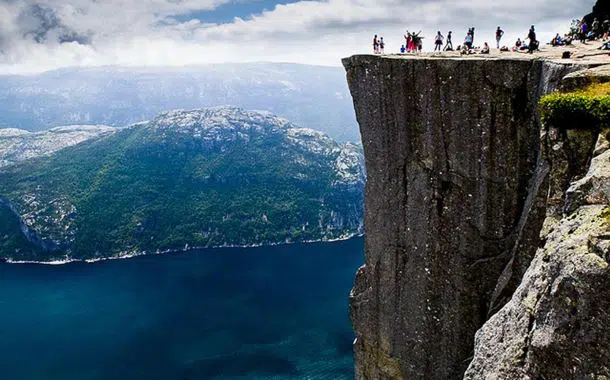
You cannot miss the Preikestolen, a rock 604 meters high from which you can enjoy a breathtaking view and which is visited every year by an ever-increasing number of tourists.
The city is very lively and full of attractions for leisure, including restaurants, clubs, and shops. The historic center is quite small and it is worth visiting on foot to fully enjoy the positive atmosphere that you breathe. Visiting Stavanger via a cruise in Northern Europe is one of the best ways to fully enjoy the landscape and to experience direct contact with nature.
Brønnøysund
Svolvaer
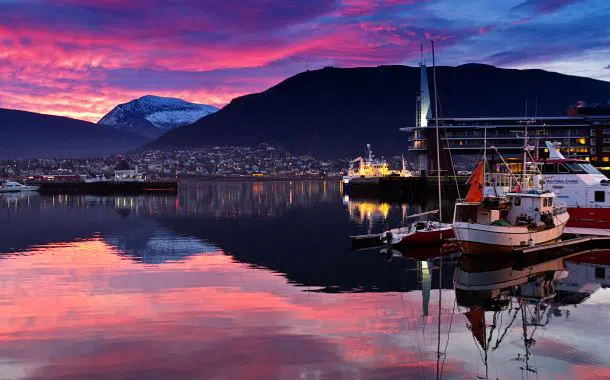
Tromsoe
Arctic Explorations from Tromsø!Embark on an extraordinary polar adventure from Tromsø, Norway, the "Gateway to the Arctic," nestled amidst stunning fjords and dramatic mountains. This vibrant city, known for its Northern Lights and midnight sun, offers an unparalleled departure point for exploring the Arctic wilderness. Prepare for a cruise filled with majestic landscapes, unique wildlife, and unforgettable cultural encounters, promising an immersive journey into the heart of the North.
Tromsø is the largest city in northern Norway and one of the most populated and is located about 350 km from the Arctic Circle. The center of the city develops on an island called Tromsøya, while the population lives on the mainland, Tromsdalen: there are many bridges that connect the islands with the mainland, giving the city a decidedly particular character. The area on which Tromsø was later born has been inhabited since the ice age. In the Middle Ages, the Sami settled in this area and it was during this period that it became a border city with Russia.
Due to its proximity to the Arctic Circle, it is possible to witness natural spectacles such as the midnight sun, which occurs near the summer solstice and which means that the night never falls. Tromsø is a tourist destination above all for the phenomenon of the northern lights: between the end of September and the end of March, it is possible to witness this natural spectacle that attracts visitors from all over the world and who are not frightened by the low temperatures, because it is really worth it. Photography lovers will find bread for their teeth and will be able to bring home real photographic trophies.
Tromsø is a university city and there are many students who populate it, both indigenous and foreign. In the city, it is possible to visit a museum that collects finds from expeditions to the Arctic Circle: almost all the expeditions started right from here.
Tromsø is also an important port for the cruise market: cruises on the Norwegian fjords stop here so that visitors can admire its beauty. In spring and summer, the only times of the year in which it is possible to visit these areas by cruise, the valleys are colored with a bright green and are a real spectacle to admire on board a cruise ship.
Alta
Honningsvåg
Skagen
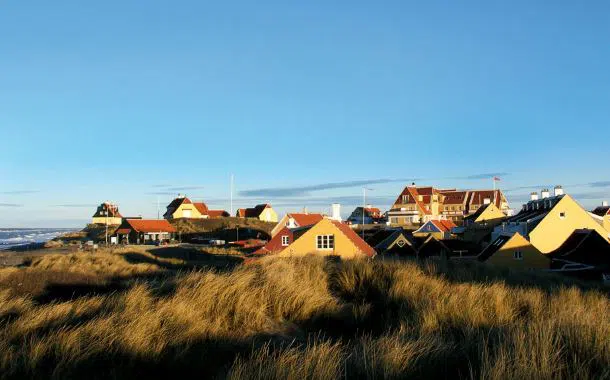
Skagen is a Danish town located in the North Jutland region on the northernmost tip of the island of Vendsyssel-Thy. It is part of the municipality of Frederikshavn. In the vicinity of Skagen, frequented by tourists, there is Grenen, a strip of sand that extends to the north-east at the point where the two seas Skagerrak and Kattegat meet, generating turbulence that makes navigation difficult. For this reason, special signs sanction the ban on bathing. It is often possible to witness the characteristic clash of waves coming from opposite directions. The old Vippefyr lighthouse, was built in the fifteenth century and later destroyed. There is a reconstruction north of the city. In the seventeenth century it was replaced by the Hvidefyr (white lighthouse). In turn replaced by the taller Gråfyr (grey lighthouse) of 1850, still present. To the south of the city there is the Tilsandende Kirke, a church buried by the sand. Currently visible and visitable is only the bell tower. Further attractions are represented by the numerous museums and art galleries. Among the museums, we point out the Skagens Museum which exhibits the major works of the Skagen painters.
Copenaghen
Copenhagen, literally "port of the merchants", is the capital of Denmark and one of the country's most densely populated cities. Originally a city mainly inhabited by fishermen, it became a fundamentally important port for trade.
Copenhagen is a year-round tourist destination and in summer the flow of tourists increases considerably thanks to Northern Europe cruises.
It is very common to add a stay in the city before a cruise, to take in its distinguishing relaxing atmosphere and see what it has to offer. Among its famous attractions you cannot miss the statue of the Mermaid which is located right at the entrance to the port and the Tivoli Gardens, one of the world's largest amusement parks, opened in 1843 and loved by everyone.
Copenhagen (København in Danish and 'Copenaga' in Italian [no source]) is the capital and the most populous city of Denmark with 518,574 inhabitants in the municipality (1,167,569 in the urban area). The city stretches across the islands of Sjælland and Amager and is separated from the city of Malmö in Sweden by the strait of Øresund.
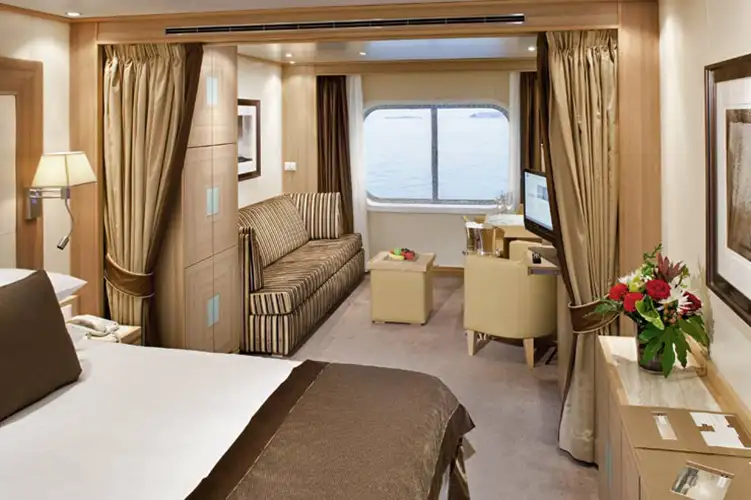
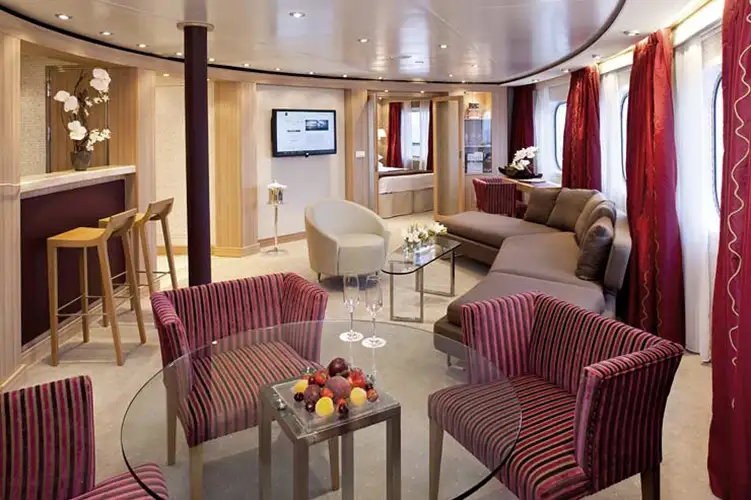
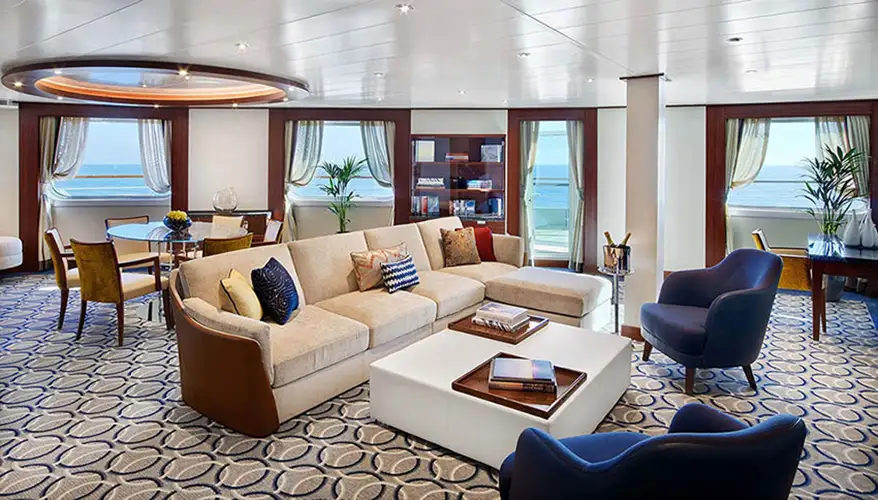
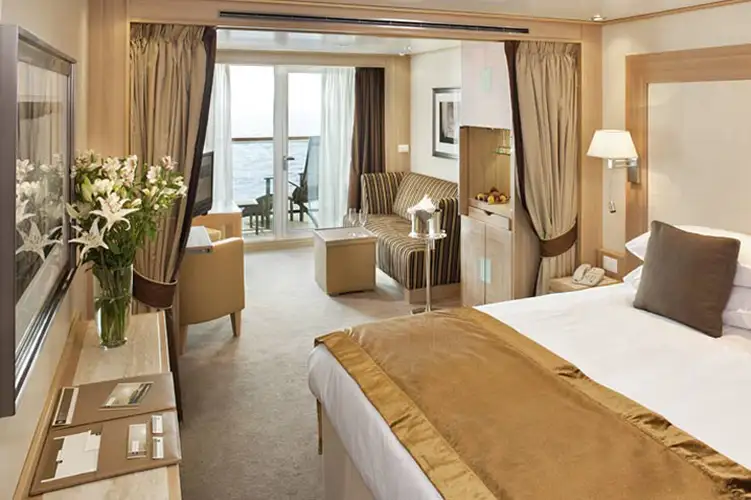
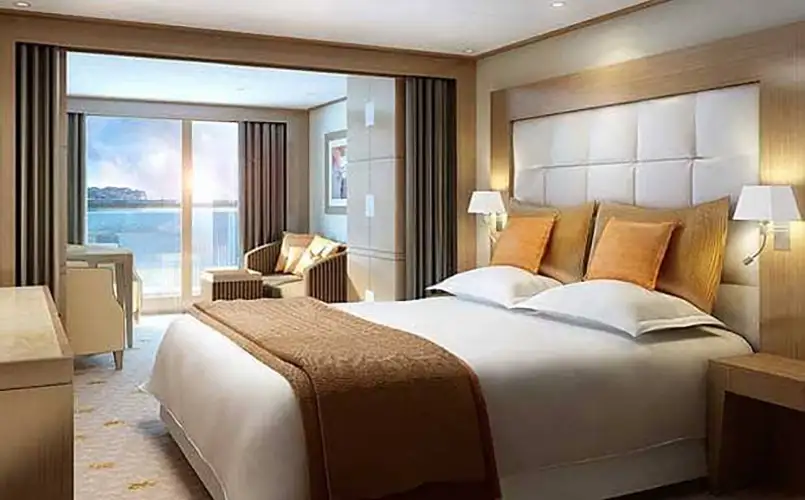
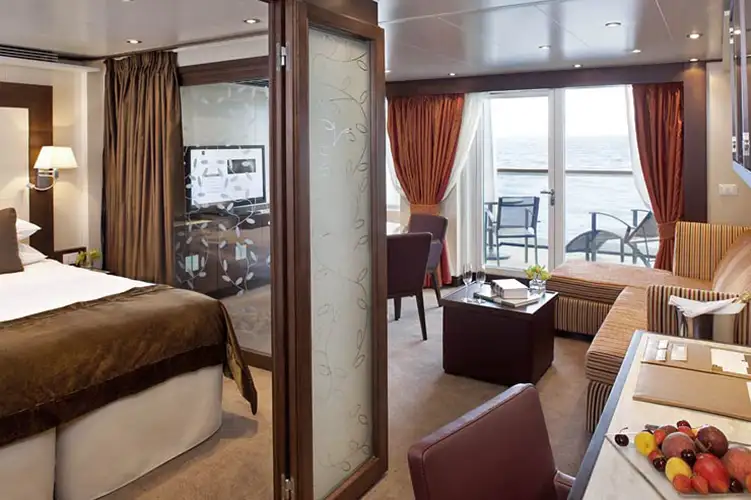
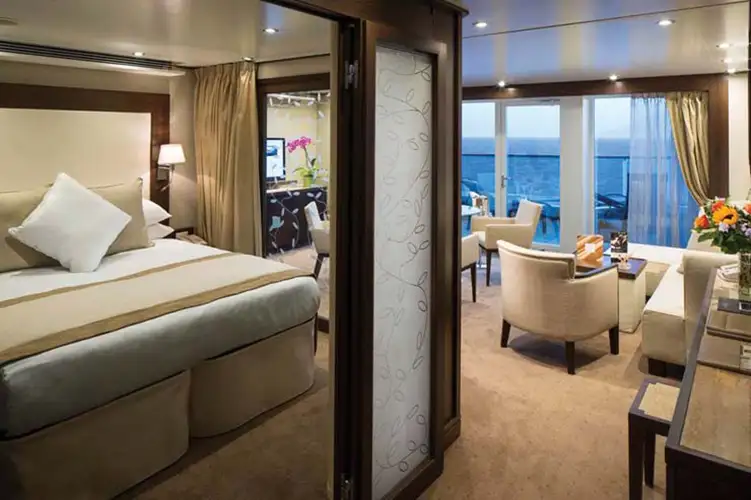
Info on the ship Seabourn Quest