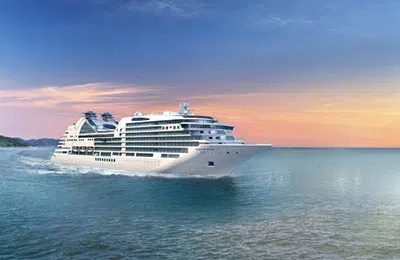
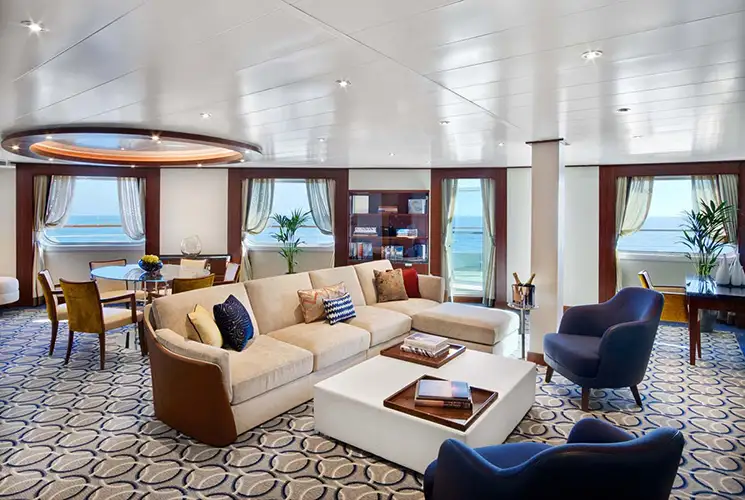
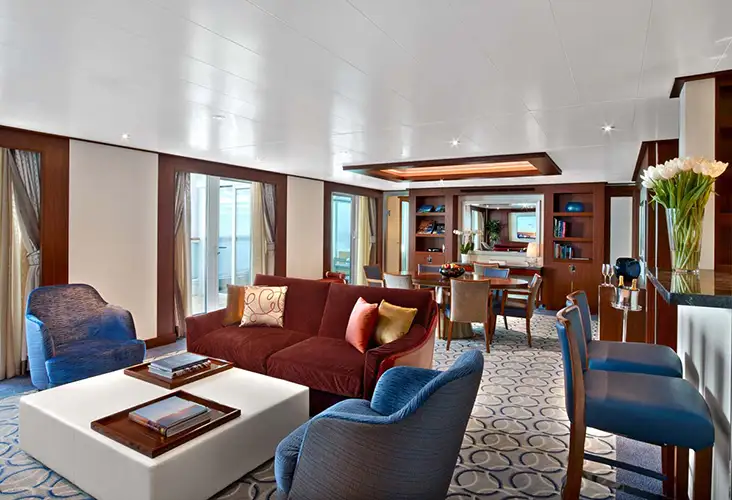
Seabourn Mediterranean: 14 nights from Civitavecchia with Seabourn Ovation
Aug 25, 2029
Italy, Malta, Albania, Croatia, Montenegro, Slovenia


Cruise itinerary
Departure Port: Civitavecchia ➞
Landing: Dubrovnik
-
 Saturday, August 25, 2029 - 6:00 PMCivitavecchia
-
Sunday, August 26, 2029 8:00 AM - 6:00 PMAmalfi
-
Monday, August 27, 2029 8:00 AM - 6:00 PMGiardini-Naxos
-
Tuesday, August 28, 2029 8:00 AM - 6:00 PMValletta
-
 Wednesday, August 29, 2029Navigation
 -
Thursday, August 30, 2029 7:00 AM - 4:00 PMSaranda
-
Friday, August 31, 2029 7:00 AM - 11:00 PMDubrovnik
-
Saturday, September 1, 2029 8:00 AM - 6:00 PMKotor
-
Sunday, September 2, 2029Navigation
-
Monday, September 3, 2029 8:00 AM - 6:00 PMKoper
-
Tuesday, September 4, 2029 8:00 AM - 6:00 PMRijeka
-
Wednesday, September 5, 2029 8:00 AM - 6:00 PMHvar
-
Thursday, September 6, 2029 8:00 AM - 6:00 PMKorcula
-
Friday, September 7, 2029 7:00 AMDubrovnik
Civitavecchia
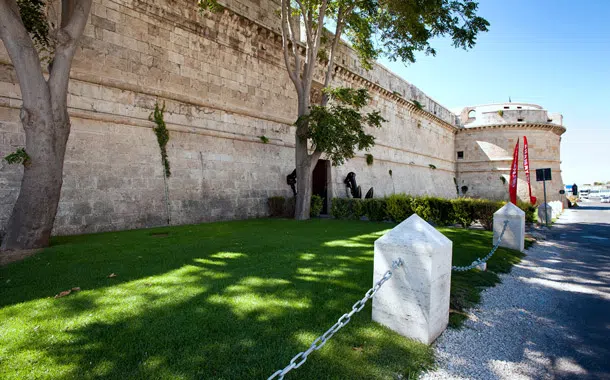
The port town of Civitavecchia is about an hour away from the Italian capital and is where ships will dock before bringing lucky holidaymakers into the city of Rome. It is an important port for cruise ships and ferries, connecting to Corsica, Sardinia and Barcelona. Civitavecchia is a town in the heart of Lazio. It is a small, sleepy town that overlooks the sea from behind the busy and chaotic commercial port.
Spreading out along the coast, the town is situated between the Mignon river to the north and the Marangone river to the south.
Civitavecchia is a port town in the heart of Italy, in the province of Rome, 80 kilometres northwest of the capital.
It is shrouded in art and history, and is rich in bays and coves with sandy and rocky beaches. Today the town is the departure point for many cruises and journeys around the Mediterranean. It is an excellent tourist destination where you can simply enjoy 'la dolce vita' or visit the amazing historical monuments. On a level with the majestic ancient capital, in terms of its monuments, gardens, villas and works of art, it also gives you easy access to the Tyrrhenian Sea, the Terme della Ficoncella, and the Etruscan ruins.
Civitavecchia will guarantee you an original and enchanting experience.
Amalfi
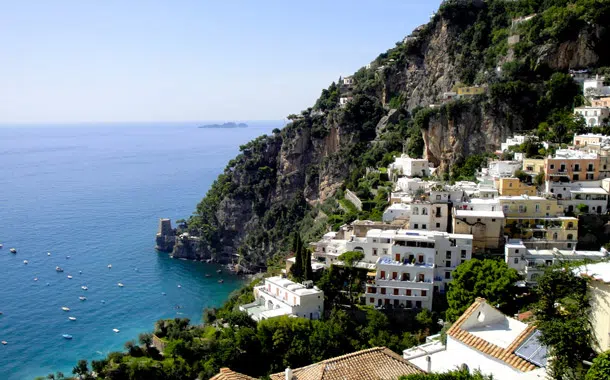
Terraced cliffs with fragrant lemon groves mirrored down in shimmering seas; whitewashed villas precariously clinging to the harsh slopes while sea and sky merge into a vast blue horizon.
Terraced cliffs with fragrant lemon groves mirrored down in shimmering seas; whitewashed villas precariously clinging to the harsh slopes while sea and sky merge into a vast blue horizon.
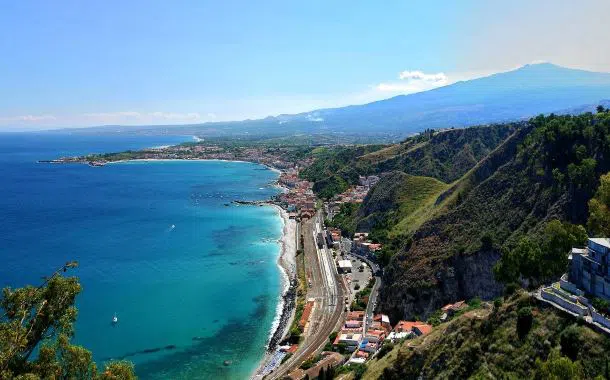
Giardini-Naxos
Giardini-Naxos (Giaddini or Giaddina in Sicilian) is an Italian municipality in the province of Messina in Sicily. Formerly called Nasso, it is 40 km from Messina and 39 km from Catania. In 1978, "Naxos" was added to the old name of the town ("Giardini").
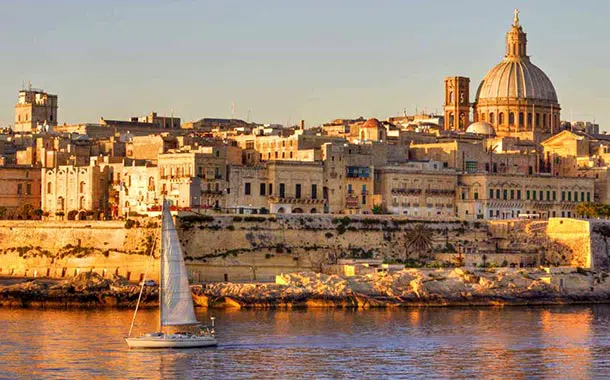
Valletta
Malta is one the smallest States in the Mediterranean. Few European countries have such a concentration of history, architecture and, beautiful beaches in such a small area. Malta is one of the most concentrated areas of historical interest anywhere in the world, for this reason it was called La Valletta when Unesco awarded it the title of World Heritage Site. The city is therefore the ideal city for art lovers and it is renowned for its massive fortifications and architectural excellence.One of the most concentrated areas of historical interest elements in the world, so La Valletta was described when Unesco awarded it the title of world heritage site, the city is therefore a guarantee for art lovers and certainly renowned for its massive fortifications and architectural excellence.
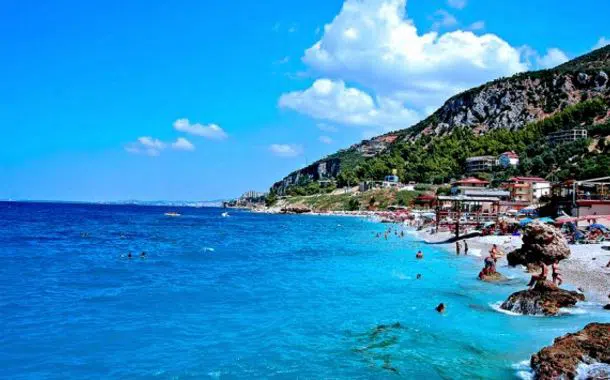
Saranda
Located in the extreme south-west of Albania along the Ionian Sea, opposite the Greek island of Corfu, Saranda is a popular Albanian city, one of the most important tourist cities on the Ionian coast.
The most welcoming and tourist city in Albania, draped along a curved bay with a thin strip of beach. The city developed in antiquity, from the 2nd and 3rd centuries AD, archaeological excavations have revealed the remains in the center of the metropolis.
Despite its lack of popularity, it has a fascinating heritage: a promenade decorated with palm and eucalyptus trees, surrounded by numerous clubs.
The beaches also offer the opportunity to practice numerous water activities.
One of the most beautiful beaches is Kakome Bay north of Seranda: The beach is huge, absolutely stunning.
Blue Eye is a lagoon, so called thanks to its turquoise shades similar to the color of the iris of an eye. At 45 meters deep, the water is incredibly transparent.
Ksamil is a small village near Saranda (15 km) and also has a beautiful beach surrounded by small islands accessible by swimming.
Castle Lekures dating back to the 16th century is located on the hills of Saranda and offers panoramic views of the Ionian Sea. The dominant position of the castle was a strategic point for protecting the city from invasions: on one side the sea and on the other a large tray suitable for cultivation and breeding. The castle has a splendid terrace and a restaurant. It is reachable by car or on foot.
The Butrint National Heritage Park World Heritage by UNESCO, is a natural park, rich in wildlife such as foxes, reptiles, martens, seals, turtles and various birds. The climate is mild and sunny for most of the year. The economy of the city of Saranda is mainly based on agricultural products from the Valtos valley, on the cultivation of mussels from the salt lake of Vouthrotos (Butrint).
In addition to the slow and constant growth of tourism, fishing is another source of wealth.
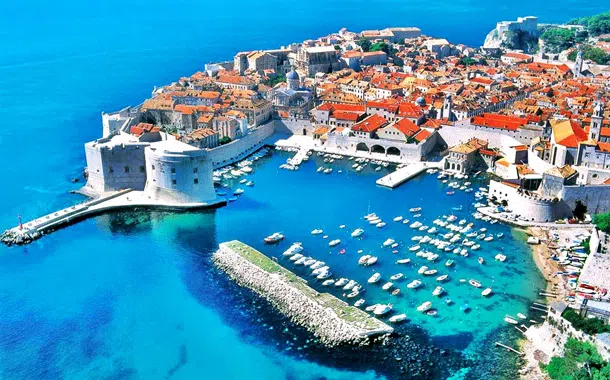
Dubrovnik
Dubrovnik is definitely special. A magnificent curtain wall surrounds marble streets and Baroque buildings exude a pearly light in the Adriatic sun.
Picturesque and artistic, Dubrovnik is a tourist hotspot and port in southern Dalmatia, at the foot of the Srđ mountain. From a historical and cultural point of view, it has been included in the list of UNESCO World Heritage Sites.
Thanks to its beauty and everything it has on offer for tourists, Dubrovnik is one of the most attractive destinations in the Mediterranean, so much so that the city can be visited all year round. In addition to its world-famous architectural heritage, this place has beautiful rocky beaches, pebble beaches and sandy beaches, enjoys a Mediterranean climate and also has lush vegetation. The main pedestrian street, Placa, is a melange of cafes and shops with monuments at each end.
Churches, monasteries and museums adorned with finely carved stone, recall an eventful history and a rich artistic tradition. Beyond the city there is a paradise of beaches, wooded peninsulas and a crystal-clear sea dotted with lush islands.
The city is also known for its delicious cuisine and its infrastructure of hotels for tourists. The city offers a wide selection of first-class restaurants, numerous sport and leisure activities, as well as cultural and entertainment events
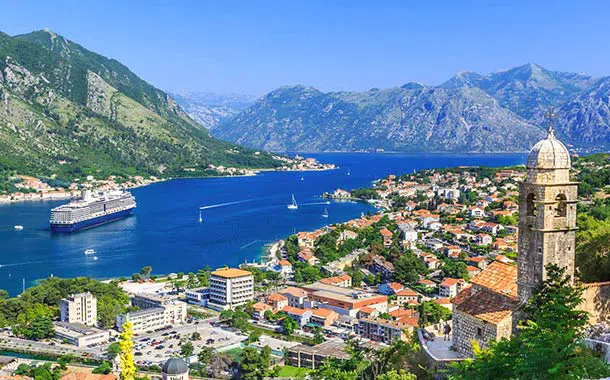
Kotor
The Adriatic Sea penetrates the jagged coast of Montenegro and winds between high mountains until it meets the exquisite and walled medieval city of Kotor.
Along the Adriatic coast of the former Yugoslavia, we find one of the most unique and fascinating European coastal areas, the city hidden in Montenegro, Kotor.
Located at the bottom of a bay, the beautiful medieval city of Kotor is considered a Mediterranean location surrounded by cliffs and an interesting historic wall. The tourist attractions of Kotor are easily reached with a pleasant walk. This small walled city, declared a UNESCO World Heritage Site, has compact dimensions that make it comfortable and easy to visit.
The central part of Kotor was built between the XII and XIV centuries. A historic center surrounded by a rather thick wall, four and a half kilometers long and fifteen meters high. This immense fortified wall reaches the bastion of Sveti Ivan (San Giovanni).
Inside the walls, it preserves an urban network cut into the stone. Its most emblematic work is the Cathedral of San Trifone, built in the 12th century. Inside the church it contains objects and frescoes sculpted during the 14th century. Furthermore, The Orthodox Church of San Nicolas, built between 1902 and 1909 in neo-Byzantine style and that of San Luca (13th century) built in Romanesque and Byzantine style.
Together with the churches, the city includes many palaces that tell its history: the Maritime Museum, located in the Grgurina Palace, a splendid baroque building located in the historic center of the country. The Drago house, with its beautiful Gothic windows, the Prima building, where Renaissance and Baroque lines are combined, the Ducal Palace and the Bizanti, both from the 17th century and the Napoleonic theater in the 19th century.
In Kotor, it is very common to see locals located along the rocky coast in the lower part of the city. In the old part of the area you will find many shops and restaurants that will delight your eyes. This location is the classic ideal city to spend quiet days or for a romantic getaway.
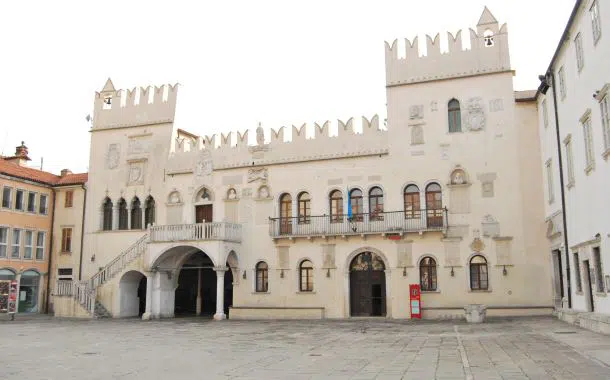
Koper
Koper (in Slovenian Koper, in Croatian Kopar, in German Gafers) is a city in Slovenia with 24,864 inhabitants, the capital of the Municipality of Koper (53,322 inhabitants) and the country's main port; it overlooks the Adriatic Sea. Among the main places of interest in Koper are the Praetorian Palace from the 15th century, in Venetian Gothic style, the Carmine Rotunda church from the 12th century, and the cathedral of San Nazario with its bell tower (55 m) from the 14th century. Koper is a bishopric with the Diocese of Koper, a suffragan of the Archdiocese of Ljubljana.
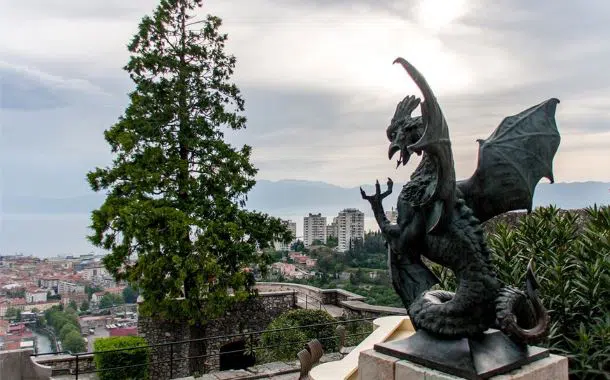
Rijeka
Rijeka is a Croatian seaport and city located in the Gulf of Kvarner, on the Adriatic coast. It is the third largest city in the country.
Before being annexed to the Yugoslav Republic in the twentieth century, it underwent Austro-Hungarian and later Italian dominations at the end of the nineteenth century. Today, the country has an excellent shipbuilding industry.
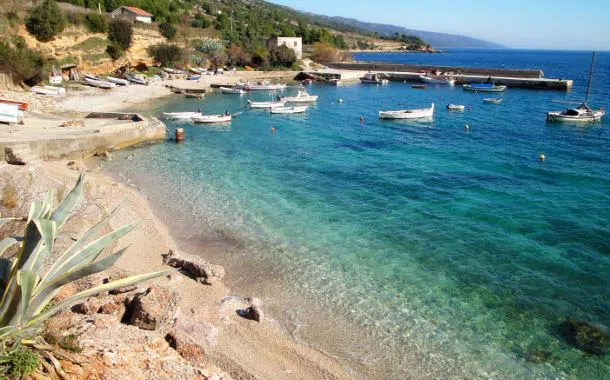
Hvar
Located on the Adriatic Sea, the island of Lesina is one of the largest islands overlooking the Croatian coast. An ancient city with a rich past, it is located on the west side of the island, towards the south. A popular tourist destination, not only in summer but also in spring and autumn, it becomes the most visited destination in Croatia.
During your stay in Lesina, you can discover the richness of its natural heritage: the island is well-equipped with a series of caves, some of which are completely uninhabited.
Do not forget to visit the various monuments such as the imposing fortress, built in the early 16th century and restored in 1579, following an explosion, which offers extraordinary panoramic views of the city of Lesina and the Pakleni islands. Other significant monuments are: The Cathedral of San Stjepan, located on the east side of the main square of the city, the Arsenal, the oldest public theater built in 1612, the Franciscan monastery, now a museum and gallery of rarities, and many other works that testify to the turbulent past of the Nation. In this country, you will find a transparent and crystalline sea with small beaches of sand and rocks. In front of the bay of Lesina you will find the "Infernal" islands, where you will meet the most beautiful beaches.
The city is connected to the islands by regular ferry lines. Sports and leisure lovers can go trekking, scuba diving, numerous water activities, walking, playing football, handball, volleyball, basketball, and tennis. The nightlife of the city of Hvar is more active in Dalmatia. You can relax among enchanting beaches, watching shows, exhibitions, concerts, musical, and folklore events.
Korcula
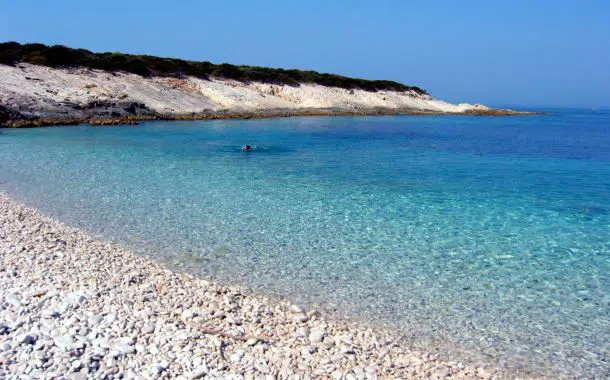
The island of Korcula is known for its vineyards and berry fruits, but the most interesting part is certainly its city. Although less known than other municipalities in Dalmatia, it is certainly one of the most beautiful places in Croatia. Located on a peninsula, between stone buildings and defensive towers, Korcula has maintained its original appearance. The metropolis was created in a very ingenious way, the plan of its streets is arranged in a herringbone pattern, the spine is the main road that passes in front of the cathedral, then these lanes of the road meet the sea on both sides. Entering the oldest district, through a magnificent staircase, you will reach the great Revelin tower. Passing through the door, you arrive on the main road that leads to the Basilica of San Marco. You will notice on the facade the superb rose window carved with fantastic motifs, such as dragons and mermaids. The ball clock, with its colored shades, indicates the different phases of the moon. The city has many other monuments to visit. Most are located around Piazza San Marco, dominated by the cathedral of the same name. Korcula boasts of being the birthplace of the famous Marco Polo. Legend or reality? Hard to say. In any case, it is possible to visit his alleged home... Otherwise, you can admire the Church of All Saints of the XIV century, or the Church of San Michele of the XVIII century. Its beaches are considered the most beautiful in Croatia, but don't expect kilometers of sandy beaches, because they are small pebbles of secluded and rocky beaches, but still perfect for swimming or sunbathing in total relaxation.
Dubrovnik
Dubrovnik is definitely special. A magnificent curtain wall surrounds marble streets and Baroque buildings exude a pearly light in the Adriatic sun.
Picturesque and artistic, Dubrovnik is a tourist hotspot and port in southern Dalmatia, at the foot of the Srđ mountain. From a historical and cultural point of view, it has been included in the list of UNESCO World Heritage Sites.
Thanks to its beauty and everything it has on offer for tourists, Dubrovnik is one of the most attractive destinations in the Mediterranean, so much so that the city can be visited all year round. In addition to its world-famous architectural heritage, this place has beautiful rocky beaches, pebble beaches and sandy beaches, enjoys a Mediterranean climate and also has lush vegetation. The main pedestrian street, Placa, is a melange of cafes and shops with monuments at each end.
Churches, monasteries and museums adorned with finely carved stone, recall an eventful history and a rich artistic tradition. Beyond the city there is a paradise of beaches, wooded peninsulas and a crystal-clear sea dotted with lush islands.
The city is also known for its delicious cuisine and its infrastructure of hotels for tourists. The city offers a wide selection of first-class restaurants, numerous sport and leisure activities, as well as cultural and entertainment events
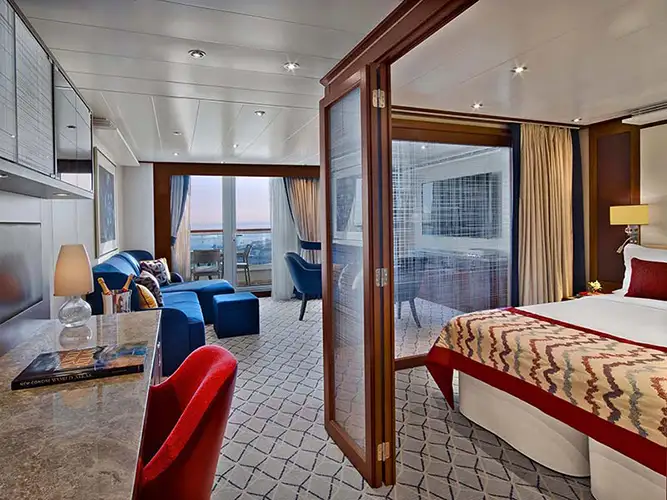
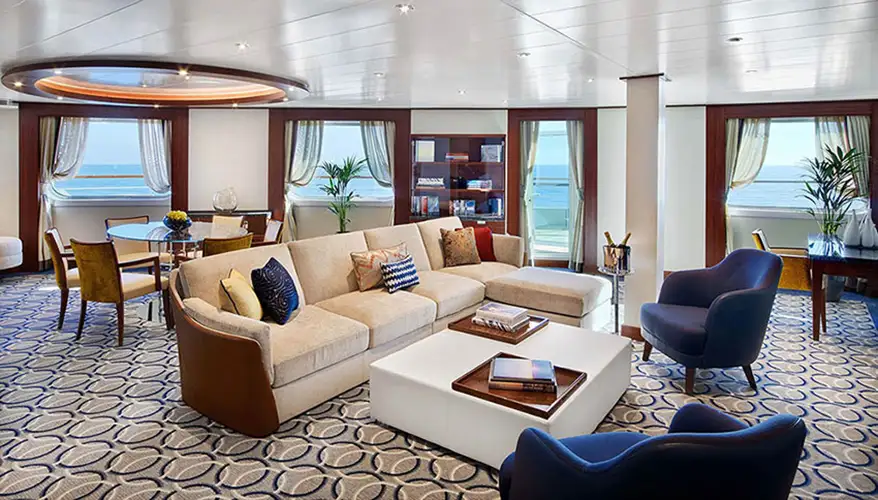
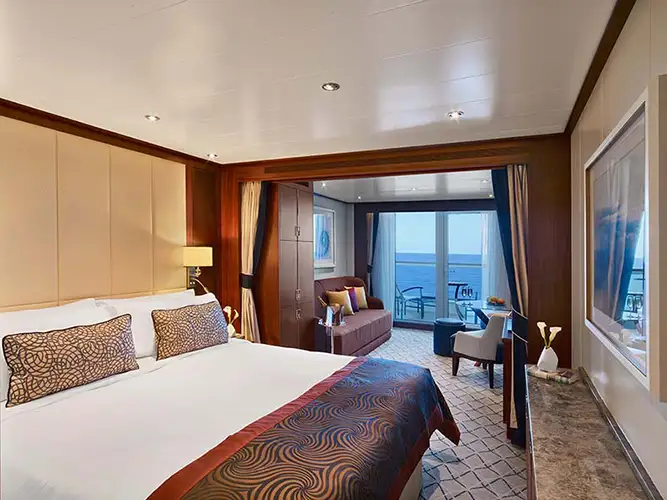
Info on the ship Seabourn Ovation