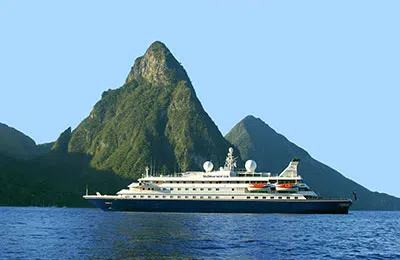
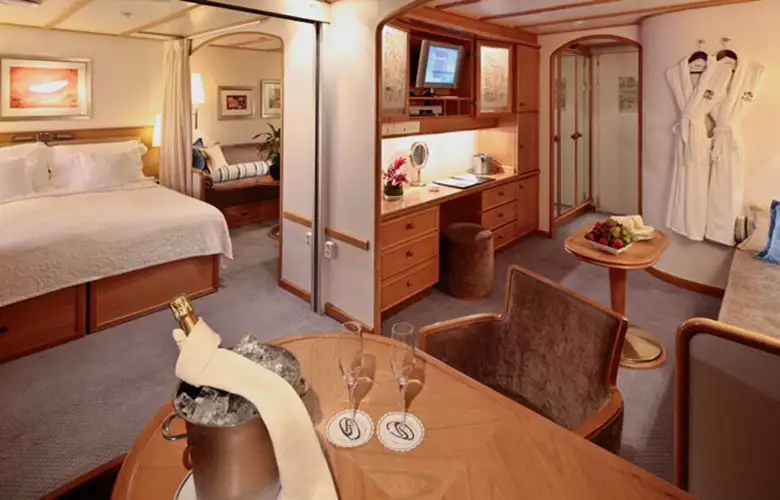
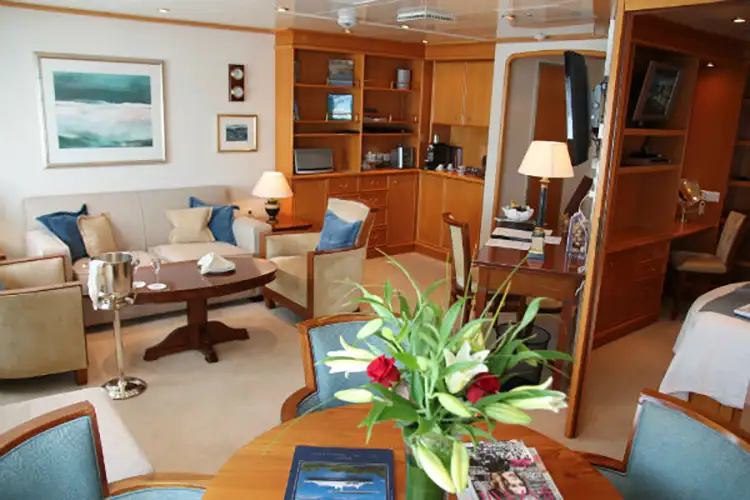
SeaDream Yacht Club Northern Europe: 10 nights from Dublin with SeaDream II
Sep 4, 2028
Ireland, United Kingdom, Jersey, France


Cruise itinerary
Departure Port: Dublin ➞
Landing: Bordeaux
-
 Monday, September 4, 2028 - not foundDublin
-
Tuesday, September 5, 2028 not found - not foundWaterford
-
Wednesday, September 6, 2028 not found - not foundCork
-
Thursday, September 7, 2028 not found - not foundKinsale
-
 Friday, September 8, 2028Navigation
 -
Saturday, September 9, 2028 not found - not foundFowey
-
Sunday, September 10, 2028 not found - not foundSaint Helier
-
Monday, September 11, 2028 not found - not foundDouarnenez
-
Tuesday, September 12, 2028 not found - not foundBelle Île
-
Wednesday, September 13, 2028 not found - not foundBordeaux
-
Thursday, September 14, 2028 not foundBordeaux
Dublin
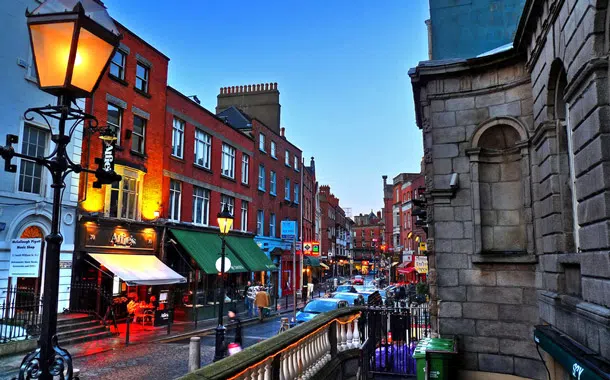
Dublin has a powerful aura and if it captures you, you will always be left wanting more. This is a great thing for a small capital.
Today, Dublin has one of the youngest populations in Europe, who frequent funky bars, sophisticated restaurants and the renovated city streets. However, in the contemporary urban landscape of Dublin it is still possible to find traditional pubs, nostalgic museums and even horse-drawn carts to take you down cobblestone streets.
Meanwhile, a myriad of historic attractions and museums, including Trinity College, Ireland's oldest university, and the Guinness Storehouse, make you feel like you are reliving history of this wonderful city.
Waterford
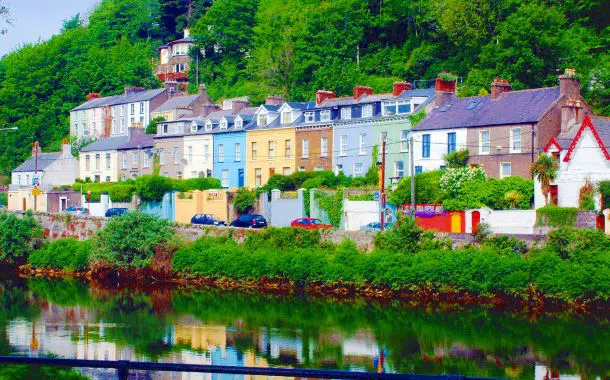
Cork
For a small town, Cork and full of resources!
Cork is the second largest city in Ireland after the capital Dublin. In recent years the citadel has undergone a major restyling and many restoration works, obtaining the title of European Capital of Culture in 2005. Divided in half by a river, as well as being beautiful it is also easy to get around. We recommend a walk along the banks of the Lee, especially at sunset, it will give you a truly fascinating show. Cork is a port city that has played a primary role in the history of Ireland. Once the transatlantic routes in this area were very numerous. Cobh, located in the back a few kilometers from the city, left thousands of Irish people fleeing from misery from the great famine in the years 1849-1850, a tragic episode that marked the collective memory causing the Irish diaspora in America. The small village is the image of Ireland as a whole, which has become cosmopolitan and attractive in a new look obtained in a few years. The largest zoo in Ireland is located at Fota Island, just 15 minutes from the city center. Patrick Street is a great street ideal for shopping, where you can satisfy your cravings. A little to the left, towards the Lee, you will see the renovated Crawford, an interesting contemporary art gallery. The English Market is a must for the search for local craftsmanship. Fans of pasteurized hops will be happy to know that they can visit the Beamish brewery, even if it is no longer active. Finally, don't miss the other side of the river, the historic church of Saint Anne Shandon (St. Anne's Church, Shandon Church).
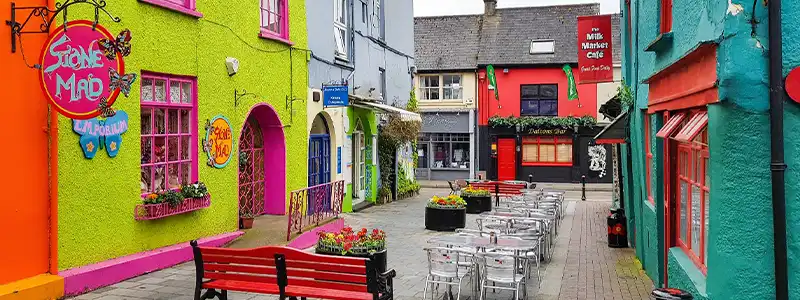
Kinsale
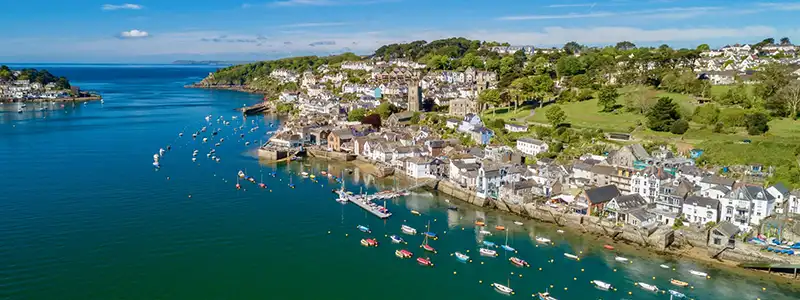
Fowey
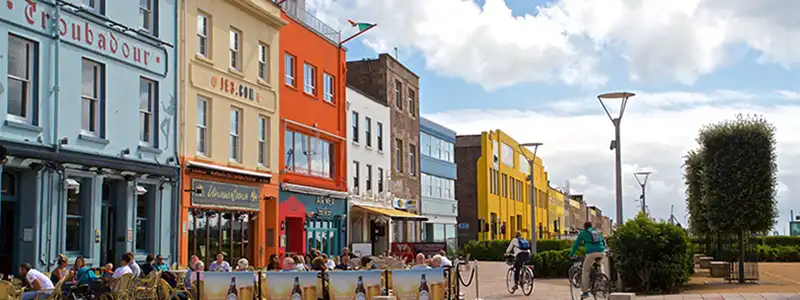
Saint Helier

Douarnenez
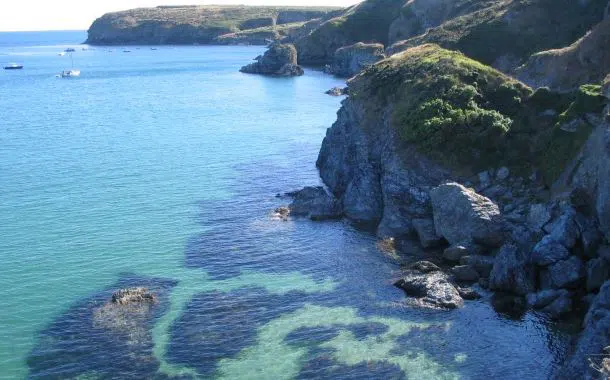
Belle Île
Belle-Île or Belle-Île-en-Mer (ar Gerveur in modern Breton and Guedel in ancient Breton) is a French island off the coast of Brittany. It is the largest of the islands of Brittany and is located 14 km from the Quiberon peninsula. Administratively the island forms the Canton of Belle-Île which in turn is divided into four municipalities: Bangor, Le Palais, Locmaria, Sauzon.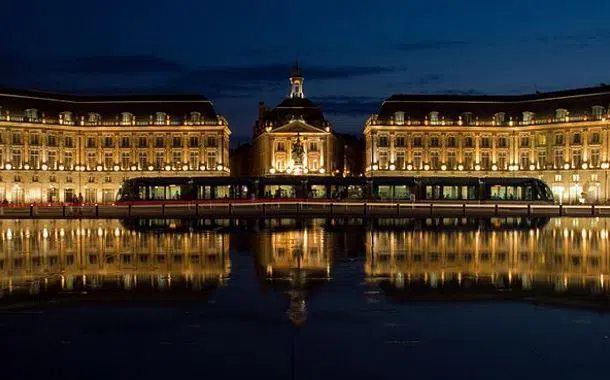
Bordeaux
Bordeaux is city on the Atlantic Ocean and its port hosts big ships. The city had initially the name Burdigala and was established in III Century B.C. by the Gallic people.
It was a neuralgic centre for the International commerce of tin and lead. After the arrival of the Romans, Bordeaux becomes one of the richest cities of Gallia and is robbed many times by populations such as Visigoths and Vandals. With the passing of time, the City starts economic relationships with England trading in salt and wine and, in XVI Century, also the colonial sugar and slaves start having a leading role in the sustenance of the city.
Bordeaux has a liveable city centre that can be visited by foot and that offers beautiful attractions and energy. At night, the city get crowded with young people filling up the main squares and the bars where you can taste excellent wines and plunge in the romantic atmosphere that the city assumes after the sunset. You can’t miss out Château de la Brède, a gothic style castle dated back to XIV Century, surrounded by a moat and an English garden. The philosopher Montesquieu lived here and tourists can visit his library and his bedroom that are just like they were in XIX Century.
We suggest to visit also the beautiful Saint Eloi Church. Established in XII Century, the construction and renovation works lasted until 1400’s. The current structure is dated back to this period. The church is one of the stop-overs of Santiago de Compostela walking tour and is part of UNESCO World Heritage. Bordeaux offers a wide variety of gastronomic and wine choices. There are many restaurants and bars where you can taste the best wines on the market and an amazing cuisine.
Bordeaux
Bordeaux is city on the Atlantic Ocean and its port hosts big ships. The city had initially the name Burdigala and was established in III Century B.C. by the Gallic people.
It was a neuralgic centre for the International commerce of tin and lead. After the arrival of the Romans, Bordeaux becomes one of the richest cities of Gallia and is robbed many times by populations such as Visigoths and Vandals. With the passing of time, the City starts economic relationships with England trading in salt and wine and, in XVI Century, also the colonial sugar and slaves start having a leading role in the sustenance of the city.
Bordeaux has a liveable city centre that can be visited by foot and that offers beautiful attractions and energy. At night, the city get crowded with young people filling up the main squares and the bars where you can taste excellent wines and plunge in the romantic atmosphere that the city assumes after the sunset. You can’t miss out Château de la Brède, a gothic style castle dated back to XIV Century, surrounded by a moat and an English garden. The philosopher Montesquieu lived here and tourists can visit his library and his bedroom that are just like they were in XIX Century.
We suggest to visit also the beautiful Saint Eloi Church. Established in XII Century, the construction and renovation works lasted until 1400’s. The current structure is dated back to this period. The church is one of the stop-overs of Santiago de Compostela walking tour and is part of UNESCO World Heritage. Bordeaux offers a wide variety of gastronomic and wine choices. There are many restaurants and bars where you can taste the best wines on the market and an amazing cuisine.
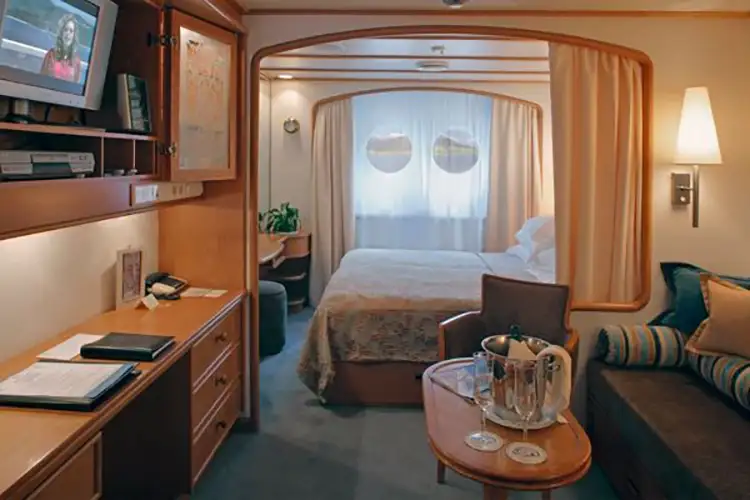
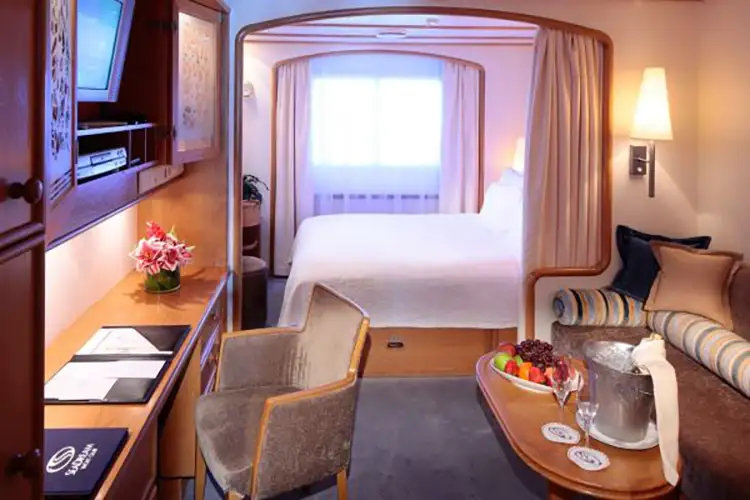
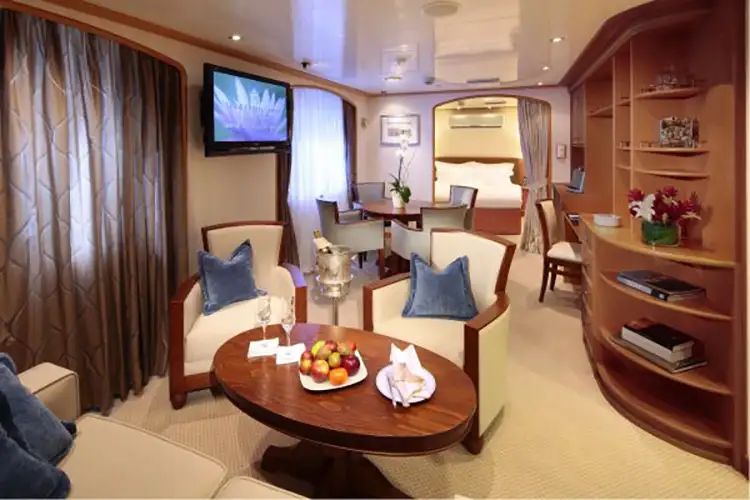
Info on the ship SeaDream II