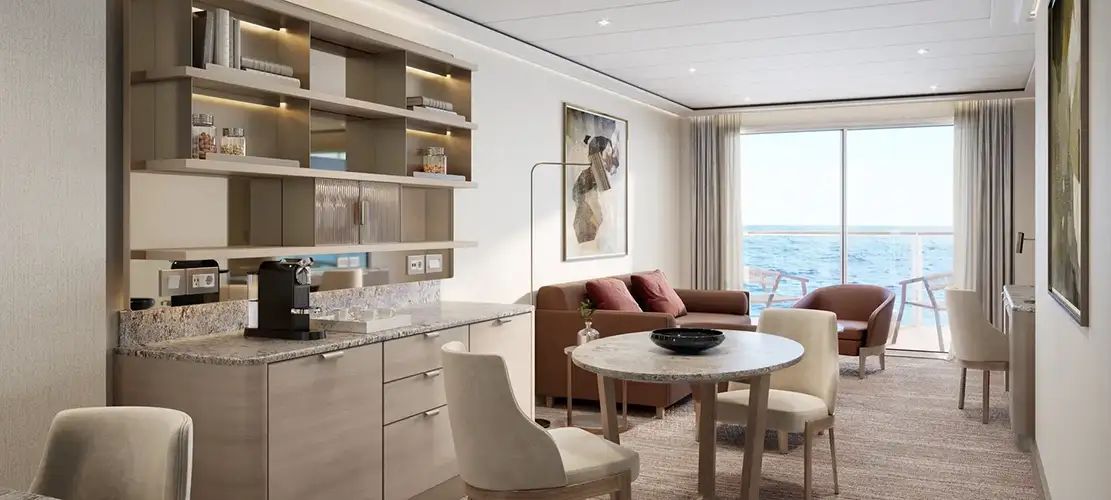
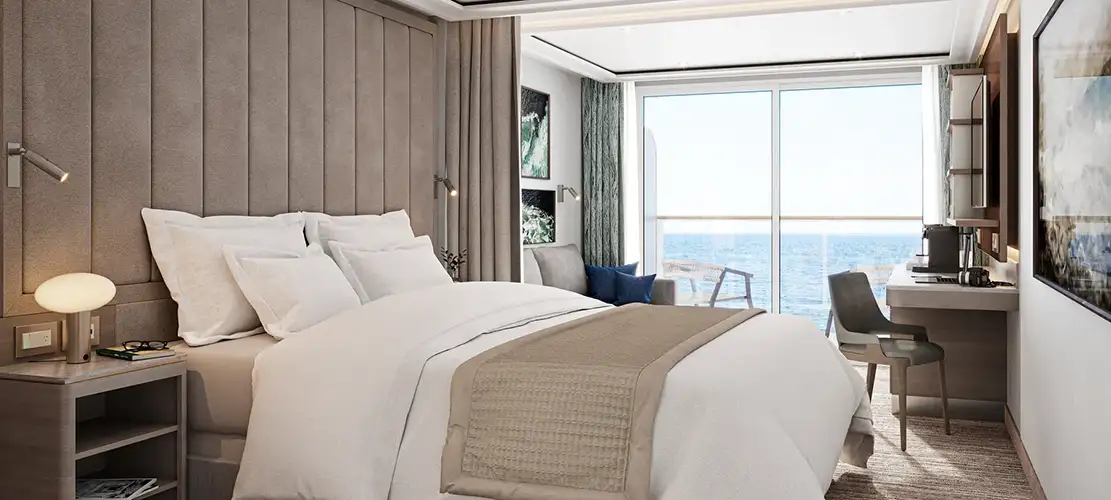
Silversea Northern Europe: 15 nights from Copenaghen with Silver Nova
Sep 9, 2028
Denmark, France, Guernsey, Spain, Portugal


Cruise itinerary
Departure Port: Copenaghen ➞
Landing: Lisbon
-
 Saturday, September 9, 2028 - 6:00 PMCopenaghen
-
 Sunday, September 10, 2028Navigation
 -
Monday, September 11, 2028Navigation
-
Tuesday, September 12, 2028 7:00 AM - 6:00 PMHonfleur
-
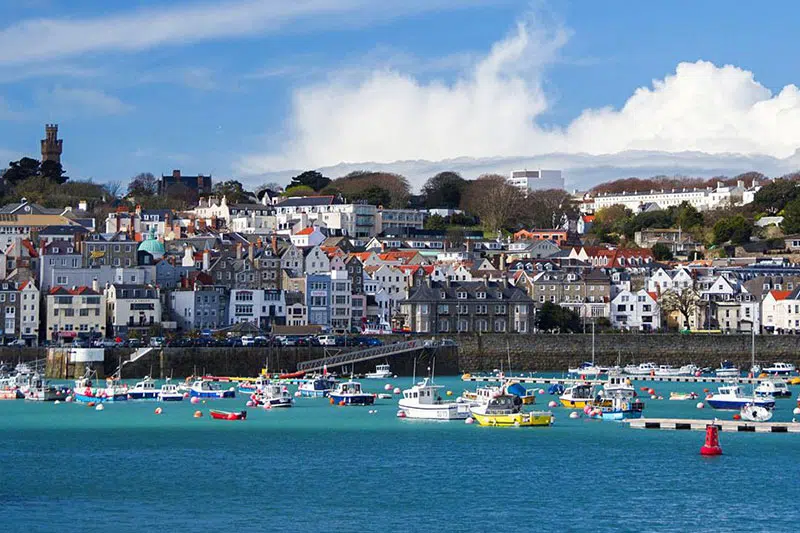
Wednesday, September 13, 2028 8:00 AM - 6:00 PMSaint Peter Port
-
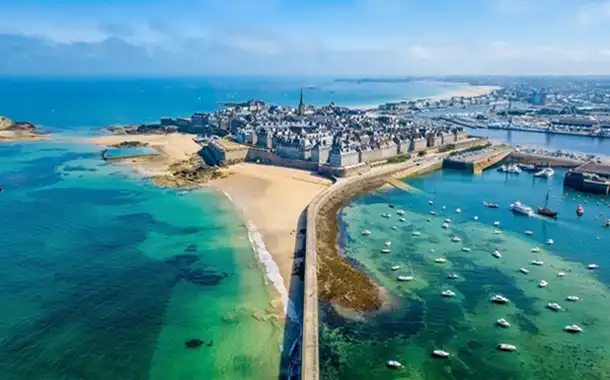
Thursday, September 14, 2028 7:00 AM - 7:00 PMSt Malo
-
Friday, September 15, 2028Navigation
-
Saturday, September 16, 2028 6:45 AM - not foundBordeaux
-
Sunday, September 17, 2028 not found - not foundBordeaux
-
Monday, September 18, 2028 not found - 7:30 PMBordeaux
-
Tuesday, September 19, 2028 11:30 AM - 10:30 PMBilbao
-
Wednesday, September 20, 2028Navigation
-
Thursday, September 21, 2028 8:00 AM - 5:00 PMVigo
-
Friday, September 22, 2028 7:00 AM - 6:00 PMLeixoes
-
Saturday, September 23, 2028Navigation
-
Sunday, September 24, 2028 7:00 AMLisbon
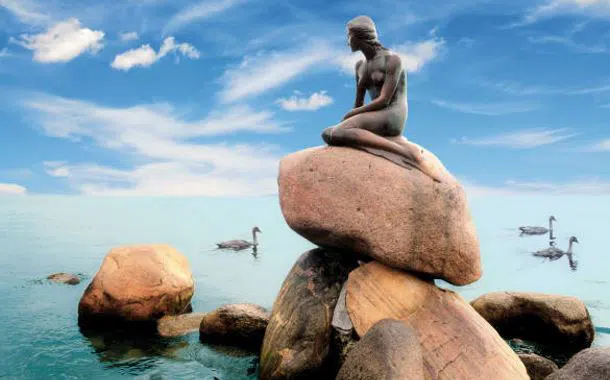
Copenaghen
Copenhagen, literally "port of the merchants", is the capital of Denmark and one of the country's most densely populated cities. Originally a city mainly inhabited by fishermen, it became a fundamentally important port for trade.
Copenhagen is a year-round tourist destination and in summer the flow of tourists increases considerably thanks to Northern Europe cruises.
It is very common to add a stay in the city before a cruise, to take in its distinguishing relaxing atmosphere and see what it has to offer. Among its famous attractions you cannot miss the statue of the Mermaid which is located right at the entrance to the port and the Tivoli Gardens, one of the world's largest amusement parks, opened in 1843 and loved by everyone.
Copenhagen (København in Danish and 'Copenaga' in Italian [no source]) is the capital and the most populous city of Denmark with 518,574 inhabitants in the municipality (1,167,569 in the urban area). The city stretches across the islands of Sjælland and Amager and is separated from the city of Malmö in Sweden by the strait of Øresund.
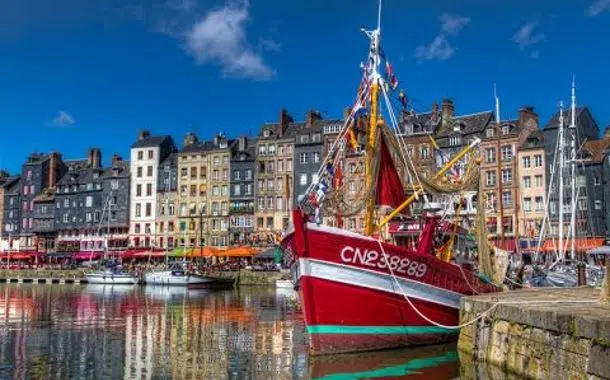
Honfleur
Honfleur is a French city located in Lower Normandy. In the past it was Norman, English and finally French property and had an economic boom at the end of the Hundred Years' War.
In the 17th century, Honfleur was enriched thanks to trade with Canada, the Antilles, Africa, and the Azores and was one of the main ports for the slave trade. One of the most characteristic aspects of the city are the houses that overlook the Seine, giving the impression of being in front of an Impressionist painting. It is no coincidence that some of the greatest painters, such as Monet, Courbet, and Boudin, chose it as a destination where to find inspiration. The cultural and architectural heritage of Honfleur includes churches and museums, including the Musée de Vieux Honfleur, which collects the enterprises of local travelers or the Eugène Boudin Museum, where there are paintings by local painters dating from the 19th to the 20th century. Honfleur is a town and measure of man and between alleys and cobbled streets, it encloses a unique allure.
Saint Peter Port
St Malo
Bordeaux
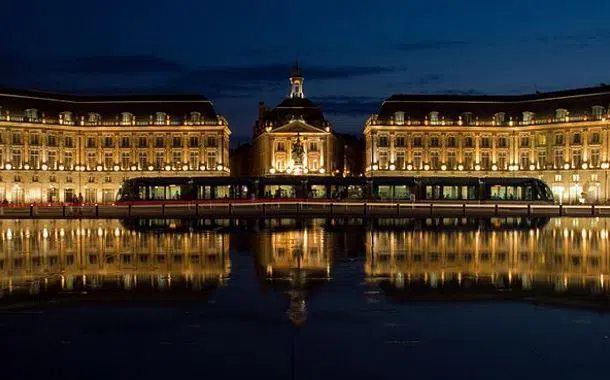
Bordeaux is city on the Atlantic Ocean and its port hosts big ships. The city had initially the name Burdigala and was established in III Century B.C. by the Gallic people.
It was a neuralgic centre for the International commerce of tin and lead. After the arrival of the Romans, Bordeaux becomes one of the richest cities of Gallia and is robbed many times by populations such as Visigoths and Vandals. With the passing of time, the City starts economic relationships with England trading in salt and wine and, in XVI Century, also the colonial sugar and slaves start having a leading role in the sustenance of the city.
Bordeaux has a liveable city centre that can be visited by foot and that offers beautiful attractions and energy. At night, the city get crowded with young people filling up the main squares and the bars where you can taste excellent wines and plunge in the romantic atmosphere that the city assumes after the sunset. You can’t miss out Château de la Brède, a gothic style castle dated back to XIV Century, surrounded by a moat and an English garden. The philosopher Montesquieu lived here and tourists can visit his library and his bedroom that are just like they were in XIX Century.
We suggest to visit also the beautiful Saint Eloi Church. Established in XII Century, the construction and renovation works lasted until 1400’s. The current structure is dated back to this period. The church is one of the stop-overs of Santiago de Compostela walking tour and is part of UNESCO World Heritage. Bordeaux offers a wide variety of gastronomic and wine choices. There are many restaurants and bars where you can taste the best wines on the market and an amazing cuisine.
Bordeaux
Bordeaux is city on the Atlantic Ocean and its port hosts big ships. The city had initially the name Burdigala and was established in III Century B.C. by the Gallic people.
It was a neuralgic centre for the International commerce of tin and lead. After the arrival of the Romans, Bordeaux becomes one of the richest cities of Gallia and is robbed many times by populations such as Visigoths and Vandals. With the passing of time, the City starts economic relationships with England trading in salt and wine and, in XVI Century, also the colonial sugar and slaves start having a leading role in the sustenance of the city.
Bordeaux has a liveable city centre that can be visited by foot and that offers beautiful attractions and energy. At night, the city get crowded with young people filling up the main squares and the bars where you can taste excellent wines and plunge in the romantic atmosphere that the city assumes after the sunset. You can’t miss out Château de la Brède, a gothic style castle dated back to XIV Century, surrounded by a moat and an English garden. The philosopher Montesquieu lived here and tourists can visit his library and his bedroom that are just like they were in XIX Century.
We suggest to visit also the beautiful Saint Eloi Church. Established in XII Century, the construction and renovation works lasted until 1400’s. The current structure is dated back to this period. The church is one of the stop-overs of Santiago de Compostela walking tour and is part of UNESCO World Heritage. Bordeaux offers a wide variety of gastronomic and wine choices. There are many restaurants and bars where you can taste the best wines on the market and an amazing cuisine.
Bordeaux
Bordeaux is city on the Atlantic Ocean and its port hosts big ships. The city had initially the name Burdigala and was established in III Century B.C. by the Gallic people.
It was a neuralgic centre for the International commerce of tin and lead. After the arrival of the Romans, Bordeaux becomes one of the richest cities of Gallia and is robbed many times by populations such as Visigoths and Vandals. With the passing of time, the City starts economic relationships with England trading in salt and wine and, in XVI Century, also the colonial sugar and slaves start having a leading role in the sustenance of the city.
Bordeaux has a liveable city centre that can be visited by foot and that offers beautiful attractions and energy. At night, the city get crowded with young people filling up the main squares and the bars where you can taste excellent wines and plunge in the romantic atmosphere that the city assumes after the sunset. You can’t miss out Château de la Brède, a gothic style castle dated back to XIV Century, surrounded by a moat and an English garden. The philosopher Montesquieu lived here and tourists can visit his library and his bedroom that are just like they were in XIX Century.
We suggest to visit also the beautiful Saint Eloi Church. Established in XII Century, the construction and renovation works lasted until 1400’s. The current structure is dated back to this period. The church is one of the stop-overs of Santiago de Compostela walking tour and is part of UNESCO World Heritage. Bordeaux offers a wide variety of gastronomic and wine choices. There are many restaurants and bars where you can taste the best wines on the market and an amazing cuisine.
Bilbao
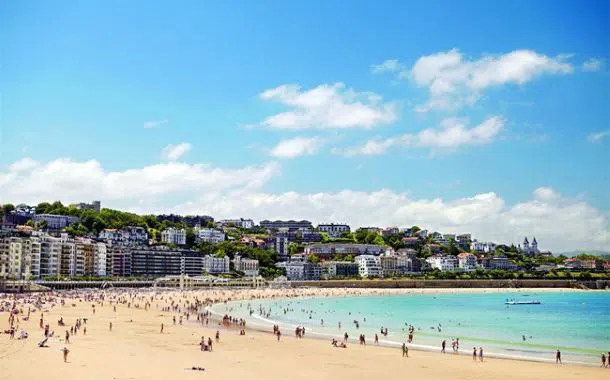
Bilbao, located on the Northern coast of Iberian Peninsula, is the ideal starting point to visit this area of Spain. Tourists come here to enjoy the beaches, discover its culture and absorb its mild climate. With one of Europe's largest ports, the vibrant city has been able to invest in a redevelopment plan, trasforming its brownfield sites into cutting-edge cultural and architectural venues.
But it is its historic center, which continues to fascinate with its stores, alleys and monuments. The city was officially founded in the 1300s, consolidating its economic position. Thanks to the exploitation of mining and steel industry areas, port and ship activity and its financial center, the city became one of the most important cities during the Industrial Revolution.
A modern and transportation network connects Bilbao to other cities in Spain. Thanks to its beautiful beaches, the city is the ideal destination for beach lovers. Beaches are not the only attractions in Bilbao, there are very fascinating places besides the beautiful beaches: the Cathedral of Santiago, located in the heart of the Old Town (Casco Viejo) is dedicated to the apostle Santiago, the official patron saint of the city of Bilbao since 1643.
Built at the end of the 14th century in the Gothic style, the neo-Gothic tower and façade were made by Severino Achúcarro in late 1887. The Old Bridge of San Antonio is located next to the church of the same name. Pablo de Alzola and Ernesto Hoffmeyer built a second bridge in 1877 but it was destroyed during the Civil War in 1937. San Antonio Bridge dates from the early 20th century, also known as the Atxuri Bridge, connecting the old neighborhood to the rest of the city. For nature lovers, the city is surrounded by a fertile landscape of forests, mountains, beaches, and cliffs that make Bilbao a tourist destination. A holiday aboard a cruise offers the opportunity to visit this beautiful city and partecipate in one of these unique activities.
Vigo
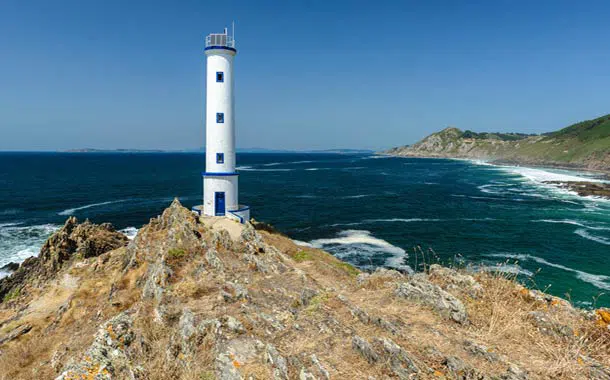
Spanish Atlantic Adventures from Vigo!Set sail on a captivating cruise from Vigo, Spain, a vibrant port city in Galicia, known for its stunning Rías Baixas, fresh seafood, and rich maritime history. Vigo offers a picturesque departure point for exploring the rugged beauty of the Galician coast, the Portuguese coastline, and Atlantic routes. Experience its lively atmosphere and culinary delights before embarking on a journey filled with historical discoveries and breathtaking ocean views.
Leixoes
Lisbon
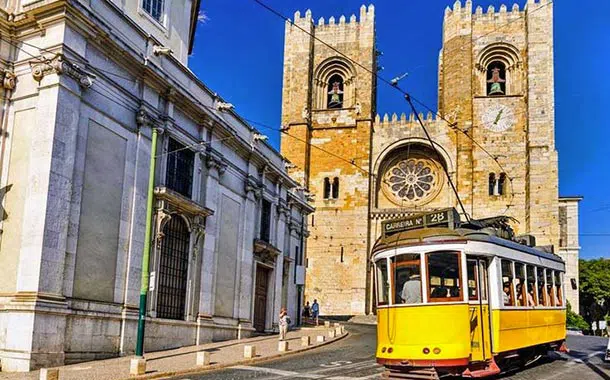
Perched on steep slopes overlooking the Tagus River, Lisbon offers all the pleasures you'd expect from Portugal's main attraction.
The capital of Portugal, Lisbon (in Portuguese Lisboa) has experienced a great rebirth in recent years, with a lively and flourishing contemporary culture. Perched on the coast of the Atlantic Ocean, Lisbon is one of the rare European cities that face the ocean and use water as an element that defines the city. Lisbon enchants travelers with its white limestone buildings, intimate alleys and an ancient charm that makes it a popular destination all year round.
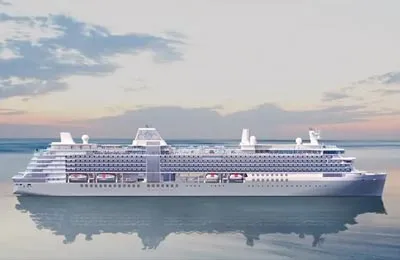
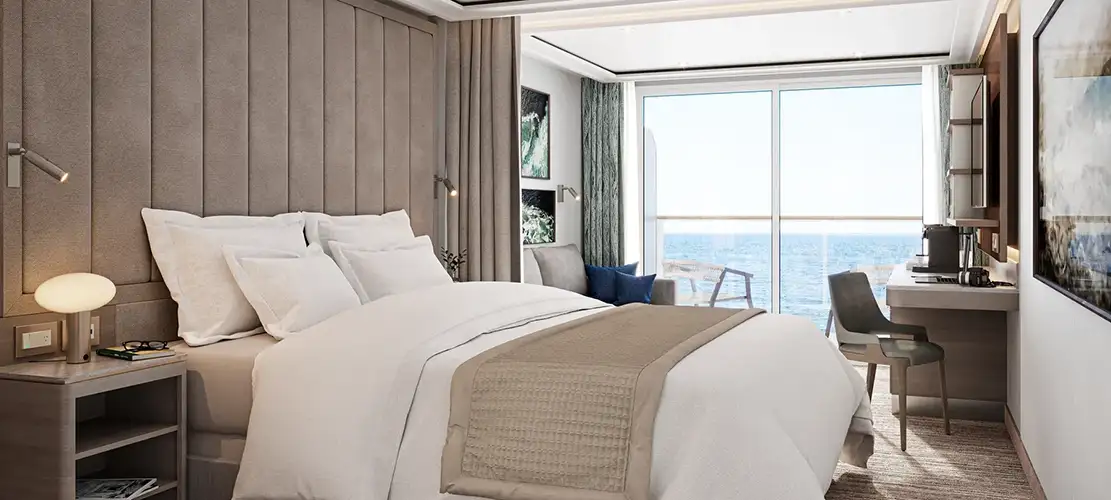
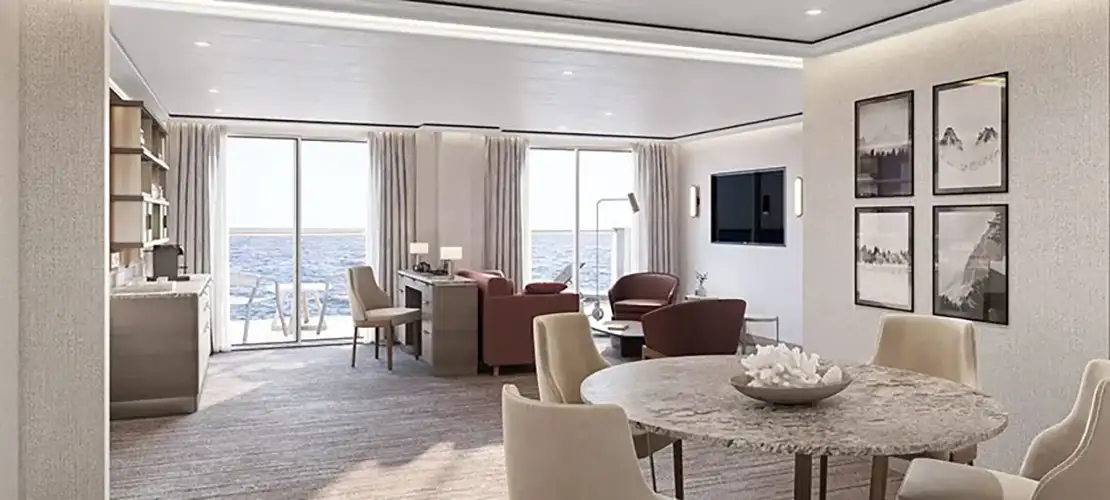
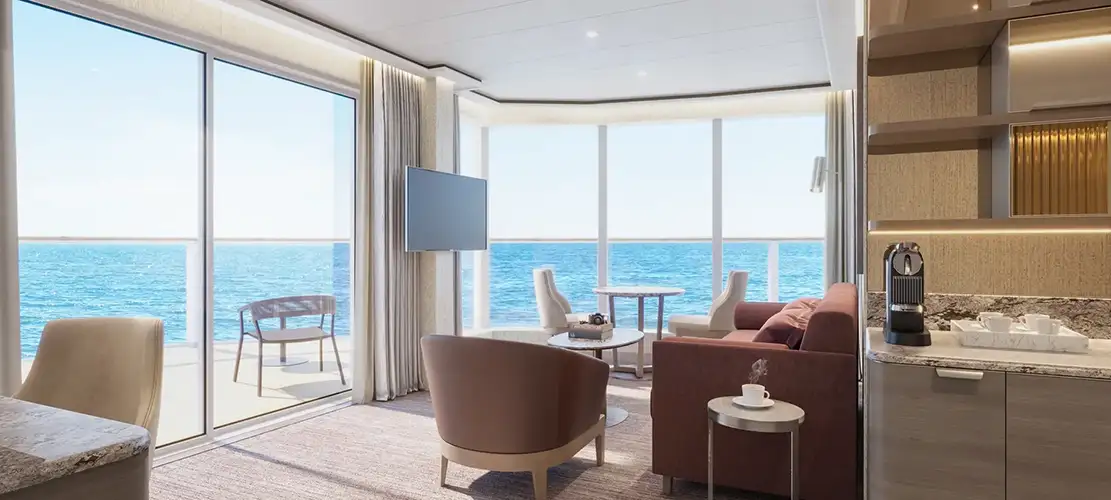
Info on the ship Silver Nova