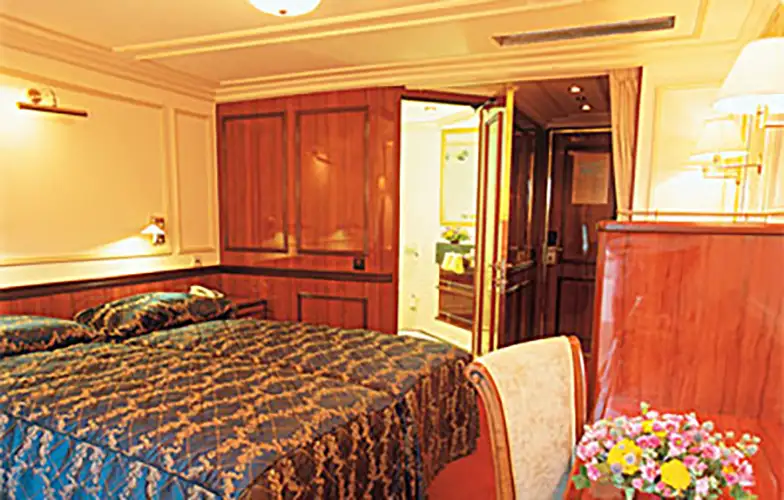
Star Clippers Greek islands: 9 nights from Civitavecchia with Royal Clipper
Sep 11, 2027
Italy, Greece


Cruise itinerary
Departure Port: Civitavecchia ➞
Landing: Athens
-
 Saturday, September 11, 2027 - not foundCivitavecchia
-
Sunday, September 12, 2027 not found - not foundPonza
-
Monday, September 13, 2027 not found - not foundLipari
-
Tuesday, September 14, 2027 not found - not foundTaormina
-
Wednesday, September 15, 2027 not found - not foundCrotone
-
Thursday, September 16, 2027 not found - not foundParga
-
Friday, September 17, 2027 not found - not foundKatakolon
-
Saturday, September 18, 2027 not found - not foundPylos
-
Sunday, September 19, 2027 not found - not foundMonemvasia
-
Monday, September 20, 2027 not foundAthens
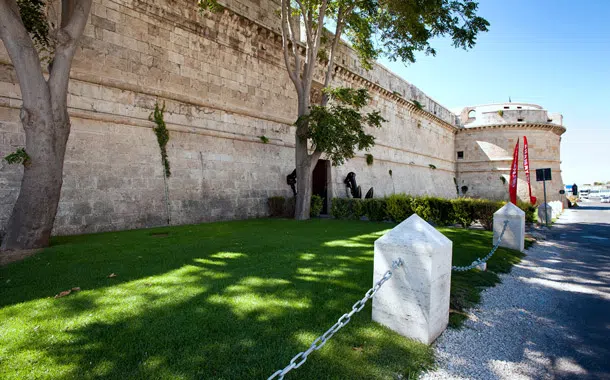
Civitavecchia
The port town of Civitavecchia is about an hour away from the Italian capital and is where ships will dock before bringing lucky holidaymakers into the city of Rome. It is an important port for cruise ships and ferries, connecting to Corsica, Sardinia and Barcelona. Civitavecchia is a town in the heart of Lazio. It is a small, sleepy town that overlooks the sea from behind the busy and chaotic commercial port.
Spreading out along the coast, the town is situated between the Mignon river to the north and the Marangone river to the south.
Civitavecchia is a port town in the heart of Italy, in the province of Rome, 80 kilometres northwest of the capital.
It is shrouded in art and history, and is rich in bays and coves with sandy and rocky beaches. Today the town is the departure point for many cruises and journeys around the Mediterranean. It is an excellent tourist destination where you can simply enjoy 'la dolce vita' or visit the amazing historical monuments. On a level with the majestic ancient capital, in terms of its monuments, gardens, villas and works of art, it also gives you easy access to the Tyrrhenian Sea, the Terme della Ficoncella, and the Etruscan ruins.
Civitavecchia will guarantee you an original and enchanting experience.
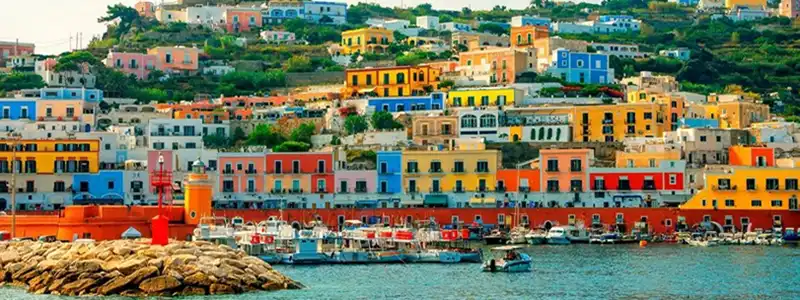
Ponza
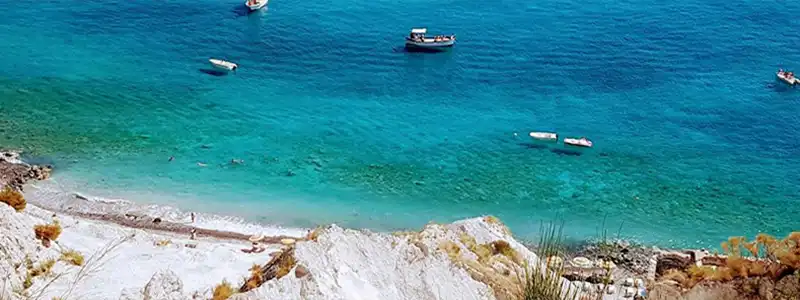
Lipari
Lipari is the largest of the Aeolian Islands, located in the Tyrrhenian Sea off the north coast of Sicily. During a cruise ship stop, there are many fascinating things to do and see.
First of all, you can visit the historic center of Lipari, with its picturesque streets, local craft shops and welcoming cafes. The Castle of Lipari, which dominates the city, is a must-see: it offers a breathtaking panoramic view and houses the Aeolian Archaeological Museum, where you can admire finds that tell the ancient history of the island.
Nature lovers can take an excursion to panoramic spots such as the Belvedere Quattrocchi, which offers spectacular views of the cliffs and the intense blue sea. The beaches of Lipari, such as Spiaggia Bianca and Spiaggia di Canneto, are ideal for a day of relaxation in the sun and for swimming in the crystal clear waters.
A boat trip to explore the sea caves and the jagged coasts of the island is a must, perhaps stopping for a dip in the transparent waters. Some excursions also include snorkeling or scuba diving to discover the rich marine life.
Finally, don't forget to taste the local cuisine. Lipari restaurants offer delicious fresh fish dishes, capers, Aeolian malvasia and other Sicilian specialties.
In summary, a stop in Lipari during a cruise offers a perfect combination of history, culture, nature and gastronomy.
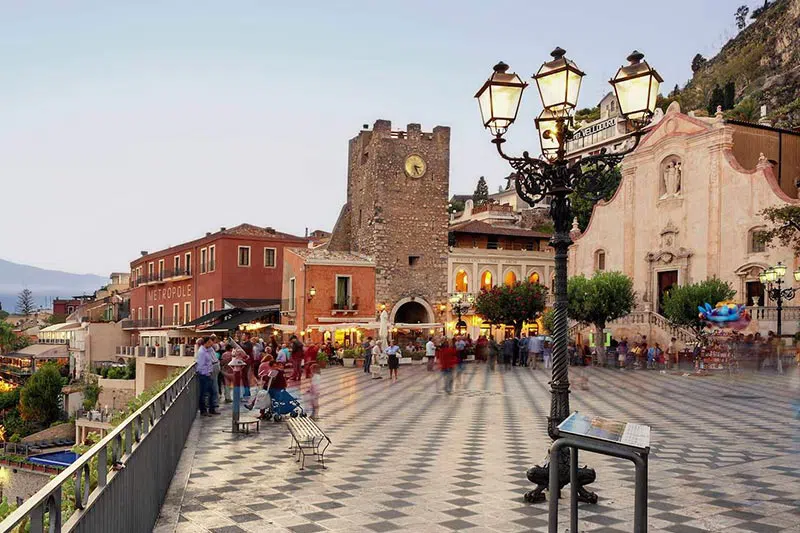
Taormina
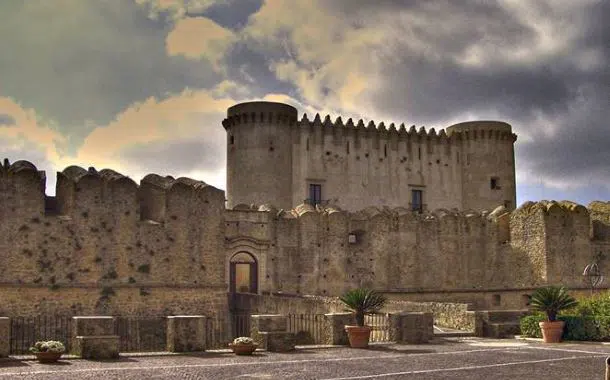
Crotone
Crotone (Cutroni in the Crotone dialect) is an Italian municipality with 60,741 inhabitants, the capital of the province of the same name in Calabria. It is the fourth municipality in the region by population and the sixth by area.
The city of Crotone was founded by Greek colonists, coming from the Achaea region in the third quarter of the 8th century BC, in the place of a pre-existing indigenous settlement and represented one of the most important centers of Magna Graecia. The old city develops in a maze of narrow streets and squares up to the cathedral and the central Piazza Pitagora, the point of contact between the "old" and "new" cities.
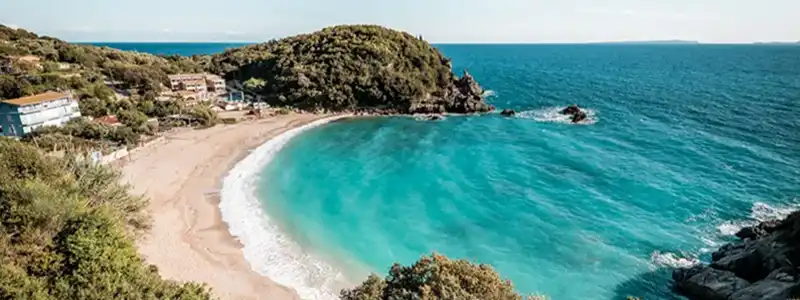
Parga
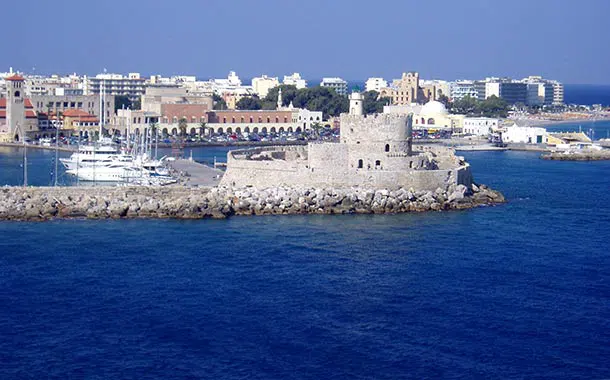
Katakolon
Katakolon is known as the 'gateway to Olympia' in fact it is located just east of the ancient city of Olympia, the birthplace of the Olympic Games.
Katakolon is a seaside town in the municipality of Pyrgos in western Greece. It is located on a picturesque promontory overlooking the Ionian Sea and separating the Gulf of Kyparissia from the rest of the Ionian Sea. It is 11 km west of the center of Pyrgos. The small village of Agios Andreas is located north-west of Katakolon. The port of Katakolon is a very popular stop for cruise ships, offering passengers the opportunity to visit the site of ancient Olympia. Low hills with forests surround Katakolo. In 1865 the Katakolon lighthouse was built. One of the most important sites in Katakolon is the Museum of Ancient Greek technology.
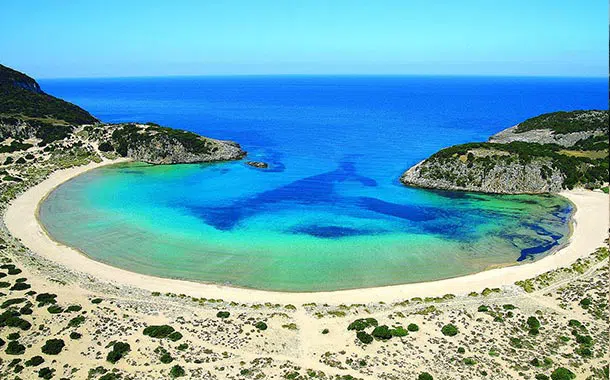
Pylos
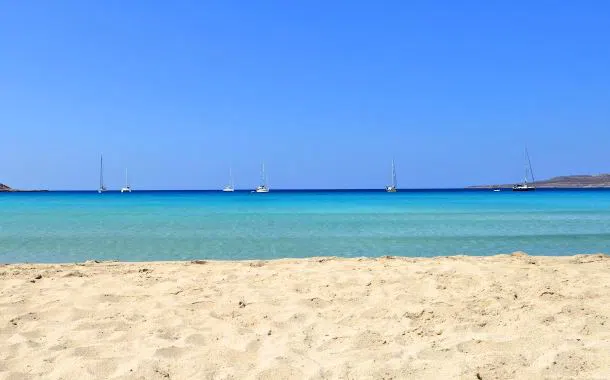
Monemvasia
Monemvasia (Μονεμβάσια) is located in the Peloponnese in the southeast in the prefecture of Laconia, 400 meters from land. Its name derives from two Greek words, mone and emvassi, which means "single entry". It was called Malmsey by old English writers, Malvasia by the Venetians, and Malvoisie by the French.
It was founded by the Byzantines in the 6th century and soon became an important port. It remained in Byzantine possession for almost 700 years until it was captured by the Franks in 1249 after a three-year siege. However, it returned to Byzantine hands ten years later and became the main port of the Despotato of Mystra.
Monemvasia was entirely excavated in the back of a rock in the sea in the Middle Ages. This huge rock was not visible from the mainland, so as to avoid enemy attacks. The only way to reach Monemvasia was by boat, while later a paved path was built to connect the entrance to the castle to the mainland. The Castle of Monemvasia is among the most striking places in Greece. A new city has been built on the mainland, in front of the rock. The walk around the Castle is a journey into the past and the view of the sea from the top of the castle is spectacular.
Inside the village, there is the "Limani" sandy beach, a quiet corner highly recommended for families with small children. On the outskirts of the village, the small bay of "Kavos" with the warmest waters. 20 meters from the town square and behind the beach of Limani, there is the one of "Viandini" with a wild charm and the depth of the water truly very particular. The sea of "Tigania" perfectly wonderful, "blue flag" granted thanks to its proven reputation.
Athens
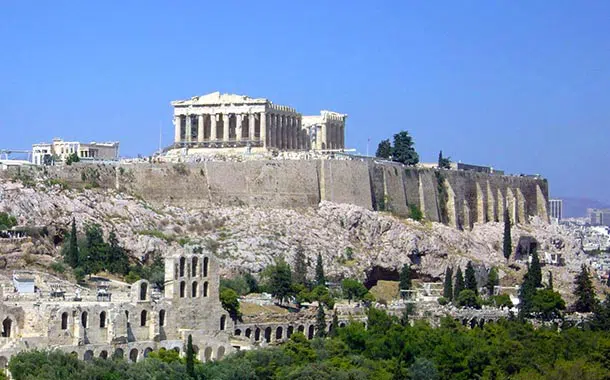
For many, Athens is a city lived two thousand five hundred years ago. Symbol is the mighty Acropolis which dominates almost every view and itinerary of every visitor, crowned by the iconic Parthenon, stands above the city, watching the sprawling modern metropolis in evolution.
Athens, the capital of Greece, is a city where antiquity and modernity, history and contemporary culture blend in a unique way. Everyone knows that the name of the city derives from the ancient Greek goddess of wisdom and justice. However, few people actually know the legend behind this event. According to myth, Athena and Poseidon, the God of the seas, vied for the right to name the city. Poseidon, to impress the inhabitants, gave them water, while Athena gave them an olive branch.
At first the choice fell on Poseidon, since the citizens considered water the most precious gift. When, once they tasted the water, they discovered that it was salty and not drinkable, they changed their minds and recognized Athena as their patron. One of the most famous historical sites in the city is the Acropolis, a majestic hill topped by ancient Doric temples, including the Parthenon, built in 477 BC. and the Erechtheion, built between 421 and 406 BC. Climbing the Acropolis, tourists can enjoy a breathtaking view of the city and the Aegean Sea. However, Athens is not only history, but also a lively cultural capital. In the Plaka district, located at the foot of the Acropolis, it is possible to stroll through the welcoming streets, visit the traditional Greek taverns and enjoy the authentic atmosphere.
Then there are the numerous cultural activities offered by the numerous museums, galleries and theaters present in the city. Athens is an important port for cruise ships that offer trips to the Mediterranean and beyond. Cruises from Athens allow guests to explore the rich cultural heritage of Greece, including the islands of Crete, Santorini and Mykonos, where you can admire the crystal clear waters of the Aegean Sea and a coast of white houses.
In addition to the Greek islands, cruises from Athens also offer the opportunity to visit other exciting Mediterranean destinations, including historic cities in Italy, Croatia and Turkey. Athens is therefore not only the historical and cultural center of Greece, but also an important starting point for cruises in the Mediterranean, which offers guests the opportunity to immerse themselves in the great history and splendid landscapes of this unique region.
Many still think of Athens as an ancient city that thrived two and a half thousand years ago. Its symbol is the mighty Acropolis, which dominates almost every view and the itinerary of every visitor, and it is crowned by the iconic Parthenon, which rises above the city, overlooking the sprawling and evolving modern metropolis.
Perhaps the most significant change is in the historical centre, which is almost unrecognisable since cars have been banned. This has liberated the area with the most significant archaeological sites, creating the longest, and undoubtedly one of the most splendid, pedestrianised zones in Europe. This huge archaeological park has brought past and present together, returning the cultural and social life of the city to the area around the ancient monuments and surrounding neighbourhoods.
Athens remains a city of contradictions; it is both frustrating and seductive. It is the oldest city in Europe, yet still in a state of transition. It is one of the safest and most vibrant European cities - an intoxicating mix of grunge and grace with an undeniably urban soul.
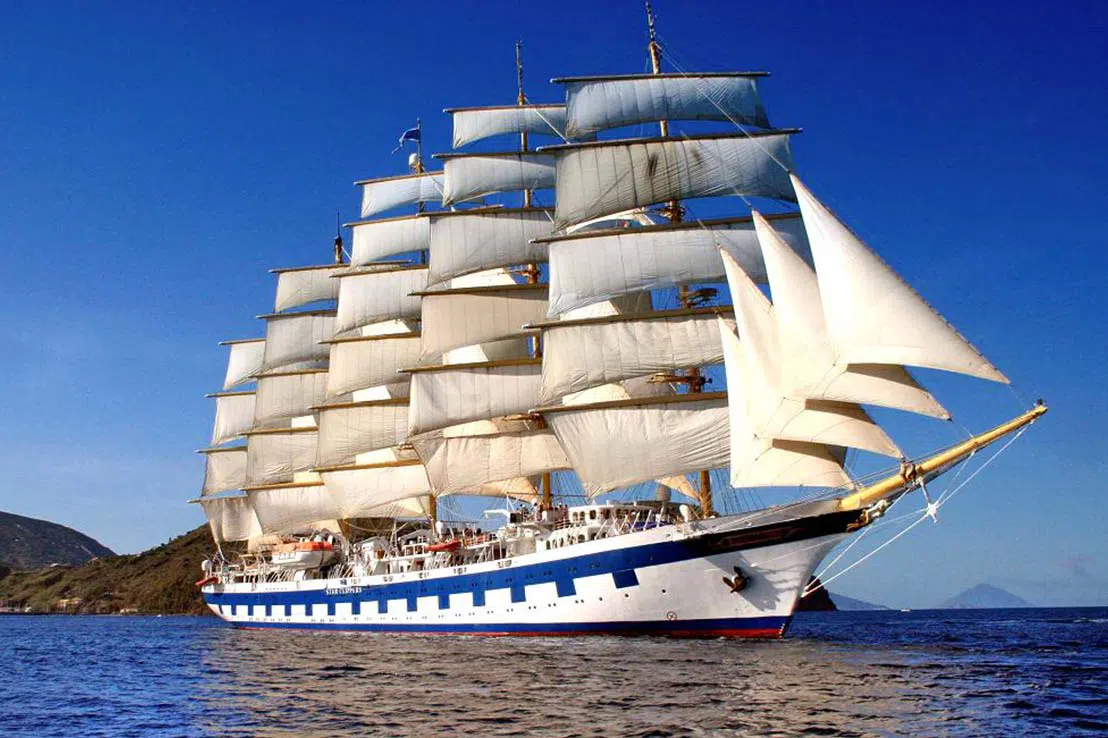
Info on the ship Royal Clipper